admin
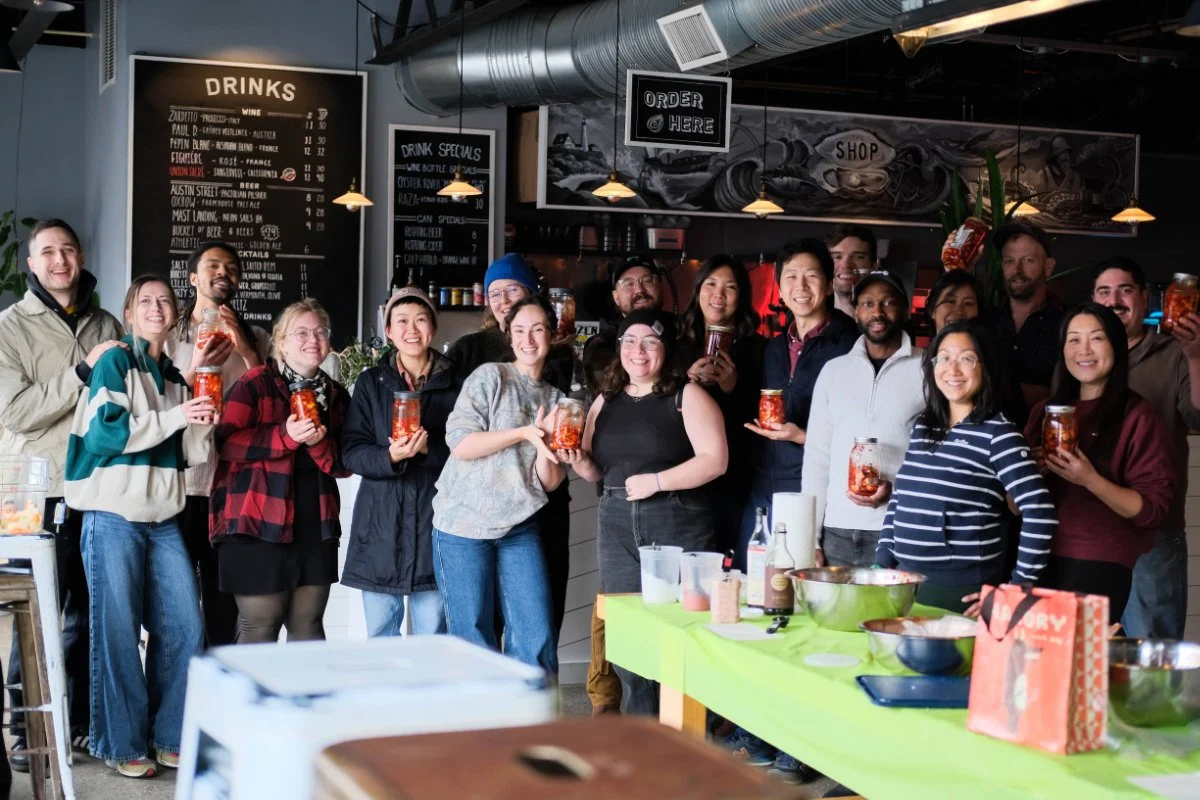
In a remarkable convergence of culinary tradition, agricultural sustainability, and community building, Onggi, a Maine-based purveyor of fermented foods, has transformed the ancient Korean practice of kimjang into a vibrant local phenomenon. The initiative serves as a potent reminder for participants to become more conscious about the provenance of their food, to cherish locally grown seasonal produce, and to embrace the timeless wisdom of preservation techniques that ensure access to nourishing sustenance throughout non-growing months. This innovative approach, spearheaded by Onggi’s co-founders, is not merely about making kimchi; it is a profound exploration of cultural heritage, a celebration of local agriculture, and a blueprint for fostering resilient, interconnected communities through the shared joy of food.
The Genesis of Onggi and the Kimjang Tradition
Kimjang, recognized by UNESCO as an Intangible Cultural Heritage of Humanity, is the traditional Korean practice of preparing and sharing large quantities of kimchi to ensure a community has enough food for the winter. It is a deeply communal activity, embodying principles of cooperation, sharing, and respect for nature’s bounty. For Onggi, translating this tradition to Maine began with a vision to connect people to these fundamental values.
Onggi’s journey commenced in 2020, amidst the unprecedented challenges of the global COVID-19 pandemic. At a time when physical gatherings were curtailed and supply chains disrupted, Onggi launched as an online web store. Co-founder Im, reflecting on this initial phase, recounts, "Year One was deep in COVID, in 2020, when Onggi launched as a web store, so we shipped out kimchi-making products and did an online workshop." This early adaptation demonstrated resilience and an unwavering commitment to their mission, providing a much-needed sense of connection and purpose through food during isolation. Participants received carefully curated kits containing all the necessary ingredients and tools, guided virtually through the intricate steps of kimchi preparation from their own kitchens. This digital pivot laid the groundwork for future in-person events, proving the inherent desire for engagement with food traditions even in challenging circumstances.
The choice of Maine as a hub for this cultural exchange was far from arbitrary. Im observes a striking parallelism between Maine’s climate and agricultural rhythms and those of Korea. "Maine’s climate is similar to a lot of Korea, so the growing cycles and the way people think about preservation are very similar to what people in Maine experience," she explains. This natural alignment made the introduction of kimjang a logical and resonant endeavor. Both regions experience distinct, often short, growing seasons, which historically necessitated robust preservation practices to sustain communities through leaner months. This shared environmental context provides a fertile ground for understanding and appreciating the practical and cultural significance of kimjang.
Evolution of the Kimjang Experience: From Virtual to Communal Harvest
As the world gradually reopened, Onggi’s kimjang events evolved, transitioning from virtual workshops to immersive, hands-on communal experiences. This shift allowed participants to engage directly with the ingredients, the process, and, most importantly, with each other. The core philosophy remained constant: to foster a deeper connection to food sources and the community.
A hallmark of Onggi’s contemporary kimjang events is its strong emphasis on local sourcing. This year, Onggi proudly partnered with two prominent local agricultural enterprises: Dandelion Spring Farm and Bumbleroot Organic Farm. These collaborations are pivotal, not only for ensuring the freshest, highest-quality ingredients but also for bolstering Maine’s local food economy and supporting sustainable farming practices. The commitment to local produce is particularly significant in Maine, where the short growing season imparts a unique character to the vegetables. Im elaborates on this, stating, "The growing season in Maine is very short, and I think the vegetables become more delicious from all the effort that they have to put in to survive." This perspective highlights a profound appreciation for the resilience of nature and the dedicated labor of local farmers.
The specific selection of vegetables for Onggi’s "Local Roots Kimchi" exemplifies this dedication. This year’s recipe incorporated daikon radish, carrots, and a touch of rutabaga – all hearty root vegetables that thrive in Maine’s climate and offer robust flavors suitable for fermentation. Participants are not just making kimchi; they are engaging with the very soil of Maine, understanding the seasonal cycles, and directly supporting the livelihoods of local growers. This holistic approach transforms the act of kimchi-making into an educational and impactful experience.
The Communal Spirit: A Holiday for Connection
The atmosphere at Onggi’s kimjang sessions is consistently described as vibrant and joyous. Co-founder Conroe vividly captures the essence of these gatherings: "Folks get really excited. By the end of the session, they have a jar of kimchi that is ready to ferment for several days at home on their countertop. They get to chat with their neighbors and make some new friends. That’s really what it’s all about: bringing people together and being able to share a communal practice. It’s always a very lively day. It feels like a holiday for us."
This description underscores the multifaceted benefits of the kimjang events. Beyond the tangible outcome of a jar of homemade kimchi, participants gain invaluable social capital. The shared activity fosters camaraderie, breaks down social barriers, and creates new connections within the community. In an increasingly digital and often isolating world, these in-person, hands-on experiences are vital for nurturing social cohesion. The sense of collective achievement, the exchange of stories and laughter, and the shared anticipation of a delicious fermented product contribute to an atmosphere that truly feels celebratory – a "holiday" where the focus is on human connection and collective well-being.
The logistical planning behind these events ensures a seamless and enjoyable experience. Participants arrive to find stations equipped with fresh, prepped vegetables from local farms, traditional Korean spices, and all necessary tools. Expert instructors, often including Im herself, guide them through each step, from salting the cabbage to mixing the flavorful paste, sharing tips and cultural insights along the way. This structured yet relaxed environment allows for both learning and spontaneous interaction, creating a rich tapestry of experience for everyone involved.
Kimchi’s Cultural Journey and Personal Resonance
The growing acceptance and popularity of kimchi in the United States provide a compelling backdrop for Onggi’s work. Im expresses deep satisfaction at this evolution: "Kimchi in the States was once so foreign and alien, but it’s now so commonplace. I’m very energized by that. It’s so exciting to see that I can offer something to the community." This widespread familiarity has opened doors for deeper cultural exchange, moving beyond mere culinary curiosity to a genuine appreciation for the history and traditions embedded within the food.
For Im, bringing kimjang to her community has also been a profoundly personal journey of discovery and enrichment. She reflects, "People may not have grown up making kimchi here, but I’m able to share with them different stories and its history. In doing so, I also get to learn a lot more about kimchi. It’s enriched my own understanding." Growing up in California, her initial relationship with kimchi was primarily centered on its taste and role as a food item. However, through Onggi’s kimjang events, kimchi has transformed into "an interesting connection point between me and the people around me and for people to better understand where I come from." This reciprocal learning process underscores the dynamic nature of cultural exchange, where the act of teaching can simultaneously deepen one’s own understanding and appreciation of their heritage. It creates a bridge, not just between people, but between past and present, tradition and innovation.
Supporting Data and Broader Context: Maine’s Agricultural Landscape and Preservation Trends
Maine’s agricultural sector, while modest in scale compared to larger farming states, boasts a robust network of small, diversified farms committed to sustainable and organic practices. According to the USDA National Agricultural Statistics Service, Maine has seen a steady increase in the number of farms engaging in direct-to-consumer sales, reflecting a strong local food movement. Initiatives like Onggi’s kimjang directly contribute to this ecosystem by creating demand for specific local produce, thereby supporting farm viability and fostering direct relationships between consumers and growers. For instance, Dandelion Spring Farm and Bumbleroot Organic Farm, both certified organic, benefit from Onggi’s commitment, ensuring a market for their seasonal harvests and reinforcing their sustainable agricultural models.
The resurgence of interest in home food preservation, including fermentation, canning, and dehydrating, has been a notable trend across the U.S. in recent years. Driven by concerns about food security, a desire for healthier eating, interest in sustainable living, and the simple pleasure of DIY activities, more individuals and families are embracing these traditional practices. Data from market research firms indicate a consistent growth in sales of home canning supplies and fermentation kits, particularly since 2020. Onggi’s kimjang events tap directly into this growing interest, providing accessible entry points for individuals to learn and practice these valuable skills, thereby empowering them to take greater control over their food supply.
Furthermore, the emphasis on communal activities aligns with broader sociological findings on the importance of social capital and community resilience. Studies have shown that communities with strong social ties and opportunities for collective engagement exhibit higher levels of well-being, improved mental health, and greater capacity to respond to challenges. Onggi’s kimjang events, by intentionally fostering interaction and shared purpose, contribute directly to strengthening these vital community bonds.
A Model for Communal Food Traditions: The Power of Food
The vision for Onggi extends far beyond kimchi. Im articulates a powerful aspiration: "That’s the dream. Whether it’s kimchi or not, bringing a community together to celebrate food, to make things together, and then to share that with one another is a very beautiful thing." This sentiment encapsulates the universal appeal and potential of communal food traditions to act as catalysts for social good.
The core message resonates deeply: "There’s power in food. It brings us together with our environment, with our neighbors, and with the produce nearby." This profound statement highlights the interconnectedness that food facilitates – connecting individuals to the land that sustains them, to the people who share their space, and to the bounty of the seasons. It speaks to a holistic approach to living, where food is not merely sustenance but a medium for connection, education, and cultural expression. Onggi hopes that their kimjang events, and others like them emerging across the U.S., will serve as an inspiration for communities to explore and develop their own unique food-centered gatherings. The goal is to cultivate a pervasive spirit of connectedness that transcends individual dishes and celebrates the collective act of nourishing oneself and others.
Conroe further emphasizes the enduring value of these gatherings: "What kimjang represents and what it facilitates is why we continue to do it. The values that it upholds and how people feel after they engage with it is what keeps people coming back to it." These values include teamwork, mutual success, community engagement, and a collective effort towards sustenance. This framework is not unique to kimjang; many cultures worldwide have traditions of communal food preservation and preparation. In New England, for example, long-standing practices like the communal harvesting of maple syrup and apple cider pressing persist. These traditions demonstrate the inherent human need to collaborate around food, especially when facing seasonal challenges.
The call to action is clear: while continuing to honor existing traditions, communities are encouraged to "innovate and do something that feels fitting for their particular communities, what’s available to them, and what they might want to make together." This encourages a localized, adaptable approach, respecting cultural specificities while embracing the universal principles of shared endeavor. The ultimate value of bringing people together during kimjang, Conroe concludes, lies in "working as a team to ensure our mutual success, getting to be in community and in relation with one another, and working to make sure that we’re sustained." This vision extends beyond mere survival; it speaks to thriving together, building stronger bonds, and fostering a sense of collective responsibility for communal well-being.
Implications and Future Outlook
The impact of Onggi’s kimjang events extends across several crucial domains. Environmentally, the emphasis on local, seasonal produce reduces food miles and supports sustainable farming practices, contributing to a smaller carbon footprint. Economically, these events stimulate local agricultural economies by creating direct demand for farmers’ produce. Socially, they combat isolation, build community cohesion, and foster cross-cultural understanding, bridging divides and celebrating diversity. Culturally, they preserve and transmit ancient food traditions while also allowing them to evolve and find new relevance in contemporary contexts.
Looking ahead, the model established by Onggi offers a powerful template for fostering community resilience and food security. By empowering individuals with preservation skills, they are better equipped to navigate fluctuating food prices and seasonal availability. By strengthening community bonds through shared activities, a robust social safety net is woven. The dream of seeing similar communal food traditions flourish across the nation underscores a broader movement towards localized food systems, greater self-sufficiency, and a renewed appreciation for the cultural narratives embedded in our daily meals.
Onggi’s kimjang events in Maine are more than just cooking classes; they are a testament to the enduring power of food to connect us – to our environment, to our heritage, and most importantly, to each other. They embody a holistic philosophy where every jar of kimchi made is a step towards a more conscious, connected, and communally sustained future.