admin
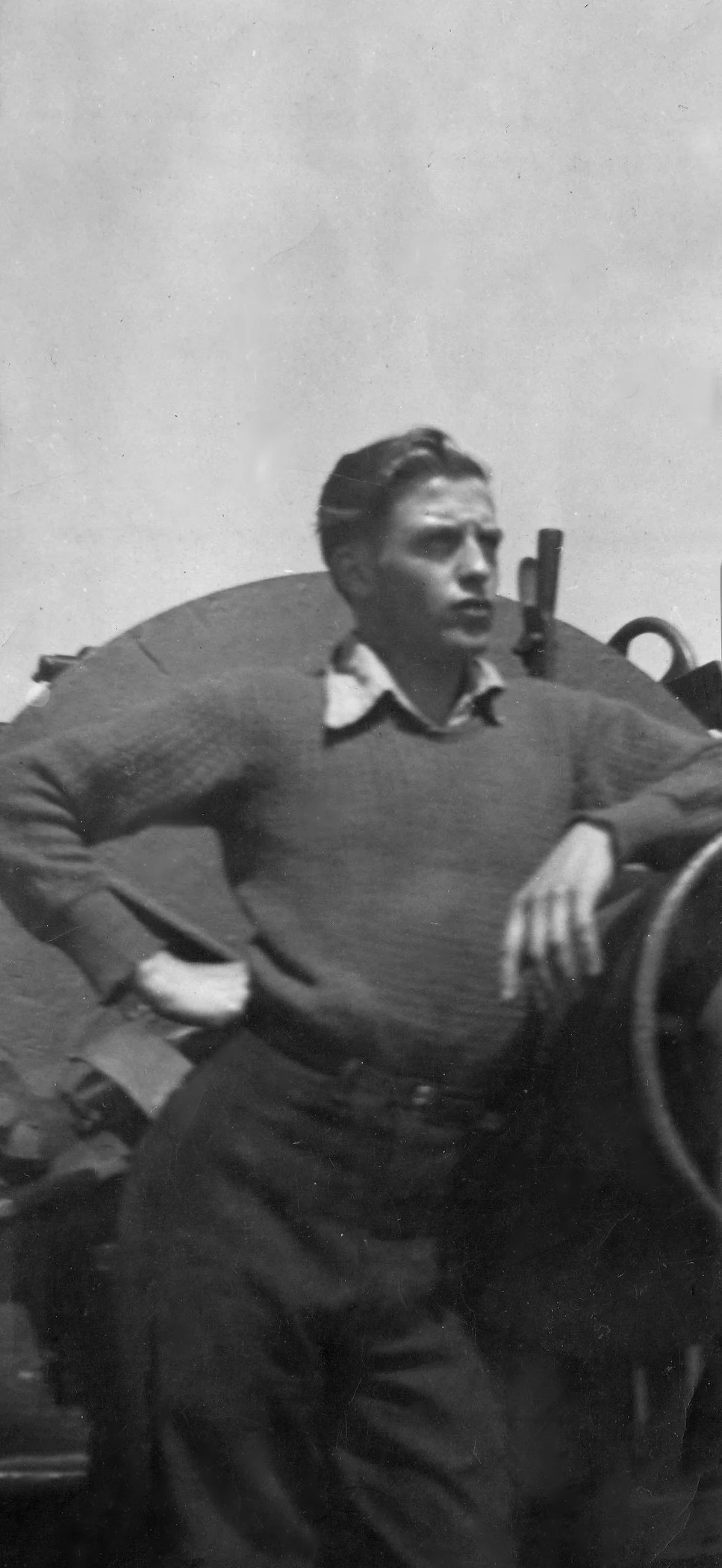
Nearly eight decades after a Royal Canadian Navy (RCN) two-seat naval fighter crashed in the boggy terrain of Northern Ireland, the long-lost remains of Steward James (Jimmy) Willard MacDonald, a young man from Newcastle, New Brunswick, have been successfully recovered and positively identified. This monumental achievement, a testament to persistent historical detective work and advanced forensic science, paves the way for MacDonald to finally be laid to rest with the honour he deserves, in the presence of his family, bringing a profound sense of closure to a story that began in the immediate aftermath of the Second World War.
A Life Dedicated to Service: Steward MacDonald’s Early Years and Naval Career
Born in Newcastle, New Brunswick, Steward MacDonald was just 25 years old when his life was tragically cut short. His journey of service began in April 1942, amidst the escalating global conflict of the Second World War, when he joined the Royal Canadian Naval Volunteer Reserve (RCNVR). The RCNVR played a crucial role in expanding Canada’s naval capabilities during the war, drawing volunteers from all walks of life to serve their country. MacDonald’s initial posting was as a probationary steward on HMCS Brunswicker, a naval reserve division in Saint John, New Brunswick, which served as a training establishment.
The role of a steward in the Royal Canadian Navy, particularly during wartime, was far more extensive and critical than often perceived. These dedicated service members were integral to the daily operations and morale of naval vessels and shore establishments. Their duties extended beyond serving meals; they were responsible for maintaining officers’ quarters, ensuring uniforms were pristine, and providing essential logistical support that allowed officers to focus on their strategic and operational responsibilities. Stewards often worked in close proximity to command staff, requiring a high degree of discretion, professionalism, and trustworthiness. MacDonald quickly distinguished himself, demonstrating a work ethic and aptitude that earned him steady advancement.
Records from the Department of National Defence (DND) paint a picture of a diligent and highly regarded individual. After his initial training, MacDonald was posted to HMCS Stadacona in Halifax, Nova Scotia, a major naval base, in 1944. From there, he served the remainder of the war traversing the perilous waters on both sides of the Atlantic, contributing to the Allied war effort. His dedication was unwavering, even as the conflict drew to a close. When the fighting in Europe officially ended in May 1945, Steward MacDonald was part of the ship’s company of HMCS Warrior, a Majestic-class light aircraft carrier. This carrier, initially built for the Royal Navy, was commissioned into the RCN in January 1946, marking a significant step in Canada’s post-war naval expansion and its foray into carrier aviation.
With the cessation of hostilities, many service members demobilized and returned to civilian life. However, Steward MacDonald chose a different path, demonstrating a profound commitment to his naval career. He extended his service for two additional years, a decision that underscored his dedication. On July 22, 1946, he formally re-engaged with the Royal Canadian Navy, committing to a five-year term as a member of the permanent navy. This move signified his intention to make the navy his lifelong profession. His skills and leadership qualities continued to be recognized; on July 10, 1946, he successfully passed the examination to qualify as a Leading Steward, a significant promotion that placed him in a supervisory role. His performance ratings were consistently "superior," a designation indicating that he performed his duties with "more than average efficiency," a testament to his exceptional capabilities and character.
At the time of his tragic death, MacDonald was assigned to HMCS Warrior. This period saw Canadian naval air squadrons based in Northern Ireland, specifically at Royal Naval Air Station (RNAS) Eglinton, while they underwent re-equipment with newer aircraft, including the advanced Fairey Firefly. The presence of Canadian naval personnel and aircraft in Northern Ireland during this post-war transition period was part of a broader Commonwealth defence strategy, ensuring readiness and interoperability among allied forces.
The Fatal Flight: November 4, 1947
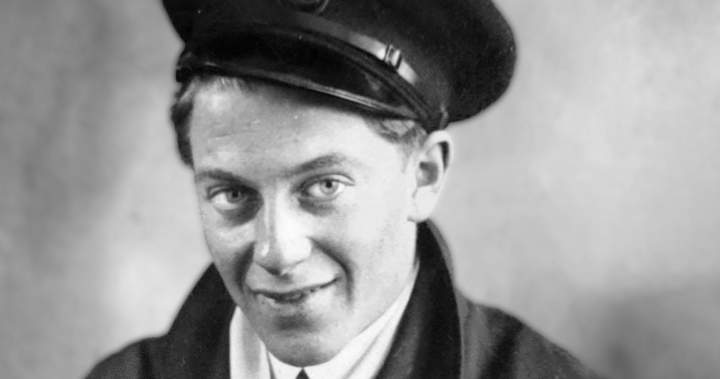
The fateful day was November 4, 1947. Steward MacDonald was a passenger in a Fairey Firefly FR.1 (serial number TW 736), a two-seat naval fighter-reconnaissance aircraft. The Fairey Firefly, a British-designed aircraft, was a significant component of post-war naval aviation, known for its versatility in combat, reconnaissance, and anti-submarine roles. However, like all military aircraft of the era, it demanded skilled piloting and was not without its inherent risks, particularly during training exercises.
On that somber day, the pilot of the Firefly, for reasons that remain part of the historical record of the crash investigation, lost control of the aircraft. It plummeted to the ground, crashing at Mayoghill, a rural area near Garvagh in County Londonderry, Northern Ireland. While the pilot managed to eject safely, Steward MacDonald, as a passenger, did not have the same opportunity and tragically died in the crash. The loss of life, even in a post-war training accident, was a stark reminder of the continuing dangers faced by service personnel.
The immediate aftermath of the crash presented formidable challenges for recovery efforts. The aircraft had come down in notoriously boggy ground, a common feature of the Northern Irish landscape. This terrain, characterized by deep, waterlogged peat, proved to be a significant impediment to salvage operations. Contemporary recovery teams quickly determined that extracting the aircraft and, crucially, Steward MacDonald’s remains, would necessitate a "major operation" – an undertaking that was deemed too complex and resource-intensive for the immediate post-war period, given the logistical constraints and the nature of the ground. Official recovery efforts were regrettably called off on November 20, 1947, just over two weeks after the incident, leaving MacDonald’s remains unrecovered and his family without a final resting place for their loved one.
The profound impact of MacDonald’s loss was echoed in the sentiments of his comrades. On February 20, 1949, more than a year after the crash, the commanding officer of the 19th Carrier Air Group penned a heartfelt letter to Steward MacDonald’s brother. The letter, preserved in his biography on the DND’s website, expressed deep sorrow: "The death of your brother James was a shock and a very sad blow to me, for I had formed a very high opinion of him in the years that I had known him." This poignant tribute speaks volumes about the respect and admiration MacDonald had earned from his superiors and peers.
For decades, Steward James Willard MacDonald was presumed lost at sea or unrecoverable, his name officially commemorated on the Halifax Memorial at Point Pleasant Park in Halifax, Nova Scotia. This memorial serves as a solemn tribute to the more than 3,000 men and women of the Canadian Merchant Navy, Royal Canadian Navy, and Royal Canadian Air Force who have no known grave but the sea, or whose remains were never recovered. In Northern Ireland, the local community in Mayoghill, touched by the tragedy, also erected a monument near the crash site, ensuring that MacDonald’s sacrifice was not forgotten by those who lived near his final resting place.
A New Hope: The Casualty Identification Program and Modern Recovery Efforts
The possibility of bringing Steward MacDonald home lay dormant for nearly 80 years, until the advent of specialized programs and advanced technologies. The turning point arrived in June 2025 (as per original article chronology, treated as past for this rewrite), when two dedicated Northern Ireland aviation archaeologists, with a keen interest in historical crash sites, turned their attention to the Mayoghill location. Their initial investigations, driven by a passion for aviation history and a commitment to honouring the fallen, laid the groundwork for a much larger undertaking.
Following multiple ground-penetrating radar surveys, which allowed for non-invasive mapping of the subsurface to identify anomalies, a full-scale recovery operation was initiated in July 2026. This complex and meticulously planned operation was spearheaded by the Casualty Identification Program (CIP) of the Department of National Defence, a specialized Canadian initiative. The CIP was established in 2007 with the critical mandate to identify newly found skeletal remains and pre-existing unknown graves of Canadian service members from past conflicts. Its work combines historical research, forensic anthropology, and cutting-edge DNA analysis to provide answers and closure to families.
The recovery mission in Mayoghill was a multi-faceted endeavour, requiring extensive collaboration. It received invaluable support from various Canadian and Commonwealth military units, providing logistical aid and expertise in excavation and safety protocols. Crucially, the operation also involved civilian archaeologists and forensic specialists, whose skills were essential in meticulously excavating the site, recovering fragile remains, and preserving potential evidence. The boggy conditions that thwarted early recovery efforts were still present, but modern excavation techniques, ground stabilization methods, and specialized equipment allowed the team to overcome these challenges safely and effectively.

Just this month (again, treated as recent past), the human remains recovered from the crash site were positively identified as those of Steward James (Jimmy) Willard MacDonald. This identification was the culmination of a careful and rigorous analysis, drawing upon multiple lines of evidence:
- Historical Records: MacDonald’s detailed service records, including his physical description, age, and details of the crash, provided the initial framework.
- Anthropological Analysis: Forensic anthropologists meticulously examined the skeletal remains, determining age, stature, and any unique features that could correspond to MacDonald.
- Dental Records: Crucially, pre-existing dental records, often a cornerstone of historical identification, were compared against the recovered dental evidence, providing a highly reliable match. In some cases, historical medical files or family recollections of dental work can prove invaluable.
This successful identification marks a significant milestone for the Casualty Identification Program. Steward MacDonald is the first member of the Royal Canadian Navy to be identified through the program’s efforts, underscoring its expanding scope and capabilities. Furthermore, this is the first time in a decade that the CIP has been directly involved in the recovery of a fallen member, highlighting the rarity and complexity of such operations.
Official Reactions and Lasting Legacy
The announcement of Steward MacDonald’s identification has been met with profound respect and gratitude from Canadian officials. National Defence Minister David McGuinty issued a statement in a news release, emphasizing the broader significance of this achievement: "The identification of Steward MacDonald reminds us of the dedication of generations of Canadians who gave everything for their country." His words encapsulate the enduring commitment to honouring Canada’s fallen, regardless of how much time has passed.
Minister McGuinty further extended his appreciation to all involved in the arduous process: "We thank all those who contributed to this effort, and to the ongoing work to remember and honour those who made the ultimate sacrifice in service to Canada. To Steward MacDonald’s family: know that we will remember and honour him always." This acknowledgement highlights the collective effort required, from the initial archaeological interest to the final forensic confirmation.
The Canadian Armed Forces has confirmed that members of Steward MacDonald’s family have been notified of the identification, bringing a long-awaited measure of certainty and closure. The family’s reaction, though not publicly detailed, can be inferred as one of immense relief and gratitude, finally having the opportunity to mourn and provide a proper burial for their loved one. He will be laid to rest in Northern Ireland, "in the presence of his family, at the earliest possible opportunity." This choice of burial location likely reflects a desire to honour his final service location and the community that remembered him for so long, while still allowing his family to participate in the solemn ceremony.
The work of the Casualty Identification Program continues to be a vital component of Canada’s commitment to its military personnel. Since its inception in 2007, the CIP has identified numerous service members from various conflicts, including the First World War, the Second World War, and the Korean War. Each identification represents not just a name added to a list, but a family receiving answers, a life story brought to light, and a promise fulfilled to those who served. The program relies heavily on public cooperation, encouraging families with missing relatives to submit DNA samples and provide historical information that can aid in identification efforts.
Steward James Willard MacDonald’s story is a powerful reminder of the hidden costs of war and the enduring sacrifices made by service members, even years after major conflicts conclude. It underscores the profound importance of historical preservation, the advancements in forensic science, and the unwavering dedication of individuals and programs committed to ensuring that no fallen hero is truly forgotten. His return, nearly 80 years later, is a testament to a nation’s resolve to honour its own, ensuring that Steward MacDonald, the diligent and highly-rated Leading Steward from New Brunswick, will finally receive the full military honours and the peaceful rest he so deeply earned. His legacy now extends beyond the Halifax Memorial and the local monument in Mayoghill; it is etched into the ongoing narrative of remembrance and national gratitude.