admin

A burgeoning movement across Puerto Rico sees a growing number of food and farming operations collaborating to deliver fresh, healthy produce directly to their communities, circumventing traditional, often vulnerable, supply chains. This grassroots effort is not merely about commerce; it represents a profound socio-economic and cultural reclamation, challenging a deeply entrenched food system shaped by decades of external influence and economic policies. At its heart, it’s a quest for food sovereignty, driven by resilient communities and visionary farmers.
The Genesis of Local Resilience: Súper Solidario Leads the Charge
Every month, before the sun fully graces the skies over Caguas, Puerto Rico, Marisel Robles begins setting up the Súper Solidario market. Arriving at 6 a.m., two hours before opening, she consistently finds a queue already forming at the door, a testament to the market’s burgeoning popularity and critical role in the community. This once-a-month local food market, launched in late 2020, stands as a beacon of an alternative food economy, offering products from over 15 small-scale local farms at fair prices. Beyond its economic function, Súper Solidario embodies solidarity, featuring a "solidarity shelf" where visitors can select items at no cost, ensuring access for all.
Inside, customers navigate an abundance of Caribbean bounty: luscious guanabana, ripe mangoes, sweet pineapples, and papayas. The market shelves are also laden with staple vegetables, leafy greens, aromatic herbs, and an array of indigenous tubers like yautía, batata, and ñame. Locally sourced coffee, artisanal honey, and a variety of baked, canned, and dried goods complete the diverse offering. Robles, a foundational member of the Súper Solidario team, encapsulates its mission: "The idea is for it to be a supermarket where anyone can access good quality food at a reasonable price. For us, the most important solution to hunger is to have a direct network between producers and consumers."

Súper Solidario operates as a true food co-op, powered by its 41 members who exchange their labor for access to goods at cost. This collaborative spirit extends beyond market day; a "processing brigade" transforms any leftover produce into culinary delights like sofrito or freezes it for fresh juices the following month, minimizing waste and maximizing value. In the past year alone, over 2,000 individuals visited the Súper Solidario, with nearly a quarter being first-time customers and over two-thirds benefiting from the solidarity shelf. Critically, the market purchased 40 different crops directly from 22 farmers, empowering them to reach consumers without the burden of extensive marketing or the risk of unsold inventory. This model not only addresses food insecurity but also provides vital economic stability for small producers.
A Legacy of Dependency: Puerto Rico’s Colonized Food System
The emergence of such direct-to-consumer networks is a direct response to a deeply problematic food system, a legacy of Puerto Rico’s colonial relationship with the United States. Historically, the island was largely self-sufficient in food production. However, this began to shift dramatically in the mid-20th century.
Operation Bootstrap and the Decline of Agriculture: In the late 1940s, Puerto Rico, in conjunction with the U.S. government, initiated "Operation Bootstrap," an ambitious economic development program. Its primary goal was to transform the island’s economy from an agrarian base to an industrial one, attracting U.S. corporations with generous tax breaks and other market-oriented reforms. This industrialization led to a significant decline in rural employment, prompting a mass migration from the countryside to Puerto Rican and U.S. cities. Concurrently, the amount of land dedicated to farming steadily decreased, replaced by factories and urban sprawl.
The Food Stamp Program and Import Reliance: The 1970s marked another pivotal shift with the introduction of the Food Stamp Program (later replaced by the Nutrition Assistance Program, or PAN). While intended to alleviate hunger, this program had unforeseen consequences for local agriculture. As one researcher observed, "local food consumption became increasingly disengaged from local agricultural production, as imports and processed foods took over the increased food demand." The U.S. government actively promoted imported foods, framing the Caribbean as a "consumption appendage" of the mainland. Katia Avilés-Vázquez, director of the Institute for Agroecology Research and Action in Puerto Rico (IALA), vividly recounts instances where nutritionists and agronomists discouraged the consumption of traditional staple foods like breadfruit, advocating for imported alternatives like potatoes. School lunch programs, for example, would serve apples—a fruit that does not grow in Puerto Rico—further cementing a preference for non-native produce. "There’s a huge process of unlearning that type of education we were force fed, literally and figuratively," Avilés-Vázquez states. "Our taste buds, our palettes, were assimilated."

Economic Realities and Food Insecurity: Today, the ramifications of this historical trajectory are stark. More than 40 percent of Puerto Ricans live below the poverty line, and a similar percentage rely on PAN benefits. The island imports over 80 percent of its food, making it highly vulnerable to global supply chain disruptions, climate disasters, and fluctuating international prices. Climbing prices at traditional supermarkets exacerbate food insecurity, making fresh, healthy options often unaffordable for many. Natalí Gaskins, a volunteer at the Camposofía alternative school, notes the tragic irony: "The amount of money you get monthly is only good for eating garbage. A lot of fresh food culture has been lost because it’s cheaper to buy canned tomatoes than to eat [fresh] tomatoes." This forces many rural residents to undertake long journeys to big-box stores like Walmart in search of more affordable groceries. A 2025 survey by the feminist nonprofit Taller Salud confirmed significant economic and geographic barriers to accessing healthy food, with only 20 percent of participants regularly purchasing food from fruit and vegetable stands, compared to 93 percent at supermarkets.
Despite these challenges, a shift in consumer preference is emerging. Robles observes a growing interest in local produce, particularly as the cost of living soars. A 2026 consumer insights study revealed that while shoppers are tightening their belts, the quality of fresh fruits and vegetables is increasingly influencing their grocery choices.
Catalyst for Change: Hurricane Maria and Beyond
The vulnerabilities of Puerto Rico’s import-dependent food system were brutally exposed in September 2017 when Hurricane Maria made landfall. The Category 5 storm wiped out an estimated 80 percent of Puerto Rico’s crop value, causing agricultural losses estimated at $780 million. Infrastructure damage nearly paralyzed shipping, and widespread, prolonged electricity outages led to massive food spoilage, both in homes and stores. The antiquated Jones Act, a maritime shipping law that requires goods shipped between U.S. ports to be carried on U.S.-flagged vessels, only briefly waived after Maria, further compounded the disaster response by making aid slow and expensive.
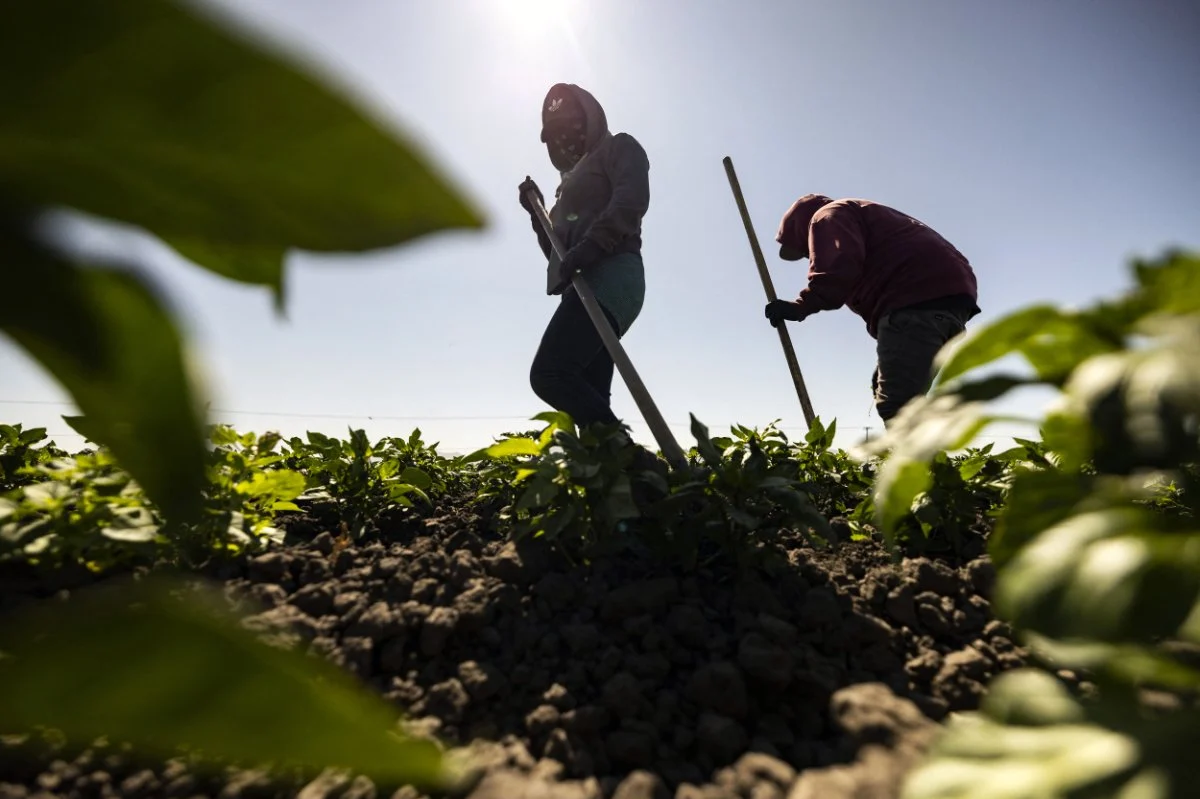
In the aftermath, communities across the island, particularly in rural areas, organized into mutual aid networks, relying on local resources and self-sufficiency for survival. Omar García, whose family had farmed in Yabucoa—where Maria made landfall—began planting crops immediately after the storm, providing fresh food to his community within weeks. "We organized as a community," García recalls. "We fed ourselves within our communities as a method of survival." This period catalyzed the agroecology movement, emphasizing sustainable farming practices and community-led food systems as tools of resilience and sovereignty.

Diverse Models of Direct Distribution: Building a New Infrastructure
Inspired by this renewed sense of self-reliance and the urgent need for local food security, several innovative direct-to-consumer models have emerged and gained traction across Puerto Rico, building new connections between producers and consumers.
Tiendita Soberana: Empowering Producers and Educating Communities: Launched in January 2026, the Tiendita Soberana ("Sovereign Little Store") in San Lorenzo is an alternative market born from Omar García’s Finca Aurora and a collective of other producers. After years of struggling to find reliable market channels, García and his peers created a fixed location where they could sell their produce weekly without intermediaries, allowing them to focus on farming. The collective’s eight founding members work with a wider network of 16 farms and 17 local makers, offering artisanal breads and other goods.
A significant challenge for Tiendita Soberana, and many similar initiatives, is competing with the artificially low prices of imported goods at supermarkets. García notes that while local batata (tropical sweet potato) might cost $2 per pound to cover production costs, an imported equivalent might be 65 cents. Furthermore, gaining approval to accept PAN benefits is a complex and often prohibitive process. The Department of Agriculture’s "Mercados Familiares" program, designed to promote local food access for PAN recipients, often excludes small-scale producers due to stringent vendor requirements and logistical hurdles. García laments, "We’re a colony, and our food system right now is conditioned by the North American model. Those federal funds come in, and people go to the supermarket and buy [groceries], and it’s like a return [for the United States]." Despite these systemic barriers, customers at Tiendita Soberana recognize the superior nutritional value and freshness of local produce, fostering a loyal customer base.
Nodo Alimentario: A Rural School’s Honor-System Market: In the central mountains of Utuado, the Nodo Alimentario ("Food Node") opened in July 2025, evolving from informal exchanges among families at the Camposofía alternative school. Operating on an honor system, the market offers foods from local farms, yards, and kitchens—from breadfruit and tubers to banana bread made from homegrown fruit. With support from the Alliance for Agriculture and space provided by Camposofía, the Nodo created a physical space with refrigeration, inviting the wider community to participate.

For residents like Natalí Gaskins, a Camposofía mother and Nodo volunteer, the market is transformative. "It’s an experience of nutrition and access to food at prices and quality you can’t find anywhere else," she says. The Nodo is just an eight-minute drive from her home, a stark contrast to the 50-minute drive to the nearest supermarket or the hour-and-twenty-minute trip to Costco. This convenience ensures a steady supply of fresh, high-quality products. "I’ll never go without eggs again, and they’re always eggs from happy hens," Gaskins exclaims. Between September 2025 and March 2026, the Nodo sold 306 unique products supplied by 28 regular producers, providing them with reliable weekly income and saving them considerable time and logistical effort.
Finca Güakiá’s Farm Box Program: Simplifying Local Consumption: Nestled in the mountains of San Lorenzo, Finca Güakiá, an agroecological farm, operates under the slogan: "Eating local can be simple." Co-founder Marissa Reyes explains, "The campaign seeks to show people that it doesn’t have to be so complicated. Though it may be difficult to find [local food] in the supermarket, if you communicate with farmers, it can be very simple."
In April 2026, Finca Güakiá launched its farm box program, delivering fresh fruits, vegetables, and "value-added" products like turmeric salt and pesto, along with items from neighboring producers, to eight to ten clients every two weeks, with plans for expansion. While food box programs are not entirely new to Puerto Rico—El Departamento de la Comida ran a successful CSA from 2010 to 2012—the model has seen a resurgence, especially during the COVID-19 pandemic, as it offered a safe and accessible way to reach consumers amid major supply chain disruptions. Reyes notes that local agroecological produce tends to have more stable prices than imported goods during periods of global upheaval and inflation, further highlighting its value proposition.
Navigating Policy and Economic Hurdles
Despite the ingenuity and dedication of these initiatives, they operate within a challenging policy and economic landscape. The Jones Act continues to inflate shipping costs and restrict trade routes, disproportionately affecting an island economy reliant on external goods. The complexities of integrating small-scale producers into federal programs like PAN, which could significantly expand access for low-income communities, remain a persistent barrier. Government regulations, often designed for large-scale industrial agriculture, inadvertently exclude or hinder smaller, agroecological farms.

Economists and food security advocates frequently underscore the need for systemic changes. This includes improving land access for new farmers, implementing widespread agroecological practices through supportive policies, and creating direct funding mechanisms that bypass the current supermarket-centric federal aid model. However, the existing system, as Omar García noted, often serves to recirculate federal funds back into the U.S. mainland economy through large retailers.
Yet, the growing consumer awareness of the superior quality, nutritional value, and environmental benefits of local produce offers a powerful counter-narrative. Consumers are increasingly willing to pay a premium for food they know is fresh, sustainably grown, and supports their local economy, recognizing the long-term value beyond the immediate price tag.
Broader Implications: Towards Food Sovereignty and Sustainability
The flourishing of direct producer-to-consumer networks in Puerto Rico is more than an economic trend; it is a vital movement toward greater food sovereignty and resilience. These initiatives:
- Enhance Food Security: By diversifying food sources and reducing reliance on imports, they create a more stable and accessible food supply, especially critical in the face of climate change and global crises.
- Boost Local Economies: They keep money circulating within local communities, supporting small farmers and food artisans, and creating local jobs.
- Promote Environmental Sustainability: Agroecological practices, central to many of these farms, foster biodiversity, regenerate soil health, conserve water, and reduce the carbon footprint associated with long-distance transportation.
- Foster Community and Cultural Reclamation: These markets and programs are rebuilding social ties, educating consumers about local food traditions, and fostering a deeper connection to the land and Puerto Rican heritage. They are actively "unlearning" generations of assimilation, reclaiming traditional tastes and dietary patterns.
- Advocate for Policy Change: By demonstrating viable alternatives, these grassroots efforts create a compelling case for policy reforms that would better support small-scale, sustainable agriculture and direct distribution models.
Marissa Reyes of Finca Güakiá encapsulates the profound significance of this movement: "Agroecology is here to stay. Supporting local isn’t just about supporting farmers and eating healthy, but about healing, about cooling the planet. The reality is urgent."

In conclusion, the burgeoning network of direct-to-consumer food systems in Puerto Rico represents a powerful, community-driven response to systemic vulnerabilities. From the bustling Súper Solidario to the intimate Nodo Alimentario and the innovative Finca Güakiá farm boxes, these initiatives are not just providing fresh food; they are actively rewriting the narrative of Puerto Rico’s food future, cultivating resilience, fostering economic justice, and nurturing a renewed connection to the island’s land and culture. They stand as a testament to the power of collective action in building a more sovereign, healthy, and sustainable food system from the ground up.