admin
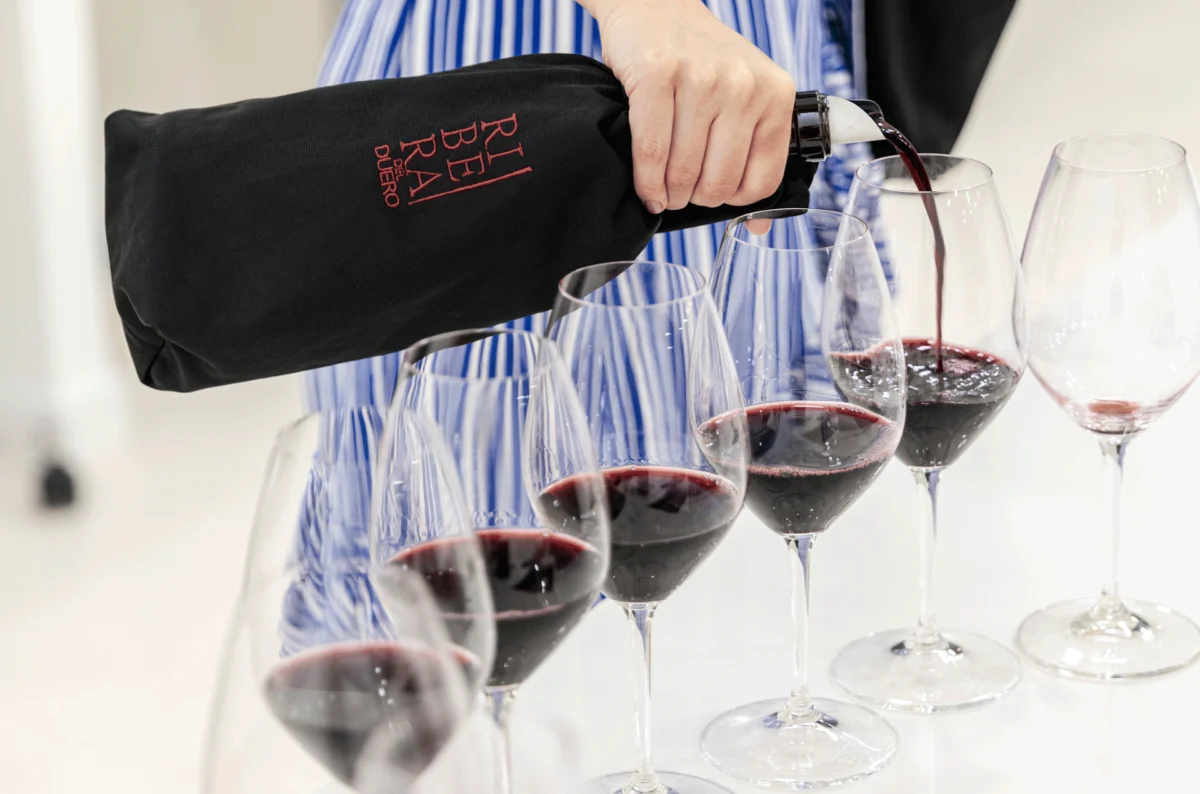
The esteemed Decanter magazine has released the comprehensive score tables for its latest new releases report, spotlighting Crianza, Reserva, and Gran Reserva wines that achieved an impressive 89 points and above. This announcement provides a crucial guide for connoisseurs, trade professionals, and enthusiasts navigating the dynamic landscape of Spanish wine, offering detailed insights into the quality and aging potential of these significant categories. The full tasting notes associated with these high-scoring wines are now available for exploration within Decanter’s extensive Wine Reviews section, allowing for a deeper understanding of each wine’s unique characteristics and provenance.
The Significance of Spanish Wine Classifications: Crianza, Reserva, and Gran Reserva
Understanding the Spanish wine classification system is paramount to appreciating the wines featured in Decanter’s report. These terms – Crianza, Reserva, and Gran Reserva – are not merely marketing labels but legally defined designations that dictate minimum aging requirements, both in oak barrels and in the bottle, before a wine can be released to the market. This system, predominantly associated with Spain’s most renowned wine regions like Rioja and Ribera del Duero, serves as a testament to the country’s commitment to quality and tradition.
Crianza: This designation represents wines that have undergone a minimum aging period, typically two years for red wines, with at least six months spent in oak barrels. In some regions, like Rioja, the oak aging requirement is a minimum of one year. White and rosé Crianza wines usually require a shorter total aging period, often six months in barrel. Crianza wines are generally fruit-forward, approachable, and intended for relatively early consumption, though well-made examples can age gracefully for several years. They offer an excellent introduction to the characteristic oak influence and fruit purity of Spanish wines.
Reserva: Stepping up in complexity and aging potential, Reserva wines are subject to more stringent requirements. For red wines, the minimum aging period is three years, with at least one year in oak barrels and the remainder in the bottle. White and rosé Reserva wines typically require two years of aging, with at least six months in oak. These wines often exhibit greater depth, more pronounced tertiary aromas (such as leather, tobacco, and dried fruit) derived from extended oak and bottle aging, and a more structured palate. Reservas are designed to offer a balance between fruit vibrancy and the elegance imparted by time, making them suitable for cellaring for a decade or more.
Gran Reserva: At the pinnacle of this traditional classification pyramid stands Gran Reserva. These wines are produced only in exceptional vintages from the finest grapes, reflecting a winemaker’s commitment to crafting a long-lived and profound expression of their terroir. For red Gran Reserva wines, the legal minimum aging requirement is five years, including at least two years in oak barrels and three years in the bottle. White and rosé Gran Reservas must age for a minimum of four years, with at least six months in oak. Gran Reservas are characterized by their profound complexity, silky texture, highly integrated oak, and exceptional longevity, often capable of evolving beautifully for several decades. They are typically released much later than their Crianza and Reserva counterparts, offering a mature and refined drinking experience. The decision to produce a Gran Reserva is often contingent on the outstanding quality of a particular harvest, underscoring their rarity and prestige.
Decanter’s Rigorous Evaluation Process and the 100-Point Scale
Decanter’s annual new releases report is a highly anticipated event within the global wine community, underpinned by a rigorous and impartial tasting methodology. The publication employs a panel of experienced wine critics, Masters of Wine (MWs), Master Sommeliers (MSs), and regional specialists – such as Ines Salpico, Decanter’s regional editor for Spain, Portugal, and South America – to conduct blind tastings. This blind format ensures that wines are judged solely on their intrinsic quality, without prejudice based on brand reputation, price, or origin.
The 100-point scoring system, widely adopted across the international wine industry, provides a standardized framework for evaluating wines. While specific interpretations may vary slightly between publications, the general consensus is as follows:
- 95-100 points: Classic, a great wine.
- 90-94 points: Outstanding, a wine of superior character and style.
- 85-89 points: Very good, a wine with special qualities.
- 80-84 points: Good, a solid, well-made wine.
- 75-79 points: Mediocre, a drinkable wine that may have minor flaws.
- 50-74 points: Not recommended.
The threshold of 89 points and above in this Decanter report signifies that all listed wines are considered "very good" to "outstanding," indicating exceptional quality and a strong recommendation from the publication’s expert panel. These scores serve as a reliable indicator for both consumers seeking quality purchases and trade professionals making sourcing decisions.
Chronology and Context of the New Releases Report
Decanter’s new releases reports are typically compiled through a year-round process of tasting newly available wines from various vintages and regions. While the specific timeline for the Crianza, Reserva, and Gran Reserva evaluations is not explicitly detailed, it aligns with the natural release cycles of these wines. Winemakers adhere to strict aging mandates before releasing their wines. For instance, a Gran Reserva from an excellent vintage might only be released five or more years after harvest, often with additional bottle aging by the winery before it reaches the market.
The tasting sessions for such a comprehensive report would have occurred over several months, with different flights of wines tasted and re-tasted to ensure accuracy and consistency. The publication of these scores in a dedicated report follows a meticulous editorial process, culminating in the release of this valuable resource. This systematic approach ensures that the "new releases" genuinely reflect the latest offerings that have completed their required aging and are deemed ready for consumption or further cellaring. The timing of such reports often aligns with key buying periods for the trade and consumers, ensuring maximum relevance and impact.
Broader Impact and Implications for the Wine Industry
The release of high scores from a prestigious publication like Decanter carries significant weight across the entire wine value chain, from producers to consumers.
For Producers:
- Enhanced Reputation and Brand Value: Wineries whose wines achieve high scores gain immediate recognition and prestige. This can significantly elevate their brand’s standing both domestically and internationally.
- Increased Sales and Market Access: High scores often translate directly into increased demand and sales. Retailers and distributors are more likely to stock and promote wines that have received critical acclaim. For smaller or lesser-known wineries, a strong score can be a gateway to new markets and expanded distribution channels.
- Pricing Power: Critically acclaimed wines can often command higher prices, reflecting their perceived quality and desirability. This contributes to the economic viability and sustainability of wineries.
- Validation of Winemaking Philosophy: For winemakers, high scores serve as a powerful validation of their viticultural and enological practices, reinforcing their commitment to quality and specific stylistic expressions.
For Consumers:
- Reliable Buying Guide: Decanter’s scores act as a trusted filter in an often-overwhelming market. Consumers can use these ratings to confidently select wines that meet a certain quality standard, especially when exploring new producers or regions.
- Education and Discovery: The detailed tasting notes, available through Decanter’s Wine Reviews section, offer consumers an educational tool to understand different wine profiles, learn about specific grape varieties, and identify personal preferences.
- Investment Potential: For collectors, high scores can indicate wines with strong aging potential and, in some cases, future appreciation in value, making them attractive investment opportunities.
For the Wine Trade (Retailers, Restaurateurs, Importers):
- Informed Sourcing Decisions: Trade buyers rely on reputable scores to make informed decisions about which wines to add to their portfolios, ensuring they offer quality products to their customers.
- Marketing and Sales Tools: High scores provide compelling marketing material for promoting wines to consumers, often displayed prominently on shelf talkers or wine lists.
- Trend Identification: The aggregated results of such reports can help the trade identify emerging trends, popular styles, and regions gaining prominence, allowing them to adapt their offerings accordingly.
Regional Focus and Winemaking Excellence
While the report covers Crianza, Reserva, and Gran Reserva wines generally, these classifications are most famously and rigorously applied in Spain’s premier appellations. Rioja, for example, is the historical heartland of these aging designations, having codified them into law in the 1970s, though the practices date back much further. Its diverse sub-regions—Rioja Alta, Rioja Alavesa, and Rioja Oriental—each contribute distinct expressions to these categories, influenced by varying altitudes, soil types, and climatic conditions.
Ribera del Duero, another powerhouse of Spanish winemaking, also employs similar aging criteria, though its regulatory body specifies slightly different terms for its wines (e.g., Crianza, Reserva, Gran Reserva are used for wines meeting specific aging minimums, often with a focus on Tempranillo). Other regions, such as Navarra, Valdepeñas, and Penedès (for some still wines), also produce excellent examples within these categories, each adding their unique regional character. The consistent high performance of wines from these established regions in Decanter’s tastings underscores their long-standing commitment to quality and adherence to traditional winemaking principles while also embracing modern advancements.
Producer and Consumer Perspectives on Critical Acclaim
For the wineries, receiving high scores from Decanter is more than just a marketing boon; it’s a recognition of years of hard work, dedication in the vineyards, and meticulous attention in the cellar. While specific statements from producers are not included in the original brief, it can be logically inferred that wineries value such endorsements as a testament to their craft. A high score validates their investments in quality grapes, appropriate oak regimens, and patient aging. It also encourages continued pursuit of excellence.
From a consumer standpoint, the clarity and authority offered by Decanter’s ratings are invaluable. In a market saturated with options, having a curated list of "very good" to "outstanding" wines, particularly within well-understood classifications like Crianza, Reserva, and Gran Reserva, simplifies the decision-making process. It empowers consumers to explore new producers or vintages with confidence, knowing that a respected independent panel has already vetted the quality. This trust builds loyalty not only to the specific wines but also to Decanter as a reliable source of information.
The Future of Spanish Wine and Global Recognition
The continued strong performance of Spanish Crianza, Reserva, and Gran Reserva wines in international tastings like Decanter’s report solidifies Spain’s position as a leading wine-producing nation. It highlights the sustained quality and evolution within its traditional categories, demonstrating that while rooted in history, Spanish winemaking is also dynamic and forward-looking. As global markets increasingly seek wines with authenticity, character, and proven aging potential, these classifications offer a clear value proposition. The detailed insights provided by Decanter’s report will undoubtedly fuel further interest and demand, contributing to the ongoing success and global recognition of Spanish wines.
Accessing Detailed Reviews and Further Exploration
For those keen to delve deeper into the specific characteristics of these highly rated wines, Decanter encourages readers to browse the comprehensive tasting notes available in their dedicated Wine Reviews section. This digital resource offers an invaluable opportunity to explore individual wine profiles, understand the nuances of each score, and gain a richer appreciation for the craftsmanship behind each bottle. From specific vintage details to aromatic descriptors and palate analyses, the full reviews provide the granular information necessary for both professional buyers and enthusiastic consumers to make informed choices. Access to these detailed notes underscores Decanter’s commitment to transparency and comprehensive wine education.