admin
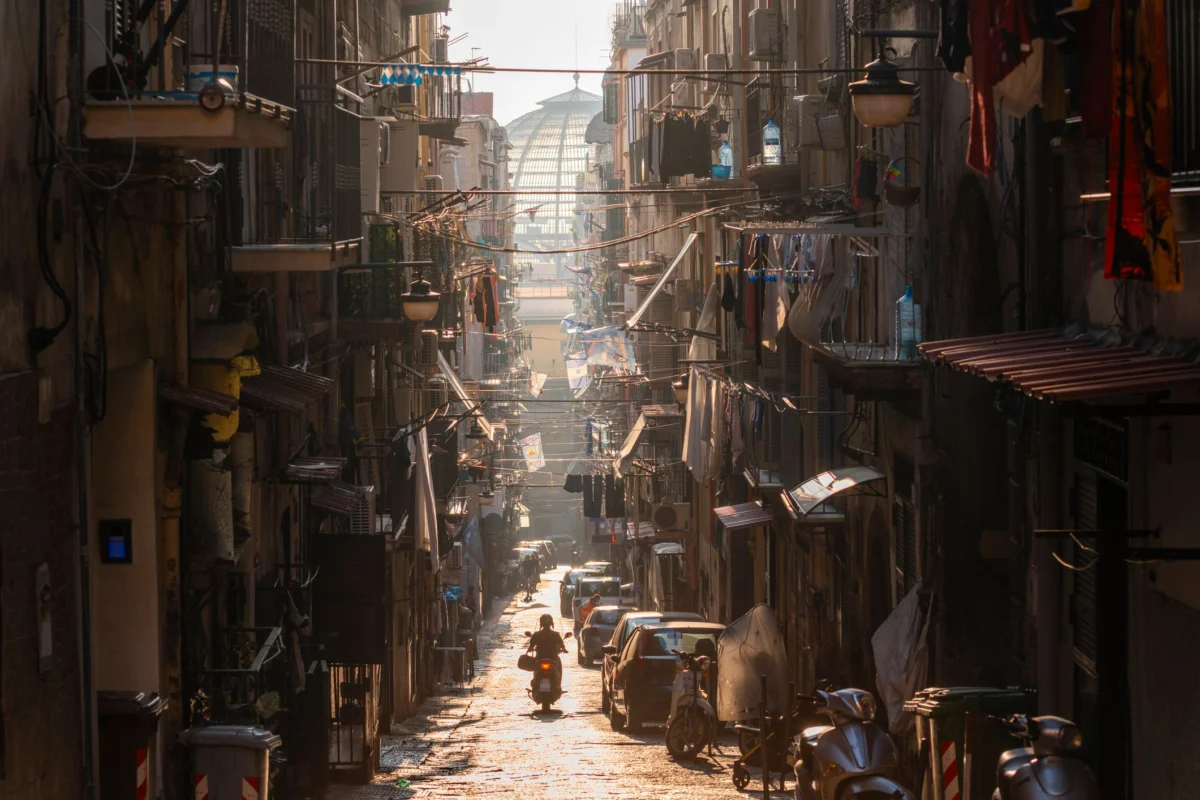
Naples, a city that defies easy categorization, presents a captivating tapestry woven from threads of ancient history, vibrant contemporary culture, and a palpable sense of dynamism. It is a place where the grandeur of centuries-old palaces stands in striking contrast to the grit of revitalized neighborhoods, and where the echoes of ancient Greek origins resonate alongside a burgeoning modern art scene. This complex, multi-layered metropolis, often characterized by its charming contradictions, is undergoing a significant transformation, becoming increasingly accessible and appealing to visitors while retaining its essential, beguiling spirit.
For decades, Naples has been a city of immense historical and cultural significance, yet it has also grappled with perceptions of neglect and urban challenges. However, over the past thirty years, a discernible shift has been underway. Improvements in safety, a concerted effort to enhance tourist infrastructure, and a noticeable increase in cleanliness have contributed to a more welcoming atmosphere. This evolution is not merely superficial; it is deeply embedded in the city’s fabric, from its revitalized cultural institutions to its increasingly sophisticated culinary landscape. The opening of new luxury accommodations, such as the anticipated Rocco Forte hotel in 2027, further underscores this upward trajectory. Moreover, the city is poised to host major international events, including the prestigious America’s Cup in 2027, signaling its growing prominence on the global stage.
While a comprehensive exploration of Naples could easily fill two weeks, a well-structured three-day itinerary can provide an immersive and unforgettable experience. This guide offers a pathway to maximizing a short visit, encouraging visitors to embrace the city’s energy and prepare for a rich and rewarding journey through its historical heart, artistic treasures, and culinary delights.
Day 1: Echoes of History and Artistic Immersion
Morning: Royal Grandeur and Artistic Underground
The day commences at the iconic Gran Caffè Gambrinus, a historic establishment where the authentic Neapolitan experience unfolds at the bar with a robust espresso and a warm cornetto. This is a quintessential local ritual, a moment of connection with the city’s daily rhythm. Across Piazza Trieste e Trento, the imposing Palazzo Reale, with its striking dark grey and red facade, offers a glimpse into the opulent past with its sumptuously appointed Royal Apartments and the ornate Teatrino. Adjacent stands the Teatro San Carlo, one of Italy’s most revered opera houses, a testament to Naples’ enduring legacy in the performing arts. For opera enthusiasts, behind-the-scenes tours or attending a performance provide a deeply enriching cultural immersion.
A short journey via the metro system leads to an extraordinary public art initiative: the Stazione d’Arte. The Toledo station, in particular, is a breathtaking testament to the transformative power of art in urban spaces. Designed by Oscar Tusquets Blanca, its mesmerizing mosaic is just one highlight of a network of stations that have been elevated into public galleries, featuring works by renowned contemporary artists and architects. For the nominal cost of a metro ticket, visitors can experience this unique fusion of functionality and artistic expression, a stark contrast to the city’s notorious traffic congestion, for which the efficient metro system offers a vital respite.

A brief walk north along Via Toledo guides visitors to Via della Pignasecca. Here, the remnants of a vibrant morning market offer a sensory feast: glistening displays of fresh seafood, bountiful piles of seasonal produce, and an eclectic array of goods from traditional tripe to more contemporary offerings. For lunch, the boisterous Trattoria da Nenella, located near Piazza Carità, promises an authentic and spirited Neapolitan dining experience. Despite potential queues, the reward of exquisitely fried anchovies and hearty meatballs in tomato sauce, all at remarkably affordable prices, makes the wait worthwhile. This establishment embodies the unpretentious, flavorful essence of Neapolitan cuisine.
Afternoon: Navigating the Heart of Old Naples
The afternoon is dedicated to exploring the labyrinthine streets of Spaccanapoli, the historic spine of ancient Neapolis. This area is a vibrant microcosm of Naples, where millennia-old monuments intermingle with bustling street food stalls, intimate grocers, former aristocratic residences, and shops selling a diverse range of goods, from religious artifacts to tourist souvenirs. Piazza del Gesù Nuovo, at the western end, is dominated by its eponymous church and an elaborately decorated Rococo obelisk. To the east, the Church and Convent of Santa Chiara beckon with its serene Gothic interior and a cloister adorned with vibrant 18th-century majolica tiles, a tranquil oasis amidst the urban bustle.
No visit to this district is complete without experiencing the Cappella Sansevero, a site of immense artistic and historical significance. This chapel is home to Giuseppe Sanmartino’s sublime 1753 marble masterpiece, the Cristo Velato (Veiled Christ), a sculpture renowned for its breathtaking realism and emotional depth. The intricate detail and lifelike rendering of the veiled figure have captivated visitors for centuries, making it a cornerstone of Neapolitan art pilgrimage.
Continuing along Spaccanapoli, a stop at Gay-Odin, a historic chocolatier, offers a delightful interlude with their renowned chocolate gelato. The journey then leads to the majestic Duomo, the city’s cathedral. Within its gilded confines, the Cappella di San Gennaro, encrusted with gold, stands as a testament to the city’s deep-rooted religious devotion. Beneath the cathedral lie the subterranean Church of Santa Restituita and its 4th-century baptistery, offering further layers of historical discovery.
Nearby, the chapel of Pio Monte della Misericordia houses Caravaggio’s seminal Seven Acts of Mercy, a painting celebrated for its dramatic chiaroscuro and profound humanism. The crumbling Piazza San Girolamini serves as a reminder of Naples’ contemporary artistic interventions, notably Banksy’s Madonna with a Pistol, which appeared on a rear wall in 2004. The archaeological site of San Lorenzo Maggiore provides an unparalleled opportunity to understand the multi-layered history of Naples. Excavations beneath the 13th-century church have unearthed astonishing remains of a Greco-Roman city dating back 2,000 years, offering a tangible connection to the city’s ancient foundations.
Evening: Artisanal Crafts and Culinary Traditions

As evening approaches, a detour down Via San Gregorio Armeno reveals a street dedicated to the art of pastori, the intricate figurines used for Christmas nativity scenes. While many are now mass-produced, a visit to Marco Ferrigno’s workshop at number 10 offers an authentic encounter with traditional craftsmanship. The lively Piazza Bellini transforms into a vibrant evening hub, with terrace tables at Caffè Intramoenia providing an ideal setting for a refreshing Campari spritz, a well-deserved reward after a day of exploration.
For dinner, Europeo di Mattozzi offers a personal favorite for its evocation of elegant old Naples. The classic dishes, such as the sublime melanzane alla parmigiana and the comforting pasta with potatoes and provola cheese, are exceptional. The charming host, Alfonso, and the predominantly local clientele contribute to an authentic and intimate dining experience, a true taste of Neapolitan hospitality.
Day 2: Coastal Charm and Panoramic Vistas
Morning: From Ancient Fortifications to Seaside Strolls
Day two begins at Castel dell’Ovo, a historic fortress perched on the island of Megaris, the legendary birthplace of Parthenope, the city’s ancient namesake. While the castle itself offers limited attractions, its strategic location serves as an ideal starting point for the classic Neapolitan passeggiata along the expansive, traffic-free seafront. This picturesque promenade is lined with restaurants and cafés, their terraces offering sun-drenched spots for a cappuccino and breathtaking views of the Bay of Naples. The Borgo Marinari, a charming fishing hamlet adjacent to the castle, adds to the idyllic setting.
The exploration then extends to the delightful neighborhood of Chiaia, a network of charming cobbled lanes housing independent boutiques, stylish bars, and intimate restaurants. Via dei Mille and Via dei Filangeri are particularly known for their designer fashion and sophisticated art galleries. A visit to Marinella, a historic shop specializing in handmade silk ties, offers the opportunity to find exquisite gifts. For a quick and delicious seafood lunch, Pescheria Mattiucci provides a counter-perch experience with fresh catches paired with a chilled white wine.
Afternoon: Seaside Retreats and Artistic Heights
Depending on the weather and energy levels, the afternoon offers a choice of experiences. For those seeking relaxation, a westward journey to the upscale seaside suburb of Posillipo leads to Bagno Sirena, where sunbeds and umbrellas can be rented for a leisurely afternoon by the sea. Alternatively, a ride on the Funicolare di Chiaia ascends to the verdant neighborhood of Vomero, home to the Certosa di San Martino. This former Carthusian monastery complex is a treasure trove of art and history, featuring an ornate church, several museums, serene cloisters, and the poignant Monk’s Cemetery adorned with marble skulls. The site also boasts panoramic views encompassing the entire waterfront and extending to the Sorrentine Peninsula. Nearby, Friggitoria Vomero, one of the city’s few remaining authentic "frying shops," offers a taste of local street food culture with its sizzling snacks, conveniently located for the descent back down the hill.

Evening: Chiaia’s Chic Nightlife and Seafood Delights
As dusk settles, Chiaia’s quiet lanes transform into a vibrant nightlife destination. From aperitivo hour onwards, the area buzzes with well-dressed locals and visitors seeking an enjoyable evening. Antiquario, a retro-glamorous cocktail bar, is a premier destination, where immaculately dressed bartenders craft exceptional Negronis. A short stroll leads to Ristorante Dora, a small establishment operating since 1973, renowned for its textbook renditions of classic fish and seafood dishes, such as spaghetti alle vongole. The evening can conclude with a nightcap in Chiaia, following the sounds of music and revelry.
Day 3: Raw Authenticity and Archaeological Wonders
Morning: Discovering the Rione Sanità
The Rione Sanità, a densely populated and historically overlooked district, offers a raw and authentic glimpse into Neapolitan life. Once a no-go area for tourists, it has gradually revealed its hidden treasures. A breakfast at Pasticceria Popella on Via Arena alla Sanità is essential for sampling their famous sfogliatelle and the delicate, cream-filled fiocchi di neve. The exploration continues through the bustling market stalls and tiny shops of Via dei Vergini, where the grand entrance to the Palazzo dello Spagnuolo, with its iconic "flying staircase" designed by Ferdinando San Felice, is a notable architectural highlight.
Amidst the lively chaos of tooting cars and buzzing Vespas, artistic gems await discovery. The recently restored Ipogeo dei Cristallini, a 2,400-year-old underground burial site, offers a fascinating glimpse into ancient funerary practices. The Cimitero delle Fontanelle, an atmospheric ossuary filled with countless skulls and bones, provides a unique and somewhat macabre, yet profoundly moving, experience. The labyrinthine Catacombs of San Gaudioso, located beneath the Basilica of Santa Maria della Sanità, offer further subterranean exploration of the city’s early Christian history.
Afternoon: Pizza Perfection and Ancient Masterpieces
A visit to the Sanità district is incomplete without indulging in the legendary pizza at Concettina ai Tre Santi, Ciro Oliva’s celebrated establishment. Booking in advance is highly recommended for their tasting menus, which showcase an endless succession of inventive pizza creations. This pizzeria has become a pilgrimage site for pizza aficionados, representing the pinnacle of Neapolitan pizza artistry.

The afternoon is dedicated to the Naples National Archaeological Museum (MANN), which houses one of the world’s most significant collections of ancient art and artifacts. This museum is a must-visit for any exploration of the region’s history. Highlights include monumental Roman sculptures, the intriguing collection of ancient erotica in the Gabinetto Segreto, and the dazzling mosaics, wall paintings, and bronzes recovered from the remarkably preserved sites of Pompeii and Herculaneum. These artifacts provide an unparalleled window into the daily lives, artistic achievements, and social structures of these ancient Roman cities, tragically preserved by the eruption of Mount Vesuvius.
Before departing, a visit to Omega, a family-run glove business established in 1923, offers the opportunity to purchase exquisite handmade gloves at factory prices. Finally, a moment of tranquility can be found in the surprisingly peaceful oasis of the Orto Botanico gardens, a verdant sanctuary on the traffic-choked Via Foria, offering a gentle conclusion to the day’s explorations.
Evening: A Farewell with Michelin-Starred Views
For a final flourish, the Grand Hotel Parker’s, situated on the ascent to Vomero, provides a sophisticated setting. The rooftop terrace offers cocktails and light bites against a backdrop of unforgettable panoramic views. On the floor below, Chef Domenico Candela, a two-Michelin-star recipient, presents an exquisite interpretation of local cuisine, blending traditional flavors with contemporary culinary innovation. This dining experience serves as a fitting culmination to a journey through Naples, a city that continues to captivate and inspire with its enduring spirit and evolving identity. The adage, "See Naples and die," while dramatic, hints at the profound and indelible impression this extraordinary city leaves upon its visitors.