admin
The esteemed wine publication Decanter has released its highly anticipated score tables for the Ribera del Duero 2026 new releases report, focusing initially on red wines categorized "without an ageing category" that achieved scores of 89 points and above. This significant publication offers a crucial insight into the evolving landscape of one of Spain’s most prestigious wine regions, providing an early assessment of vintages poised to capture global attention. The detailed report, spearheaded by regional experts including Maria José Huertas, represents a meticulous evaluation process, offering a benchmark for both industry professionals and discerning consumers. While this initial release highlights the younger, more immediate expressions of Ribera del Duero’s winemaking prowess, comprehensive score tables for the Crianza, Reserva, and Gran Reserva wines are also available, ensuring a holistic overview of the region’s diverse offerings across various ageing classifications.
Ribera del Duero: A Cornerstone of Spanish Viticulture
Ribera del Duero, a Denominación de Origen (DO) established in 1982, has rapidly ascended to global prominence, challenging traditional perceptions of Spanish wine and carving out a distinct identity rooted in its unique terroir and the dominant Tempranillo grape, locally known as Tinto Fino. Located on the high plateau of Castilla y León, straddling the Duero River, the region benefits from extreme continental climatic conditions characterized by hot, dry summers and harsh, cold winters, coupled with significant diurnal temperature shifts. These dramatic temperature swings, especially during the ripening season, are instrumental in developing the grapes’ aromatic complexity, concentrated fruit flavors, and firm tannic structure, contributing to wines of remarkable depth and longevity. The diverse soils, ranging from limestone and marl to clay and sand, further contribute to the nuanced expressions found across the DO’s approximately 23,000 hectares of vineyards.
The region’s history of viticulture dates back centuries, with evidence of Roman vineyards, but it was in the latter half of the 20th century that Ribera del Duero truly began to forge its modern identity. Pioneering wineries like Vega Sicilia, which predates the DO, laid the groundwork for quality, inspiring a new generation of winemakers to elevate the region’s potential. Today, Ribera del Duero boasts over 300 wineries, from venerable estates to innovative boutique producers, all contributing to its dynamic viticultural scene. The wines, primarily red, are renowned for their robust character, often showcasing notes of dark berries, plum, tobacco, leather, and vanilla, frequently framed by a backbone of well-integrated oak. While Tempranillo is king, small amounts of Cabernet Sauvignon, Merlot, Malbec, and Garnacha Tinta are also permitted in red blends, alongside the white Albillo Mayor grape, which can also be used in tiny proportions in some red wines according to tradition.
Decanter’s Authoritative Role in Wine Criticism
Decanter, founded in 1975, stands as one of the world’s leading wine media brands, renowned for its independent and authoritative wine reviews, news, and educational content. Its influence stems from a rigorous tasting methodology, a panel of highly respected critics, and a commitment to impartiality. Decanter’s tasting panels comprise Masters of Wine, Master Sommeliers, and other industry experts who evaluate wines through blind tastings, ensuring objective assessment free from brand bias. The 100-point scoring system employed by Decanter is widely recognized and understood, providing a clear indication of quality, with scores of 89 points and above generally denoting wines of very good to outstanding quality.
The publication of regional reports, such as this one on Ribera del Duero, serves multiple critical functions. For consumers, they act as indispensable buying guides, helping navigate the vast and often complex world of wine. For producers, a strong Decanter score can significantly impact market visibility, sales, and international reputation, often leading to increased demand and premium pricing. For the wine trade, these reports offer vital market intelligence, informing purchasing decisions and shaping inventory strategies. The extensive reach of Decanter, both in print and digital formats, ensures these assessments resonate globally, providing a significant platform for regions like Ribera del Duero to showcase their latest releases.
The 2026 New Releases Report: A Deep Dive into Unaged Reds
The specific focus on red wines "without an ageing category" in this initial segment of the Ribera del Duero 2026 report is particularly insightful. These wines, often released earlier, represent the freshest expressions of the vintage, showcasing the primary fruit characteristics and the immediate impact of the terroir and winemaking choices. They offer a snapshot of the raw quality of the grapes and the winemaker’s ability to craft approachable yet complex wines without the influence of extended barrel or bottle ageing. This category typically includes Joven (young) wines, which may see minimal or no oak, or wines that simply do not adhere to the specific ageing requirements of Crianza, Reserva, or Gran Reserva, allowing for greater stylistic freedom.
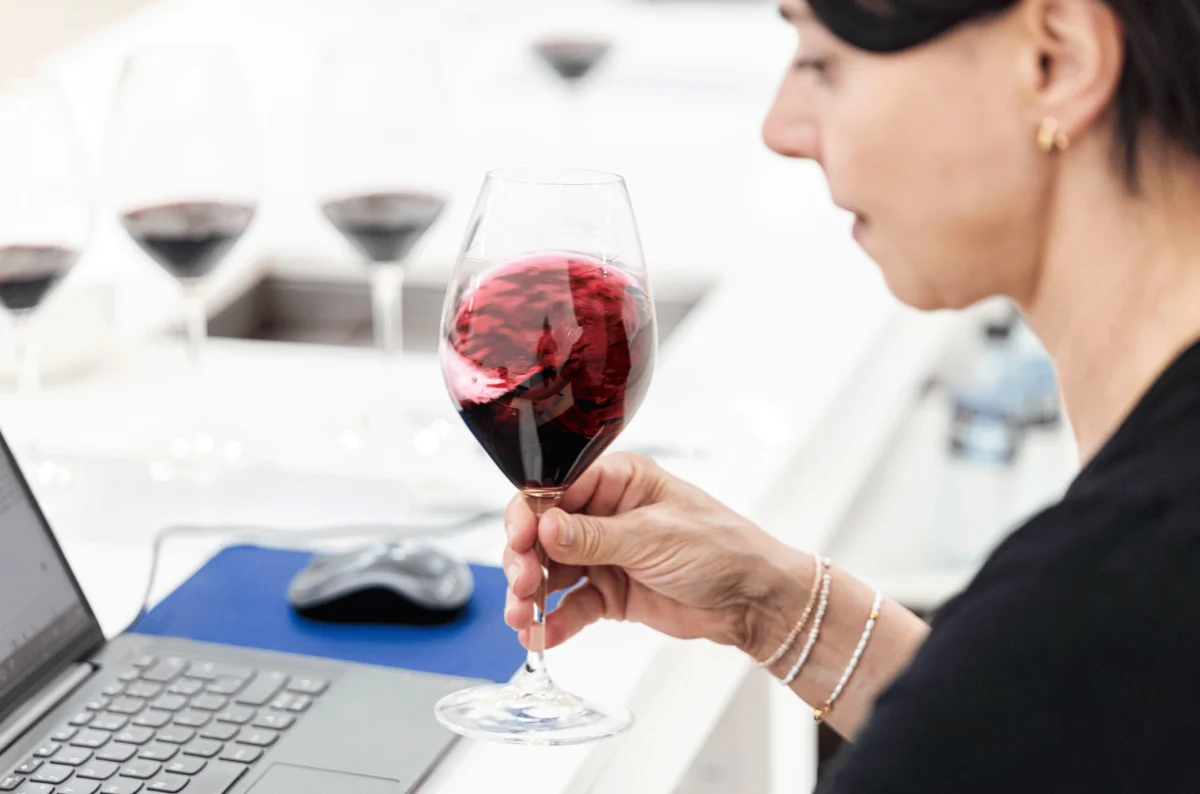
Maria José Huertas, a highly respected figure in Spanish wine circles, played a pivotal role in the tasting process for this report. Her expertise, honed over years of dedicated engagement with Spanish viticulture, provides invaluable depth to Decanter’s assessments. As a specialist in the nuances of Spanish terroir and winemaking, her palate is attuned to the subtle variations that define quality and authenticity in wines from regions like Ribera del Duero. Her involvement ensures that the report reflects a deep understanding of the local context and evolving winemaking trends. Ines Salpico, Decanter’s regional editor for Spain, Portugal, and South America, oversees the broader editorial direction and strategic coverage of these vital regions, ensuring consistency and relevance in Decanter’s reporting. Her background as a sommelier in Michelin-starred establishments further strengthens Decanter’s critical lens, bridging the gap between critical assessment and practical market application.
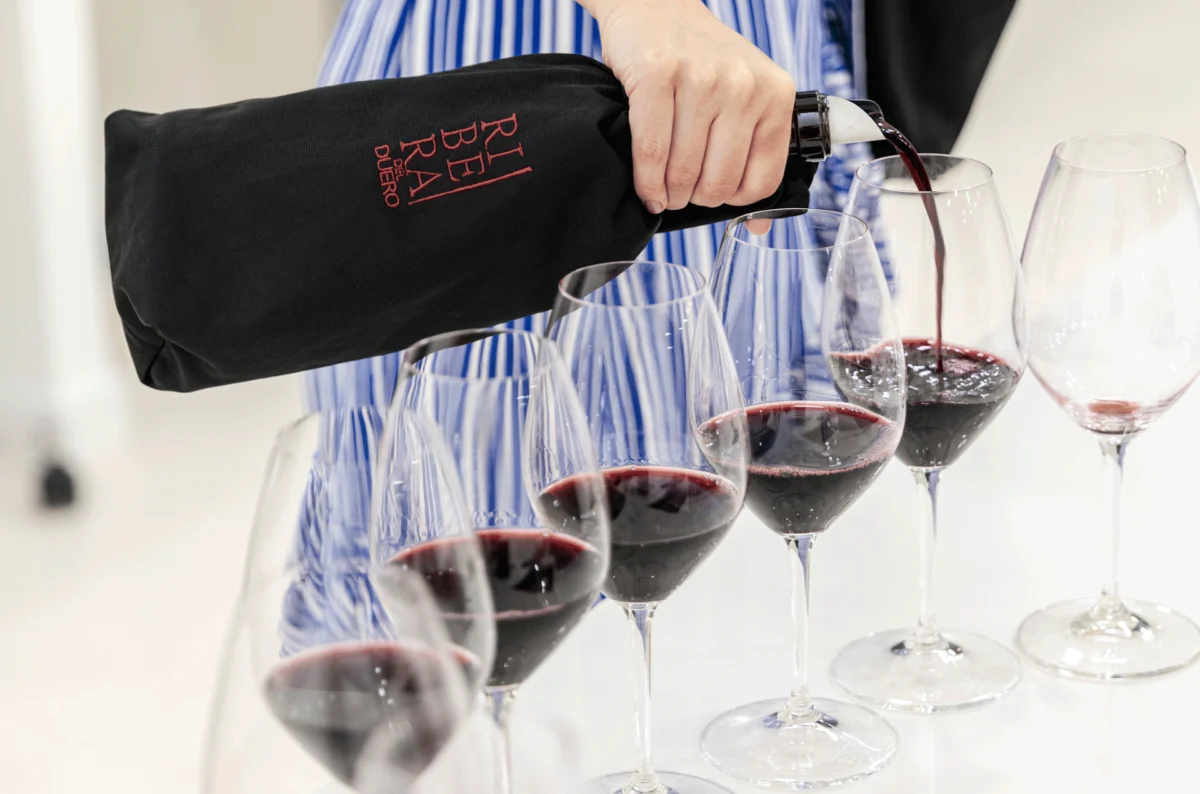
The tasting process for a report of this magnitude is exhaustive. It typically involves multiple rounds of blind tastings over several weeks or months, with wines grouped by vintage, style, and sometimes price point. Each wine is meticulously assessed for its appearance, aroma, palate, and finish, with detailed tasting notes recorded alongside the scores. Only wines achieving 89 points or higher are featured in the published score tables, signifying a rigorous selection process that highlights only the most commendable examples. This meticulous approach underscores Decanter’s commitment to providing reliable and trustworthy recommendations.
Chronology of a Decanter Report
The journey from vineyard to published report is a lengthy and precise one. While the exact timeline varies, a typical cycle for a new releases report might look like this:
- Late Vintage Year (e.g., late 2023 for a 2026 report): Winemakers complete fermentation and initial ageing for their Joven (young) wines, which are often the first to be bottled and released.
- Early-to-Mid 2024: Wineries submit their new release samples (including unaged reds, and later, Crianza, Reserva, and Gran Reserva candidates) to Decanter for consideration. This often involves significant logistical coordination, especially for international publications.
- Mid-to-Late 2024: Decanter’s regional editors and tasting panels, including experts like Maria José Huertas, conduct extensive blind tastings. This phase is critical, involving meticulous evaluation, note-taking, and scoring. For a report covering 2026 releases, this implies tasting wines that are still very young but show promise for future development.
- Late 2024 – Early 2025: Editorial teams, led by regional editors such as Ines Salpico, compile the scores, synthesize tasting notes, and draft analytical articles that provide context and trends. This involves cross-referencing data, validating information, and ensuring accuracy.
- Mid 2025: The report undergoes final editing, layout, and preparation for publication. This includes designing the score tables, selecting images, and ensuring all content adheres to Decanter’s editorial standards.
- Late 2025 – Early 2026: The report is officially published, often in stages, with specific categories or regions highlighted. The "Ribera del Duero 2026 New Releases Report" signifies that these are wines expected to be at their peak or widely available around 2026, or represent the vintage from which subsequent aged wines will emerge. The initial release of unaged reds often precedes the more aged categories.
Anticipated Reactions and Broader Implications
The release of Decanter’s Ribera del Duero report is always met with keen interest across the wine world. Producers in the region eagerly await the scores, as strong endorsements can significantly boost sales and international profile. Wineries achieving high scores will undoubtedly leverage this critical acclaim in their marketing efforts, both domestically and in key export markets such as the United States, United Kingdom, and Germany. Conversely, producers whose wines do not score as highly may use the feedback to refine their winemaking techniques and adapt to evolving critical preferences.
Officials from the Consejo Regulador de la Denominación de Origen Ribera del Duero are expected to welcome the report as a testament to the region’s consistent quality and dynamic evolution. An official statement from the DO is likely to emphasize the importance of independent critical assessment in elevating the region’s global standing. "Decanter’s rigorous reports provide invaluable validation for the hard work and dedication of our winemakers," an inferred statement from the DO’s General Director might read. "The focus on our unaged reds showcases the immediate vibrancy and exceptional fruit quality that defines Ribera del Duero, offering consumers a fresh perspective on our diverse portfolio. We are confident that these high scores will further solidify our position as a leading producer of world-class wines."
Retailers and restaurateurs will also pay close attention to the report, using it to inform their purchasing decisions and curate their wine lists. Wines with high Decanter scores often become easier to sell, as consumers trust the recommendations of respected critics. This can lead to increased demand for specific producers and vintages, potentially influencing market prices. Distributors, too, rely on such reports to identify promising new releases and strategize their import and distribution plans.
From a broader industry perspective, the report reinforces Ribera del Duero’s commitment to quality and innovation. The inclusion of an "unaged" category highlights a growing trend towards showcasing wines that are expressive in their youth, appealing to a segment of consumers who prefer fresher, fruit-forward styles. This diversification within the region’s offerings demonstrates its adaptability and willingness to explore different winemaking philosophies while maintaining its core identity. The report also serves as a barometer for the overall health and direction of the Spanish wine industry, offering insights into vintage quality and stylistic trends that extend beyond Ribera del Duero itself.
The Future of Ribera del Duero and Critical Assessment
As Ribera del Duero continues to evolve, embracing both tradition and innovation, the role of independent critical assessment, exemplified by Decanter’s reports, remains paramount. These comprehensive evaluations not only celebrate the achievements of individual wineries but also contribute to the collective reputation and economic vitality of the entire DO. The 2026 New Releases Report, with its initial focus on the vibrant unaged red wines, provides a compelling narrative of a region that continues to push boundaries while honoring its profound heritage. As subsequent sections of the report delve into the complexities of Crianza, Reserva, and Gran Reserva wines, the full picture of Ribera del Duero’s impressive viticultural landscape will undoubtedly emerge, further solidifying its esteemed place on the global wine stage. The detailed insights and high scores will continue to guide consumers towards exceptional wines and inspire producers to strive for even greater heights.