admin
The consumer electronics landscape in 2024 is undergoing a significant paradigm shift as manufacturers move away from purely specification-driven marketing toward a philosophy of aesthetic integration and tactile satisfaction. As technology becomes increasingly woven into the fabric of daily existence, the "Design Milk 2024 Tech Gift Guide" highlights a curated selection of 18 products that prioritize form and sensory experience alongside functional utility. This transition reflects a broader market trend where hardware is no longer viewed merely as a tool, but as a decorative and ergonomic component of the modern home and workspace. From the resurgence of analog-inspired interfaces to the adoption of "calm technology" that minimizes digital distraction, this year’s top-tier offerings represent a sophisticated blend of nostalgia, luxury, and innovative engineering.

The Resurgence of Physicality and Retro-Futurism
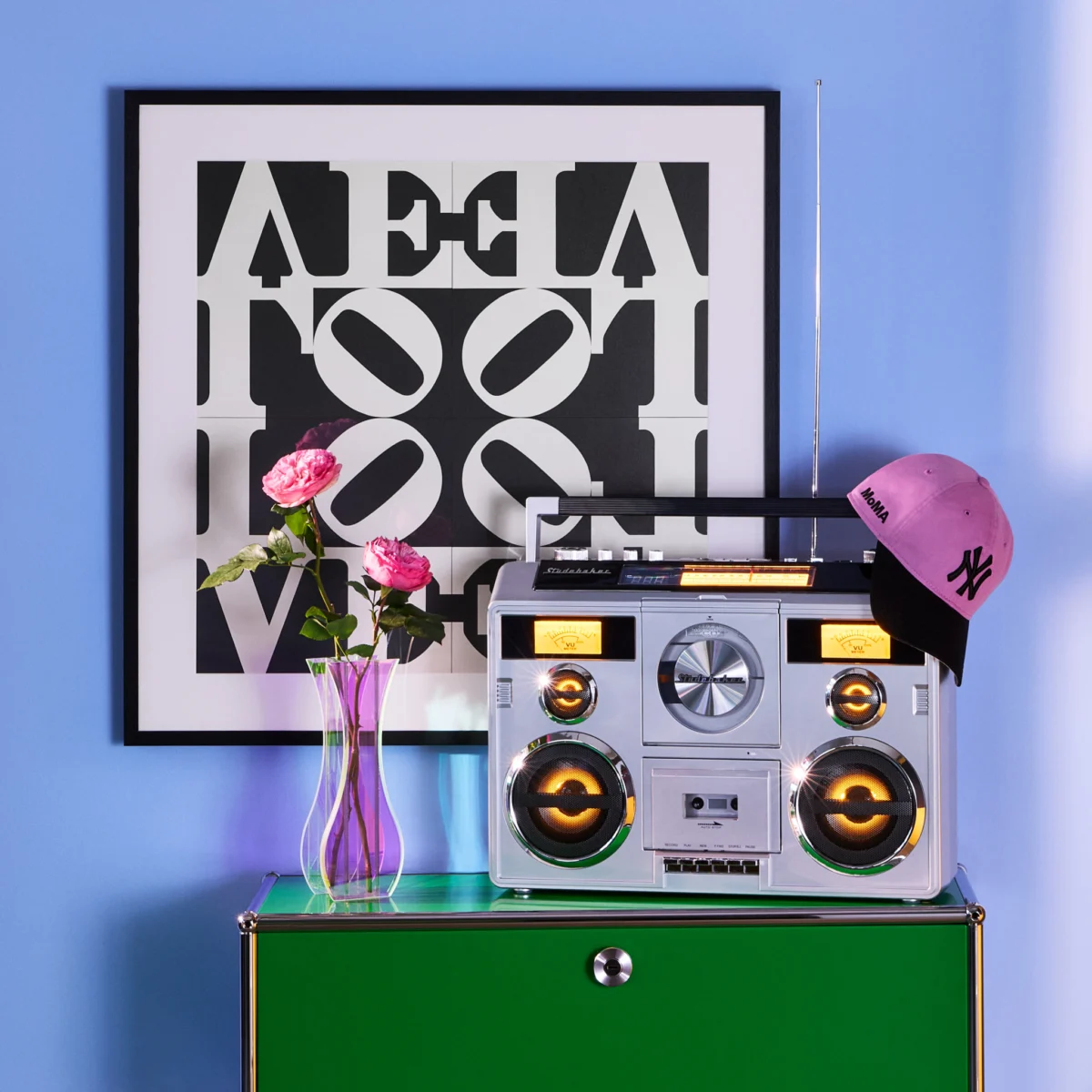
A primary theme in the current technology market is the deliberate return to physical controls and retro-inspired aesthetics. This movement is exemplified by the Studebaker SB214OS Bluetooth Boombox, a device that bridges the gap between 1980s street culture and contemporary connectivity. Retailing for $250 through the MoMA Design Store, the unit features oversized speakers and analog VU meters, yet incorporates modern necessities such as Bluetooth, USB playback, and a rechargeable battery. This trend is supported by data from the Recording Industry Association of America (RIAA), which has noted a consistent year-over-year increase in physical media sales, including a surprising resilience in cassette tape demand among Gen Z and Millennial demographics.
Similarly, the ModRetro Chromatic handheld gaming console serves as a high-fidelity tribute to the original Game Boy era. By utilizing a magnesium-alloy body and a pixel-perfect display designed for original cartridges, ModRetro targets the enthusiast market that values the authentic tactile experience of 1990s gaming. The inclusion of translucent shells further taps into the "clear tech" aesthetic that dominated late-20th-century design, signaling a desire among consumers to see the internal craftsmanship of their devices.

The 8BitDo Retro Mechanical Keyboard N Edition follows this trajectory, borrowing the visual language of the original Nintendo Entertainment System (NES). Priced at $79.99, it integrates arcade-style programmable buttons and mechanical switches, catering to the growing "mechanical keyboard" subculture that prioritizes auditory and haptic feedback over the silent, membrane-based keyboards common in modern laptops.

Health, Wellness, and the Science of Recovery
The 2024 gift guide also emphasizes the integration of sophisticated medical and wellness technology into user-friendly consumer devices. The Therabody CryoTherm Palm represents a significant advancement in athletic recovery. Unlike traditional ice baths or bulky compression gear, this $399.99 handheld device utilizes temperature-controlled surfaces to manage body heat via the palms. This approach is rooted in physiological research—specifically studies originating from Stanford University—suggesting that cooling the palms is one of the most efficient ways to lower core body temperature and improve exercise volume.

In the skincare sector, the Shark CryoGlow Plus LED Face Mask illustrates how clinical-grade technology is being miniaturized for home use. By combining multi-spectrum LED light therapy with under-eye cooling pads, the device addresses both long-term skin health and immediate inflammatory concerns. This product enters a market that has seen double-digit growth as consumers increasingly opt for at-home "dermaceutical" treatments over professional clinic visits.

Longevity and the Luxury Audio Segment
In an era often criticized for "planned obsolescence," certain manufacturers are pivoting toward sustainability and long-term value. The Bang & Olufsen Beoplay H100 headphones, positioned at a luxury price point of $2,200, are engineered with modularity at their core. The Danish firm has designed the H100 so that key components—including the ear cushions, headband, and batteries—can be replaced by the user or a technician.
This move toward "circular design" is a response to increasing regulatory pressure, particularly in the European Union, regarding the "Right to Repair." By utilizing titanium drivers and high-grade leather, B&O is positioning the H100 not as a disposable electronic gadget, but as a legacy audio instrument. Market analysts suggest that high-net-worth individuals are increasingly seeking these "investment pieces" that promise a lifespan of a decade or more, contrasting with the two-to-three-year cycle of standard wireless earbuds.

The Rise of Calm Technology and Digital Minimalism
As digital fatigue becomes a documented psychological phenomenon, a new category of "calm technology" has emerged. The Mudita Kompakt smartphone is a flagship example of this movement. Eschewing the vibrant, high-refresh-rate OLED screens of traditional smartphones, the Kompakt features a 4.3-inch E Ink display. This choice is intentional; E Ink does not emit blue light in the same manner as LCDs and provides a paper-like reading experience that reduces eye strain and cognitive load.

The Mudita Kompakt includes a physical "offline switch," allowing users to instantly sever all wireless connections. This reflects a growing consumer segment—often referred to as the "Digital Detox" movement—that seeks to reclaim focus without entirely sacrificing the safety and convenience of a mobile device. Supporting this trend, the Wallie 10 Digital Photo Frame also utilizes E Ink technology to display photographs. By mimicking the appearance of printed ink on paper, the Wallie 10 avoids the "glowing rectangle" effect that often makes digital frames feel out of place in a thoughtfully designed living space.

Integration of Artificial Intelligence in Wearables and Tools
Artificial Intelligence (AI) continues to be a dominant force, but in 2024, the focus has shifted toward subtle integration. The Intelligent Eyewear collection by Warby Parker, developed in collaboration with Google and Samsung, incorporates Gemini AI into classic optical frames. Starting at $395, these glasses allow for hands-free photography and navigation without the intrusive "cyborg" aesthetic of earlier smart glasses.

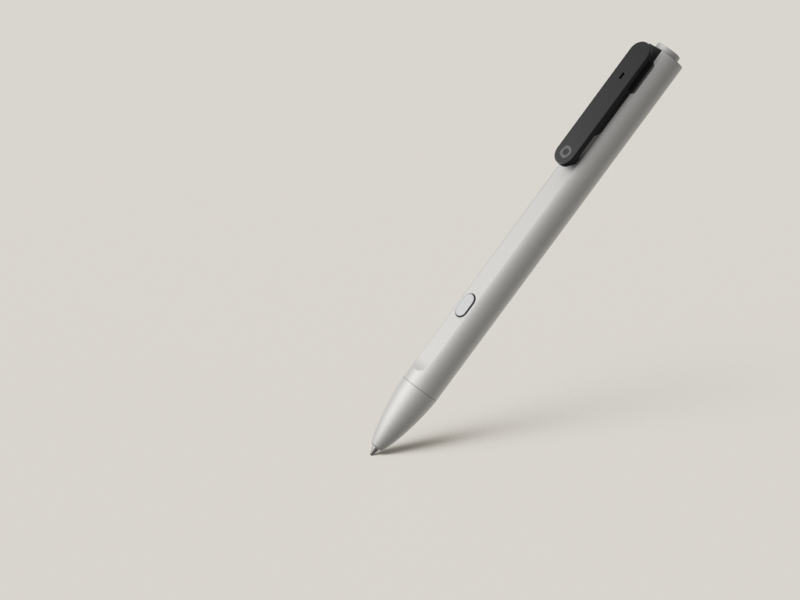
Furthermore, the Flowtica Scribe AI Recording Pen demonstrates how traditional analog tasks are being augmented by machine learning. While functioning as a standard ballpoint pen, it records audio and uses a companion app to generate summaries and action items. This product targets professionals who prefer the cognitive benefits of handwriting notes but require the efficiency of digital transcription.

A Chronology of Design Integration: 2010–2024
The current state of design-forward tech is the result of a fifteen-year evolution in consumer electronics:

- 2010–2015: The Era of Minimalism. Following the success of the iPhone, the industry moved toward "black glass slabs" and hidden interfaces. Design was synonymous with simplification.
- 2016–2020: The Smart Home Explosion. Tech began entering every room of the house. However, many devices remained utilitarian and visually disruptive, often clashing with interior decor.
- 2021–2023: The Pandemic Pivot. As the home became the office and the gym, consumers began demanding tech that looked like furniture. There was a surge in "warm" materials like wood, fabric, and aluminum.
- 2024–Present: The Sensory Era. The current market values haptics, specialized displays (like E Ink), and "slow" interactions. There is a recognized value in the "click" of a dial and the "thrum" of a mechanical switch.
Market Analysis and Broader Implications
The shift toward design-centric technology has profound implications for the global supply chain and environmental sustainability. When products are designed to be "worth paying attention to," as the Design Milk guide suggests, they are less likely to be treated as ephemeral commodities.

Data from holiday spending forecasts indicates that while overall consumer electronics sales may see modest growth, the "premium aesthetic" sub-sector is expected to outperform the general market. Consumers are reportedly willing to pay a 15-25% premium for devices that offer superior material quality and aesthetic harmony with their homes.

Furthermore, the integration of technology into unexpected objects—such as the Birdfy Feeder Wood—suggests that the "Internet of Things" (IoT) is entering a mature phase. No longer restricted to thermostats and security cameras, smart tech is now being applied to traditional hobbies like birdwatching. By combining FSC-certified wood with a 1080p AI-powered camera, Birdfy has created a product that appeals to conservationists and tech enthusiasts alike.

Conclusion and Editorial Perspective
The 18 products selected for this year’s guide—ranging from the $59 Bellroy Tech Kit to the $2,200 Beoplay H100—illustrate that the distinction between "tech" and "lifestyle" has effectively vanished. Whether it is the sculptural presence of the DailyObjects Surge wireless charger or the ambient soundscapes of the Balmuda Clock, modern electronics are being judged by their ability to enhance an environment rather than just provide a service.

As the industry moves toward 2025, the focus is expected to remain on repairability, the reduction of digital friction, and the elevation of everyday objects through thoughtful industrial design. The 2024 holiday season serves as a benchmark for this new era, where the most successful products are those that understand that technology is at its best when it respects the human desire for beauty, tactility, and simplicity.