admin
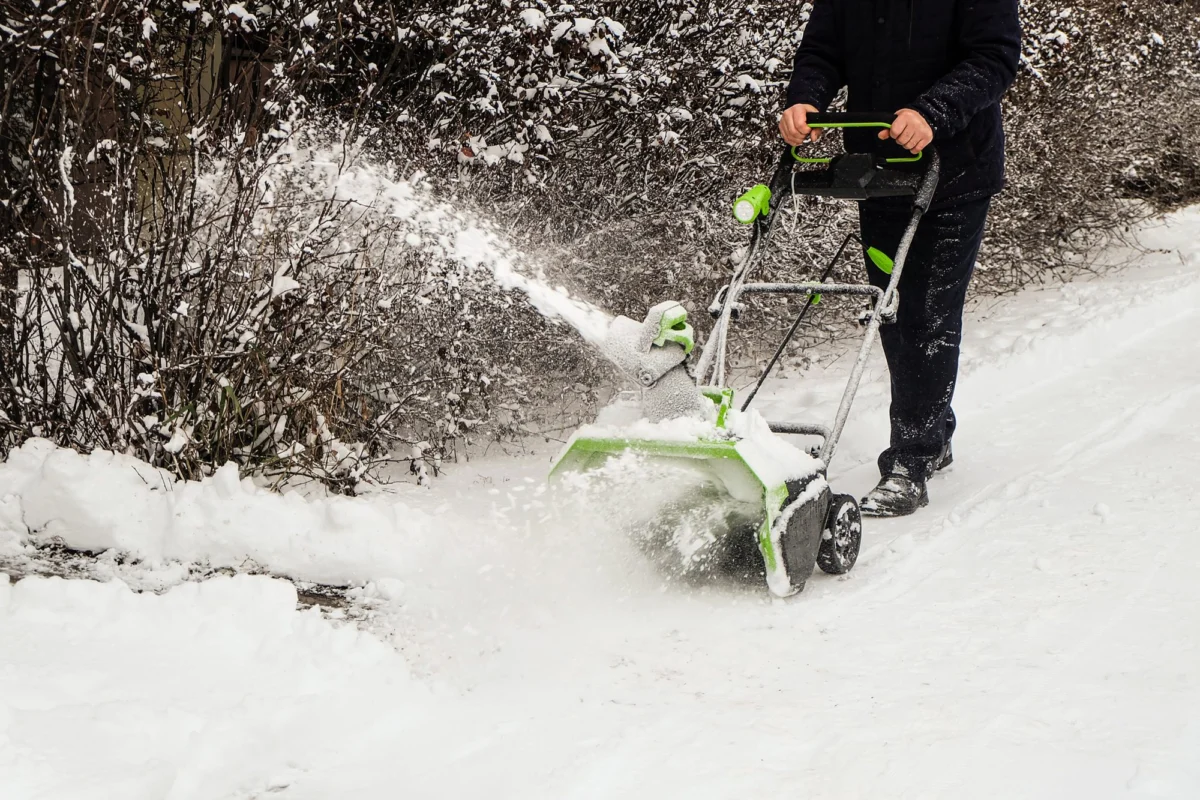
The arrival of the first major winter storm often serves as a stressful litmus test for homeowner preparedness, frequently revealing neglect in the maintenance of essential snow removal equipment. As temperatures drop and the likelihood of accumulation increases, the transition from autumn to winter necessitates a rigorous mechanical audit of snow blowers to ensure operational reliability. Small engine failure during a blizzard is more than a mere inconvenience; it represents a significant logistical hurdle that can impact property safety, emergency access, and physical well-being. To mitigate these risks, industry experts emphasize a proactive maintenance schedule that addresses fuel chemistry, mechanical integrity, and the specific requirements of modern battery-powered technology.
According to Sean Dwyer, senior product manager for commercial and residential wheeled products at Husqvarna Group North America, the window of opportunity for maintenance is narrow but critical. By prioritizing a specific sequence of tune-up tasks, homeowners can extend the lifespan of their machinery and ensure that when the first snowflake falls, their equipment is ready to perform under duve-intensive conditions.
The Chemistry of Engine Failure: Fuel Management and Stabilization
The most prevalent cause of snow blower malfunction is the degradation of fuel during the off-season. Gasoline is a volatile mixture of hydrocarbons that begins to oxidize and lose its potency in as little as 30 days. When left in a fuel tank over several months, the lighter components of the gasoline evaporate, leaving behind a gummy, varnish-like residue that can obstruct the narrow passages of the carburetor.
Dwyer notes that the quality of fuel is paramount. He recommends using premium-grade, non-ethanol blends whenever possible. Ethanol, while common in modern pump gas (often found in E10 or E15 blends), is hygroscopic, meaning it actively attracts moisture from the air. In the cold, damp environment of a garage or shed, this moisture can lead to phase separation, where a water-ethanol mix settles at the bottom of the tank, leading to corrosion and preventing the engine from starting.
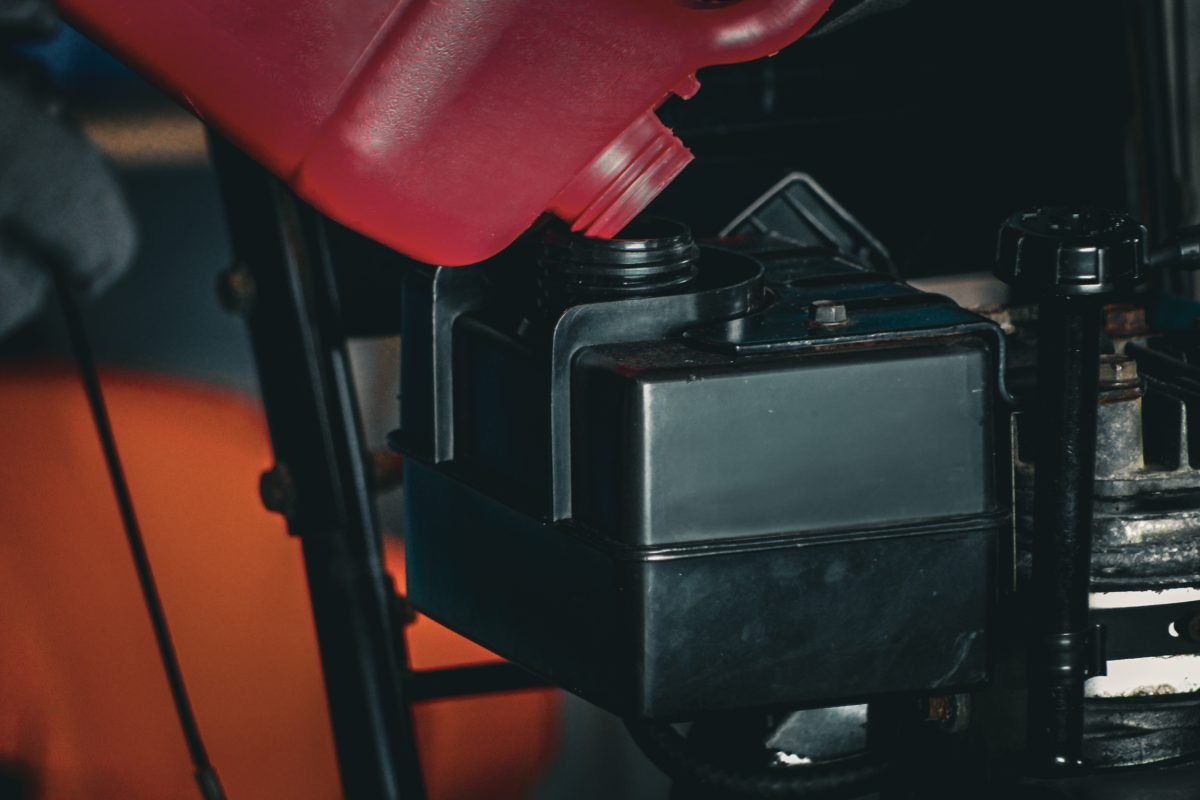
To combat this, the "30-day rule" should be strictly observed. If fuel has been sitting in the unit since the previous spring, it should be drained and replaced with fresh gasoline. For long-term protection, the use of a fuel stabilizer is essential. Stabilizers contain antioxidants and corrosion inhibitors that can extend the shelf life of gasoline to six months or even a year. Alternatively, many professionals now advocate for "canned fuel"—pre-mixed, ethanol-free high-octane fuel sold in sealed containers—which remains stable for years and is ideal for the sporadic use typical of snow blowers.
The Mechanical Audit: Oil, Spark Plugs, and Belts
A comprehensive seasonal pre-check involves more than just a fresh tank of gas. The internal combustion engine of a snow blower operates under extreme thermal stress, moving from freezing ambient temperatures to high operating heat in minutes. This necessitates a close inspection of the engine oil. Unlike automotive engines that may run for thousands of miles between changes, small engines rely on a relatively small volume of oil for both lubrication and cooling.
Dwyer recommends checking the oil level and clarity before the first start. If the oil appears dark or gritty, a full oil change is required. Synthetic oils, such as 5W-30, are often preferred for winter use because they maintain a lower viscosity in extreme cold, allowing for easier pull-starting and faster lubrication of internal components upon ignition.
Beyond the engine, the drive system requires attention. This includes:
- Spark Plug Inspection: A fouled or corroded spark plug can prevent ignition. Experts suggest replacing the spark plug annually or at least cleaning it and checking the gap to ensure a strong spark.
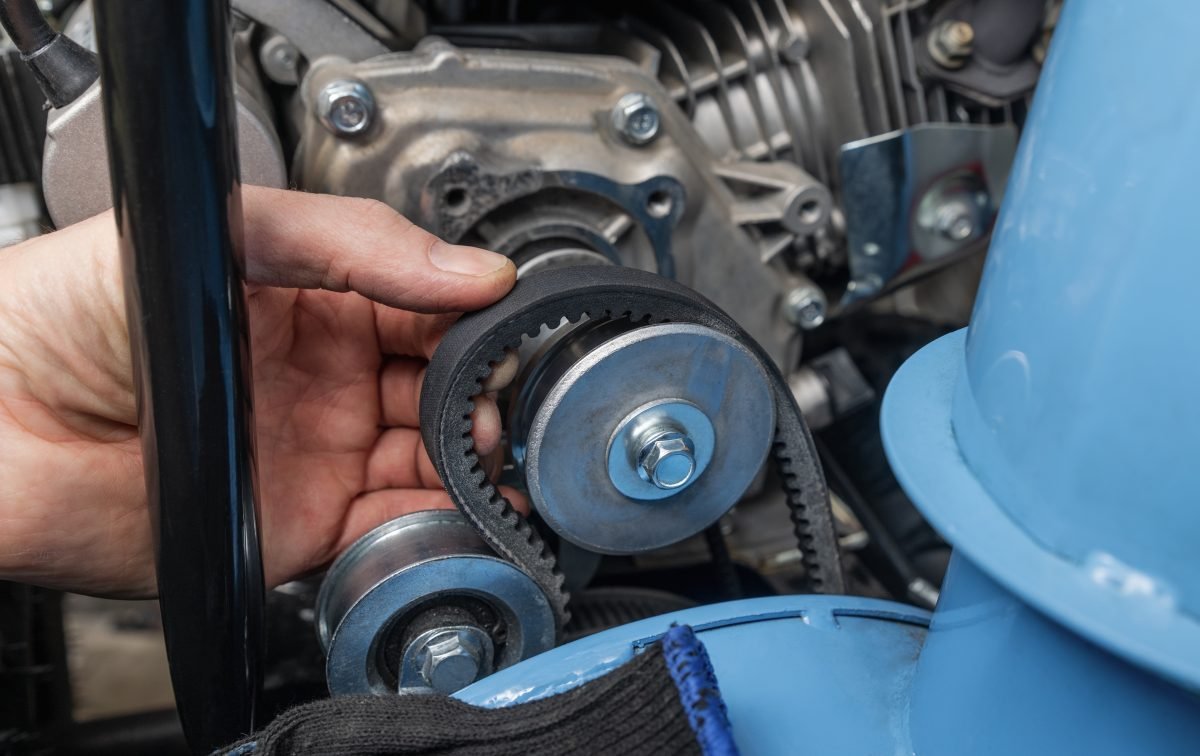
- Belt Integrity: Snow blowers utilize heavy-duty belts to transfer power from the engine to the auger and the drive wheels. Over time, these belts can crack, fray, or "glaze" from heat. A snapped belt during a heavy snowstorm can render the machine useless.
- Tire Pressure: Cold air causes tire pressure to drop. Low pressure can lead to poor traction or cause the tire to slip off the rim. Inflating tires to the manufacturer’s recommended PSI is a simple yet vital step for maneuverability.
The Electric Transition: Thermal Management of Battery Systems
The market for snow removal has seen a significant shift toward battery-powered electric units. While these machines eliminate the complexities of fuel and oil, they introduce a new set of maintenance requirements centered on lithium-ion technology. Lithium-ion batteries are sensitive to temperature extremes; cold temperatures increase internal resistance, which significantly reduces the battery’s discharge capacity and overall runtime.
Dwyer warns that leaving batteries in an unheated garage can lead to a "cold-soaked" state where the battery may refuse to provide enough current to turn the motor. To ensure peak performance, batteries should be stored in a climate-controlled environment—ideally inside the home—until the moment they are needed. Furthermore, a battery should never be charged when its internal temperature is below freezing, as this can cause permanent damage to the cells.
The longevity of these expensive components depends on proper cycling. Homeowners should ensure batteries are fully charged before the first storm and recharged immediately after use. If a battery-powered snow blower is stored for several weeks between storms, checking the charge level periodically is recommended to prevent the cells from falling into a "deep discharge" state, which can be terminal for the battery.
Safety Systems and Structural Integrity: Shear Bolts and Skid Shoes
One of the most critical, yet often overlooked, components of a snow blower is the shear bolt (or shear pin). These are intentionally weak fasteners that connect the auger to the drive shaft. They are designed to break if the auger hits a solid object—such as a large rock, a frozen branch, or a hidden piece of ice—thereby protecting the expensive gearcase from catastrophic failure.
Dwyer advises homeowners to manually inspect these pins before the season begins. With the engine off and the spark plug wire disconnected for safety, users should attempt to rotate the augers by hand. If an auger spins freely on the shaft, the shear bolt has already broken and must be replaced. It is considered a best practice to keep a kit of replacement shear bolts on hand, as they are specific to each model and cannot be substituted with standard hardware store bolts, which may be too strong and fail to "shear" when necessary.
Simultaneously, the "skid shoes"—the metal or plastic plates on the side of the auger housing—require adjustment. These plates determine the gap between the scraper bar and the ground. If they are worn down or improperly adjusted, the scraper bar will grind against the pavement, leading to premature wear of the housing. Dwyer suggests a practical adjustment method: placing a 1/4-inch spacer (such as a paint stir stick) under the scraper bar, then loosening and dropping the skid shoes until they touch the ground. This ensures the machine clears the pavement effectively without causing structural damage to the unit.
Economic and Safety Implications of Proper Maintenance
The broader implications of snow blower maintenance extend into the realms of economics and public health. From a financial perspective, the cost of a pre-season tune-up—typically involving $30 to $50 in materials like oil, a spark plug, and fuel stabilizer—pales in comparison to the cost of professional repair services, which can exceed $200 during peak season, or the cost of a new machine, which can range from $600 to over $2,000.
Furthermore, a functional snow blower is a vital safety tool. Statistical data from health organizations frequently highlight a spike in cardiac events during winter storms, often attributed to the intense physical exertion of manual shoveling in cold temperatures. For many, a reliable snow blower is not just a convenience but a medical necessity that prevents overexertion.
In conclusion, the readiness of a snow blower is a direct reflection of the homeowner’s commitment to seasonal maintenance. By addressing the specific needs of the fuel system, the mechanical drivetrain, and the structural safety components, individuals can ensure that their equipment remains a reliable asset throughout the winter months. As Sean Dwyer and other industry leaders suggest, the time spent in a dry garage in November is an investment that pays dividends in reliability and safety when the blizzard finally arrives.