admin

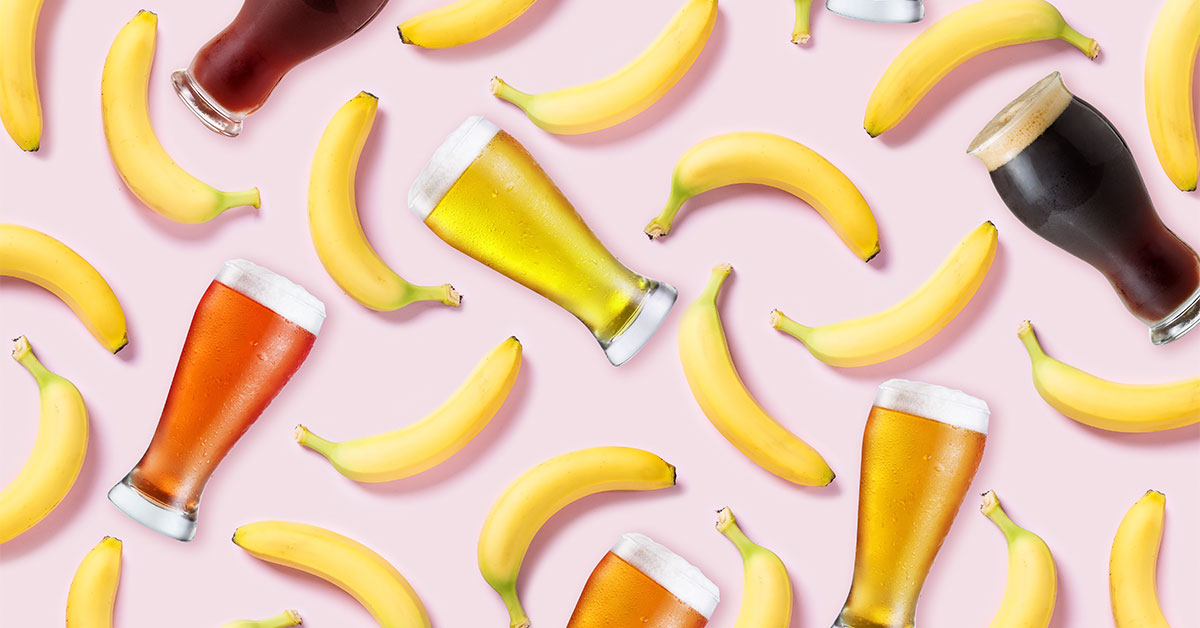
The trajectory of craft brewing in the United States has often been defined by the tension between traditional German purity laws and the American impulse for experimental innovation. Perhaps no single ingredient exemplifies this tension more vividly than the banana. From the subtle, yeast-derived esters of a Bavarian hefeweizen to the dense, puree-laden profiles of modern pastry stouts, the banana has transitioned from a byproduct of fermentation to a high-value adjunct. This evolution has been punctuated by logistical ingenuity, such as the use of baby food in professional vats, and significant federal regulatory changes that have recently lowered the barrier for brewers to experiment with the fruit.
The DankHouse Catalyst: A Study in Craft Resourcefulness
In February 2020, the craft beer community gathered in Pittsburgh for the Juicy Brews IPA festival. Among the participants was DankHouse Brewing, a Newark, Ohio-based operation founded in 2017 by Josh and Heather Lange. Their flagship entry for the event was "Banana Peel’d," a hazy IPA designed to showcase a prominent banana profile. However, days before the event, the Langes found the flavor profile lacking the intensity required for a high-profile festival.
The logistical challenges they faced are emblematic of the broader industry’s struggle with fruit consistency. Bulk aseptic banana puree, the industry standard for shelf-stable fruit additions, could not be delivered within the necessary timeframe. Attempts to use store-bought bananas resulted in rapid oxidation, turning the beer an unappealing brown, while dried banana chips failed to provide the necessary aromatic punch.
The solution was found in an unlikely place: the baby food aisle. Discovering that their preferred professional purees were essentially identical in composition to Gerber banana baby food, the Langes cleared the shelves of every grocery store in Newark. This "scooping party" allowed them to amplify the beer’s flavor just in time for the festival. The anecdote highlights a significant reality in craft brewing: even at prestigious festivals where legends like The Alchemist are pouring world-renowned beers like Heady Topper, smaller breweries are often employing radical, grassroots techniques to achieve specific sensory goals.
The Chemistry of the Banana: From Gros Michel to Cavendish
To understand why brewers are obsessed with banana flavors, one must understand the chemical history of the fruit itself. A century ago, the global banana market was dominated by the Gros Michel, or "Big Mike," variety. This cultivar was characterized by high levels of isoamyl acetate, a fruity ester that provides the signature "banana" scent. However, in the 1950s, a fungal outbreak known as Panama disease decimated the Gros Michel populations, leading to the global adoption of the Cavendish banana.
The Cavendish contains significantly lower levels of isoamyl acetate compared to its predecessor. This botanical shift created a permanent sensory disconnect for the public. Artificial banana flavorings, such as those found in Runts or Laffy Taffy candies, were modeled after the Gros Michel. Consequently, when consumers describe a beer as smelling like "fake" banana, they are often actually describing the authentic scent of an extinct market leader.
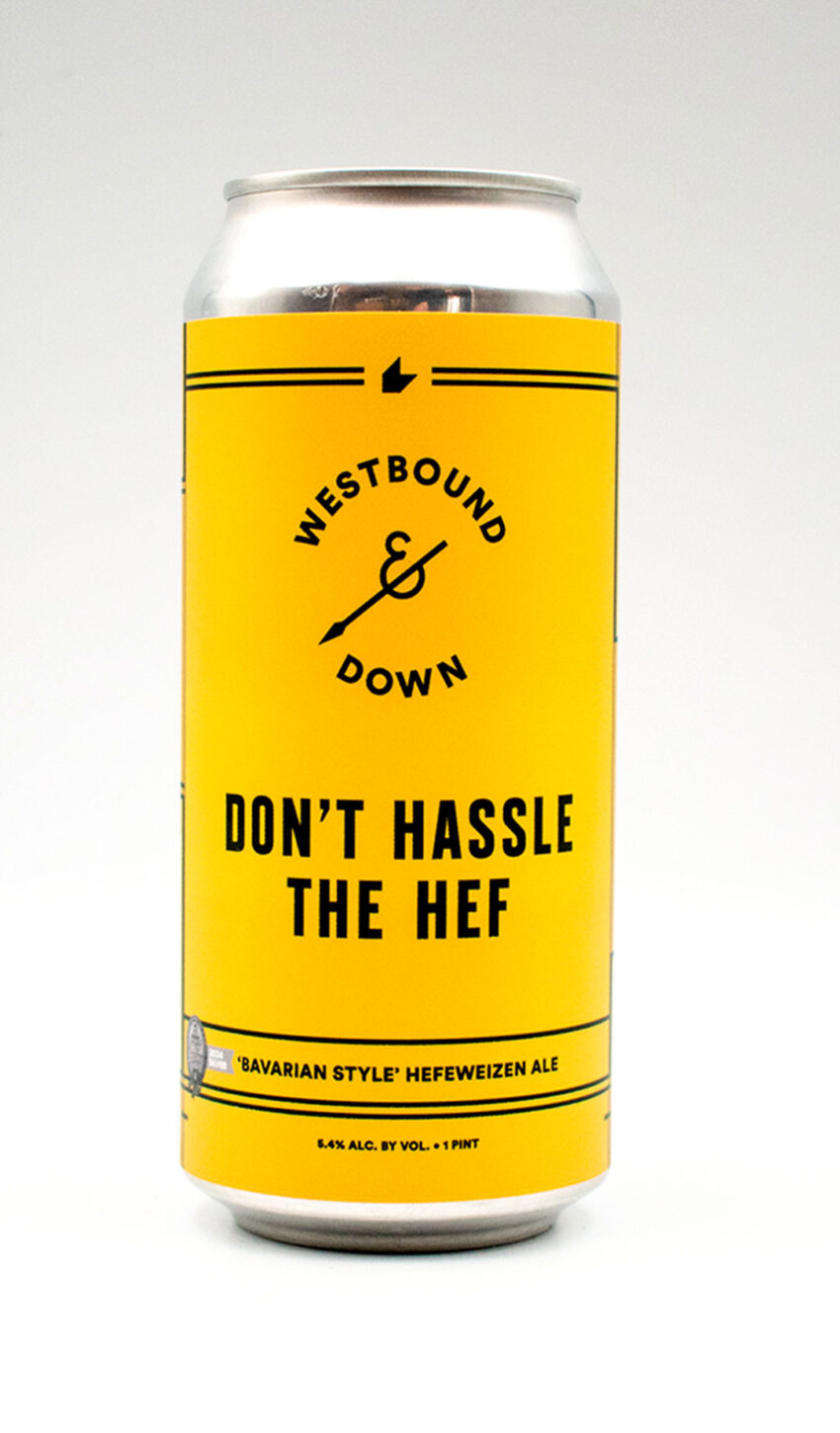
In the brewing process, isoamyl acetate is a naturally occurring byproduct of fermentation. While it is considered an "off-flavor" in many light lagers, it is the defining characteristic of the German hefeweizen. Brewers like Derek Goodman of Colorado’s Westbound & Down Brewing deliberately "stress" their yeast to produce this ester. By under-pitching yeast—providing only about one-third of the recommended amount—and restricting oxygen, brewers force the yeast to reproduce rapidly. This metabolic struggle results in the high ester production that gives their Great American Beer Festival (GABF) silver medal-winning "Don’t Hassle the Hef" its distinctive orange and banana notes.
Regulatory Transformation: The TTB’s 2023 Ruling
For decades, the use of bananas in commercial brewing was hindered by the Alcohol and Tobacco Tax and Trade Bureau (TTB). Under federal law, bananas were not classified as a "traditional" brewing ingredient, unlike malt, hops, or water. This meant that any brewery wishing to use bananas—whether in the form of fruit, puree, or extract—was required to submit a formula for government approval. This administrative hurdle often took weeks or months, stifling the agility of small breweries.
However, in late 2023, the TTB expanded its list of exempt ingredients. This regulatory shift officially recognized bananas as a traditional ingredient, alongside several other fruits and spices. This change has effectively deregulated the "banana beer" sub-sector, allowing brewers to move from concept to taproom without federal paperwork. The move is seen as a victory for the Brewers Association, the trade group representing small and independent craft brewers, which has long advocated for modernized standards that reflect current consumer tastes.
The Rise of the Pastry Stout and the Thai Banana Premium
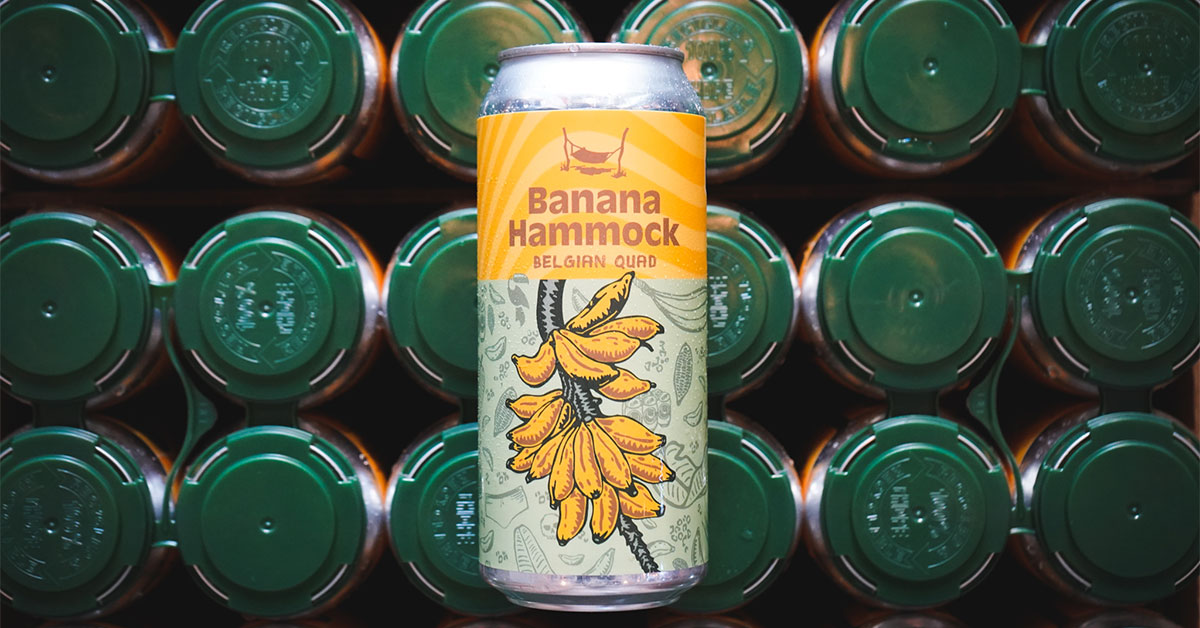
As the industry moves beyond the subtle esters of German ales, the "pastry stout" movement has pushed banana usage to its extreme. These high-gravity, dessert-like beers aim to replicate flavors like banana pudding or chocolate-dipped fruit. WeldWerks Brewing in Greeley, Colorado, and Crooked Hammock Brewery in Delaware have led this charge, using massive quantities of puree to achieve a "thick" mouthfeel and intense sweetness.
Larry Horwitz, director of brewing operations at Crooked Hammock, notes that adding fruit at the right time is critical. Adding sugary purees during primary fermentation can lead to what he calls the "Cheetos dilemma." If yeast is given simple sugars from fruit too early, it may become "lazy" and fail to ferment the more complex sugars from the grain, leading to stalled fermentation and off-flavors.
For the ultra-premium end of the market, the secret ingredient is often the dried wild Thai banana. Rodrick Markus, CEO of Chicago-based Rare Tea Cellar, began importing these fruits a dozen years ago, describing them as the "Grand Cru" of bananas. While 99 percent of his stock originally went to high-end food production, the craft beer boom of 2019 changed his business model. During the COVID-19 pandemic, while restaurant orders plummeted, breweries like Other Half and Evil Twin continued to buy thousands of pounds of Thai bananas weekly.
These dried fruits provide a concentrated, caramelized banana flavor without the water content of purees, which can dilute a beer’s body. However, this quality comes at a steep price. Matt Tarpey, co-founder of The Veil Brewing in Richmond, Virginia, reports that these bananas can cost upwards of $50 per pound, exacerbated by a 35% tariff on Thai imports. For a barrel-aged imperial stout like "Sky Summoner," which may require 10 pounds of fruit per barrel, the ingredient cost alone can make the beer a "labor of love" rather than a significant profit generator.
Market Trends: The Hefeweizen Renaissance
Despite the flashy nature of banana-infused stouts, the most significant market trend may be the resurgence of the humble hefeweizen. Jeff Mello, founder of Nashville-based yeast suppliers Bootleg Biology and Spot Yeast, reports that hefeweizen yeast has become his second best-selling strain, trailing only the yeast used for hazy IPAs.
"I can’t keep it in stock," Mello says, noting that the demand is driven by a new generation of drinkers who appreciate the approachable, fruit-forward nature of the style without the heaviness of adjunct-laden stouts. This trend was exemplified by events like the "Banana Brunch" at Nashville’s Fait La Force Brewing, which paired hefeweizens with ice cream, leaning into the beer’s natural dessert-like qualities.
Broader Implications for the Industry
The "banana moment" in craft beer serves as a microcosm for the industry’s current state. It reflects a shift toward transparency and consumer-centric flavor profiles, supported by a more relaxed regulatory environment. However, it also highlights the economic pressures facing modern brewers. As the cost of premium adjuncts like wild Thai bananas rises, breweries must balance their desire for innovation with the realities of skinny profit margins.
The move by the TTB to recognize bananas as traditional ingredients suggests that the federal government is finally catching up to the reality of the taproom. For the consumer, this means a likely increase in the variety and availability of fruit-forward beers. Whether achieved through the scientific manipulation of yeast or the manual peeling of thousands of bananas, the fruit has secured its place in the permanent pantheon of American brewing ingredients. As Logan Ackerley of Wallenpaupack Brewing notes, customers no longer ask for a specific brand; they simply ask for "the banana beer." In a crowded market, that level of flavor recognition is the ultimate success.