admin

From out of the long-standing shadows cast by its more celebrated Burgundian cousins, Pinot Noir and Chardonnay, Aligoté is beginning to emerge into the spotlight, particularly within the fertile viticultural landscape of Oregon’s Willamette Valley. This often-overlooked white grape, traditionally relegated to a supporting role in its native Burgundy, is now being recognized for its distinctive characteristics and its surprising adaptability, presenting a compelling case for its broader cultivation in regions far from its historical home.
The Burgundian Context: A Grape in the Background
For centuries, Aligoté has been an integral, albeit secondary, component of Burgundy’s viticultural heritage. Historically, it is believed to have originated in the region, predating some of the more widespread plantings of Chardonnay. Despite its deep roots, Aligoté has always played second fiddle to Chardonnay, the undisputed queen of white Burgundy, which commands higher prices and greater international prestige. Aligoté vineyards are typically found on less prime parcels, often on the cooler, less sun-drenched slopes or in areas with less desirable soils, allowing Chardonnay to occupy the most coveted grand cru and premier cru sites.
In Burgundy, Aligoté is primarily known for producing crisp, high-acid white wines that are often consumed young. Its most famous application is as the base for the traditional Kir cocktail, a refreshing aperitif made with Crème de Cassis. While some producers have championed single-varietal Aligoté bottlings, particularly in appellations like Bouzeron (which has its own Aligoté-specific AOC), it generally struggles to escape the perception of being merely a table wine grape. Its flavor profile typically includes notes of green apple, lemon, white flowers, and a distinct minerality, often with a savory edge. The grape’s natural vigor and resistance to certain diseases have always been appreciated by growers, but its reputation has remained modest compared to the international acclaim showered upon Chardonnay.
The Willamette Valley: A New Horizon for Aligoté
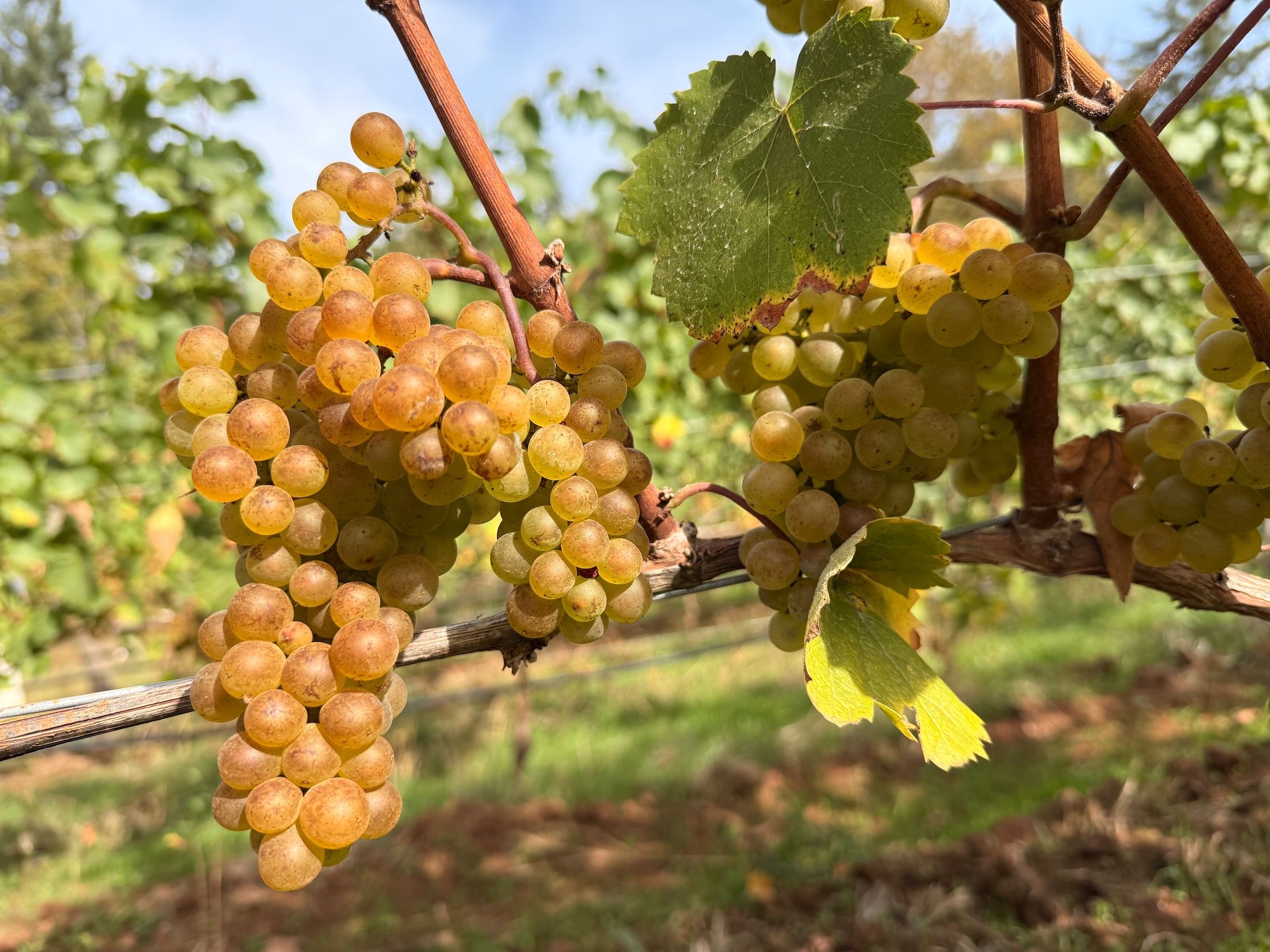
The Willamette Valley, celebrated globally for its elegant Pinot Noir and increasingly respected Chardonnay, is now experiencing a quiet revolution as a growing number of winemakers turn their attention to alternative varietals. This shift is driven by a confluence of factors, including climate change, a desire for diversification, and an inherent spirit of experimentation among Oregon’s pioneering vintners. It is within this dynamic environment that Aligoté is finding a new and unexpected champion.
The initial plantings of Aligoté in the Willamette Valley are modest, reflecting a cautious yet optimistic approach. While specific acreage data for Aligoté alone is still nascent, industry reports from the Oregon Wine Board indicate a broader trend of increasing interest in "emerging varietals" beyond the traditional Pinot Noir and Chardonnay. Anecdotal evidence from local nurseries and vineyard development companies suggests a noticeable uptick in inquiries for Aligoté cuttings over the past five years, moving from virtually zero to a steady, albeit small, demand. This growth is indicative of a nascent movement, as winemakers explore grapes that can thrive in Oregon’s evolving climate and offer distinctive expressions.
Chronology of a Resurgence: From Niche to Notice
The journey of Aligoté in Oregon can be traced through several key phases:
- Early 2000s: Incipient Curiosity: While some experimental plantings of diverse varietals have always existed in Oregon, serious consideration for Aligoté as a commercial grape began to surface in isolated conversations among forward-thinking winemakers. These discussions were often spurred by travels to Burgundy or a general desire to explore grapes that offered high acidity and food-friendliness, traits already valued in Oregon’s wine culture.
- Mid-2010s: Pioneer Plantings: A handful of vineyards, often those with a strong experimental ethos or specific Burgundian connections, began planting small blocks of Aligoté. These initial plantings were largely exploratory, driven by curiosity about how the grape would perform in Oregon’s unique terroir, characterized by ancient volcanic and sedimentary soils, and a maritime climate. Winemakers were observing Aligoté’s budding patterns, vigor, and disease resistance, particularly in comparison to their established varietals.
- Late 2010s: Climate Change as a Catalyst: As global climate patterns shifted and Oregon experienced warmer growing seasons and earlier harvests, the resilience of Aligoté began to garner more serious attention. Its ability to maintain high acidity even in warmer conditions, a critical factor for balance and freshness in white wines, became a significant advantage. The grape’s late-budding nature also offers a degree of protection against late spring frosts, a perennial concern for grape growers.
- Early 2020s: Growing Recognition and Commercial Releases: Several wineries, including notable names and boutique producers, have now released their first commercial bottlings of Willamette Valley Aligoté. These releases have been met with intrigue by wine critics and consumers alike, often praised for their crispness, purity of fruit, and unique character that distinguishes them from the region’s Chardonnays. This period marks a turning point, moving Aligoté from a purely experimental status to a commercially viable and critically reviewed varietal in Oregon.
Statements and Reactions from the Industry
The emerging trend has drawn attention from various corners of the wine industry:
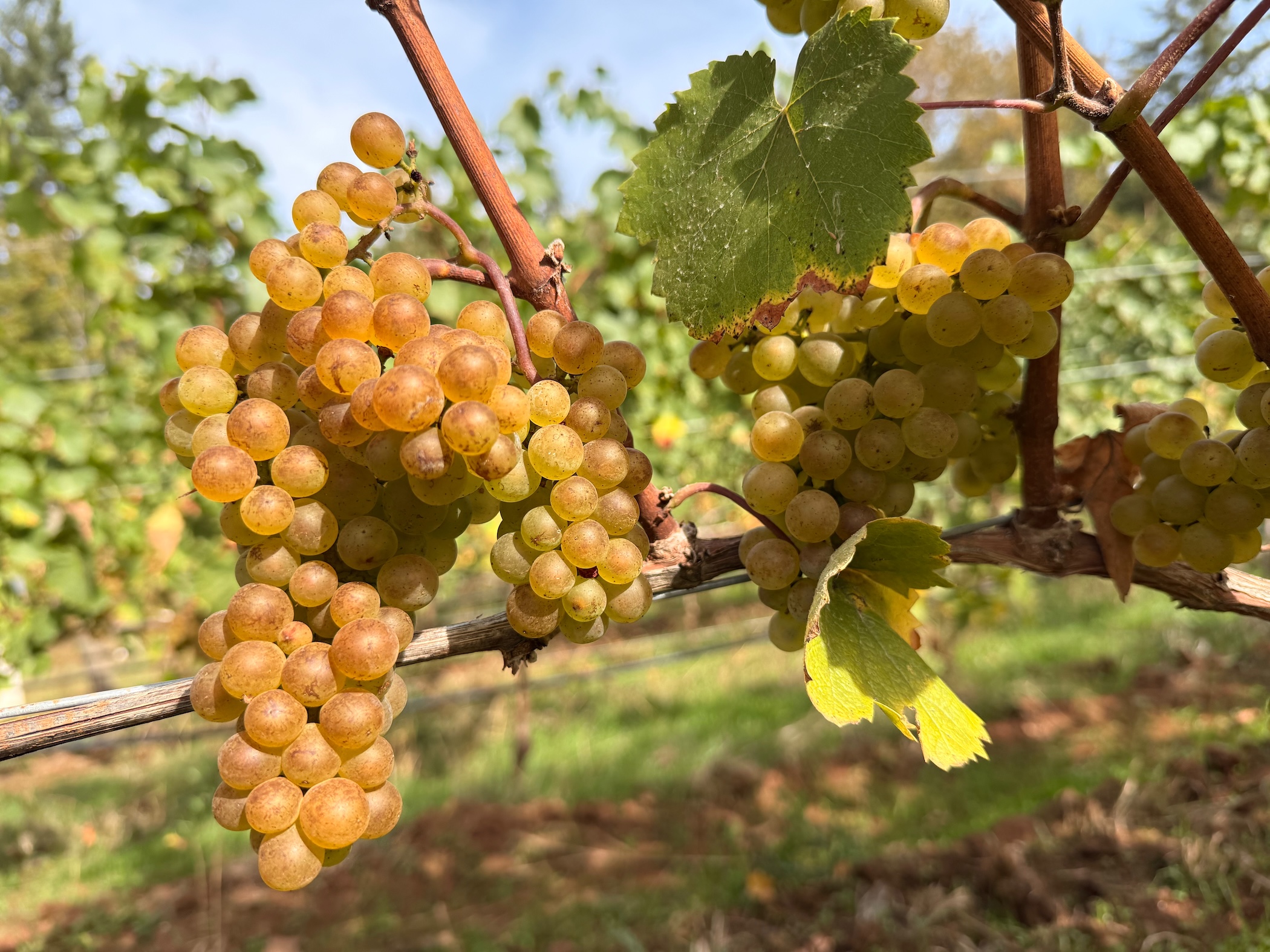
- Winemakers: "Aligoté offers something truly unique for Oregon," states Maria Sanchez, winemaker at Verdant Vineyards, one of the pioneers of Aligoté in the Willamette Valley. "Its natural acidity is fantastic, allowing us to craft vibrant, food-friendly wines even in warmer years. It’s a grape that expresses our volcanic soils beautifully, showcasing a different facet of what Oregon can do." Another prominent winemaker, David Chen of Chen Cellars, adds, "We’re not looking to replace Chardonnay, but to complement it. Aligoté gives us an exciting new texture and flavor profile to work with, and it’s proving to be remarkably resilient in the vineyard, which is increasingly important for sustainable practices."
- Sommeliers and Wine Critics: Leading sommeliers in Portland and Seattle have expressed enthusiasm for the new offerings. "Oregon Aligoté is a revelation," comments Sarah Jenkins, head sommelier at a critically acclaimed restaurant. "It’s a palate cleanser, intensely aromatic, and pairs incredibly well with a wide range of cuisines. It’s exactly the kind of unexpected, high-quality wine that gets guests excited." Wine critics have lauded the early examples for their freshness and distinctiveness. Renowned wine writer, Dr. Evelyn Reed, recently noted, "The Willamette Valley’s Aligoté is not merely a curiosity; it’s a testament to thoughtful viticulture and offers a compelling alternative to more ubiquitous white varietals. These wines possess a purity and drive that speaks to both the grape’s character and Oregon’s terroir."
- Industry Associations: The Oregon Wine Board has acknowledged the diversification trend. A spokesperson for the Board indicated, "While Pinot Noir and Chardonnay remain our flagship varietals, we are seeing a healthy and exciting exploration of other grapes. Aligoté, alongside other emerging varietals, contributes to the richness and resilience of Oregon’s wine industry, appealing to a broader market and enhancing our global reputation for quality and innovation."
The Strategic Advantage: Resilience in a Changing Climate
One of the most compelling reasons for Aligoté’s ascent in Oregon is its inherent resilience, particularly in the face of a warming climate. Unlike Chardonnay, which can struggle to maintain its characteristic acidity in increasingly hot vintages, Aligoté naturally retains high levels of malic acid, contributing to its signature crispness. This trait makes it an attractive option for winemakers seeking to produce balanced white wines without excessive intervention, such as acidification.
Furthermore, Aligoté’s relatively late bud break offers a natural defense against the spring frosts that can occasionally devastate early-budding varietals. Its vigorous growth habit also means it can be managed to produce healthy yields without compromising quality, making it an economically viable choice for growers. These attributes position Aligoté not just as a niche curiosity but as a potentially strategic varietal for the future sustainability of viticulture in the Willamette Valley and other regions experiencing similar climatic shifts.
Broader Impact and Implications
The emergence of Aligoté in the Willamette Valley carries several significant implications for the region’s wine industry and potentially for global viticulture:
- Diversification of Oregon’s Wine Portfolio: For decades, Oregon’s wine identity has been heavily, and successfully, tied to Pinot Noir. While Chardonnay has gained ground, Aligoté’s rise signifies a broader diversification, offering consumers a wider array of choices and reducing the industry’s reliance on a limited number of varietals. This diversification can enhance market resilience and appeal to different consumer segments.
- Economic Opportunities for Growers: Introducing new, successful varietals creates new revenue streams for grape growers, especially those looking to experiment or who have plots less suited to Pinot Noir or Chardonnay. It provides an opportunity to command fair prices for a unique product that stands out in a competitive market.
- Elevating the Grape’s Global Status: If Oregon can consistently produce high-quality Aligoté, it could help elevate the grape’s status internationally, challenging the long-held perception of it as merely a blending grape or Kir base. This could inspire other New World regions to explore Aligoté, fostering a global appreciation for its distinct qualities.
- A Model for Climate Adaptation: Oregon’s proactive approach to exploring climate-resilient varietals like Aligoté could serve as a model for other wine regions worldwide. As climate change continues to impact traditional grape-growing areas, the successful integration of alternative varietals will become increasingly crucial for the long-term viability of the wine industry.
- Enhancing Culinary Pairings: Aligoté’s bright acidity and mineral-driven profile make it an exceptionally food-friendly wine. Its growing availability in Oregon could inspire new culinary pairings within the region’s renowned farm-to-table restaurant scene, further cementing its place in the local gastronomic culture.
In conclusion, Aligoté’s journey from a humble Burgundian workhorse to an emerging star in Oregon’s Willamette Valley is more than just a tale of a grape finding a new home. It represents a broader narrative of adaptation, innovation, and the relentless pursuit of quality and distinctiveness in the face of evolving environmental and market dynamics. As winemakers continue to experiment and refine their approach, Aligoté is poised to carve out a significant and respected niche, enriching the tapestry of Oregon’s celebrated wine landscape and offering a fresh perspective on a classic, yet often overlooked, varietal.