admin

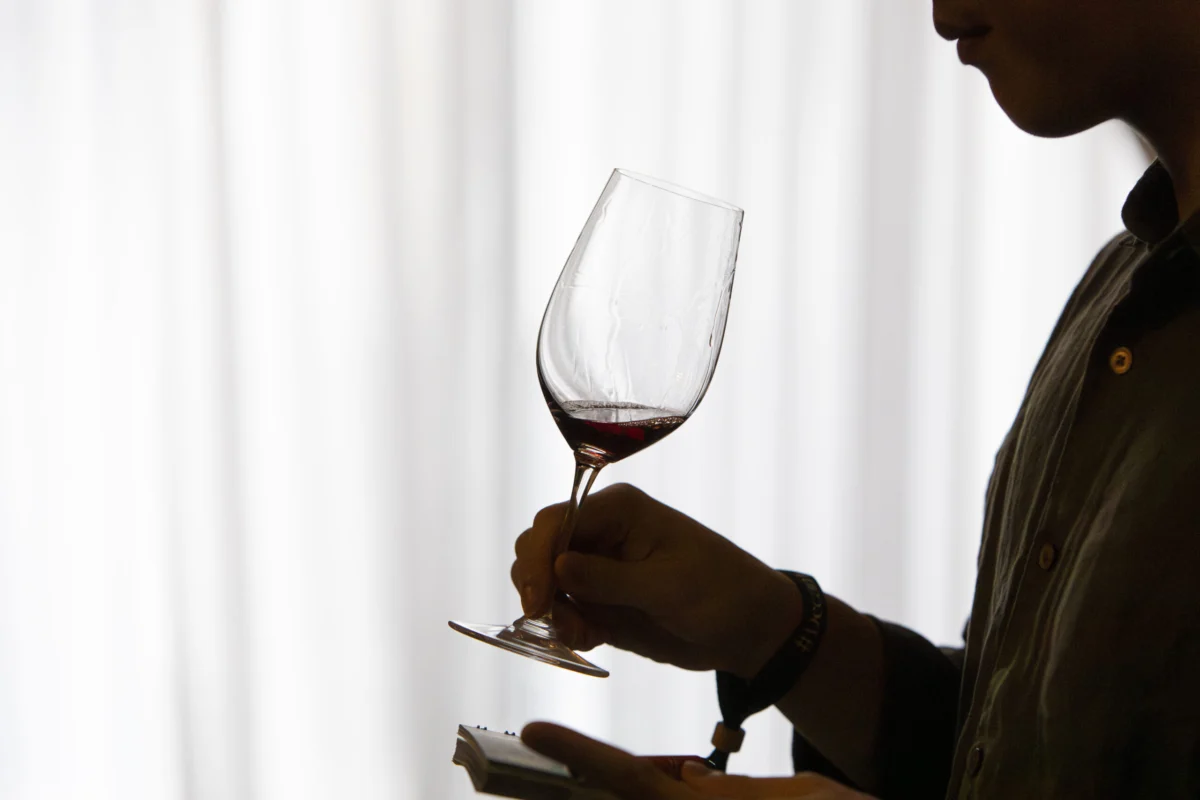
Once considered to be the wines you drink before you get to the real tasting, according to Echolands winemaker Brian Rudin, white wines from Washington State are now receiving the high level of dedication and devotion previously reserved for the region’s structured, concentrated reds. This transformative shift marks a pivotal moment for Washington’s viticulture, positioning the state as a burgeoning hotspot for exceptional white wine production. As more drinkers globally seek lighter, lower-alcohol, and often more affordable alternatives to classic red wines, Washington wine-growers’ inherent appetite for innovation is driving a renaissance that is rapidly gaining international acclaim.
A Historical Perspective: Washington’s Red Dominance
For decades, Washington State’s wine industry built its formidable reputation on robust, age-worthy red wines, particularly Cabernet Sauvignon, Merlot, and Syrah. The region’s unique terroir, characterized by consistent sunshine, a dramatic diurnal shift (large temperature swings between day and night), and well-drained volcanic and loess soils, proved exceptionally well-suited for cultivating red grape varietals that developed intense fruit flavors, firm tannins, and excellent acidity. Wineries invested heavily in red grape cultivation, vineyard management, and sophisticated winemaking techniques designed to maximize the potential of these grapes. White wines, while always present, often occupied a secondary position in portfolios, frequently serving as an entry point or a lighter offering, rather than a focus of deep artistic expression or significant investment. Riesling, in particular, had a long history in Washington, often produced in off-dry or sweet styles, and while popular, it rarely commanded the same critical gravitas as its red counterparts. Chardonnay also had its moments, but often followed broader industry trends towards heavily oaked, richer styles that sometimes overshadowed its inherent elegance.
The Tides of Change: Consumer Preferences and Market Evolution
The current surge in demand for Washington white wines is not merely a passing trend but a response to fundamental shifts in global consumer preferences. Modern wine drinkers are increasingly prioritizing versatility, freshness, and balance. There’s a growing appreciation for wines that can be enjoyed on their own, paired easily with a wider range of cuisines, and consumed in various social settings without being overly heavy or high in alcohol. The "lighter, lower-alcohol" movement reflects a broader societal focus on health and wellness, where moderation and thoughtful consumption are valued. Furthermore, the economic landscape has made "more affordable alternatives" highly attractive, particularly for wines that deliver exceptional quality and complexity at a price point often more accessible than premium reds from established regions.
Industry reports and market analyses confirm these trends. Data from wine trade organizations indicate a steady year-over-year increase in the consumption of white and rosé wines across key markets. Younger generations of wine drinkers, in particular, are less bound by traditional classifications and more open to exploring diverse styles and regions. This confluence of factors has created a fertile ground for Washington’s white wines to thrive, as the region possesses the climatic diversity and innovative spirit to meet these evolving demands.
Innovation in the Vineyard and Cellar
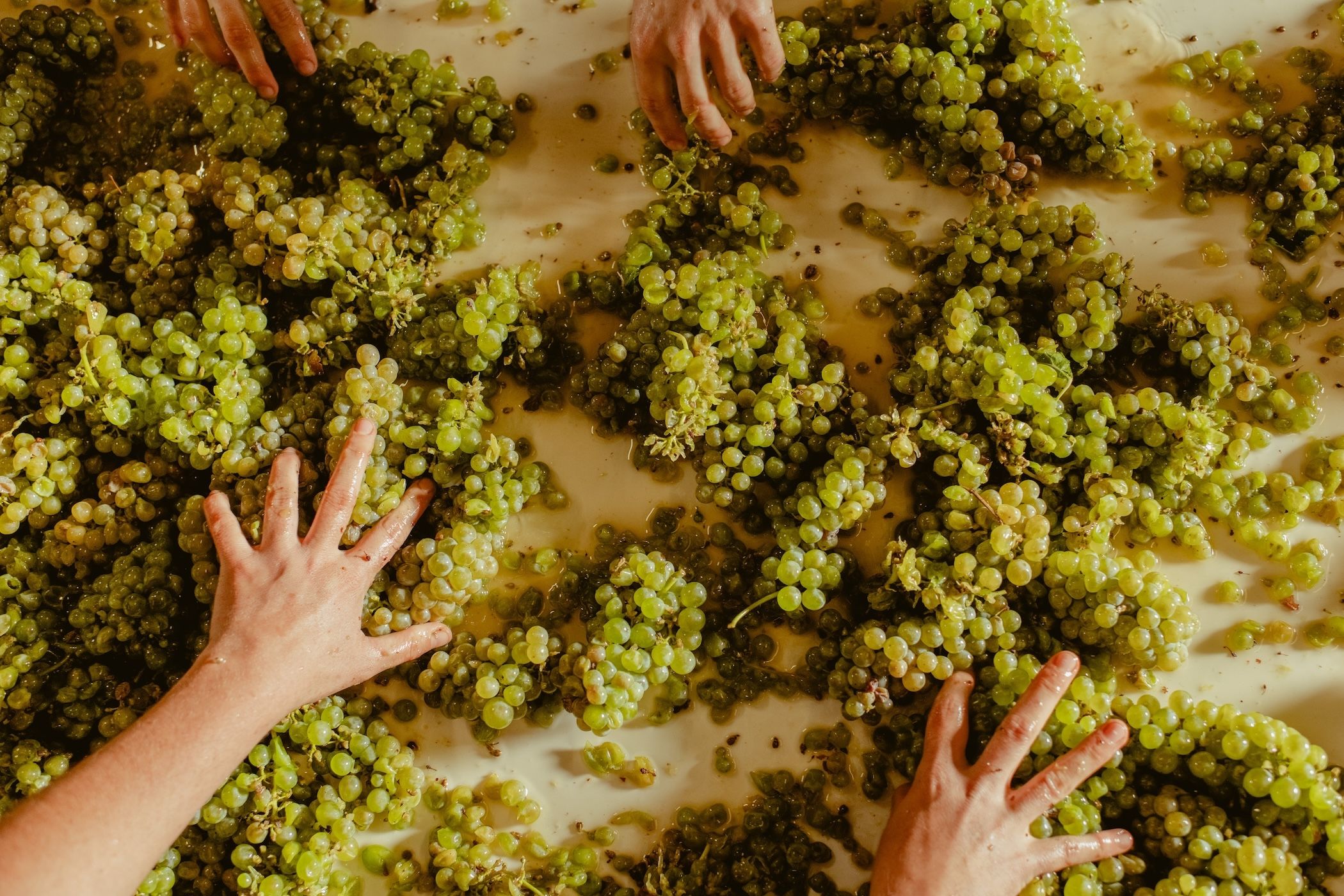
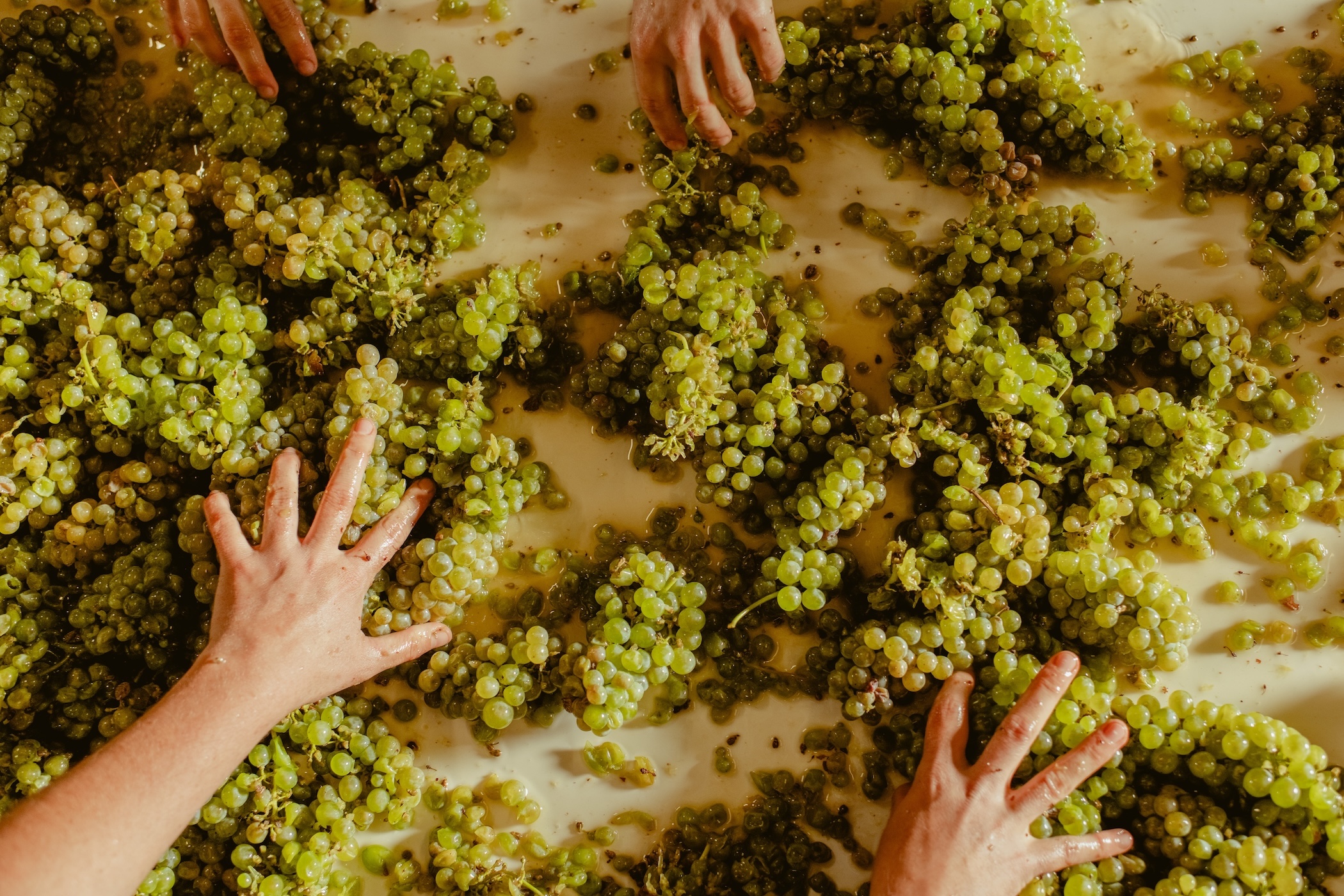
The dedication now being poured into Washington’s white wines is evident in every stage of production, from vineyard management to bottling. Winemakers are meticulously selecting specific vineyard sites and blocks within Washington’s diverse American Viticultural Areas (AVAs) that offer optimal conditions for white varietals. Cooler sites, such as those found in the Columbia Gorge AVA, are being leveraged for their ability to preserve acidity and delicate aromatics in grapes like Chardonnay and Pinot Gris. Areas with unique soil compositions, like the famed "Rocks District" of Milton-Freewater in the Walla Walla Valley, are proving to impart distinct mineral characteristics to varietals like Viognier.
Beyond site selection, innovation extends to clonal research, canopy management techniques tailored for white grapes, and precise irrigation strategies. The focus is on achieving physiological ripeness while maintaining vibrant acidity and expressive aromatics. In the cellar, winemakers are experimenting with a spectrum of techniques:
- Fermentation Vessels: Moving beyond traditional stainless steel, producers are utilizing concrete eggs, large format neutral oak foudres, and varying percentages of new French oak barrels to influence texture and complexity without overwhelming the fruit.
- Yeast Strains: Employing multiple yeast strains during fermentation adds layers of aromatic complexity and textural nuance, as exemplified by winemakers like John Abbott of Devona.
- Malolactic Conversion (MLF) Management: Instead of a blanket approach, MLF is often stopped halfway or selectively applied to certain lots to achieve a balance between creamy texture and crisp acidity, preventing wines from becoming overly buttery or heavy.
- Lees Aging: Extended contact with spent yeast cells (lees) is a common practice, imparting richness, complexity, and a desirable savory quality to white wines, as seen in the Reynvaan Family Vineyards Viognier.
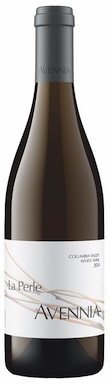
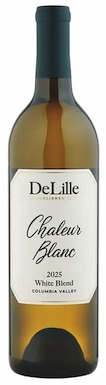
- Blending Expertise: For wines like DeLille Cellars’ Chaleur Blanc or Avennia’s La Perle, the art of blending Sauvignon Blanc and Sémillon, or other varietals, is being perfected to create wines of exceptional balance, depth, and ageability.
These meticulous approaches underscore a commitment to crafting white wines of distinction, challenging the notion that Washington’s strengths lie solely in reds.
Spotlight on Emerging Stars and Refined Classics
The current wave of Washington white wines showcases an impressive array of varietals, each expressing the state’s unique terroir in compelling ways:
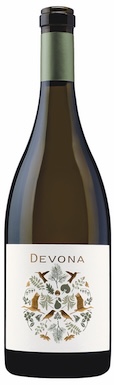
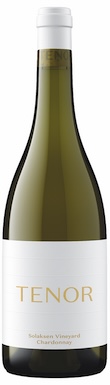
- Chardonnay: Once prone to over-oaking, Washington Chardonnay has evolved significantly. Producers like Devona (White Salmon Vineyard Chardonnay, Columbia Gorge, 2024) are crafting wines of remarkable elegance and precision, balancing warm oak spices with crisp apple, lemon meringue, and floral notes, culminating in a soft yet full mouthfeel and a long finish. The restrained approach, including partial malolactic conversion and judicious oak use, results in a Chardonnay that stands shoulder-to-shoulder with world-class examples. Similarly, Tenor Wines’ Solaksen Chardonnay (Royal Slope, Columbia Valley, 2023) offers a full-bodied, elixir-like experience with notes of baking spice, beeswax, and ripe golden apples, indicating a different yet equally refined expression.
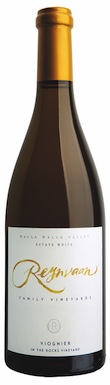
- Viognier: This aromatic Rhône varietal finds a luxurious home in Washington. Reynvaan Family Vineyards’ In the Rocks Viognier (Walla Walla Valley, Columbia Valley, 2023) is a prime example, offering opulent aromatics of tropical and stone fruits, jasmine, and a stony minerality. Its creamy, honeyed mouthfeel and flavors of mango, peach, and baklava evoke the hedonistic pleasures of Condrieu, a testament to the varietal’s potential in the right Washington terroir.
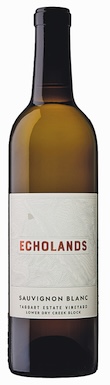
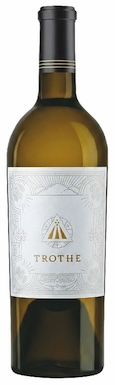
- Sauvignon Blanc: Moving beyond simple herbaceousness, Washington Sauvignon Blancs are demonstrating complexity and character. Echolands’ Lower Dry Creek Block Sauvignon Blanc (Columbia Valley, Walla Walla Valley, 2025) presents citrus notes of grapefruit and lemon oil alongside fresh-cut rye grass and an intriguing resiny aroma, promising depth. Trothe’s White Label Sauvignon Blanc (Horse Heaven Hills, Columbia Valley, 2024) showcases a pronounced minerality of limestone and slate, coupled with bright citrus and ripping acidity, indicating a focus on freshness and terroir expression.
- Riesling: While traditionally known for sweeter styles, Washington is increasingly excelling at dry Riesling. Long Shadows’ Poet’s Leap Dry Riesling (Columbia Valley, 2024), sourced from old vines at DuBrul Vineyard, exemplifies this trend with its translucent lemon color, stony, mineral-driven nose, and clean citrus notes, proving the varietal’s versatility and capacity for seriousness.
- Albariño: Representing the spirit of innovation, varietals like Albariño are finding success. Echolands’ Angiolina Farm Vineyard Albariño (Yakima Valley, Columbia Valley, 2025) offers a rich tropical nose of preserved lemon, cantaloupe, and pineapple, balanced by a dry, lifted palate, showcasing the potential for diverse aromatic whites.
- White Blends: The art of blending is also elevating Washington whites. DeLille Cellars’ Chaleur Blanc (Columbia Valley, 2025), a Sauvignon Blanc and Sémillon blend, delivers vanilla, brioche, white peach, and wet stone aromas with a rich, opulent body and lifted acidity. Avennia’s La Perle (Columbia Valley, 2024) offers luscious aromas of honeysuckle, white nectarine, and granite, leading to a full, well-rounded body with rich citrus and stone fruit flavors merging with buttery notes, demonstrating the potential for complex, age-worthy blends.
Statements and Industry Acclaim
The growing recognition for Washington white wines is echoed by winemakers, critics, and industry organizations alike. Winemakers across the state are dedicating substantial resources to their white programs, viewing them not as an afterthought but as integral to their portfolios and reflective of Washington’s diverse capabilities. Brian Rudin’s initial comment, while highlighting past perceptions, now serves as a benchmark against which the current achievements are measured. John Abbott’s meticulous approach with Devona Chardonnay, as evidenced by its high score and value, underscores the quality-driven philosophy. The fact that wines are achieving scores in the mid-90s from reputable publications like Decanter speaks volumes about their quality and critical reception.
The Washington Wine Commission and other regional bodies are actively promoting these wines, highlighting their quality, diversity, and the sustainable practices often employed in their production. This concerted effort helps to shift long-held perceptions and open new markets for these exciting wines.
Broader Impact and Implications
The rise of Washington white wines carries significant implications for the state’s wine industry:
- Diversification of Portfolio: It broadens Washington’s appeal beyond its red wine dominance, attracting a wider range of consumers and critics.
- Economic Growth: Increased demand for white grapes leads to new vineyard plantings, job creation, and economic benefits for grape growers and wineries. The value proposition of many Washington whites, offering high quality at competitive prices, makes them attractive in a crowded global market.
- Enhanced Reputation: It solidifies Washington’s reputation as a dynamic, innovative, and versatile wine region capable of producing world-class wines across the spectrum of styles.
- Viticultural Research: The focus on whites spurs further research into optimal clonal selections, vineyard sites, and winemaking techniques specific to these varietals, leading to continuous improvement.
- Wine Tourism: It enhances wine tourism, drawing visitors interested in exploring a broader range of wines and experiencing the innovative spirit of the region.
Challenges and Future Outlook
Despite the undeniable progress, Washington white wines still face challenges, primarily in overcoming historical perceptions and competing with established white wine regions globally. Educating consumers and trade professionals about the quality and diversity of these wines remains a continuous effort. However, with the unwavering dedication of its winemakers and the unique advantages of its terroir, Washington State is poised for continued growth and recognition in the white wine arena. The future promises further innovation, the exploration of new varietals, and the refinement of existing ones, ensuring that Washington remains at the forefront of the American wine scene, now equally celebrated for the elegance and complexity of its whites as for the power and structure of its reds. The era of Washington white wines as mere precursors is definitively over; they have firmly claimed their rightful place as stars in their own right.