admin
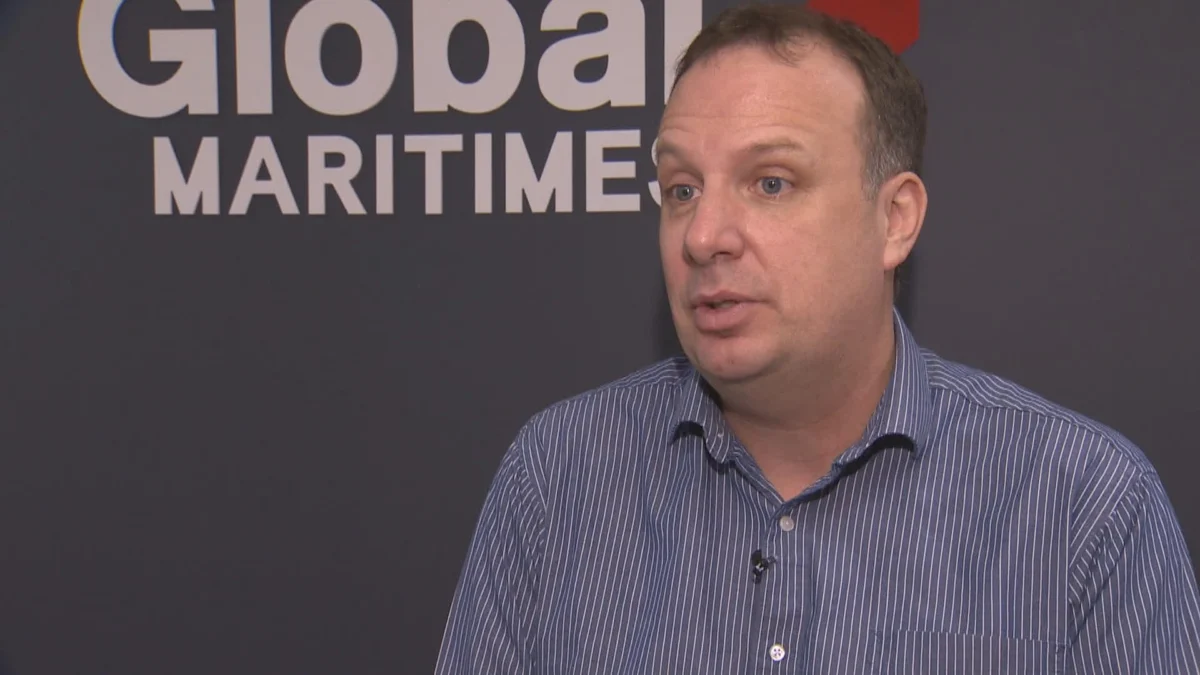
Todd Veinotte, a cherished and enduring voice in Maritime media for over three decades and a former reporter for Global News, passed away on Monday at the age of 57. His death followed a courageous and public battle with Parkinson’s disease, a neurodegenerative disorder that gradually diminished his physical capabilities but, as many attest, never his spirit. The news of his passing was confirmed by his wife, Kelly Gillis Arsenault Veinotte, in a heartfelt social media post that resonated deeply across the region he served with dedication and distinction.
Veinotte’s career was marked by a profound connection to the communities he covered, establishing him as a familiar and trusted figure across the airwaves and on screen. His journey through the dynamic landscape of Canadian broadcasting saw him transition through various roles in television, radio, and, in recent years, podcasting, adapting to new platforms while consistently delivering insightful and engaging content. His passing marks a significant loss to the journalistic community and to the countless listeners and viewers who considered him a vital part of their daily lives.
A Distinguished Career: More Than Three Decades in Maritime Media
Todd Veinotte’s professional life was inextricably linked with the Maritime provinces. He embodied the spirit of local journalism, understanding the unique pulse of the region and fostering a deep sense of rapport with its residents. While specific details of his early career are not exhaustively documented in public records, his "more than 30 years of experience" indicates a start in the late 1980s or early 1990s, a period of significant growth and evolution for regional media outlets. During these formative years, he likely honed his skills in smaller markets, developing the robust journalistic instincts and conversational style that would later define his public persona.
He became a household name primarily through his role as the host of "The Todd Veinotte Show." This platform, which aired across various radio stations in the Maritimes over the years, allowed Veinotte to engage directly with his audience on a wide array of topics, from local politics and community issues to broader societal debates. His approach was often characterized by a blend of informed commentary, incisive interviews, and a genuine curiosity that made complex subjects accessible to everyday listeners. He possessed a distinctive ability to articulate the concerns and perspectives of ordinary Maritimers, earning him a reputation as an authentic and relatable voice. The show was not merely a news program but a forum for community dialogue, reflecting the values and challenges unique to Atlantic Canada.
In 2018, Veinotte brought his extensive experience and established credibility to Global News, joining as a videojournalist based in Saint John, New Brunswick. In this capacity, he continued his commitment to local storytelling, bringing visual narratives to life for a wider audience. His transition to television underscored his versatility and adaptability as a journalist, demonstrating an ability to effectively convey information across different mediums while maintaining his signature empathetic and engaging style. Even as his health began to decline, Veinotte continued to innovate, launching a twice-weekly podcast that allowed him to maintain his connection with his audience, offering a more intimate and personal platform for his thoughts and discussions. This adaptability highlighted his enduring passion for media and his commitment to his craft, even in the face of significant personal challenges.
The Public Battle with Parkinson’s Disease
In recent years, Todd Veinotte courageously chose to speak openly about his diagnosis of Parkinson’s disease, offering a candid glimpse into his personal struggle and the profound adjustments required to navigate his "new reality." His decision to share his journey publicly was a testament to his character, transforming a private battle into an opportunity to raise awareness and foster understanding of a complex and often misunderstood condition.
Parkinson’s disease is a progressive disorder of the central nervous system that primarily affects motor functions. It develops gradually, often starting with a barely noticeable tremor in one limb. As the disease progresses, it causes gradual damage to specific parts of a person’s brain, particularly the dopamine-producing neurons in a region called the substantia nigra. The deficiency of dopamine, a critical neurotransmitter, leads to a cascade of debilitating symptoms. These can include tremors, which are often most noticeable at rest; bradykinesia, or slow movement, making simple tasks difficult and time-consuming; and rigidity, characterized by stiff and inflexible muscles that can limit range of motion and cause pain. Other non-motor symptoms, often equally challenging, include sleep disorders, depression, anxiety, cognitive impairment, and problems with smell.

According to Parkinson Canada, more than 120,000 people across Canada are currently living with Parkinson’s disease, a figure that highlights the significant prevalence and impact of the condition within the national population. Globally, estimates suggest that over 10 million people are living with Parkinson’s, with projections indicating a substantial increase in prevalence in the coming decades due to aging populations. The disease typically affects individuals over the age of 60, though early-onset Parkinson’s can occur before the age of 50. The exact causes of Parkinson’s disease are still largely unknown, but a combination of genetic and environmental factors is believed to play a role.
While there is currently no cure for Parkinson’s disease, a range of medications and therapeutic interventions are available to help manage symptoms and improve quality of life. Levodopa, for instance, remains the most effective drug for controlling motor symptoms. Beyond pharmacological treatments, multidisciplinary approaches involving physiotherapy, occupational therapy, speech therapy, and regular exercise are vital. Physiotherapy can help maintain flexibility and balance, speech therapy can address communication difficulties, and exercise programs are crucial for improving mobility, strength, and overall well-being. Veinotte’s openness about his condition not only brought a human face to these statistics but also underscored the daily challenges faced by those living with the disease and the importance of ongoing research and support services.
Tributes Pour In: A Loving Husband Remembered
The announcement of Todd Veinotte’s passing was met with an outpouring of grief and heartfelt tributes, none more poignant than that shared by his wife, Kelly Gillis Arsenault Veinotte. In her emotional social media post, she reflected on their relationship, stating, "Todd and I found each other later in life, and from the beginning, there was something so special about us." Her words painted a picture of a profound connection, emphasizing the deep love and partnership they shared.
She spoke candidly about the devastating impact of Parkinson’s disease, describing it as "cruel" and lamenting how "it slowly took so much from a man who had so much life left to live." This sentiment echoes the frustration and heartbreak experienced by countless families watching a loved one grapple with a progressive neurodegenerative condition. The disease systematically erodes physical capabilities, independence, and the perceived future, leaving behind a profound sense of loss even before death.
Despite the relentless progression of the illness, Kelly Gillis Arsenault Veinotte expressed immense gratitude for the time they shared, acknowledging it as a "privilege to be his wife." Her tribute highlighted the resilience of their bond, asserting that "Parkinson’s never took away the man I fell in love with." She beautifully enumerated the immutable qualities that defined Todd: "His humour, his intelligence, his love of music, his stubbornness, and that wonderful ability to make me laugh when I least expected it." These personal recollections offer a powerful counter-narrative to the clinical definition of the disease, underscoring that while Parkinson’s may attack the body, it often fails to extinguish the essence of an individual’s personality, wit, and capacity for love. Such tributes serve as a crucial reminder of the human element behind every diagnosis and the enduring spirit that defies physical limitations.
Impact on the Maritime Media Landscape
Todd Veinotte’s passing leaves a considerable void in the Maritime media landscape. For over three decades, he was not just a reporter or a host, but a pillar of regional broadcasting, embodying a style of journalism that was both informative and deeply connected to the local populace. His distinct voice and conversational approach made him instantly recognizable, fostering a sense of familiarity and trust among his audience.
Industry veterans and colleagues across the Maritimes are expected to remember Veinotte as a dedicated professional who possessed an unparalleled ability to connect with people. Sources within the regional media community, speaking on condition of anonymity to reflect on his impact, often remarked on his commitment to local stories and his talent for facilitating meaningful discussions. He navigated complex issues with a blend of journalistic integrity and genuine empathy, making him a respected figure among peers and a reliable source of information for the public. His tenure at Global News and his popular podcast continued this legacy, demonstrating his adaptability and enduring relevance in an ever-changing media environment.
His contributions extended beyond simply reporting the news; he helped shape public discourse and provided a platform for diverse voices within the Maritimes. His ability to engage listeners, whether through probing interviews or candid discussions, made his shows essential listening for many. The loss of such a prominent and experienced figure will undoubtedly prompt reflection on the evolving role of local media and the challenges of replacing voices that have become so intrinsically woven into the fabric of a community. The legacy he leaves is one of unwavering dedication to his craft and a deep-seated commitment to the people he served.

Raising Awareness: Veinotte’s Courageous Transparency
Todd Veinotte’s decision to openly share his battle with Parkinson’s disease transcended personal courage; it became a significant act of public service. By speaking candidly about his diagnosis and the daily realities of living with a progressive neurological disorder, he played an invaluable role in destigmatizing the condition and raising vital awareness. Public figures who choose to disclose their health struggles often serve as powerful advocates, providing a relatable face to complex diseases and encouraging greater understanding, empathy, and support for research.
Parkinson Canada, a leading national charity dedicated to improving the lives of Canadians affected by Parkinson’s, actively works to raise awareness, advocate for better care, and fund critical research. Individuals like Todd Veinotte, through their transparency, amplify these efforts exponentially. His public journey undoubtedly prompted many Maritimers to learn more about Parkinson’s, recognize its symptoms, and understand the profound impact it has on individuals and their families. This increased awareness is crucial for early diagnosis, access to support services, and fostering a more inclusive society for those living with the disease.
The organization consistently highlights the challenges associated with Parkinson’s, from the initial shock of diagnosis to the long-term management of symptoms and the emotional toll on caregivers. Veinotte’s personal narrative added a deeply human dimension to these facts, illustrating the resilience required to confront such a diagnosis while maintaining a professional life and personal relationships. His willingness to speak about "adjusting to the new reality" provided a valuable perspective for others navigating similar circumstances, offering both solace and a call to action for greater societal support.
The Broader Fight Against Parkinson’s
The passing of Todd Veinotte underscores the ongoing global challenge posed by Parkinson’s disease. As a neurodegenerative condition, its progression often leads to increasing disability, impacting not only motor functions but also cognitive abilities, mood, and sleep patterns. The multi-faceted nature of the disease necessitates a comprehensive approach to treatment and care, involving neurologists, physiotherapists, occupational therapists, speech-language pathologists, and mental health professionals.
Significant research efforts are underway worldwide, focusing on understanding the underlying causes of Parkinson’s, identifying biomarkers for early detection, and developing more effective treatments, including potential disease-modifying therapies that could slow or halt its progression. Organizations like Parkinson Canada play a crucial role in funding this research, providing educational resources, and offering support programs for individuals living with Parkinson’s and their families. These programs range from peer support groups to exercise classes tailored for Parkinson’s patients, all aimed at enhancing quality of life and fostering a sense of community.
The journey of individuals like Todd Veinotte serves as a powerful reminder of the urgency of these efforts. While medications and therapies can manage symptoms, the absence of a cure means that the disease continues to take a toll on individuals and healthcare systems. The courage demonstrated by Veinotte in his public discourse about his health contributes to a broader societal conversation about living with chronic illness, the importance of accessible healthcare, and the enduring human spirit in the face of adversity. His legacy, in part, will be tied to this courageous transparency and the awareness it generated for a cause that affects so many.
As the Maritime community mourns the loss of a beloved media personality, the impact of Todd Veinotte’s life and career will undoubtedly resonate for years to come. While funeral details have not yet been released, his memory will be cherished by his family, friends, colleagues, and the vast audience he touched throughout his distinguished career. His voice, once a staple of Maritime airwaves, may be silenced, but his legacy of dedication, integrity, and profound human connection will endure.