admin
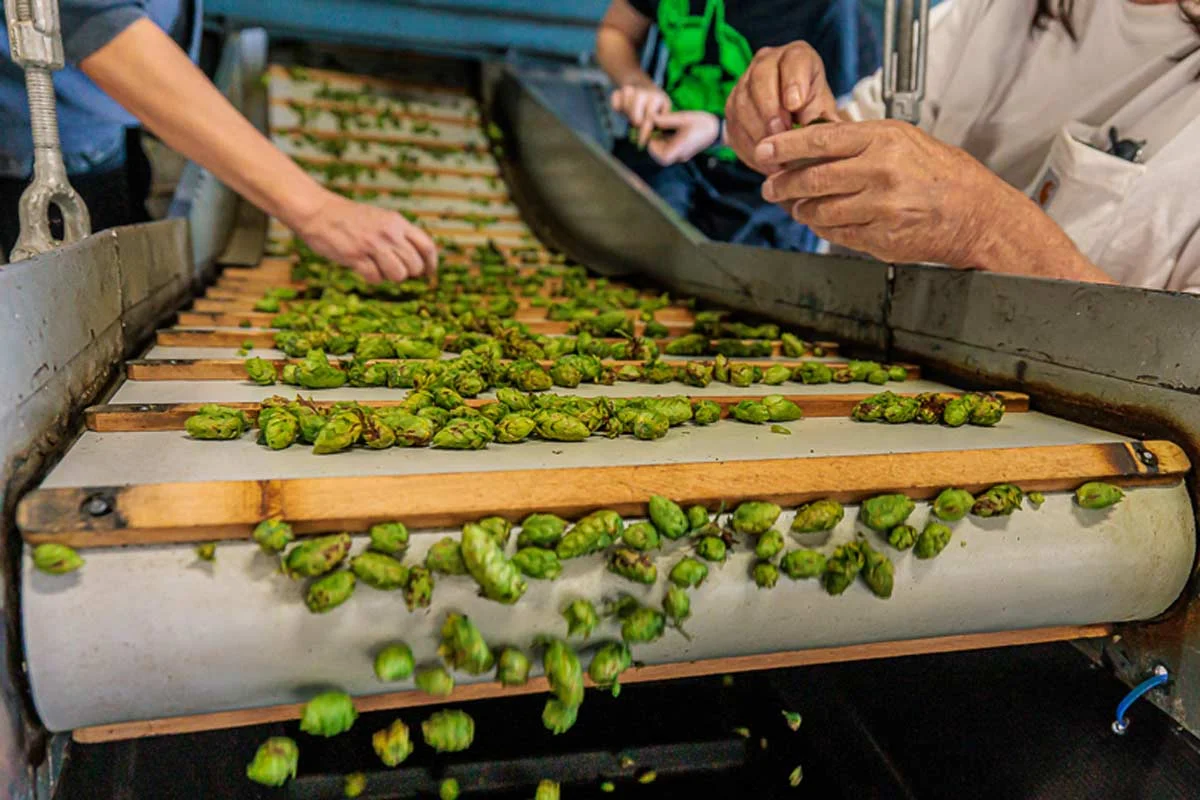
While the Pacific Northwest has long been synonymous with American hop production, the state of Michigan has quietly ascended to become the fourth-largest producer of hops in the United States and the undisputed leader in the Great Lakes region. This agricultural resurgence is not merely a product of favorable geography along the 45th parallel; it is the result of a sophisticated network of researchers, propagators, and farm managers who have stabilized an industry often susceptible to volatile market shifts and climate instability. At the center of this movement is a demographic of professionals whose contributions have historically remained behind the scenes: women. From the sterile environments of propagation greenhouses to the rigorous engineering of harvest logistics, women are increasingly defining the quality and identity of Michigan-grown hops.
The Geographical and Historical Context of Michigan Hops
Michigan’s hop industry is a story of revival. In the late 19th century, the state was a significant producer before a combination of downy mildew and the onset of Prohibition effectively eradicated the crop. The modern era of Michigan hops began in earnest around 2008, driven by the explosive growth of the craft beer movement. Brewers sought local ingredients to differentiate their products, leading to a rapid expansion of acreage. According to United States Department of Agriculture (USDA) National Agricultural Statistics Service (NASS) reports, Michigan’s hop acreage grew from near-zero in the early 2000s to over 800 acres by the early 2020s.
The success of this revival is rooted in Michigan’s unique "terroir." The 45th parallel, which bisects the state, provides the precise photoperiod—the duration of daily sunlight—required for hop plants to thrive. Hops are highly sensitive to day length; they require long summer days to stimulate flowering and cold winter temperatures to enter a necessary period of dormancy. Furthermore, the state’s glacial history left behind well-drained, sandy loam soils. Unlike many crops, hops "hate wet feet," requiring soil that allows moisture to pass through quickly to prevent root rot.
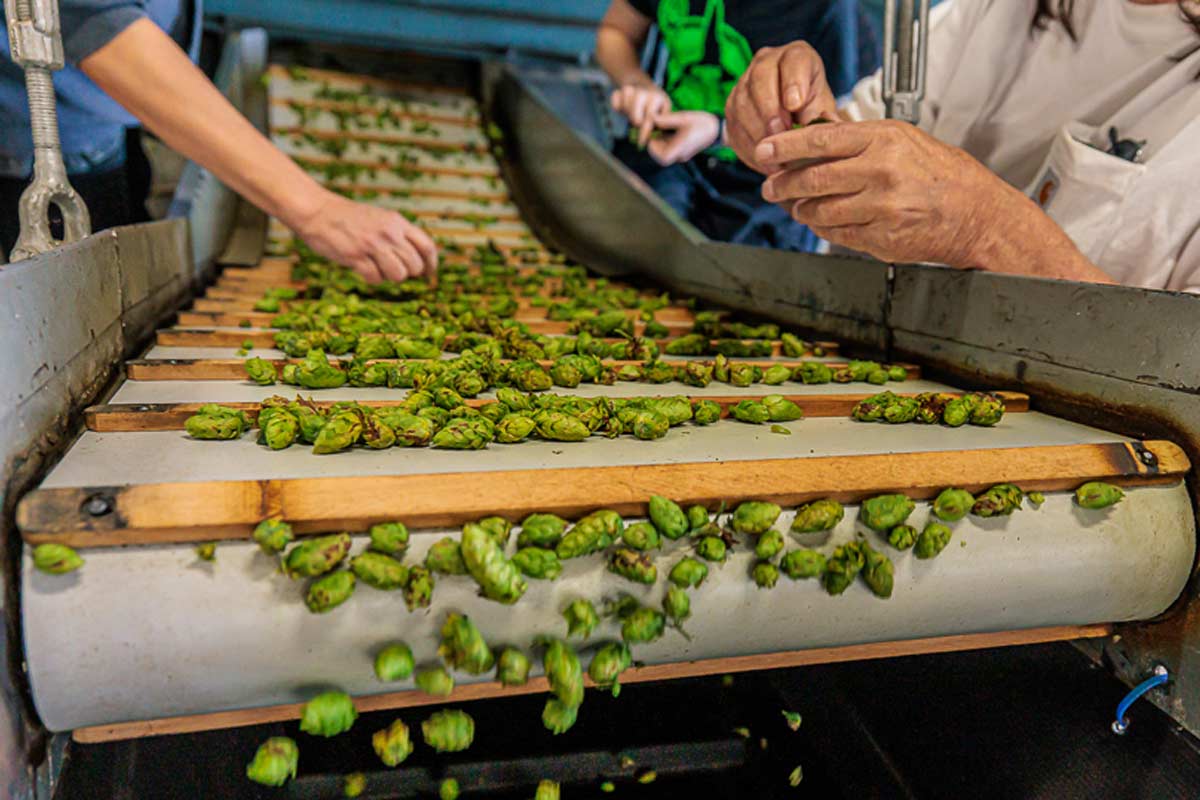
Botanically, hops are bines, not vines. While vines use tendrils or suckers to climb, bines utilize stiff hairs along their stems to wrap clockwise around support structures, such as twine. In a single Michigan growing season, these bines can rise more than 20 feet, requiring a level of structural engineering and labor-intensive management that few other crops demand.
The Scientific Foundation: Integrated Pest Management and Research
The viability of Michigan’s hop industry depends heavily on the partnership between private farms and Michigan State University (MSU). Erin Lizotte, MSU’s integrated pest management (IPM) coordinator and senior statewide educator, serves as a critical bridge between academic research and field application. In an industry where a single outbreak of downy mildew or an infestation of spider mites can decimate a season’s profits, Lizotte’s work in diagnosing diseases and navigating complex chemical approvals is indispensable.
The collaboration with MSU’s Plant and Pest Diagnostics lab ensures that growers have access to virus testing and data-driven solutions for emerging threats. As climate change introduces more erratic weather patterns, including unseasonable humidity and heat spikes, the role of IPM has shifted from reactive treatment to proactive stewardship. Lizotte and her team provide the research-backed confidence necessary for farmers to make high-stakes decisions regarding crop protection and soil health.
Propagation and the Clean Plant Protocol
Before a hop bine ever reaches a trellis, it begins in a controlled greenhouse environment. Julie Kane of Sandy Ridge Farms in Zeeland, Michigan, has spent over two decades in the greenhouse industry and has become a leading specialist in hop propagation. Since 2008, Kane has spearheaded the production of healthy starter stock, a role that requires strict adherence to the National Clean Plant Network protocols.
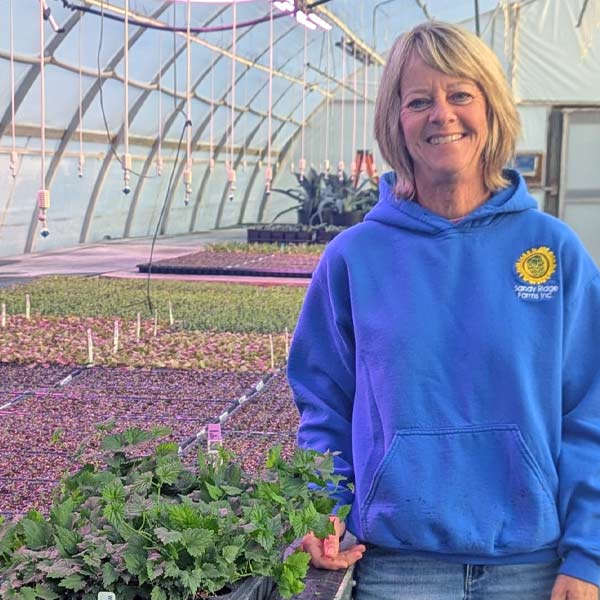
The "Clean Plant" protocol is a rigorous scientific standard designed to ensure that the industry is not spreading viruses or viroids that can stunt growth and reduce alpha-acid yields. Kane begins with virus-free "mother plants" and maintains a sterile environment through strict tool sanitation and preventative fungicide applications. This level of precision is vital for the long-term health of the state’s agriculture.
The challenges of this work were highlighted during recent summer heatwaves. Kane noted that temperatures inside greenhouses often exceeded 100 degrees Fahrenheit, requiring the implementation of extra shade cloths and increased irrigation schedules. Her ability to navigate these environmental stressors ensures that Michigan growers receive hardy, disease-resistant plants capable of surviving the transition to the field.
Stewardship and Sensory Excellence at the Brewery Level
The integration of hop production into the brewing process is perhaps most visible at Bell’s Brewery in Comstock. Here, Bonnie Steinman, a veteran horticulturist and land steward, manages the brewery’s two-and-a-half-acre hop yard alongside colleague Elizabeth Mullins. Their work represents a shift toward vertical integration, where the brewery maintains direct control over a portion of its raw materials.
Steinman’s approach emphasizes sensory analysis—the practice of evaluating hops through smell and touch to determine peak harvest timing. This method, passed down through industry veterans like former Bell’s Vice President John Mallett, involves identifying the transition of aromas from grassy to fruity to resinous. Mullins, who specializes in pest management and scouting, monitors five distinct varieties, ensuring the yard serves not only as a production site but also as a center for sustainability, featuring butterfly waystations and employee gardens.
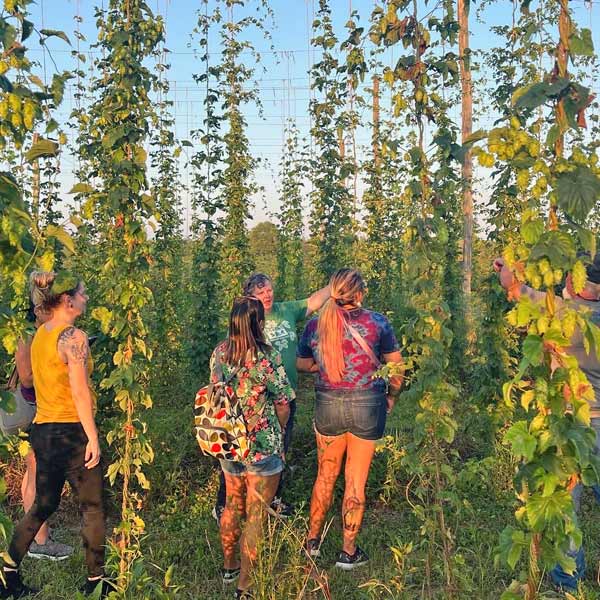
This model of stewardship extends to community education. Through organizations like the Pink Boots Society, Steinman and Mullins provide mentorship to women and nonbinary professionals in the beverage industry, fostering a more inclusive pipeline of talent that spans from the soil to the glass.
Engineering and Quality Control in Farm Operations
The transition from a small family plot to a commercial-scale hop farm requires rigorous organizational structure. Mel Trowbridge of Top Hops Farm in Goodrich brought 40 years of experience as an automotive engineer and quality control specialist to the agricultural sector. Her influence has transformed the farm into a process-driven operation where tasks are rotated and every workday concludes with a team debrief—a practice mirrored after industrial plant floors.
During the harvest, which Trowbridge describes as "wrestling a jungle," her role is one of orchestration. She manages the delicate balance of labor scheduling, machinery maintenance, and quality checks. This engineering-focused mindset is crucial for Michigan’s small and independent growers to compete with larger, more established operations in the West. By applying lean manufacturing principles to agriculture, Trowbridge has demonstrated how operational efficiency can offset the risks of a volatile market.
Defining the Michigan Identity: The Chinook Variety
A central goal for Michigan’s hop industry is the establishment of a unique market identity. While the Pacific Northwest is known for its high-alpha, resinous hops, Michigan has found its signature in the Chinook variety. Rose Stahl, co-owner of Mr. Wizard’s Hops in Monroe, has been a key figure in promoting this distinction.
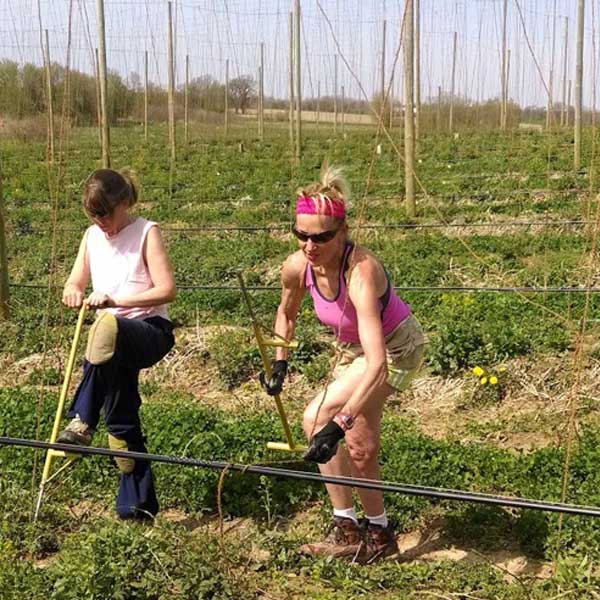
Under Michigan’s specific soil and climate conditions, the Chinook hop expresses a different aromatic profile than its Oregon or Washington counterparts, leaning toward notes of pineapple and citrus rather than heavy pine. Since 2017, the "Chinook Cup," hosted by the Hop Growers of Michigan and organized in part by Stahl, has served as a premier competition to highlight the quality of the state’s harvest. This event incentivizes growers to focus on quality over quantity, helping to cement Michigan’s reputation for premium aroma hops.
Socio-Economic Implications and the Future of the Industry
Despite the technical and scientific successes of these women, much of their labor has historically been classified as "invisible." Amy Tennis of the Michigan Hop Alliance notes that on many family farms, women handle the complex administrative and logistical tasks—grant writing, bookkeeping, irrigation management, and fundraising—while men often serve as the public face of the business.
The current landscape of the Michigan hop industry is one of cautious optimism. The market has faced contraction due to an oversupply of certain varieties and a cooling of the craft beer "gold rush." However, the expertise of women in research, propagation, and farm management provides a foundation of resilience. As Nicole Shriner, a hops researcher at MSU, suggests, the goal is not to replicate the Pacific Northwest model but to carve out a niche where "Michigan-grown" serves as a global hallmark of quality and sustainability.
The future of the industry will likely be defined by how well it adapts to climate change and labor shortages. The ongoing work of women in developing heat-resistant strains, implementing automated quality control, and advocating for local sourcing is essential for Michigan to maintain its status as a national leader. As the industry matures, the visibility of these professionals is finally catching up to the scale of their contributions, ensuring that the story of Michigan hops is as much about human ingenuity as it is about the land itself.