admin
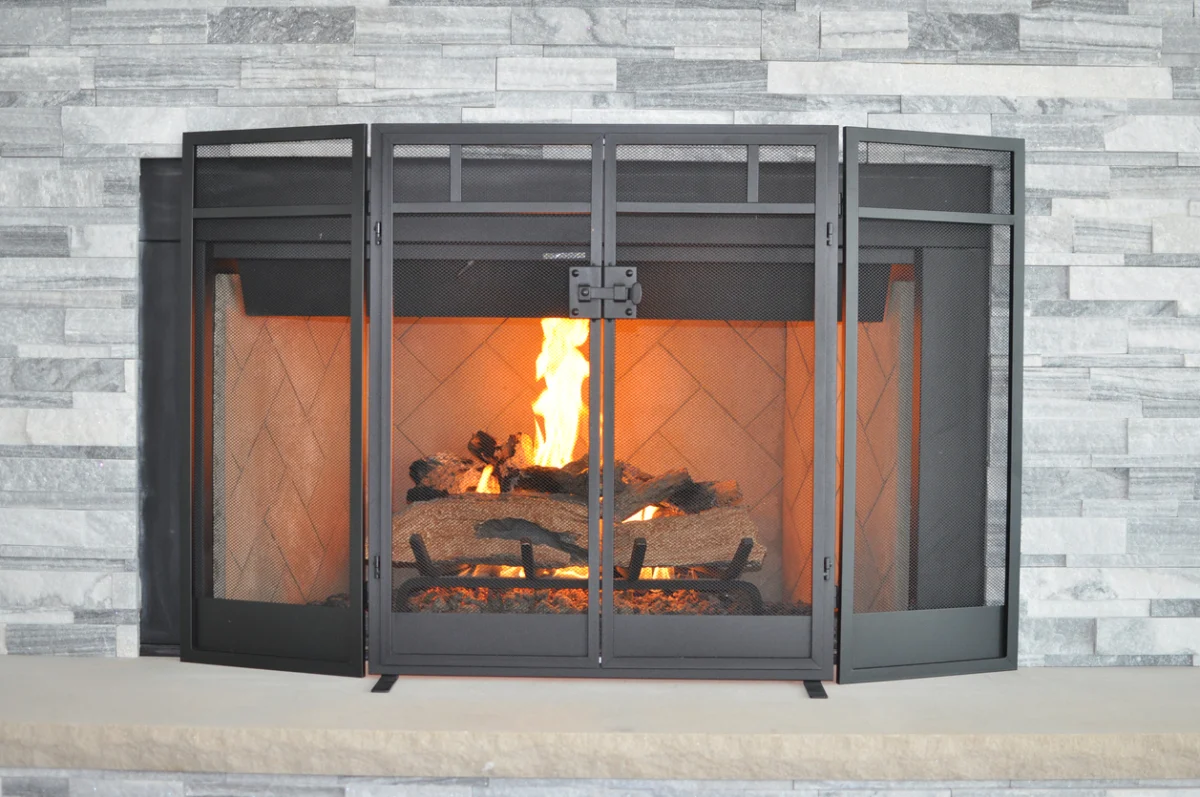
A fireplace should serve as a primary source of warmth, comfort, and communal connection within a residence, yet without diligent upkeep, it can quickly transition into a significant fire hazard and a source of profound domestic anxiety. Chris Maxson, the Chief Executive Officer of Acucraft Fireplaces based in Big Lake, Minnesota, emphasizes that homeowners must prioritize rigorous safety evaluations over aesthetic considerations. Even if a fireplace appears structurally sound from the exterior, its internal mechanisms and venting systems may be compromised by years of neglect or environmental factors. Consequently, industry experts advocate for a strict "no-burn" policy for any fireplace that has not undergone a professional inspection or comprehensive cleaning within the preceding twelve months.
The necessity of this caution is underscored by the hidden nature of fireplace deterioration. While a hearth may remain unused for several seasons, the chimney and flue are continuously exposed to the elements and local wildlife. Chimneys frequently become sites for avian nesting, the accumulation of wind-blown debris, and moisture-induced structural decay. Whether a household utilizes a traditional wood-burning hearth or a modern high-efficiency gas insert, understanding the distinct maintenance requirements for each system is essential for protecting both the property and its occupants.
The Critical Role of Regular Maintenance in Fire Prevention
The primary objective of fireplace maintenance is the mitigation of fire risks and the prevention of toxic gas infiltration. According to data from the National Fire Protection Association (NFPA), heating equipment is one of the leading causes of residential fires in the United States. Between 2016 and 2020, local fire departments responded to an estimated average of 44,210 home structure fires caused by heating equipment per year. These fires resulted in an annual average of 480 civilian deaths, 1,120 civilian injuries, and $1 billion in direct property damage. Notably, chimneys and fireplace flues accounted for a significant portion of these incidents, often due to the failure to clean creosote and other combustible byproducts.
For wood-burning systems, the most significant threat is the accumulation of creosote. This dark, tar-like substance is a byproduct of incomplete combustion and attaches itself to the inner walls of the chimney flue. Creosote exists in three stages:
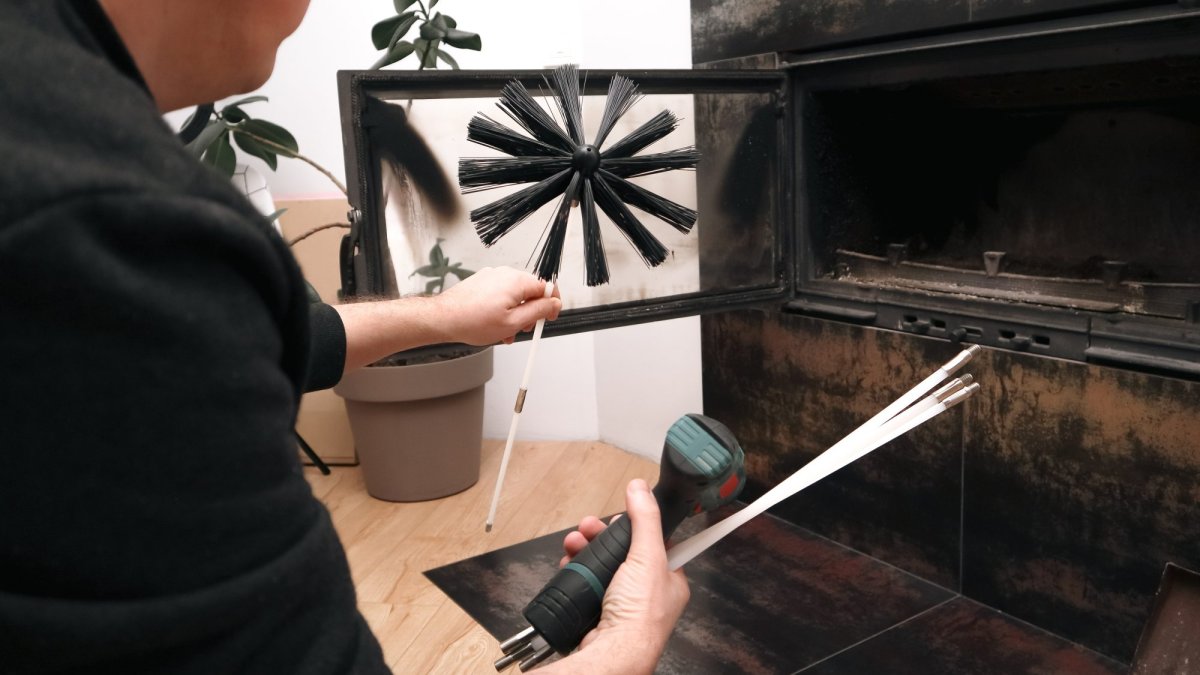
- Stage One: A flaky, soot-like deposit that is easily removed with a standard chimney brush.
- Stage Two: A crunchy, tar-like deposit that is more difficult to dislodge and indicates restricted airflow.
- Stage Three: A thick, glazed coating that is highly concentrated and extremely flammable. This stage is often the precursor to a chimney fire, which can reach temperatures high enough to melt metal liners and ignite the surrounding wooden framework of a home.
Gas fireplaces, while cleaner in terms of particulate emissions, present their own set of risks. These systems rely on precise venting and ignition components to ensure that combustion byproducts, including carbon monoxide (CO), are safely exhausted from the home. Over time, gas burners can become clogged with dust or household pet dander, and venting pipes can become obstructed by debris or corroded by moisture. Because carbon monoxide is colorless and odorless, a malfunctioning gas fireplace can lead to life-threatening exposure without any immediate warning signs to the residents.
Distinguishing Between Professional Inspection and Routine Cleaning
A common misconception among homeowners is that a visual cleaning of the firebox is sufficient for safety. However, Chris Maxson notes that cleaning and inspections are distinct yet complementary processes. Cleaning focuses on the removal of physical obstructions and combustible buildup, whereas an inspection is a diagnostic process designed to identify structural vulnerabilities, code violations, and mechanical failures.
The Chimney Safety Institute of America (CSIA) and the NFPA categorize inspections into three distinct levels:
- Level 1 Inspection: This is the standard requirement for an annual checkup if the fireplace usage has not changed. It involves a visual examination of the accessible portions of the chimney exterior, interior, and accessible portions of the appliance and the chimney connection.
- Level 2 Inspection: Required during the sale or transfer of a property, or following an event that may have caused damage, such as a chimney fire or earthquake. This level includes everything in Level 1 plus a video scan of the internal flue surfaces and an evaluation of clearances from combustibles in attics and crawl spaces.
- Level 3 Inspection: This is the most invasive level, utilized when a serious hazard is suspected. It may involve the removal of certain parts of the building or chimney structure to gain access to concealed areas.
For wood-burning fireplaces, a professional chimney sweep should be contracted at least once a year. Homeowners who burn wood frequently—defined as more than three times a week during the winter—may require mid-season cleanings to manage ash and soot levels. Gas fireplaces also require annual professional servicing, which typically includes cleaning the burner, checking the thermocouple and thermopile (ignition components), and verifying the integrity of the glass seal and venting system.
Performance and Longevity: The Economic Case for Upkeep
Beyond the immediate safety concerns, regular maintenance significantly enhances the performance and lifespan of the fireplace system. A clean chimney facilitates a stronger "draft," which is the upward movement of air that pulls smoke out of the house. When a chimney is obstructed or excessively dirty, the draft is weakened, often resulting in smoke "back-puffing" into the living area, which can damage furniture, carpets, and air quality.
Furthermore, neglected components are prone to premature failure. In gas systems, a buildup of dust on the pilot assembly can cause the unit to fail to ignite, leading to costly service calls during peak winter months. In wood-burning systems, moisture that enters through a cracked chimney crown or a missing chimney cap can freeze and expand, causing masonry to "spall" or flake off. By investing in annual preventive maintenance, homeowners can avoid the exorbitant costs associated with full chimney relining or masonry reconstruction, which can range from $3,000 to over $10,000 depending on the extent of the damage.
Comprehensive Safety Protocols for the Modern Household
To complement professional inspections, homeowners should adhere to a rigorous set of daily operational safety protocols. Maxson and other industry leaders suggest the following best practices:
1. Strategic Alarm Placement
Every home with a fuel-burning appliance must be equipped with functioning smoke and carbon monoxide detectors. These should be installed on every level of the home and specifically outside of sleeping areas. Given that fireplaces are often used in the evening, having an alarm that can wake sleeping occupants is a critical line of defense.
2. Fuel Selection and Preparation
For wood-burning units, the type of fuel used directly impacts the rate of creosote accumulation. Homeowners should only burn "seasoned" wood, which has been dried for at least six to twelve months and has a moisture content below 20 percent. Burning "green" or wet wood produces more smoke and results in rapid creosote buildup. Furthermore, treated lumber, painted wood, and household trash should never be burned, as they release toxic chemicals and heavy metals into the air.
3. Maintaining Clearances
A "zone of safety" should be maintained around the hearth. Combustible materials, including furniture, rugs, holiday decorations, and stacks of firewood, should be kept at least three feet away from the fireplace opening. This reduces the risk of ignition from radiant heat or stray sparks.
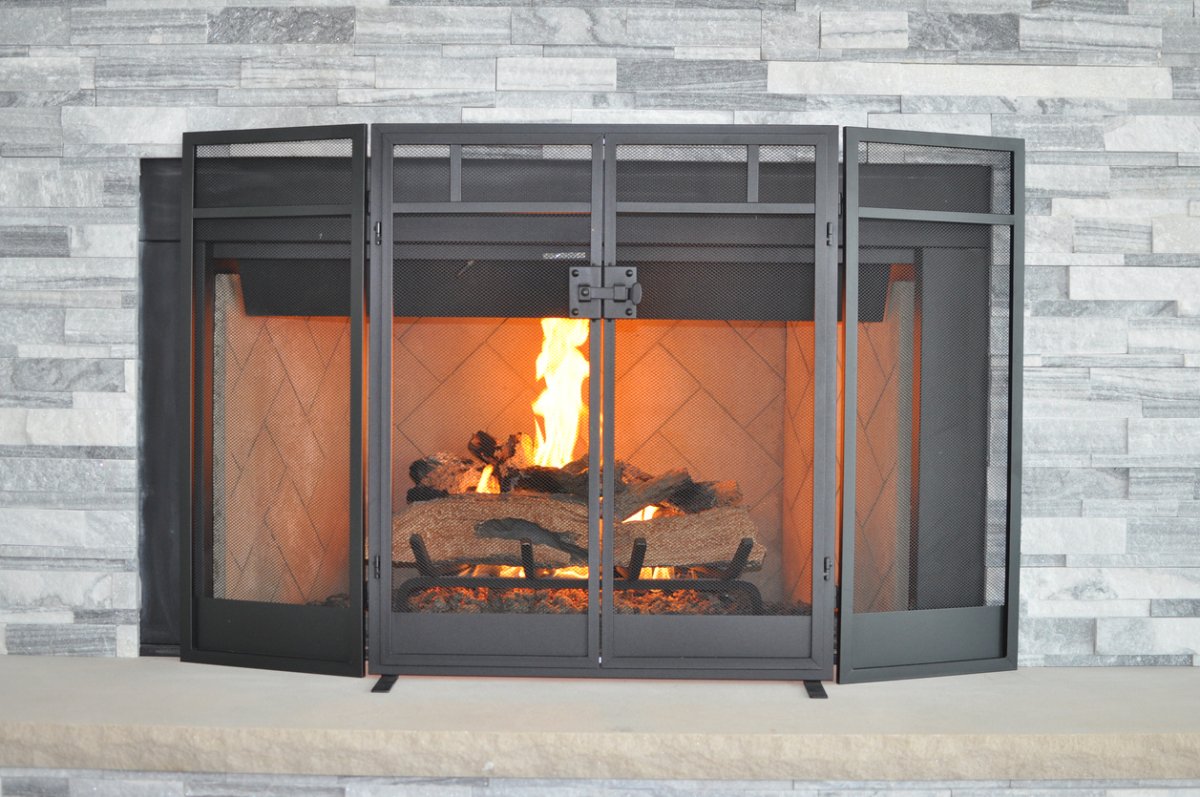
4. Barrier Implementation
Appropriate screens or glass doors should be utilized at all times. For wood-burning fireplaces, a spark screen prevents embers from jumping onto combustible flooring. For gas fireplaces, the glass front can reach temperatures exceeding 400 degrees Fahrenheit; therefore, safety screens are essential to prevent accidental contact burns, particularly in homes with small children or pets.
5. Safe Ash Disposal
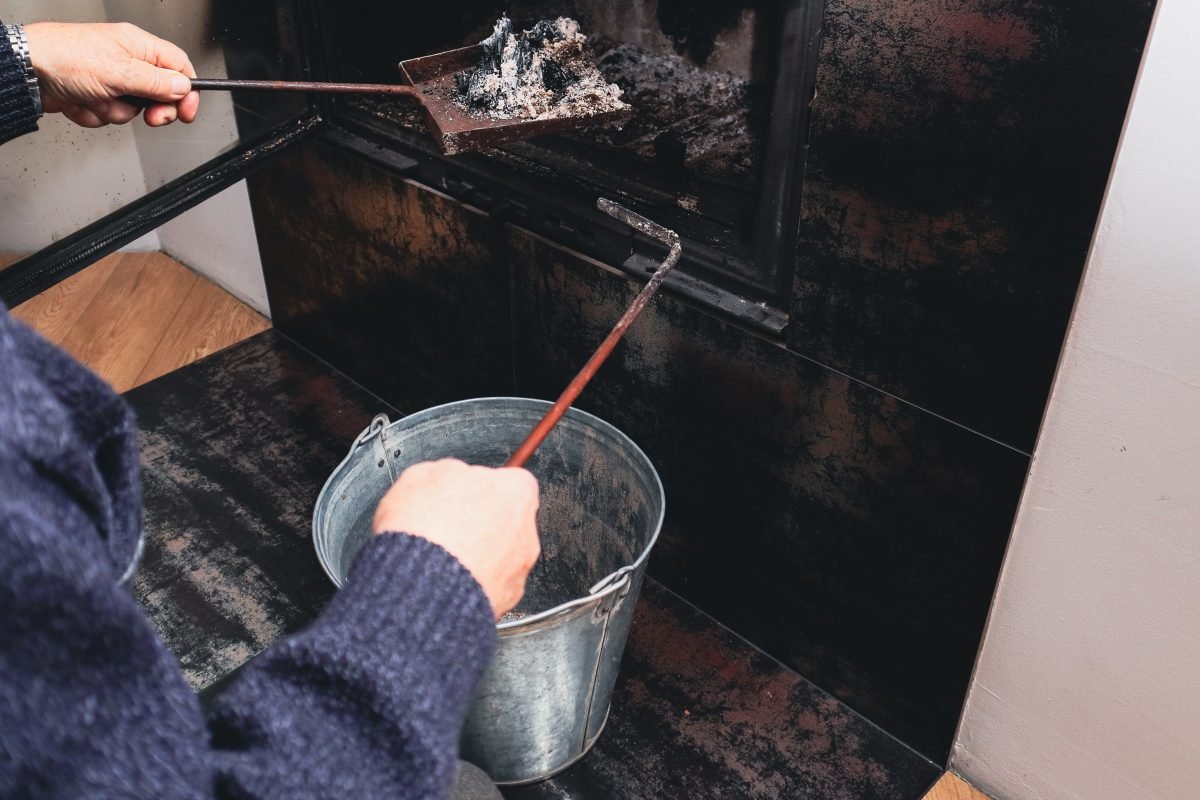
One of the most frequent causes of post-fire accidents is the improper disposal of ashes. Embers can remain hot and capable of igniting a fire for several days after the flames have died out. Ashes should be scooped into a metal container with a tight-fitting lid and stored outdoors on a non-combustible surface (like brick or concrete) away from the house until they are completely cold.
Recognizing Warning Signs and When to Cease Use
Homeowners must remain vigilant for signs of system failure between professional visits. Unusual odors, such as a persistent "campfire" smell when the fireplace is not in use, often indicate a heavy creosote deposit or a backdraft issue. In gas units, a yellow or "lazy" flame, soot accumulation on the ceramic logs, or a film on the glass are indicators of improper combustion.
Perhaps the most critical warning sign is the smell of gas. If a resident detects the odor of natural gas or propane, they must immediately evacuate the premises and contact their gas utility provider or emergency services from a safe distance. Using a phone or flipping a light switch within a gas-filled environment can trigger an explosion.
Conclusion: A Proactive Approach to Residential Heating
The transition toward the colder months necessitates a proactive shift in home management. By treating the fireplace not merely as a decorative feature but as a complex mechanical system, homeowners can ensure that their source of winter comfort does not become a liability. The combination of annual professional inspections, routine cleaning, and strict adherence to operational safety standards forms a comprehensive shield against the risks of fire and toxic exposure. As Chris Maxson concludes, the goal of every fireplace owner should be to enjoy the warmth of the hearth with the absolute peace of mind that comes from professional verification and diligent care.