admin
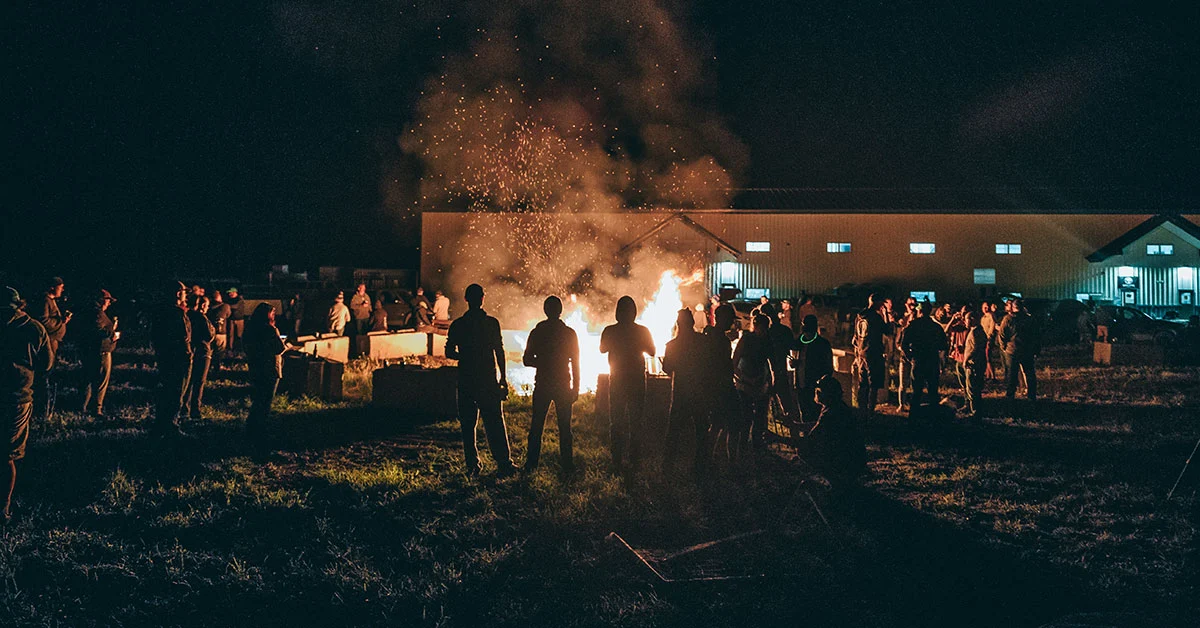
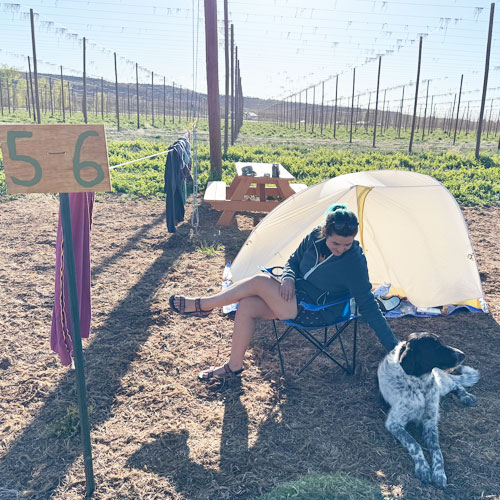
The evolution of the American craft beer industry has reached a critical inflection point where the quality of the liquid in the glass is no longer the sole arbiter of a business’s success. In Mount Olive, North Carolina, a town widely recognized for its namesake pickle industry, Ryan Roberts, the owner of R&R Brewing, represents a growing cohort of entrepreneurs who are redefining the brewery as a multi-use destination. Since opening his doors in 2018, Roberts has navigated a shifting landscape where local beer has transitioned from a novel lure to a commodified staple. Faced with underutilized property and the persistent burden of land taxes, Roberts sought a way to maximize the "value of the dirt" surrounding his brewery. His solution—transforming a fenced yard once intended for food trucks into a viable overnight destination for travelers—mirrors a nationwide trend where breweries are increasingly doubling as campgrounds to secure a "captive audience" in an increasingly crowded market.
The Post-Pandemic Shift in Consumer Behavior
The convergence of the craft beer and camping industries is not accidental; it is the result of specific socioeconomic shifts accelerated by the COVID-19 pandemic. In 2020, as indoor gathering spaces faced unprecedented restrictions, the American public pivoted toward outdoor recreation at a record pace. According to data from the RV Industry Association (RVIA), RV shipments saw a dramatic surge during this period, peaking in 2021 with over 600,000 units produced—a nearly 40 percent increase over previous years. This surge in mobile travel created an immediate shortage of traditional camping infrastructure, leading travelers to seek alternative accommodations.
Simultaneously, the craft beer market, which had enjoyed a decade of explosive growth, began to experience saturation. By the early 2020s, with over 9,000 craft breweries operating across the United States, the "build it and they will come" philosophy of the 2010s had become obsolete. To maintain growth, breweries were forced to innovate beyond the taproom. The marriage of brewing and camping emerged as a synergistic solution: breweries provided the space and the social hub, while campers provided a reliable, high-spending customer base.
The Role of Private Land-Sharing Platforms
The infrastructure for this integration has been largely facilitated by third-party platforms such as Harvest Hosts, Hipcamp, and The Dyrt. Harvest Hosts, a membership-based program, allows self-contained RVers to park overnight at private locations including farms, wineries, and breweries for no additional fee beyond the annual membership. The implicit agreement is that the guests will patronize the host business.
For Roberts at R&R Brewing, the decision to join Harvest Hosts in late 2020 required a minimal capital investment of approximately $60 for signage. The return on investment was almost immediate. By providing flat ground for parking, Roberts tapped into a demographic that was eager to avoid the utilitarian atmosphere of big-box store parking lots. These travelers, often spending an average of $80 per visit on pints and merchandise, represented a new revenue stream that required zero additional production overhead.
Data from The Dyrt, a prominent camping platform, underscores the viability of this model. Their surveys indicate that 45 percent of campers regularly bring beer on their trips, and 37 percent of those beer-drinking campers specifically prefer craft beer. Kevin Long, CEO of The Dyrt, notes that breweries are a primary draw because they solve the logistical and safety concerns of the "drink-and-drive" dilemma. By offering on-site camping, breweries allow patrons to enjoy high-gravity IPAs and stouts before walking a short distance to their own beds.
Diverse Operational Models: From Wyoming to Ohio
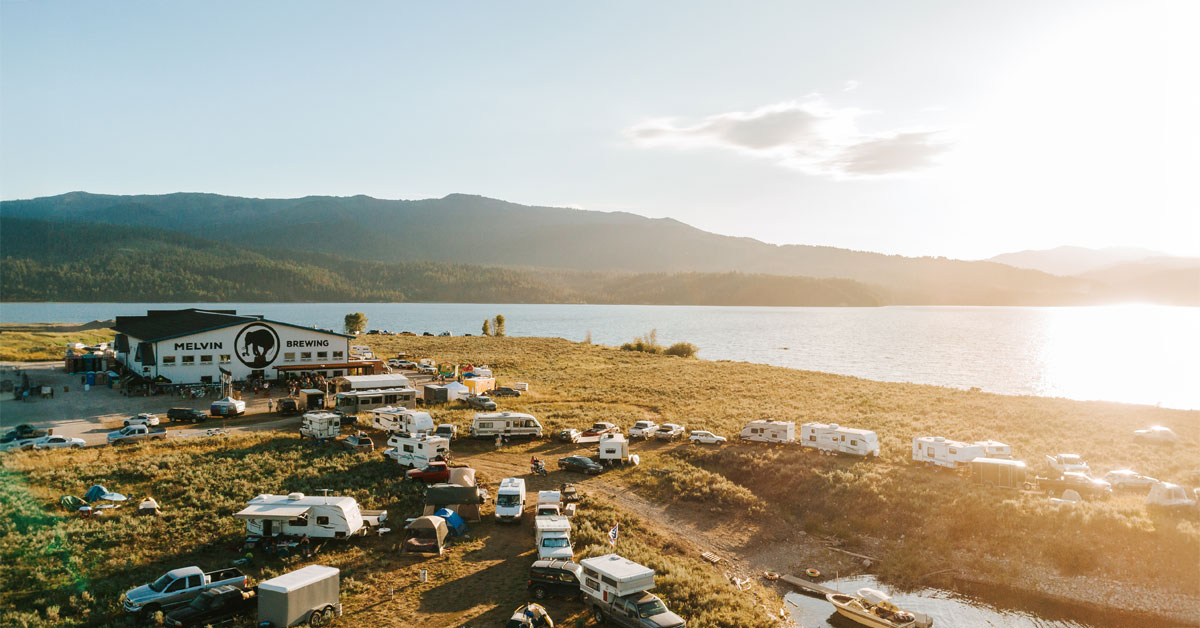
The implementation of brewery camping varies significantly based on geography and local regulations. In Alpine, Wyoming, Melvin Brewing utilizes its proximity to the Palisades Reservoir and adjoining Bureau of Land Management (BLM) property to offer a "wild" camping experience. According to Molly Reilly, Vice President of Marketing for Melvin’s parent company, Pure Madness Group, the brewery offers no-frills, dispersed campsites on a first-come, first-served basis. This model appeals to the "off-the-grid" enthusiast, emphasizing the brewery as a trailhead for outdoor adventure.
In contrast, other breweries are investing in more robust infrastructure to attract traditional campers. Golden Grove Farm & Brew in Piedmont, South Carolina, occupies a 100-acre site adjacent to Interstate 85, a corridor that sees roughly 50,000 vehicles per day. Co-founder Andrew Brown has integrated an 18-hole disc golf course and is currently expanding power hookups to accommodate 20 additional campers. Brown notes that even non-drinking campers contribute to the bottom line through merchandise sales, highlighting the brewery’s transition into a broader "agritourism" brand.
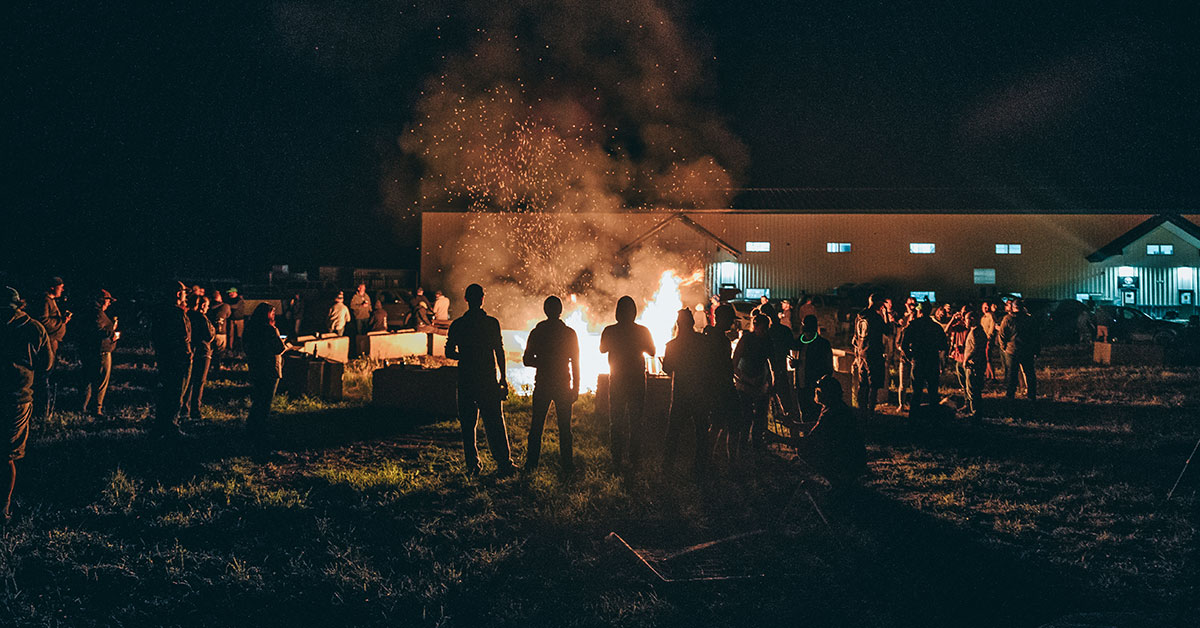
A third model involves the acquisition of existing campgrounds by brewery interests. In Huntsville, Ohio, Doug Olsen purchased the Indian Lake Adventures campground in 2023 and established Camp Brewing on the property the following year. This "campground-first" approach flips the traditional brewery model, ensuring that the taproom has a built-in customer base from day one. Olsen’s expansion plans into nearby Bellefontaine, Ohio, with Adventure Trails, suggest that the integration of hospitality and brewing is a scalable business strategy.
Navigating Regulatory and Operational Challenges
Despite the clear financial benefits, the integration of a brewery and a campground is fraught with logistical and legal complexities. From a regulatory standpoint, the two entities often fall under different licensing jurisdictions. In many states, liquor laws strictly dictate where alcohol can be sold versus where it can be consumed. At Camp Brewing in Ohio, for instance, patrons are prohibited from bringing outside beverages into the taproom, yet they are allowed to bring their own beer to their campsites. To bridge this gap, the brewery offers to-go options such as growlers and plastic cups of their signature "Pitch a Tent Pilsner," allowing the business to capture sales that would otherwise go to local convenience stores.
Staffing presents another hurdle. A campground requires 24-hour management, site maintenance, and guest services that differ significantly from the duties of a taproom bartender. Successful operations, such as Boothbay Craft Brewery in Maine, have managed this by treating the campground as a "boutique" experience. Owners Win and Lori Mitchell transformed their 10-acre property into a high-end RV park with 24 hook-up sites, pairing the stay with a tavern that serves gourmet local fare like lobster-packed pretzel buns. This high-touch hospitality model relies on word-of-mouth marketing within the tight-knit RV community, which Lori Mitchell identifies as their most effective form of advertisement.
The Festival Factor and Market Sustainability
Beer festivals have also begun to leverage camping to mitigate the risks associated with rural locations and limited transportation. The Burning Foot Beer Festival in Muskegon, Michigan, offers beachfront camping on the shores of Lake Michigan to accommodate 300 groups of attendees. Jimmy Hegedus, the festival’s beverage director, argues that camping is a necessity in towns with limited hotel capacity, as it provides a safe and affordable way for patrons to stay overnight after a day of consumption.
However, the "destination brewery" model is not immune to market volatility. The recent cancellation of the "Belgium Comes to Cooperstown" (BCTC) festival at Brewery Ommegang in New York serves as a cautionary tale. Despite a long history of successful camping-integrated events, the brewery was forced to cancel its 2023 iteration due to lower-than-projected ticket sales. The brewery cited the inability to deliver a high-quality experience under current economic constraints, suggesting that while the demand for brewery camping is high, the cost of producing large-scale immersive events is rising.
Broader Economic Implications and Future Outlook
The trend of brewery-based camping represents a significant shift in rural economic development. By transforming "dirt" into a destination, small-town breweries are acting as catalysts for regional tourism. These businesses provide a reason for travelers to exit the interstate and spend money in communities that might otherwise be overlooked.
As the craft beer industry continues to mature, the focus is shifting from production volume to "experience per square foot." The success of R&R Brewing, Golden Grove, and others suggests that the future of the industry lies in diversification. For many small and independent brewers, the path to long-term sustainability may not be found in the canning line, but in the parking lot and the tent pad. By embracing the outdoor hospitality sector, breweries are not only maximizing their land value but are also cementing their roles as the modern community hubs of the American landscape.
The Brewers Association, which represents small and independent craft brewers, continues to monitor these trends as part of a broader move toward "experiential" taprooms. While the "camping boom" of the early 2020s may eventually stabilize, the infrastructure created during this period has permanently altered the expectations of the craft beer consumer. In the new landscape of American brewing, the most successful taprooms are those that offer a place to stay, not just a place to drink.