admin
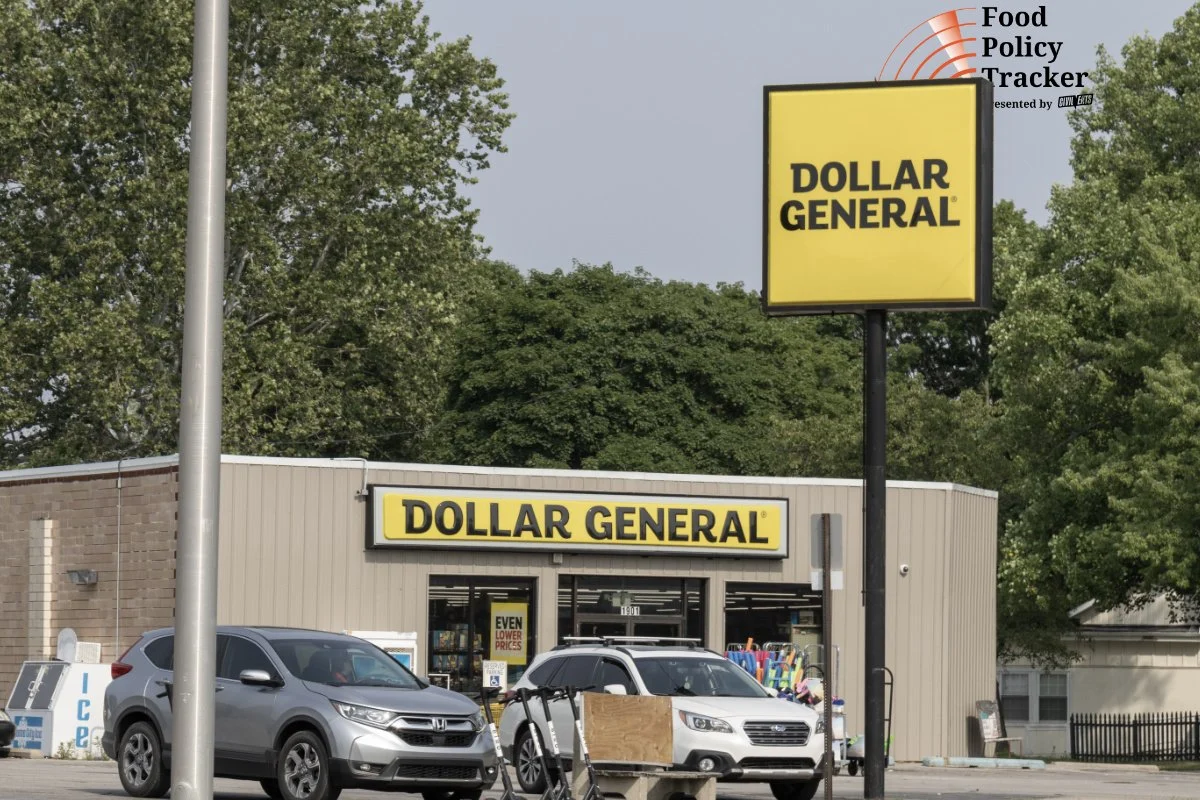
The Federal Trade Commission (FTC), in a significant move, joined forces with attorneys general from 20 states yesterday, October 27, 2026, to file a comprehensive lawsuit against the Dollar General Corporation. The lawsuit alleges that the discount retail giant has systematically and knowingly engaged in deceptive pricing practices, charging customers more than the prices displayed on its shelves. This legal action, brought forward on the heels of mounting consumer complaints and prior settlements, spotlights critical issues of consumer protection, particularly for vulnerable populations relying on Dollar General stores as their primary retail option.
The Heart of the Allegations: Systemic Overcharging
The core of the complaint details a pattern of egregious misconduct, asserting that Dollar General has for years intentionally mislabeled prices and overcharged customers. This isn’t a matter of isolated incidents; the lawsuit posits that the company’s practices are systemic, deeply embedded within its operational framework. Despite receiving tens of thousands of complaints from customers across the nation regarding price discrepancies, the complaint alleges that Dollar General consistently failed to adequately respond or implement effective measures to rectify the pervasive problem.
The impact of these alleged overcharges is not merely an inconvenience but a significant financial burden, especially for the millions of Americans who depend on Dollar General for their daily necessities. As the complaint eloquently states, "The consequences of these overcharges fall most heavily on shoppers living on razor-thin margins—families who carefully budget every dollar and rely on accurate, transparent pricing simply to meet their day-to-day needs." For households where every cent is meticulously accounted for, even minor discrepancies of a few cents or a dollar per item can accumulate into substantial losses over time, eroding already strained budgets.
Dollar General’s Unrivaled Footprint in Underserved Communities
Dollar General operates an expansive network of more than 21,000 stores nationwide, a figure that underscores its immense reach and influence in the American retail landscape. What makes this lawsuit particularly impactful is the strategic placement of a significant number of these stores. Many Dollar General locations are situated in rural areas and what are commonly known as "food deserts"—regions characterized by limited access to affordable, nutritious food options. In these communities, Dollar General often stands as the sole nearby grocery or general merchandise store, rendering its pricing practices critically important for local residents.
For millions of Americans, particularly those with limited transportation, lower incomes, or residing in remote areas, Dollar General is not merely a convenience store but an essential lifeline. It serves as a crucial access point for everything from pantry staples and household goods to personal care items and, increasingly, a limited selection of fresh produce. This unique market position imbues Dollar General with a heightened responsibility towards its consumer base, many of whom are among the nation’s most economically vulnerable. The alleged systematic overcharging, therefore, strikes at the very heart of economic justice and fair commerce for those with the fewest alternatives.
A History of Scrutiny: A Timeline of Pricing Accuracy Concerns
The recent lawsuit is not an isolated incident but rather the culmination of years of escalating concerns and regulatory actions against Dollar General. A discernible pattern of pricing inaccuracy issues has plagued the company for nearly a decade, leading to multiple enforcement actions by state authorities.
- 2019-2026: During this seven-year period, Dollar General entered into at least six separate settlements with various state attorneys general and consumer protection agencies specifically addressing allegations of mislabeled products and overcharging. These settlements, though often resolved out of court, collectively resulted in Dollar General paying approximately $6 million in penalties. While the original article does not specify which states were involved in these earlier settlements, their cumulative nature indicates a persistent and widespread problem that regulatory bodies had been attempting to address. These prior actions serve as crucial background, suggesting that the company was well aware of its pricing accuracy challenges long before the current federal-state litigation.
- Early February 2026: The Federal Trade Commission and the coalition of states formally initiated their investigation into Dollar General’s pricing practices. Dollar General publicly stated that it was made aware of this comprehensive investigation during this period.
- Throughout 2026: According to Dollar General’s own statement, the company claims it "complied throughout the process" of the investigation, providing information and engaging with the regulatory bodies.
- September 2026: A critical juncture in the pre-litigation phase occurred when the FTC and the states presented Dollar General with a proposed settlement offer. Dollar General characterized this offer as "unrealistic." In response, the company submitted a counter-offer, signaling its willingness to negotiate but not on the terms initially proposed by the plaintiffs.
- October 27, 2026: Following the breakdown of settlement negotiations, the FTC and the 20 states proceeded with filing the landmark lawsuit in federal court, escalating the dispute to a full legal battle.
- October 28, 2026: News of the lawsuit breaks, drawing national attention to the allegations and the broader implications for consumer protection.
This chronology paints a picture of a company facing long-standing challenges in maintaining accurate pricing, despite repeated warnings and monetary penalties. The decision by the FTC to join a multi-state action suggests a growing frustration among regulators regarding the company’s perceived failure to adequately address the issue.
Dollar General’s Official Stance and Defense
In response to the filing of the lawsuit, Dollar General released a statement disputing the claims and expressing surprise at the legal action. The company asserted that it had, in recent years, "enhanced its price accuracy process" as part of ongoing efforts to ensure correct pricing. This statement suggests an internal recognition of past issues and a commitment to improvement, albeit one that the plaintiffs clearly deem insufficient.
Furthermore, Dollar General highlighted its cooperation with the investigation since being informed of it in early February 2026. The company specifically referenced the settlement negotiations, stating its surprise at the lawsuit given its presentation of a counter-offer to what it considered an "unrealistic" settlement proposal from the FTC and states in September. This implies that Dollar General believed it was engaging in good-faith negotiations and was caught off guard by the decision to proceed with litigation. The company’s defense will likely hinge on demonstrating its efforts to improve pricing accuracy, arguing that any discrepancies are not systemic or "knowing" but rather isolated errors, and challenging the legal basis for the plaintiffs’ claims of willful misconduct.
The Economic Landscape and Broader Implications
This lawsuit unfolds against a backdrop of significant economic anxiety for many Americans. With midterm elections approaching, issues of food prices and overall affordability are top concerns for voters. Inflationary pressures have squeezed household budgets, making every dollar count more than ever. In this environment, even minor overcharges can have a disproportionate impact, particularly on low-income families, seniors on fixed incomes, and individuals relying on government assistance programs like SNAP (Supplemental Nutrition Assistance Program).
For these populations, Dollar General stores often represent the only accessible retail option, especially in areas designated as food deserts where traditional supermarkets are absent. A study by the U.S. Department of Agriculture in 2021 indicated that nearly 19 million people in the U.S. live in low-income areas with limited access to grocery stores, making them highly dependent on smaller format stores like Dollar General for their food and household needs. When these stores allegedly engage in deceptive pricing, it exacerbates food insecurity and financial strain for those least able to absorb unexpected costs.
Consumer advocacy groups have long highlighted the vulnerability of shoppers in these retail environments. Unlike larger supermarkets where price discrepancies might be more easily noticed or challenged due to a wider array of alternatives, customers at Dollar General often face a "take it or leave it" scenario. The cumulative effect of small overcharges—say, 50 cents on a box of cereal, a dollar on a cleaning product, or 25 cents on a can of vegetables—can amount to several dollars on a typical shopping trip. For a family budgeting $50-$100 for groceries, a 5-10% overcharge represents a significant portion of their available funds, potentially forcing difficult choices between essential items.
Legal experts suggest that the "knowing" aspect of the complaint will be crucial. If the FTC and states can prove that Dollar General was not only aware of the problem but actively failed to address it despite numerous warnings and prior settlements, the penalties could be substantial. Beyond monetary fines, the lawsuit could seek injunctive relief, forcing Dollar General to implement sweeping changes to its pricing systems, staff training, and internal auditing procedures to ensure consistent price accuracy across its vast network of stores.
Reactions from Stakeholders and the Path Forward
The lawsuit has been met with varied reactions from across the spectrum of stakeholders.
- Consumer Advocates: Organizations dedicated to consumer protection and economic justice have largely applauded the lawsuit, viewing it as a critical step toward holding large corporations accountable. Emily Harris, a spokesperson for the National Consumer Rights Alliance, stated, "This lawsuit sends a clear message that predatory pricing practices against vulnerable communities will not be tolerated. For too long, families on the tightest budgets have borne the brunt of corporate negligence, or worse, deliberate deception."
- State Attorneys General: Representatives from the 20 states involved have reiterated their commitment to protecting their constituents from unfair business practices. Attorney General Maria Rodriguez of California commented, "When businesses exploit the trust of their customers, especially those who have limited options, we have a duty to intervene. Our collaboration with the FTC underscores the severity and widespread nature of these alleged violations."
- Legal Scholars: Legal analysts specializing in consumer law note the strategic power of a joint FTC-state action. Professor David Chen of Georgetown Law School remarked, "A multi-state lawsuit backed by the FTC carries immense weight. It signifies a federal recognition of a systemic problem that crosses state lines, making it harder for a company to dismiss as isolated incidents. The prior settlements will be key evidence demonstrating a pattern of behavior."
- Economists: Economists focusing on poverty and inequality highlight the disproportionate impact on marginalized communities. Dr. Anya Sharma, an economist specializing in food systems, noted, "In an era of rising inflation and food insecurity, any mechanism that extracts extra dollars from the pockets of low-income shoppers is deeply problematic. This case highlights the need for robust oversight in areas where market competition is weak, and consumers have limited choices."
Looking ahead, the lawsuit is expected to be a protracted legal battle. Dollar General will likely mount a vigorous defense, emphasizing its efforts to improve pricing accuracy and challenging the claims of deliberate misconduct. However, the sheer volume of customer complaints, combined with the history of prior settlements, presents a formidable challenge for the retail giant. The outcome of this case could set a significant precedent for how discount retailers are regulated, potentially leading to increased scrutiny of pricing accuracy across the entire sector. More importantly, it could mark a turning point in safeguarding the financial well-being of millions of Americans who rely on these stores for their essential needs, reinforcing the fundamental principle of fair and transparent pricing for all consumers.