admin
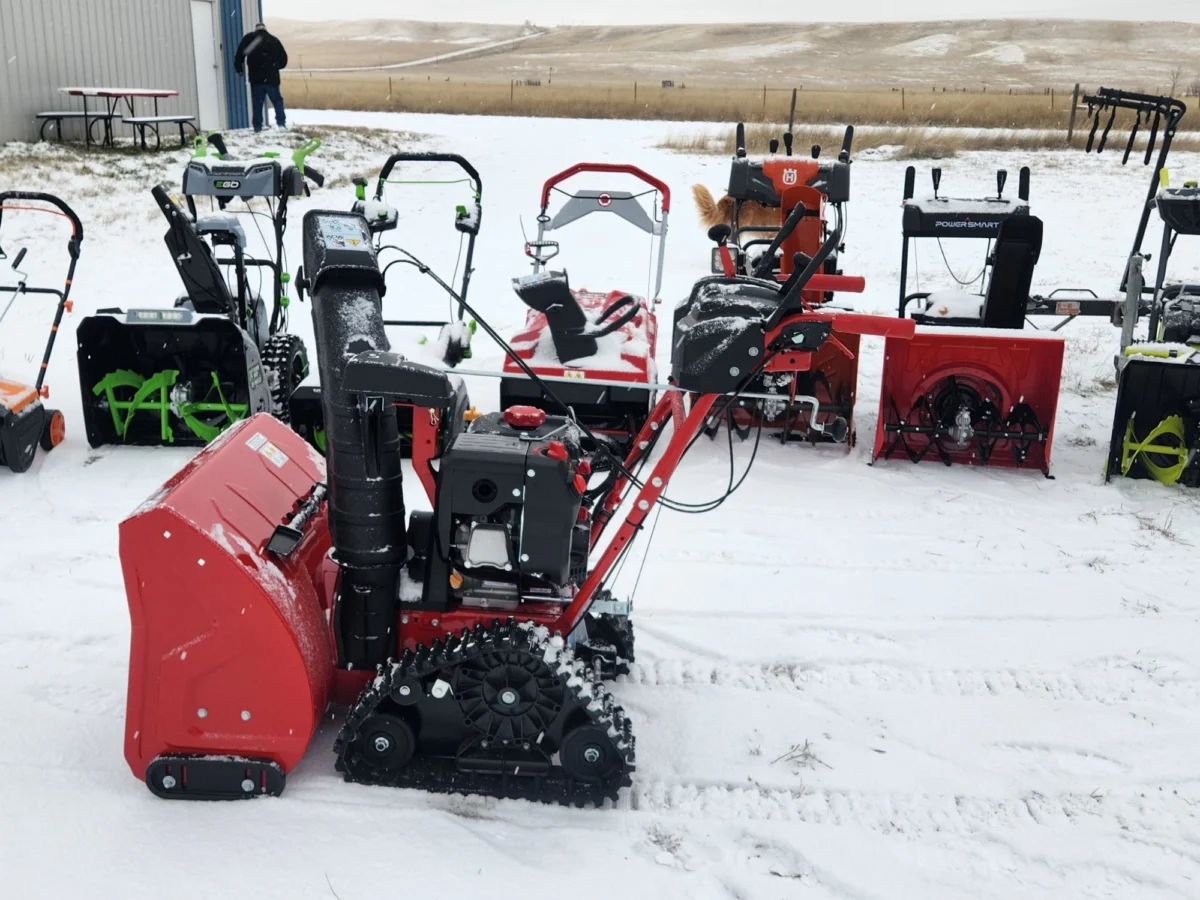
Homeowners and property managers maintaining gravel driveways face a distinct set of challenges during the winter months that traditional pavement-oriented snow removal equipment cannot adequately address. Unlike asphalt or concrete surfaces, gravel consists of loose substrate that can be easily vacuumed into the intake of a standard single-stage snow thrower, leading to property damage, mechanical failure, or dangerous high-velocity debris. To address these concerns, a comprehensive two-week field test was conducted in the rigorous winter environment of rural Montana to identify the most effective and safest machinery for clearing snow from loose surfaces.
The primary finding of this evaluation is that successful snow removal on gravel requires a specific mechanical architecture, primarily found in two-stage and three-stage snow blowers. These machines utilize adjustable skid shoes to maintain a consistent clearance between the auger and the ground, effectively floating the intake above the rocks while stripping away the snow. Following the testing of eight leading models across varied conditions—ranging from light powder to hard-packed icy drifts—the Troy-Bilt Storm Tracker 2890 emerged as the premier choice for its superior traction and height-adjustable blade system.
The Mechanical Challenge of Loose Substrate
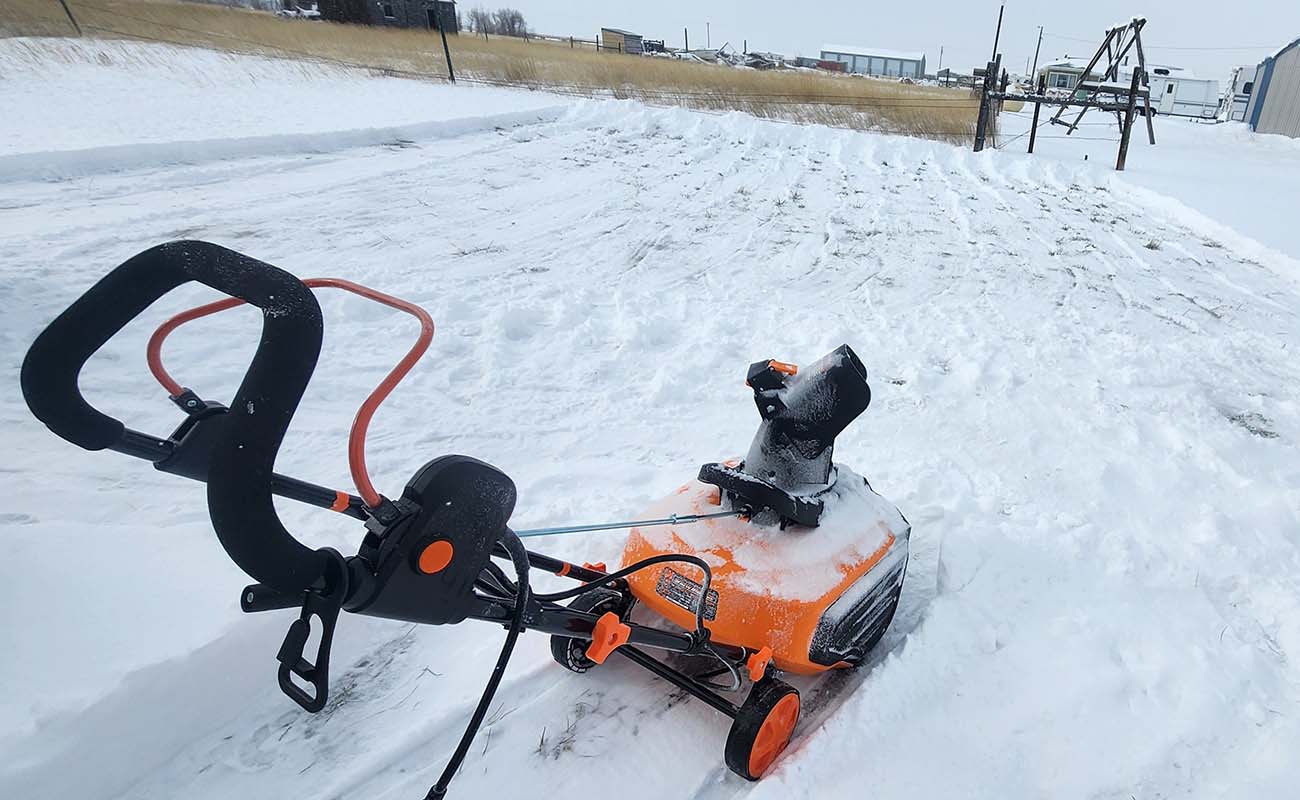
To understand the necessity of specialized equipment, one must analyze the physics of snow blower operation. Single-stage snow blowers, common in suburban environments, utilize a high-speed rubber or metal auger that makes direct contact with the ground surface. On a gravel driveway, this design acts as a centrifuge, scooping up stones and launching them through the discharge chute at speeds exceeding 50 miles per hour. This creates a significant liability for windows, vehicles, and bystanders.
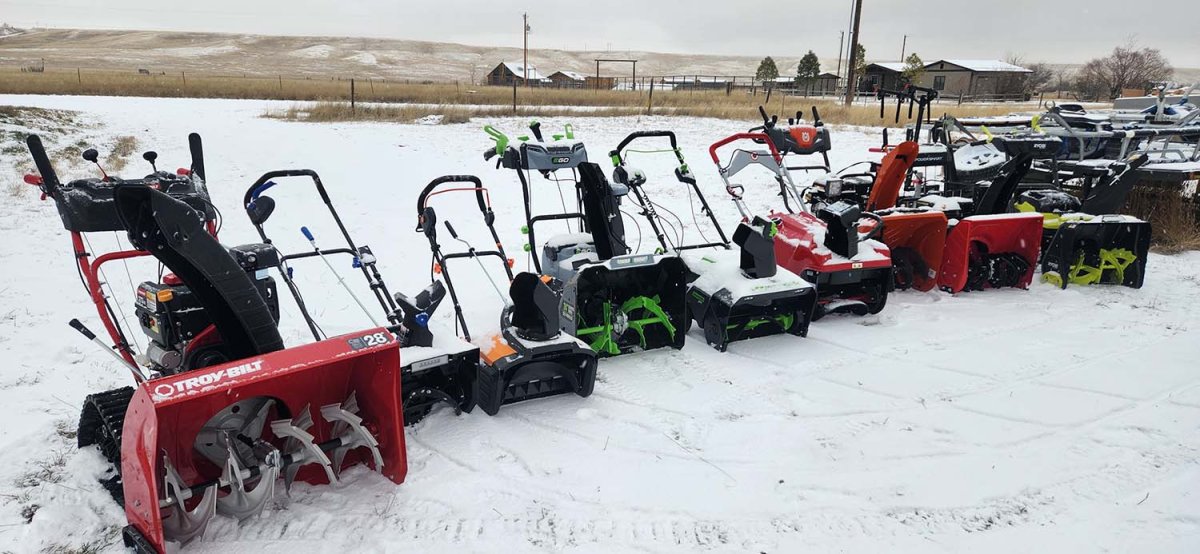
In contrast, two-stage blowers utilize a two-part process: an auger gathers the snow, and an independent impeller fan launches it. Crucially, the auger in these units is housed in a bucket that rests on "skid shoes." These metal or polymer plates can be adjusted to create a gap—typically one inch—between the ground and the machine. This clearance ensures that the machine processes only the snow layer, leaving the underlying gravel undisturbed. Three-stage models add an "accelerator" component, which acts as a corkscrew to pull in heavy, wet snow more rapidly, further increasing efficiency for large-scale rural properties.
Testing Methodology and Environmental Context
The evaluation took place over a fourteen-day period in Montana, a region known for diverse winter weather patterns. The testing grounds included a level, loose-substrate gravel driveway and a long, hard-packed gravel access road featuring several inclines. This variety allowed testers to assess not only the clearing capability of the machines but also their "dead-weight" handling and traction.
The products, ranging in price from $600 to $1,900, were subjected to eight distinct performance tests. These metrics included cold-start reliability (both manual and electric), maneuverability on uneven terrain, discharge distance, and the ease of adjusting the intake height. Data was collected on battery depletion rates for electric models and fuel efficiency for gas-powered units, providing a holistic view of the total cost of ownership.
Leading Performance: The Troy-Bilt Storm Tracker 2890
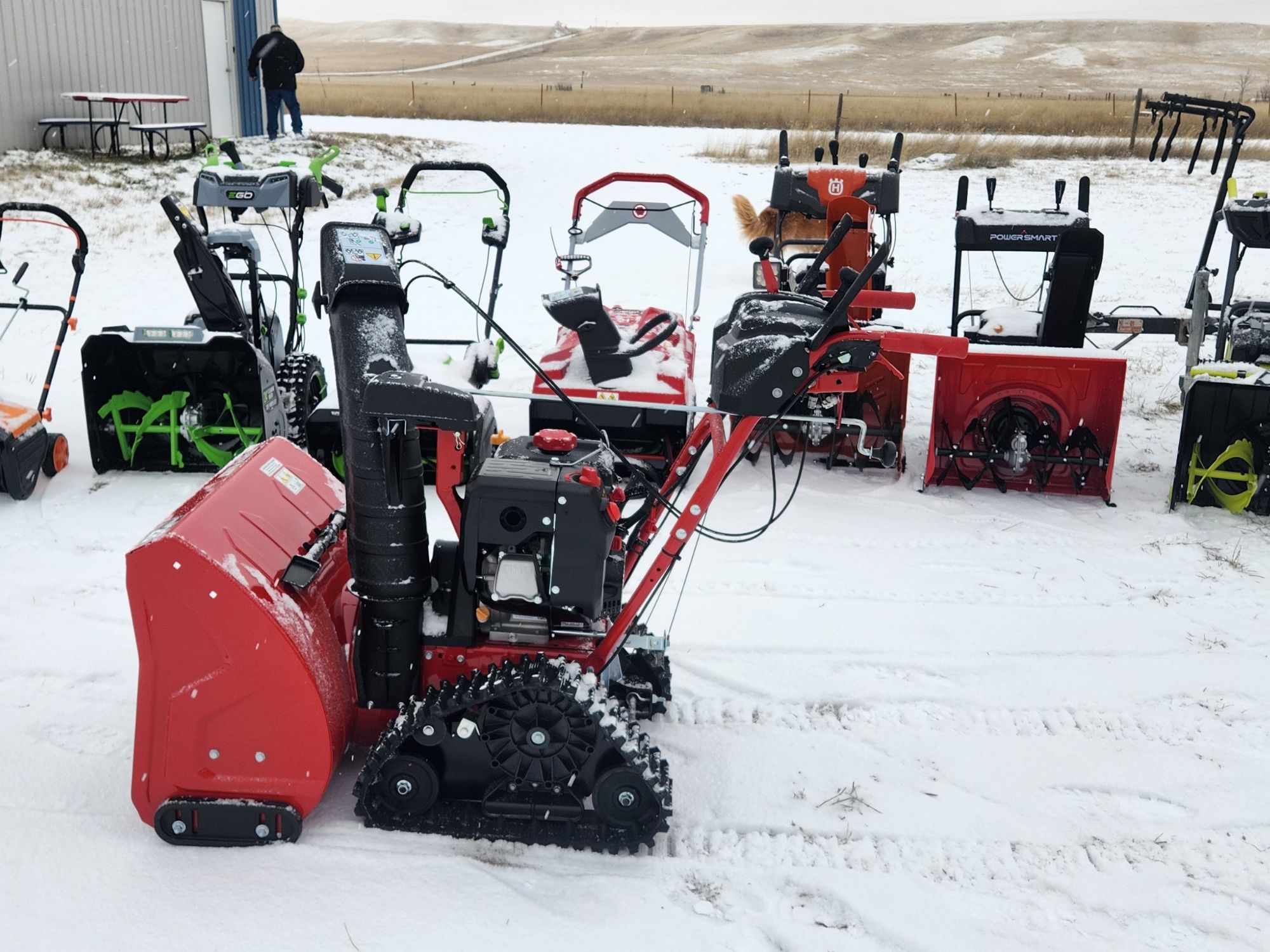
The Troy-Bilt Storm Tracker 2890 distinguished itself as the "Best Overall" performer, largely due to its unique drive system. While most snow blowers rely on inflatable tires, the Storm Tracker utilizes a track-drive system. This provides a significantly larger surface area of contact with the ground, which is essential when navigating the shifting, unstable nature of gravel.
In addition to its 272cc engine and 28-inch clearing width, the model features a specialized adjustable handle that allows the operator to raise and lower the bottom blade height on the fly. During testing, this feature proved invaluable when transitioning from hard-packed areas to sections with loose, uncompacted gravel. The ability to increase clearance instantly prevented the ingestion of rocks that would have otherwise triggered the failure of shear pins in lesser machines.
Specialized Solutions: Efficiency and Value
For consumers with specific requirements, such as long rural driveways or budget constraints, other models demonstrated exceptional utility during the Montana trials:
The Long-Distance Specialist: Toro Power Max 824 OE
When clearing extended access roads, speed and chute control become paramount. The Toro Power Max 824 OE was identified as the top choice for long driveways. Despite a slightly narrower 24-inch clearing path, its high-speed transmission and joystick-controlled chute allowed testers to cover significant ground rapidly. The "Quick Stick" chute control enables the operator to change the direction and angle of snow discharge without stopping, a feature that significantly reduces the time required for multiple passes.
The Budget Benchmark: PowerSmart DB7109
The PowerSmart DB7109 proved that effective gravel maintenance does not strictly require a four-figure investment. As a two-stage gas model, it includes the essential adjustable skid shoes necessary for gravel safety. While it lacks the raw power and track-drive of the Troy-Bilt, its 212cc engine and self-propelled design provided more than enough capability for average-sized residential gravel driveways.
The Electric Evolution: Toro Power Max e24
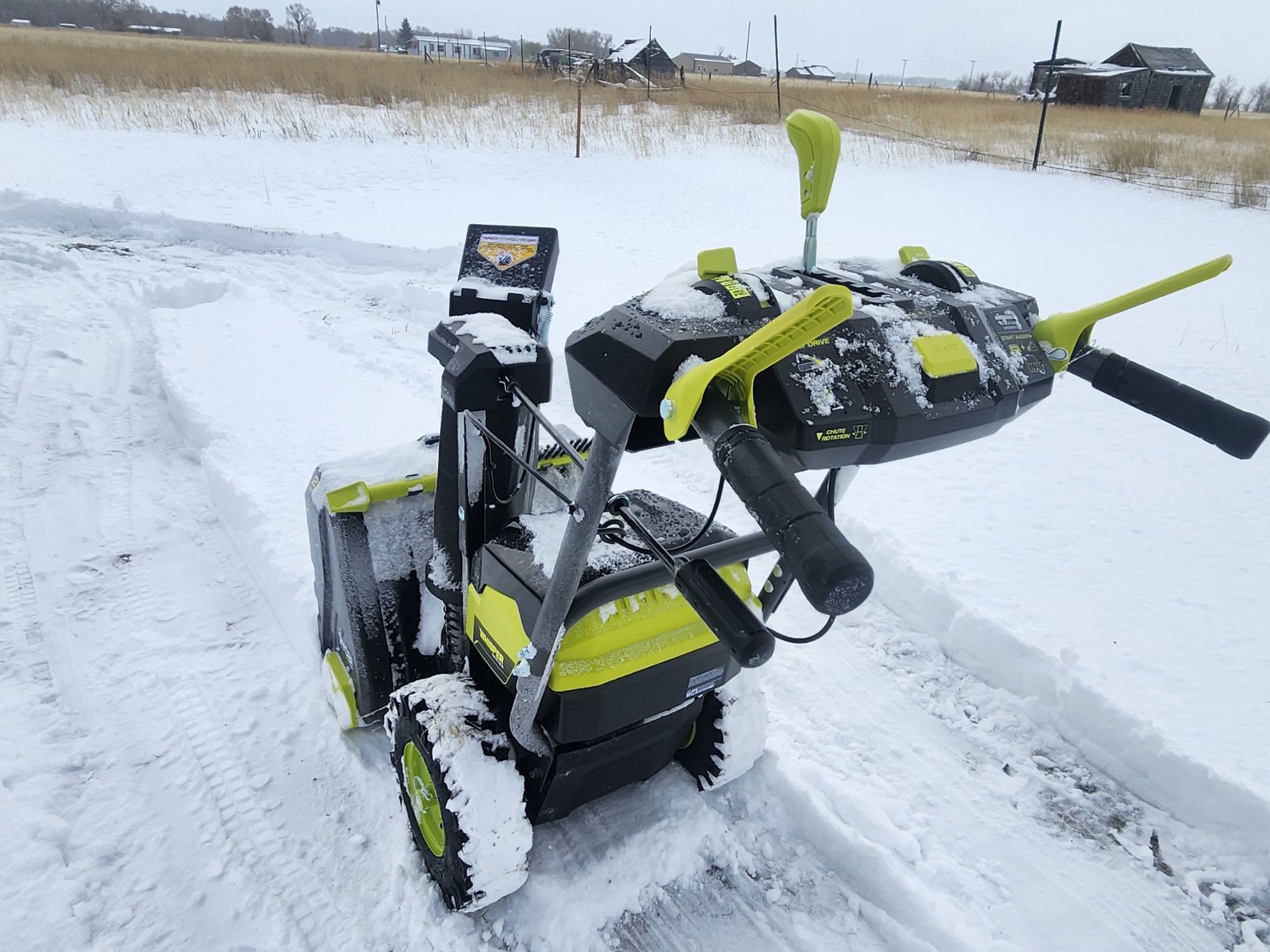
The shift toward electrification in the power equipment industry was represented by the Toro Power Max e24. Utilizing a 60V battery system, this unit matched the performance of its gas-powered counterparts in clearing 6 to 8 inches of snow. Testers noted that the electric motor was significantly quieter, which is a major benefit for early-morning clearing in residential areas. With the ability to house three batteries simultaneously, the unit can achieve runtimes of up to 70 minutes, challenging the long-held belief that electric blowers are only suitable for small sidewalks.
Expert Perspectives on Property Protection
The technical requirements of snow removal extend beyond the machine itself to the preservation of the underlying property. Thomas Vanneli, CEO of Tomms Property Solutions, emphasizes the importance of skid shoe material in preventing surface damage. "To avoid scratching concrete or disturbing the aesthetic of a well-graded driveway, rubber or polymer skid shoes should be installed," Vanneli noted. These materials provide a "softer" contact point than traditional steel shoes, reducing the likelihood of dings and scratches on the transition points where gravel meets garage aprons or sidewalks.
Industry experts also suggest that for gravel surfaces, a one-inch clearance is the "golden rule." Setting the intake too low risks picking up stones, while setting it too high leaves a thick layer of snow that can turn into ice, creating a secondary hazard.
Chronology of Maintenance and Longevity
The lifespan of a high-quality snow blower is estimated at 10 to 15 years, provided a strict maintenance schedule is followed. For gas-powered units, this includes annual oil changes, spark plug inspections, and the use of fuel stabilizers to prevent ethanol-related carburetor clogs. For the emerging electric segment, the primary maintenance concern is battery health. Lithium-ion batteries typically maintain peak performance for 3 to 6 years.
A critical component of gravel-driveway operation is the "shear pin." These are intentionally weak bolts that connect the auger to the drive shaft. If the auger hits a large rock or a frozen chunk of gravel, the shear pin is designed to snap, disconnecting the power and preventing the engine or transmission from sustaining catastrophic damage. Testers recommend that gravel driveway owners always keep a supply of extra shear pins on hand, as the uneven nature of the terrain makes these breaks more frequent than on paved surfaces.
Broader Implications and Economic Impact
The choice of snow removal equipment has broader economic implications for homeowners. Improper equipment can lead to the displacement of several tons of gravel over a single winter season, necessitating expensive professional re-grading and the purchase of replacement stone in the spring. Furthermore, the safety implications of "thrown-rock" incidents can lead to insurance claims or costly out-of-pocket repairs for broken windows and damaged vehicle paint.
As winter weather patterns become increasingly volatile, with many regions experiencing heavier, wetter snowfalls followed by rapid freezing cycles, the demand for robust, two-stage machinery is expected to rise. The transition from manual shoveling—which is physically demanding and often impossible on long gravel stretches—to specialized machinery represents a significant shift in residential property management.
In conclusion, while the initial investment in a two-stage or track-drive snow blower may be higher than a basic single-stage model, the long-term protection of property and the increased safety of operation make it a necessary expenditure for those living on gravel-based landscapes. The field-tested recommendations, led by the Troy-Bilt Storm Tracker 2890, provide a roadmap for navigating these winter challenges with efficiency and mechanical reliability.