admin
The global demand for portable power solutions has undergone a significant transformation over the last decade, shifting from high-output, high-noise industrial machinery toward refined, whisper-quiet inverter technology. This evolution is driven by a confluence of factors, including the rise of outdoor recreation, the increasing frequency of grid instability due to extreme weather, and the tightening of noise ordinances in residential areas and national parks. Recent technical evaluations of the current market highlights a new standard for portable electricity, where decibel levels are prioritized alongside wattage and fuel efficiency.
The Methodology of Performance Evaluation
To determine the efficacy of modern quiet generators, a rigorous 93-hour testing protocol was implemented, evaluating 10 leading models from a preliminary pool of 35 candidates. The testing phase was designed to simulate real-world scenarios ranging from emergency home backup to off-grid jobsite operations. Seven distinct performance tests were conducted on each unit, focusing on load stability, noise emission at various distances, fuel consumption rates, and the integrity of safety shut-off mechanisms.
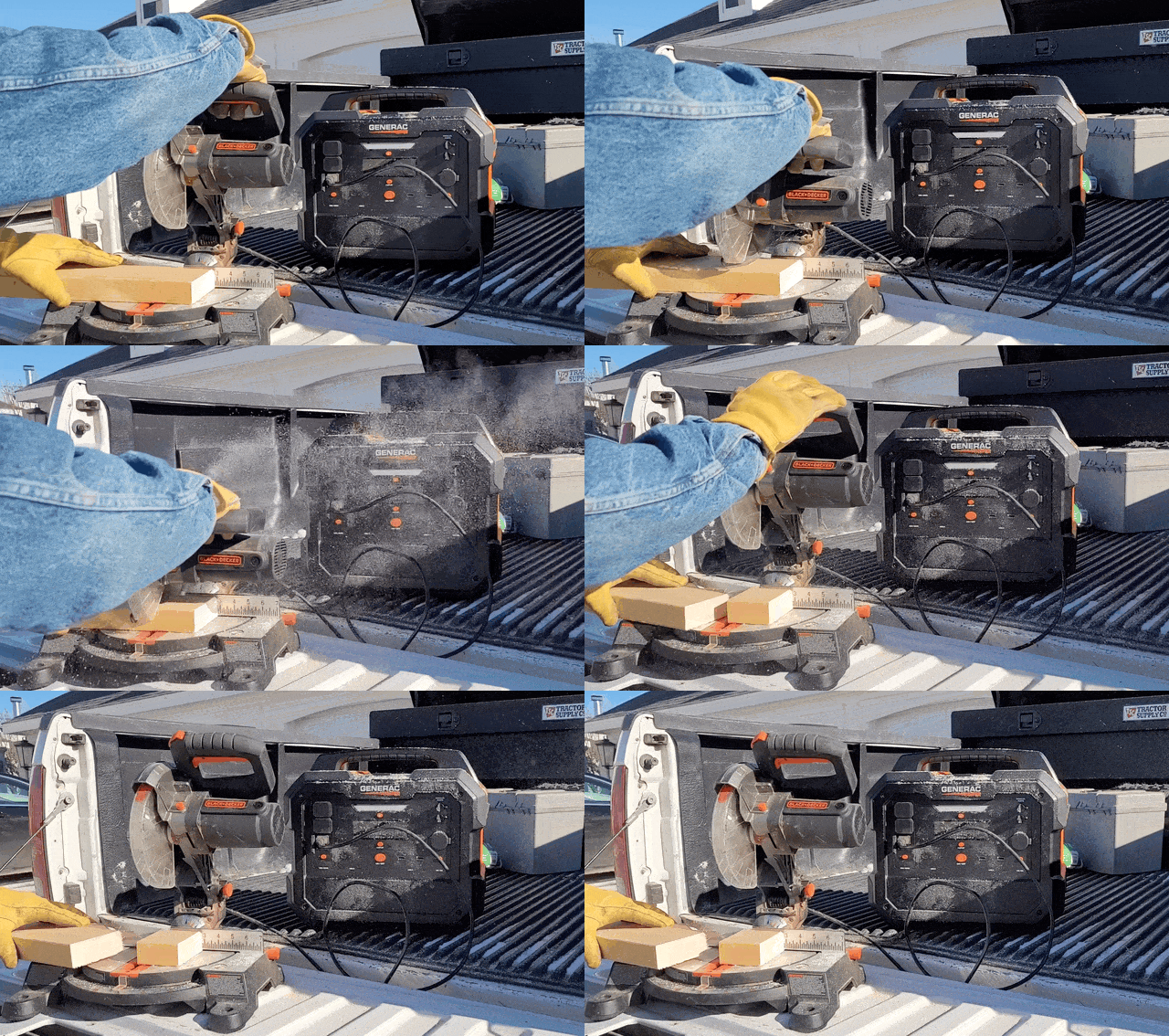
Testers utilized a variety of high-draw appliances and sensitive electronics to stress-test the units. These included full-size refrigerators, which require high surge wattage to start the compressor, as well as miter saws and table saws that demand consistent power under mechanical load. Simultaneously, sensitive devices such as laptops and smartphones were monitored to ensure that the Total Harmonic Distortion (THD) remained within safe limits—typically under 3 percent—to prevent damage to internal circuitry.
Chronology of the Testing Phase
The evaluation process began with the assembly and initial "break-in" period for each combustion-based engine. Following the manufacturers’ specifications, units were filled with premium gasoline or connected to propane sources.
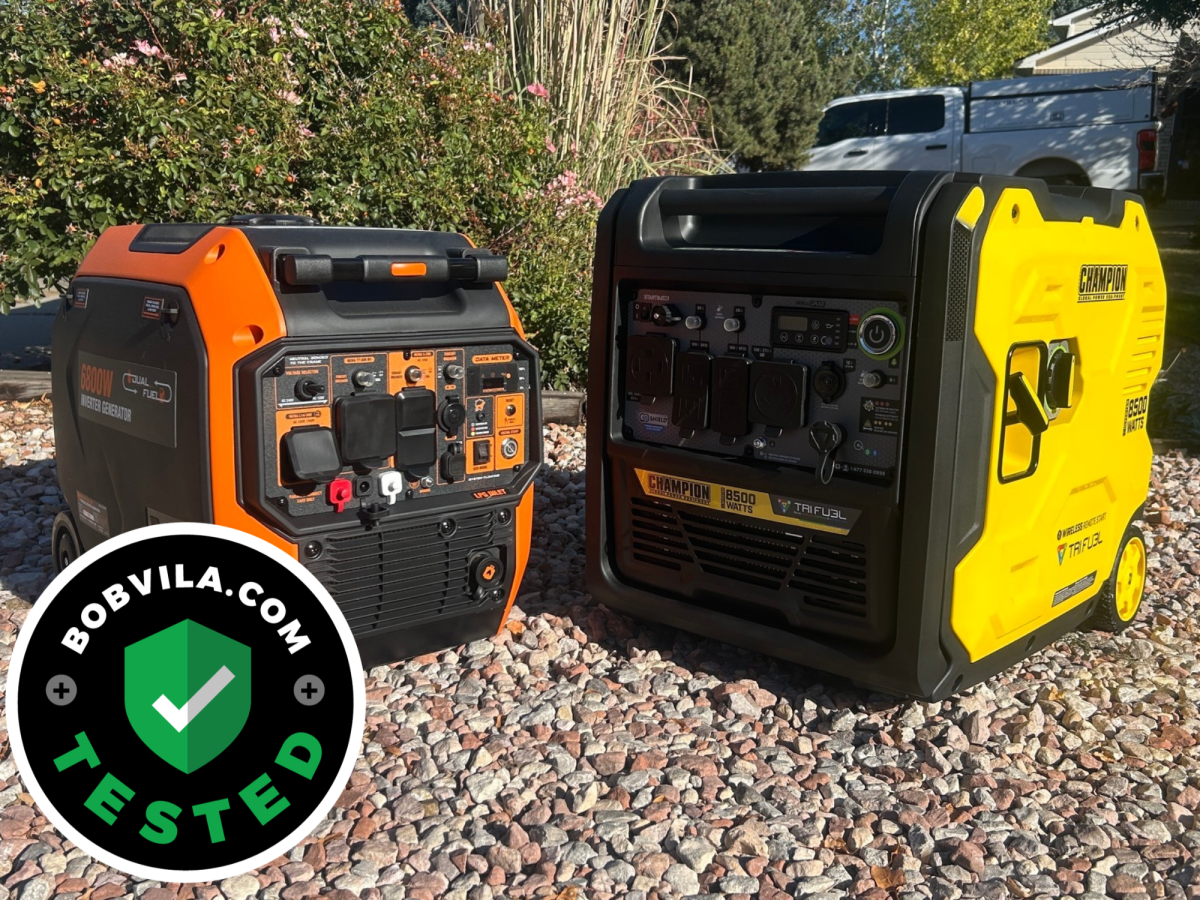
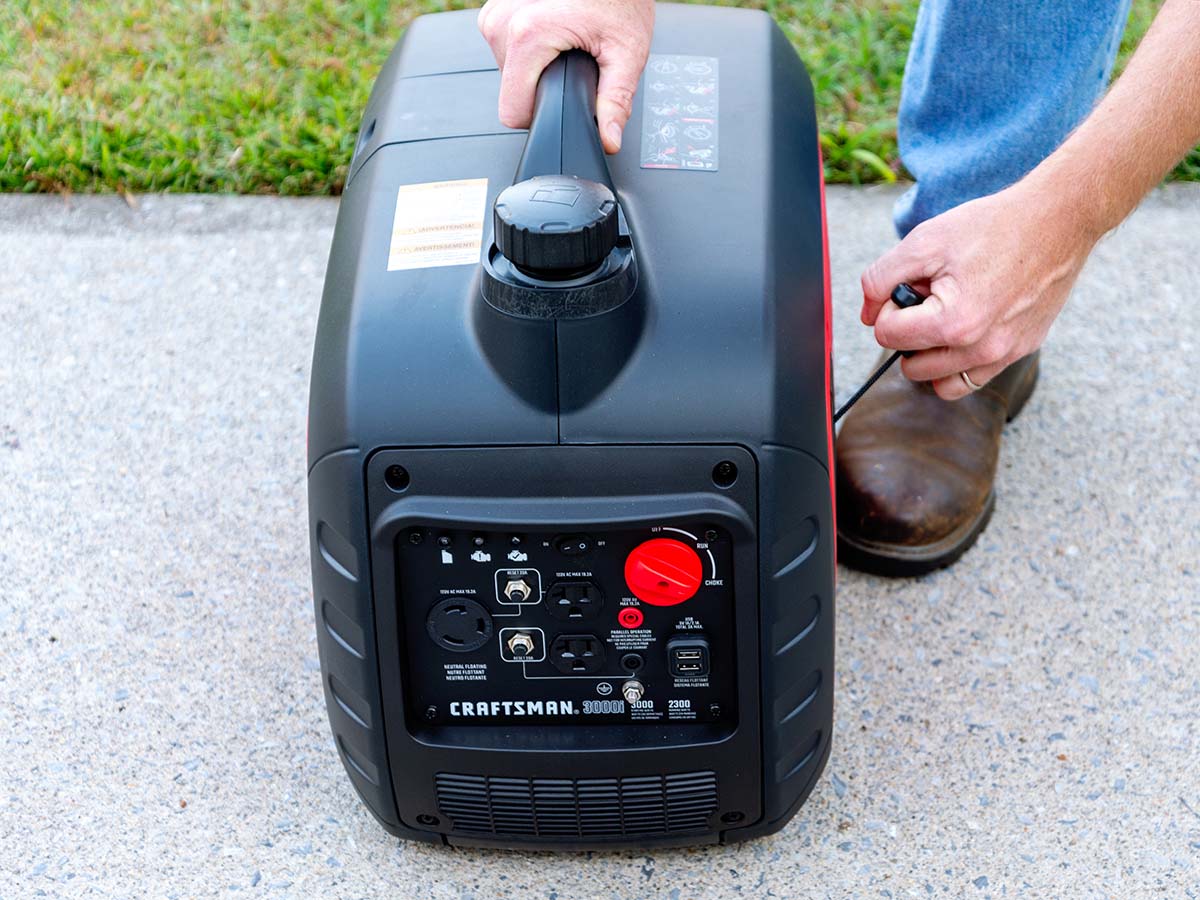
During the first 24 hours, testers focused on "cold start" reliability, measuring how many pulls of a recoil cord or seconds of an electric starter were required to achieve ignition. The middle 48 hours involved continuous load testing. For instance, the Honda EU2200i was tasked with powering a refrigerator for four consecutive hours, while the Champion 8500-Watt Tri-Fuel model was subjected to a garage environment where it simultaneously managed a fridge, a microwave, and orbital sanders.
The final 21 hours were dedicated to "nuisance testing" and portability assessments. This included measuring noise levels using decibel meters at 23 feet (the industry standard distance) and evaluating the ease of transporting 100-pound units over uneven terrain, such as gravel and grass, to simulate camping and jobsite conditions.
Technical Analysis of Leading Models
The results of the evaluation identified several market leaders that excel in specific categories. The Honda EU2200i emerged as the benchmark for reliability and noise suppression. Utilizing the GXR120 commercial-series engine, the unit delivers 2,200 peak watts with a noise profile ranging from 48 to 57 dB(A). For context, 50 decibels is equivalent to the sound of a quiet suburb or a private office, making it virtually undetectable in a bustling campsite or jobsite.
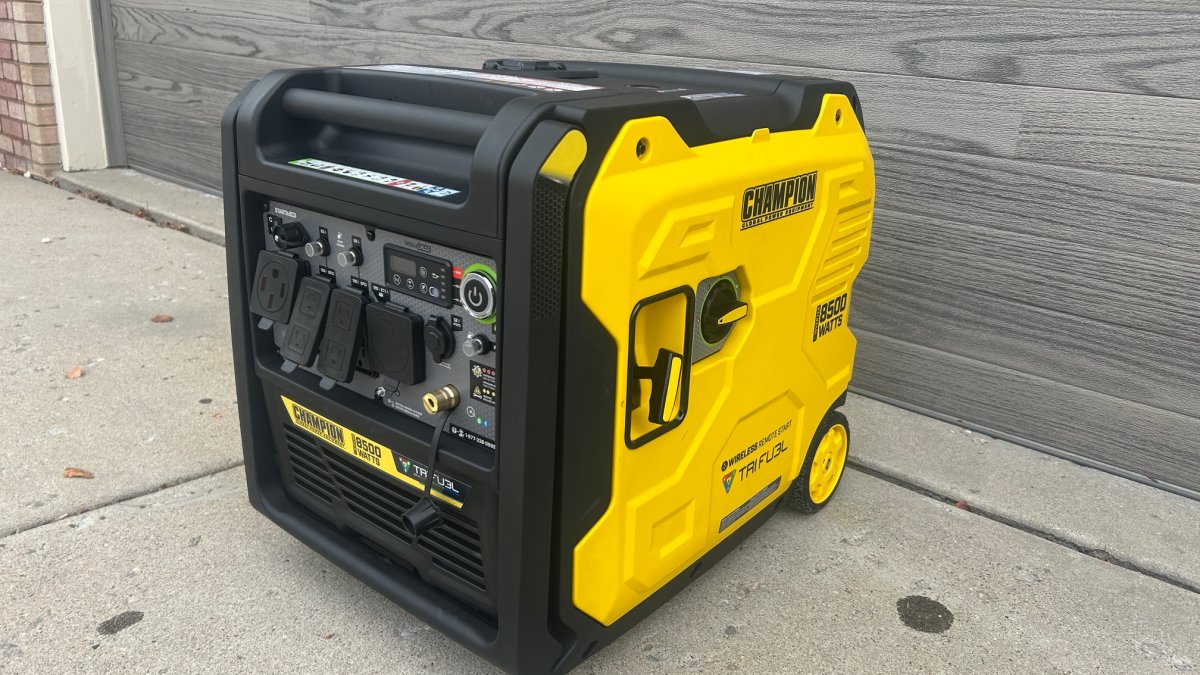
In the high-capacity segment, the Champion 8500-Watt Tri-Fuel Inverter Generator represented a significant technological leap. While traditional 8,000-watt generators often exceed 75 decibels—comparable to a vacuum cleaner or a loud hair dryer—this inverter model maintained a level of approximately 64 dB(A). The inclusion of a wireless remote start and the ability to run on natural gas, propane, or gasoline provides a level of versatility that industry analysts suggest is becoming a baseline requirement for home emergency preparedness.
For the budget-conscious consumer, the Pulsar 2200-Watt Dual-Fuel model demonstrated that quiet operation does not necessarily require a premium price point. Although its noise levels were slightly higher than the Honda—comparable to a standard vacuum cleaner—it successfully managed 1,800 running watts, proving sufficient for small DIY projects and essential household appliance support during short-term outages.
Supporting Data: Noise and Power Correlation
Data collected during the testing phase illustrates the inverse relationship often found between power output and noise suppression, though inverter technology is narrowing this gap.
| Model | Peak Wattage | Noise Level (dB) | Weight (lbs) |
|---|---|---|---|
| Honda EU2200i | 2,200 | 48-57 | 47.4 |
| Westinghouse iGen4500 | 4,500 | 52 | 104.7 |
| Generac GB2000 (Solar) | 3,200 | 0 | 43.0 |
| Wen DF680iX | 6,800 | 64 | 94.8 |
| Champion 8500-Watt | 8,500 | 64 | 132.3 |
This data confirms that solar-powered options, such as the Generac GB2000, represent the pinnacle of silent operation. However, solar units remain dependent on battery capacity and recharge rates. During testing, the Generac unit required nearly five hours to charge from 28 percent to 100 percent using 400-watt portable panels, highlighting a trade-off between the silence of renewable energy and the rapid refueling capabilities of internal combustion engines.
Official Responses and Safety Regulations
Manufacturers have responded to increased safety scrutiny by integrating advanced sensor technology. A primary concern for regulatory bodies like the Consumer Product Safety Commission (CPSC) is carbon monoxide (CO) poisoning. In response, the models tested, including the Honda and Wen units, now feature automatic CO shut-off sensors (often marketed as CO-Minder or CO Watchdog). These systems detect life-threatening levels of the gas and kill the engine instantly, a feature that has become a critical selling point in the North American market.
Furthermore, the shift toward "pure sine wave" electricity is a direct response to the evolution of consumer electronics. Standard generators often produce "dirty" power with high THD, which can cause microchips in smart appliances and computers to overheat or fail. Engineering representatives from firms like Westinghouse and Champion emphasize that their inverter modules are designed specifically to mimic the stable current found in residential wall outlets.
Broader Impact and Market Implications
The proliferation of quiet generators has broader implications for urban planning and disaster resilience. As climate-related grid failures become more frequent, the ability for residents in high-density housing to maintain power without violating noise ordinances is becoming a matter of public safety.
Industry analysts at research firms suggest that the portable power station and quiet generator market is expected to grow at a compound annual growth rate (CAGR) of over 5 percent through 2030. This growth is fueled not only by emergency needs but by the "digital nomad" lifestyle. The ability to power high-speed satellite internet, laptops, and cooking appliances silently allows for extended off-grid stays that were previously impossible with loud, vibrating traditional generators.
Moreover, the environmental impact of these units is under continuous improvement. Dual-fuel and tri-fuel models allow users to opt for propane or natural gas, which burn cleaner than gasoline and have a longer shelf life, reducing the chemical waste associated with degraded fuel.
Final Assessment of the Portable Power Landscape
The transition toward quiet, efficient, and versatile power sources marks a permanent shift in the consumer landscape. While the initial investment for an inverter generator—ranging from $430 to over $1,500—is higher than that of a traditional open-frame model, the value proposition lies in the unit’s longevity, the protection of sensitive electronics, and the preservation of a quiet environment.
For the average homeowner, a mid-range unit like the Wen DF680iX or the Westinghouse iGen4500 provides a balanced solution, offering enough wattage to sustain a household during a crisis without the auditory burden of industrial machinery. For those seeking the highest levels of portability and refinement, the Honda EU2200i remains the industry standard. As battery technology continues to mature, it is anticipated that solar-integrated systems will eventually challenge the dominance of combustion engines, but for the immediate future, the quiet inverter generator remains the most reliable tool for on-demand power.