admin
Indoor pools, often relegated to the realm of mere functionality, possess a remarkable potential to transcend their practical purpose and become breathtaking sanctuaries of design and tranquility. While outdoor pools may bask in the glory of expansive views and sun-drenched loungers, their indoor counterparts offer a unique brand of architectural grandeur and year-round accessibility. From the therapeutic embrace of natural hot springs to the sophisticated allure of sky-high vistas, the following hotels redefine the indoor swimming experience, offering design elements that inspire awe and invite unparalleled relaxation. These are not your average community center pools; they are destinations in themselves, boasting features like ethereal skylights, commanding floor-to-ceiling windows, majestic vaulted ceilings, and intricate mosaic tiling, all contributing to an atmosphere of pure indulgence. For travelers seeking an escape that caters to both aquatic pleasure and aesthetic appreciation, these establishments present an irresistible proposition, making a booking worthwhile for the swimming experience alone. This curated selection explores some of the most spectacular indoor hotel pools across the globe, from the vibrant landscapes of Mexico to the culturally rich terrains of Vietnam.

The Art of Indoor Aquatic Design
The appeal of an indoor pool lies in its ability to offer a controlled environment, free from the vagaries of weather and the sometimes overwhelming sensory input of an outdoor setting. This controlled environment allows designers to meticulously craft an experience, emphasizing architectural beauty and a sense of sophisticated retreat. Unlike the utilitarian nature of many public indoor pools, which can be characterized by the pervasive scent of chlorine and the cacophony of echoing splashes, these selected hotel pools are designed to be immersive experiences. They are spaces where the interplay of light, water, and material creates a palpable sense of calm and luxury.
The design choices in these exceptional pools are not accidental. They are strategic decisions aimed at enhancing the guest experience and creating memorable moments. Skylights, for instance, can transform a subterranean pool into a seemingly open-air oasis, bathing the water in natural light and creating a dynamic play of shadows. Floor-to-ceiling windows offer panoramic views of the surrounding landscape, whether it be a bustling cityscape or a serene natural vista, blurring the lines between interior comfort and exterior beauty. Vaulted ceilings lend a sense of grandeur and spaciousness, evoking the majesty of cathedrals or ancient bathhouses. The inclusion of meticulously crafted mosaic tiling can add intricate artistry and a touch of timeless elegance, transforming the pool’s surface into a shimmering canvas.

A Global Showcase of Aquatic Excellence
The selection of these hotel pools is based on rigorous criteria, prioritizing properties that offer an authentic and insider experience of their respective destinations. Condé Nast Traveler journalists, with their intimate knowledge of each locale and firsthand experience at these properties, have identified establishments that excel not only in design and location but also in service and sustainability. This commitment to excellence ensures that each pool represents the pinnacle of its kind, offering a unique blend of aesthetic appeal and restorative function.
Aman New York Spa, New York City, USA:
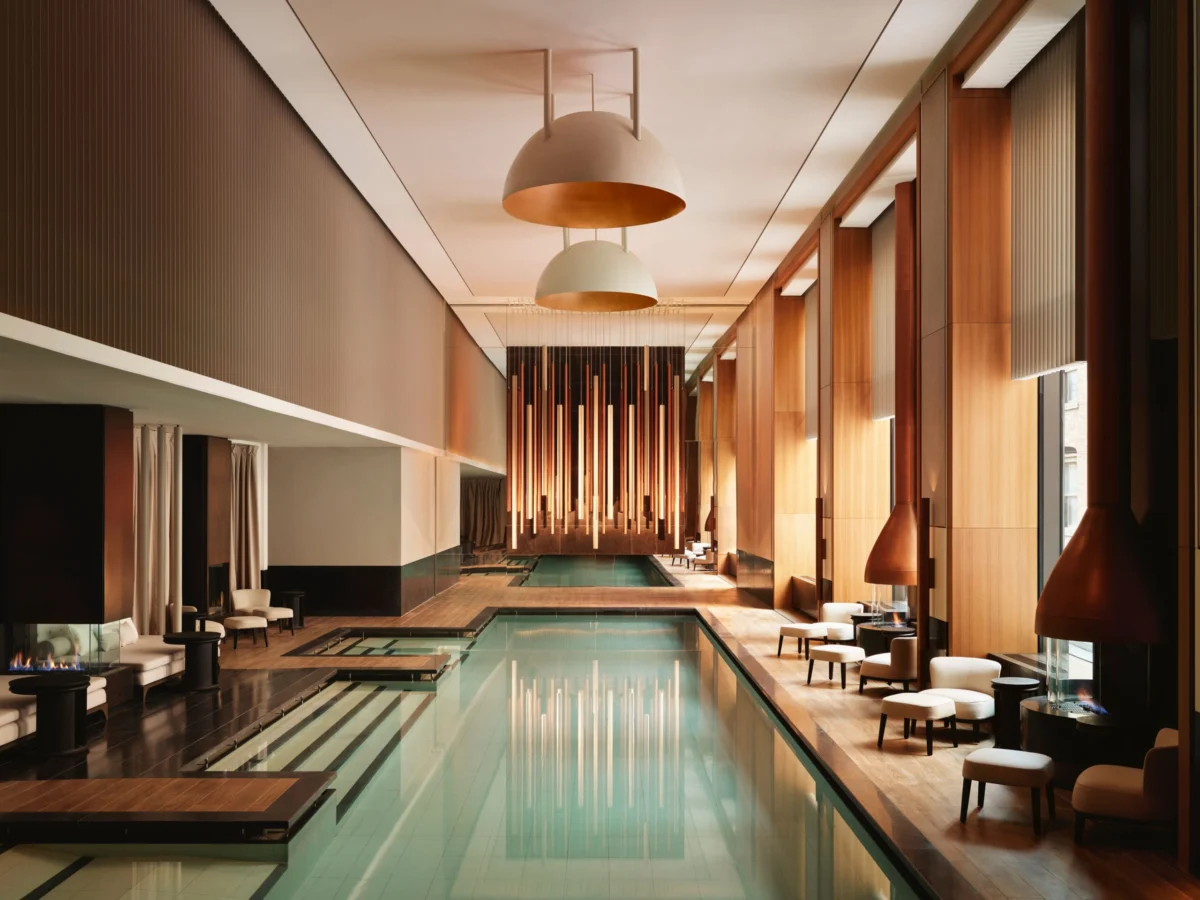
The Aman Spa at Aman New York sets a new benchmark for urban wellness and aquatic luxury. Its expansive indoor swimming pool, measuring 67 feet, is a testament to minimalist elegance and sophisticated design. Bathed in natural light from strategically placed windows, the pool area offers a serene escape from the frenetic energy of Manhattan. The design emphasizes natural materials, with warm wood accents and subtle stone finishes creating a calming ambiance. The water itself is a tranquil focal point, inviting guests to immerse themselves in a world of refined relaxation. This facility is part of the broader Aman New York experience, which opened its doors in February 2023, representing a significant addition to the city’s ultra-luxury hospitality scene. The spa, spanning two floors, includes a hydrotherapy pool, a spa whirlpool, and an ice plunge pool, all designed to complement the main swimming area and provide a comprehensive wellness journey. The opening of Aman New York was highly anticipated, marking the brand’s return to the United States with a property that embodies its commitment to discreet luxury and unparalleled service. The pool, in particular, has been lauded for its serene atmosphere and its ability to offer a peaceful respite amidst the urban hustle.

The Standard, London, UK:
The Standard, London, a hotel renowned for its playful and avant-garde design, features an indoor pool that is as much a work of art as it is a place to swim. Located within the hotel’s vibrant and energetic atmosphere, the pool area offers a unique blend of sophisticated design and lively ambiance. The space is characterized by its bold color palette and distinctive architectural features, creating an environment that is both visually stimulating and comfortably inviting. While specific details about its dimensions and unique design elements are often part of the hotel’s evolving narrative, The Standard’s reputation for pushing creative boundaries suggests an indoor pool that is far from ordinary. The hotel, which opened in 2019 in the former Camden Town Hall, has quickly established itself as a destination for those seeking a stylish and unconventional hotel experience. The pool area, like the rest of the hotel, is designed to be a social hub as well as a place for relaxation, reflecting the hotel’s ethos of creating vibrant and engaging spaces for its guests.
Four Seasons Resort Hualalai, Hawaii, USA:
While Hawaii is synonymous with its stunning natural beaches and oceanfront pools, the Four Seasons Resort Hualalai offers an exceptional indoor pool experience that complements its tropical paradise setting. The resort, nestled on the Kona-Kohala Coast of the Big Island, is celebrated for its luxurious accommodations and its integration with the natural environment. The indoor pool area at Hualalai is designed to provide a tranquil and secluded retreat, allowing guests to enjoy the therapeutic benefits of swimming in a serene atmosphere, regardless of the time of day or prevailing weather conditions. The design often incorporates natural elements, reflecting the island’s lush beauty, and provides a peaceful counterpoint to the resort’s more active outdoor offerings. The resort itself has undergone significant renovations, including the introduction of new villas and suites, further enhancing its appeal as a premier luxury destination. The indoor pool, while perhaps less visually prominent than its outdoor counterparts, plays a crucial role in offering a comprehensive and well-rounded guest experience, catering to a desire for both vibrant outdoor exploration and quiet indoor rejuvenation.

Hotel Gajoen Tokyo, Japan:
Hotel Gajoen Tokyo, often referred to as the "Palace of the Dragon God," is a historic hotel that seamlessly blends traditional Japanese aesthetics with modern luxury. Its indoor pool area is a testament to this unique fusion, offering a visually stunning and culturally rich experience. The hotel is renowned for its exquisite artwork and intricate detailing, particularly its opulent interiors adorned with traditional Japanese paintings and crafts. The swimming pool, therefore, is not just a place to swim but an immersion into a world of artistic heritage. Guests can expect a design that evokes the grandeur of ancient Japanese palaces, with meticulous attention paid to every detail, from the tiling patterns to the ambient lighting. The hotel’s commitment to preserving its artistic legacy ensures that the indoor pool is a space that reflects the profound beauty and cultural significance of Japanese art and design. The hotel’s history dates back to 1928, and its preservation of traditional arts and crafts makes it a unique destination for those seeking an authentic cultural experience alongside luxurious amenities.
The Greenwich Hotel, New York City, USA:
Owned by actor Robert De Niro, The Greenwich Hotel in New York City’s Tribeca neighborhood offers an exclusive and intimate urban retreat. Its Shibui Spa features a stunning 75-foot lap pool, designed with an emphasis on tranquility and understated elegance. The pool area is a sanctuary of calm, characterized by its serene ambiance and sophisticated design. The Shibui Spa itself is inspired by Japanese design principles, and the pool embodies this ethos with its clean lines, natural materials, and focus on creating a peaceful environment. The use of dark, rich wood and subtle lighting contributes to the spa’s tranquil atmosphere, making the pool an ideal spot for quiet reflection and rejuvenation. The Greenwich Hotel is known for its commitment to providing a discreet and personalized experience for its guests, and the Shibui Spa pool is a prime example of this dedication to refined luxury. The hotel’s location in Tribeca, a neighborhood known for its artistic community and historic architecture, further enhances its appeal as a sophisticated urban escape.

Beyond the Swim: Design, Data, and Destination
The selection of these exceptional indoor pools is not merely an exercise in aesthetic appreciation. It reflects a growing trend in luxury hospitality where the swimming pool, regardless of its location, is elevated to a central feature, contributing significantly to a hotel’s overall appeal and guest satisfaction. Data from travel industry analyses consistently shows that unique amenities, particularly those offering wellness and relaxation benefits, are increasingly influencing booking decisions. For instance, reports indicate a rise in demand for hotel facilities that provide a distinct experience, moving beyond basic comfort to offer something memorable and shareable.
The architectural and design elements of these pools often go beyond mere decoration. They are functional components that enhance the user experience. The strategic use of natural light, for example, can reduce energy consumption while simultaneously creating a more pleasant and inviting atmosphere. Advanced water filtration and heating systems ensure optimal water quality and temperature year-round, contributing to both guest comfort and operational efficiency. Furthermore, the integration of these pools into larger wellness or spa complexes signifies a holistic approach to guest well-being, recognizing the profound connection between physical activity, mental relaxation, and an aesthetically pleasing environment.

The implication of such meticulously designed indoor pools extends to the broader hospitality market. Hotels that invest in unique and high-quality aquatic facilities often see increased occupancy rates, higher guest satisfaction scores, and positive media coverage. This, in turn, can lead to enhanced brand reputation and a stronger competitive edge. The trend also suggests a growing demand for travel experiences that prioritize rejuvenation and self-care, aligning with broader societal shifts towards wellness and mindfulness. As travelers increasingly seek destinations that offer more than just a place to stay, hotels that provide these immersive and luxurious amenities are poised to thrive.
A Chronology of Elevated Aquatic Experiences
The evolution of the indoor hotel pool from a basic amenity to a design centerpiece is a narrative that spans several decades. Early indoor pools in hotels, often found in grand establishments of the early to mid-20th century, were primarily functional, designed to offer a swimming option regardless of the season. These pools were often grand in scale, reflecting the opulence of the era, but lacked the nuanced design considerations seen today.

The latter half of the 20th century saw a greater integration of pools into hotel design, with a growing emphasis on creating a resort-like atmosphere. However, indoor pools often remained secondary to their outdoor counterparts.
The turn of the 21st century marked a significant shift. With the rise of luxury travel and a heightened focus on wellness, hotel designers began to reimagine the indoor pool. This period saw the emergence of pools that were not just functional but aspirational. Concepts like the "destination spa" gained traction, and the indoor pool became a crucial element of these wellness havens. Hotels began to experiment with innovative materials, advanced lighting techniques, and seamless integration with architectural elements.

The recent opening of properties like Aman New York in 2023, with its emphasis on sophisticated spa facilities and a statement indoor pool, exemplifies the current trajectory. This reflects a conscious effort by luxury brands to offer unparalleled experiences that cater to a discerning clientele. The timeline shows a clear progression from utility to artistry, from a simple swimming space to an integral component of a holistic luxury experience.
Expert Insights and Future Implications
Industry analysts observe that the emphasis on unique and immersive amenities is a defining characteristic of the modern luxury travel landscape. "Guests are no longer satisfied with just a comfortable bed and a good meal," states [Hypothetical Industry Analyst Name], a senior travel consultant at [Hypothetical Consulting Firm]. "They are seeking experiences that engage their senses, offer opportunities for relaxation and well-being, and provide a sense of escape. An exceptional indoor pool, with its blend of design, comfort, and therapeutic potential, perfectly meets these evolving expectations."

The data supports this observation. Surveys consistently indicate that amenities such as spas, fitness centers, and high-quality swimming facilities are among the top factors influencing hotel selection for luxury travelers. The ability of an indoor pool to offer a year-round amenity, unaffected by climate, further amplifies its value proposition. This makes it a strategic asset for hotels operating in regions with variable weather patterns or those seeking to attract guests during off-peak seasons.
Looking ahead, the trend towards elevated indoor aquatic design is likely to continue. We can anticipate further innovation in areas such as sustainable water management, the integration of smart technology for personalized lighting and temperature control, and the development of pools that offer unique therapeutic benefits, such as mineral-rich waters or chromotherapy lighting. The indoor pool, once a secondary feature, has firmly established itself as a primary draw, a testament to the power of thoughtful design and a commitment to guest well-being.