admin
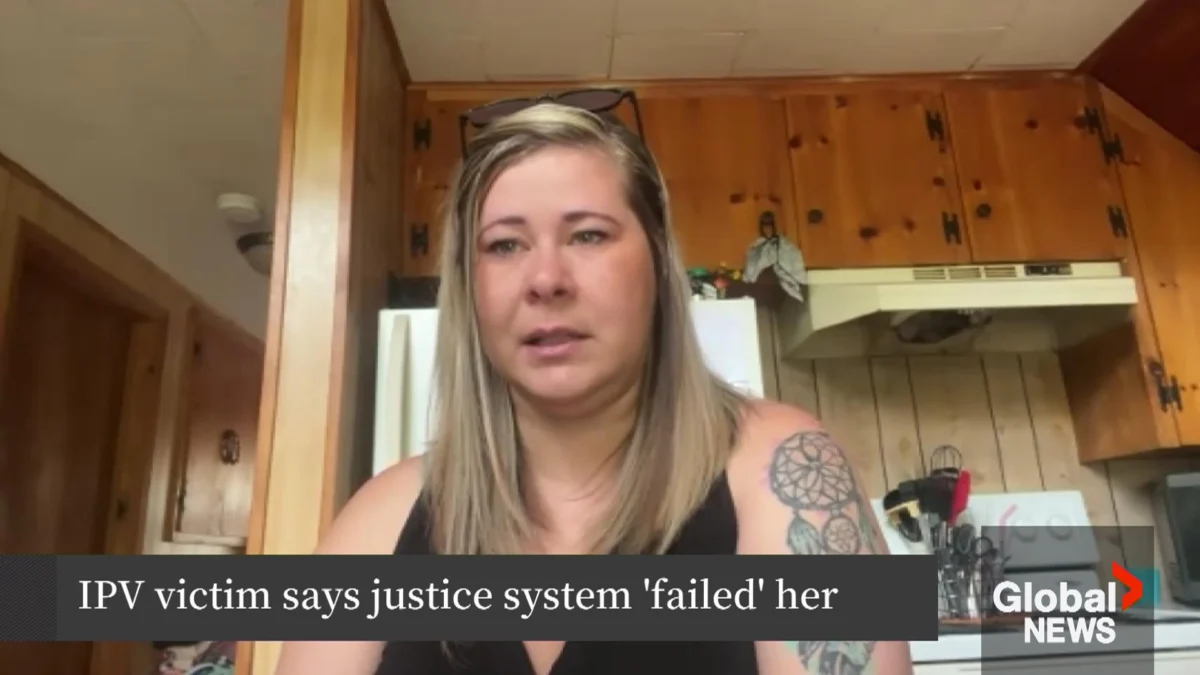
For the eighth consecutive year, Canada has witnessed an alarming increase in the average rate of intimate partner violence (IPV) across the nation, a trend confirmed by new data released by Statistics Canada. This persistent upward trajectory comes amidst what several experts are identifying as a concerning surge in "anti-feminist backlash," complicating efforts to address deeply entrenched societal issues. The latest figures, made public on Tuesday, indicate that the average rate of police-reported intimate partner violence in 2025 was two percent higher than in 2024. More broadly, these numbers represent a significant 15 percent escalation from the rates recorded in 2018, painting a grim picture of escalating domestic conflict nationwide.
The Troubling Trajectory of Violence: A Statistical Overview
The recent data from Statistics Canada underscores a disturbing pattern of increasing vulnerability within Canadian households. The consistent year-over-year rise in police-reported IPV points to a systemic challenge that continues to intensify despite growing public awareness and advocacy. While a two percent increase from the previous year might appear modest in isolation, its significance is amplified by its position as the eighth consecutive annual rise, culminating in a cumulative 15 percent increase over seven years. This long-term trend suggests that the underlying drivers of intimate partner violence are not only persistent but potentially gaining momentum. Experts widely agree that police-reported statistics represent merely the "floor, not the ceiling" of the true prevalence of IPV, as many incidents go unreported due to a complex web of factors including fear, shame, economic dependence, and distrust of the justice system. The official numbers, therefore, serve as a stark indicator of a far more widespread crisis silently afflicting communities across Canada.
Understanding Underreporting: The Invisible Crisis
Kaitlynn Mendes, interim director of the Centre for Research and Education on Violence Against Women and Children at Western University, emphasizes that the observed rise in police reports does not necessarily equate to an equivalent rise in actual instances of violence. She posits that while an increase in cases is likely, a significant portion of the surge could be attributed to a greater willingness of victims to come forward. Movements such as #MeToo, which galvanized global conversations around sexual assault and harassment, have played a pivotal role in destigmatizing discussions around violence and empowering survivors. Coupled with an expansion of community support services and increased public education campaigns, these factors have collectively fostered an environment where victims may feel more confident in seeking official recourse.
Furthermore, Mendes highlights a broadened societal understanding of what constitutes intimate partner violence. Historically, IPV was often narrowly perceived as solely physical assault. However, contemporary definitions now encompass a spectrum of abusive behaviours, including psychological, emotional, financial, and even digital violence. This expanded awareness means that individuals and law enforcement alike are increasingly recognizing and categorizing a wider array of harmful interactions as IPV, contributing to the higher reporting rates. Despite these positive developments in reporting, Mendes cautions against complacency, reiterating that the reported statistics are almost certainly an underestimation of the actual scope of violence. The chronic underreporting of IPV means the true figures are likely far higher, an "invisible crisis" lurking beneath the surface of official data.

Socioeconomic Stressors: A Catalyst for Conflict
Beyond the dynamics of reporting, the ongoing socioeconomic climate has emerged as a significant contributing factor to the observed rise in intimate partner violence. Alexa Yakubovich, an associate professor in the department of community health and epidemiology at Dalhousie University, points to a "collision of factors" stemming from recent global and national crises. The profound societal disruption wrought by the COVID-19 pandemic, followed by persistent economic turmoil, has created an environment ripe for increased domestic strife.
The pandemic introduced unprecedented levels of stress into Canadian households. Lockdowns and stay-at-home orders often trapped victims with their abusers, severing crucial lifelines to external support networks. Job losses, reduced incomes, and economic precarity intensified existing financial strains, creating an atmosphere of heightened tension and despair. This economic insecurity, compounded by inadequate housing, food insecurity, and widespread unemployment, significantly elevates the risk for intimate partner violence. Research consistently demonstrates a strong correlation between economic hardship and increased rates of domestic abuse, as financial control is often a potent tool for abusers, and victims may find it even more challenging to leave abusive relationships without economic independence. The collective trauma and psychological toll of these prolonged stressors have undoubtedly contributed to a more volatile environment within many homes.
The Shadow of Anti-Feminist Backlash
A particularly concerning aspect of the current landscape, as identified by Mendes, is what she terms an "anti-feminist backlash." This ideological shift, often amplified through digital platforms, actively promotes narratives that undermine gender equality and normalize aggressive, dominant male behaviour. Online influencers, many with substantial followings, propagate harmful stereotypes and misogynistic ideologies, framing assertiveness and even aggression as hallmarks of "real masculinity." These narratives frequently disparage feminist movements, dismiss women’s experiences of violence, and perpetuate myths that blame victims for their abuse.
The insidious nature of this backlash lies in its ability to seep into mainstream consciousness, subtly eroding progress made in gender equality and fostering an environment where violence against women is implicitly condoned or excused. By promoting notions of male dominance and female subservience, these ideologies create a fertile ground for abusive behaviours to flourish, while simultaneously making it harder for victims to be believed or for perpetrators to be held accountable. The rise of such content on social media platforms, which often operate as echo chambers, further entrenches these harmful viewpoints, presenting a significant challenge to prevention efforts and societal shifts towards respectful relationships. This cultural undercurrent, according to Mendes, likely contributes to an actual increase in violent incidents, rather than just an increase in reporting.
Geographic Disparities and Vulnerable Communities

The Statistics Canada data also reveals significant geographic disparities in IPV rates across the country. While Newfoundland and Labrador, Prince Edward Island, New Brunswick, Quebec, and Saskatchewan reported a slight decrease in rates between 2024 and 2025, all these provinces still experienced a sizable overall increase over the eight-year period. However, the most alarming statistics emerge from Canada’s territories, where intimate partner violence rates in 2025 were a staggering three to 19 times higher than the national average. Similarly, Manitoba and Saskatchewan recorded rates nearly double the national average, highlighting regional vulnerabilities.
Kaitlynn Mendes suggests that the unique challenges faced by remote and isolated communities contribute significantly to these elevated rates. Many such communities lack adequate access to essential social supports, including shelters, crisis counselling, legal aid, and mental health services. The geographical isolation itself can exacerbate vulnerability, making it difficult for victims to escape or find help. Furthermore, the close-knit nature of some remote communities, while often fostering strong social ties, can also present issues of privacy and anonymity. In smaller communities, there may be fewer witnesses to violence, and victims might fear that reporting abuse will lead to further social isolation or retaliation, given the limited options for relocation or anonymity.
The Disproportionate Burden on Indigenous Women
The issue of intimate partner violence intersects critically with systemic inequities, nowhere more starkly than in its impact on Indigenous women. Statistics Canada reports that one in six Indigenous women have experienced at least one form of intimate partner violence. This figure is profoundly troubling, especially when viewed against the backdrop of Canada’s overall demographics. Despite Indigenous women comprising only five percent of all women in Canada, federal data from 2022 indicates they accounted for approximately 26 percent of all women killed by an intimate partner. This extreme disproportionality underscores a profound and ongoing crisis rooted in historical and systemic factors.
Generations of colonialism, residential schools, and systemic discrimination have created deep-seated trauma, poverty, and social marginalization within Indigenous communities. These factors, combined with inadequate access to culturally appropriate support services, contribute to a heightened vulnerability to violence. Alexa Yakubovich rightly notes that while rural and remote communities, where many Indigenous populations reside, exhibit higher risk factors for violence, indicators for gender-based violence are evident across the entire country. However, the severe overrepresentation of Indigenous women as victims of fatal intimate partner violence demands targeted, culturally sensitive, and adequately funded interventions that address the root causes of this systemic injustice. The findings of the National Inquiry into Missing and Murdered Indigenous Women and Girls (MMIWG) have repeatedly highlighted the urgent need for comprehensive action to protect Indigenous women and girls from all forms of violence, including IPV.
National Responses and Calls for Systemic Change
In response to the escalating crisis, several Canadian provinces have taken the significant step of declaring intimate partner violence an epidemic. Nova Scotia led the way in 2024, with New Brunswick following suit in 2025, and Newfoundland and Labrador making the same declaration in May 2025. There have been repeated and fervent calls for Ontario, Canada’s most populous province, to similarly declare IPV an epidemic, reflecting the widespread recognition of the severity of the issue.

However, experts like Alexa Yakubovich caution that a declaration alone, while symbolically important, will do little to stem the tide of violence without concrete, commensurate action. She argues forcefully that a declaration of an epidemic must be accompanied by funding "elevated to epidemic proportions" for community support services and the healthcare system. This means substantial, sustained investment in shelters, crisis hotlines, legal aid, mental health services, and culturally specific programs designed to address the unique needs of diverse communities. Without the financial resources to bolster these vital services, declarations risk becoming mere rhetorical gestures.
Yakubovich particularly emphasizes the critical role of the healthcare system. Before being killed by an intimate partner, victims most commonly access formal services through healthcare providers – including mental health services, hospitals, and primary care. This positions healthcare professionals as crucial identification points, often having opportunities to intervene that might otherwise be missed. Therefore, it is imperative that healthcare providers receive comprehensive training to recognize the red flags of intimate partner violence, understand safe disclosure protocols, and know how to effectively refer patients to appropriate support services. This integration of IPV screening and response into routine healthcare practices could save lives.
Kaitlynn Mendes further stresses the need for greater awareness and education at the community level to dismantle the barriers that prevent individuals from seeking help. This involves actively challenging pervasive societal narratives, particularly those found online, that falsely accuse women of lying about abuse. Overcoming the deep-seated shame, stigma, and very real barriers to reaching out for help requires a concerted effort to educate the entire community. Promoting "upstander" behaviour – where individuals are empowered to identify signs of abuse and intervene safely – is vital. By fostering a culture where violence is not tolerated and where support is readily available and trusted, communities can collectively work to break the cycle of abuse.
Charting a Path Forward: A Collective Responsibility
The escalating rates of intimate partner violence in Canada represent a complex and deeply troubling societal challenge, driven by a confluence of factors including chronic underreporting, acute socioeconomic pressures, and regressive ideological shifts. The disproportionate impact on Indigenous women and those in remote communities further highlights the systemic inequalities that exacerbate vulnerability.
Addressing this multifaceted crisis demands a comprehensive and integrated national strategy. This strategy must include not only increased funding for essential support services and enhanced training for frontline professionals in healthcare and law enforcement, but also proactive measures to counter harmful anti-feminist narratives and promote healthy, respectful relationships across all segments of society. Legislative and judicial reforms must ensure that victims are protected and perpetrators are held accountable, while educational initiatives must empower individuals to recognize and report abuse. Ultimately, confronting Canada’s rising tide of intimate partner violence requires a collective commitment from governments, communities, institutions, and individuals to dismantle the structures that perpetuate violence and foster a society where every person can live free from fear and abuse. The numbers presented by Statistics Canada are a sobering reminder that the work is far from over, and indeed, more urgent than ever.