admin
The onset of the winter season presents a significant threat to residential infrastructure, as the combination of sub-zero temperatures, persistent moisture, and corrosive deicing agents can lead to rapid structural degradation. Industry experts and property maintenance professionals emphasize that proactive winterization through the application of specialized coatings—specifically paints, stains, and sealants—is not merely a cosmetic endeavor but a critical structural necessity. By establishing a durable barrier against the environment before the first hard freeze, homeowners can mitigate the risk of expensive repairs and prolong the service life of their outdoor assets. The economic implications are substantial; while a preventative sealing project may cost several hundred dollars, the replacement of a rotted deck or a cracked concrete driveway can escalate into the tens of thousands.
The Mechanics of Winter Damage and the Freeze-Thaw Cycle
To understand the necessity of winterization, one must examine the physics of the freeze-thaw cycle, which is the primary driver of exterior damage in cold climates. When water in its liquid state penetrates porous materials such as wood or concrete, it occupies the internal voids and capillaries. As temperatures drop below 32 degrees Fahrenheit (0 degrees Celsius), this water transitions to ice, expanding in volume by approximately 9 percent. This expansion exerts tremendous internal pressure—often exceeding the tensile strength of the material—resulting in micro-fissures.
Over the course of a single winter, a structure may undergo dozens of these cycles. Each subsequent thaw allows more water to enter the widened cracks, and each subsequent freeze deepens the damage. This process, known as frost wedging, is responsible for the scaling of concrete surfaces and the splitting of wood grains. Furthermore, the introduction of deicing salts, while necessary for safety, lowers the freezing point of water and increases the frequency of these cycles, while also introducing chemical corrosives into the structural matrix.
Refinishing Exposed Wood: Preventing Structural Rot and Warping
Wood is a hygroscopic material, meaning it naturally absorbs and releases moisture to reach equilibrium with its environment. During the winter, however, the prolonged presence of snow and ice creates a state of constant saturation. Without a protective finish, wood decks, fences, and steps are susceptible to "checking"—the formation of long cracks along the grain—and structural rot.
Marc Sharkey, owner of Dynamic Painting Inc. in Alberta, Canada, notes that the application of a high-quality finish is essential for reducing water absorption. Sharkey, who operates in one of North America’s harshest winter environments, explains that repeated wetting and drying cycles contribute significantly to warping and splitting. He emphasizes that "the finish reduces water absorption from rain and melting snow," but cautions that "a new coating cannot repair rotten wood."
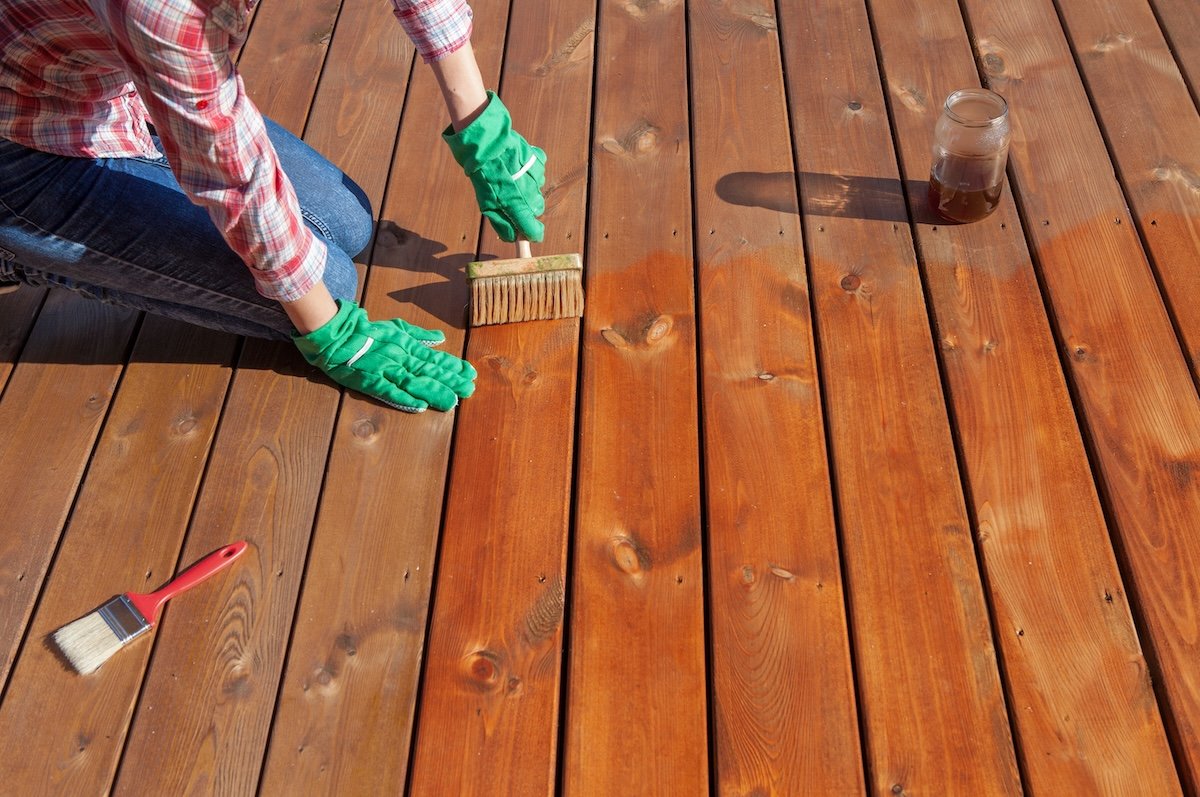
For optimal protection, professionals recommend oil-based stains or waterproof sealants that act as hydrophobic barriers. These products cause water to bead on the surface rather than soaking into the fibers. The selection of the product is critical; horizontal surfaces like decks require formulations specifically designed to withstand foot traffic and snow shoveling. A thorough preparation process, including cleaning and the removal of failing old finishes, is required to ensure the new coating adheres correctly to the wood’s cellular structure.
Metal Maintenance: Combating Oxidation and Salt Corrosion
Steel and iron fixtures, such as railings, gates, and outdoor furniture, face a different set of challenges during the winter months. The primary threat to metal is oxidation, commonly known as rust. This chemical reaction occurs when iron is exposed to oxygen and moisture. The process is dramatically accelerated by electrolytes, such as the sodium chloride found in road salt and sidewalk deicers.
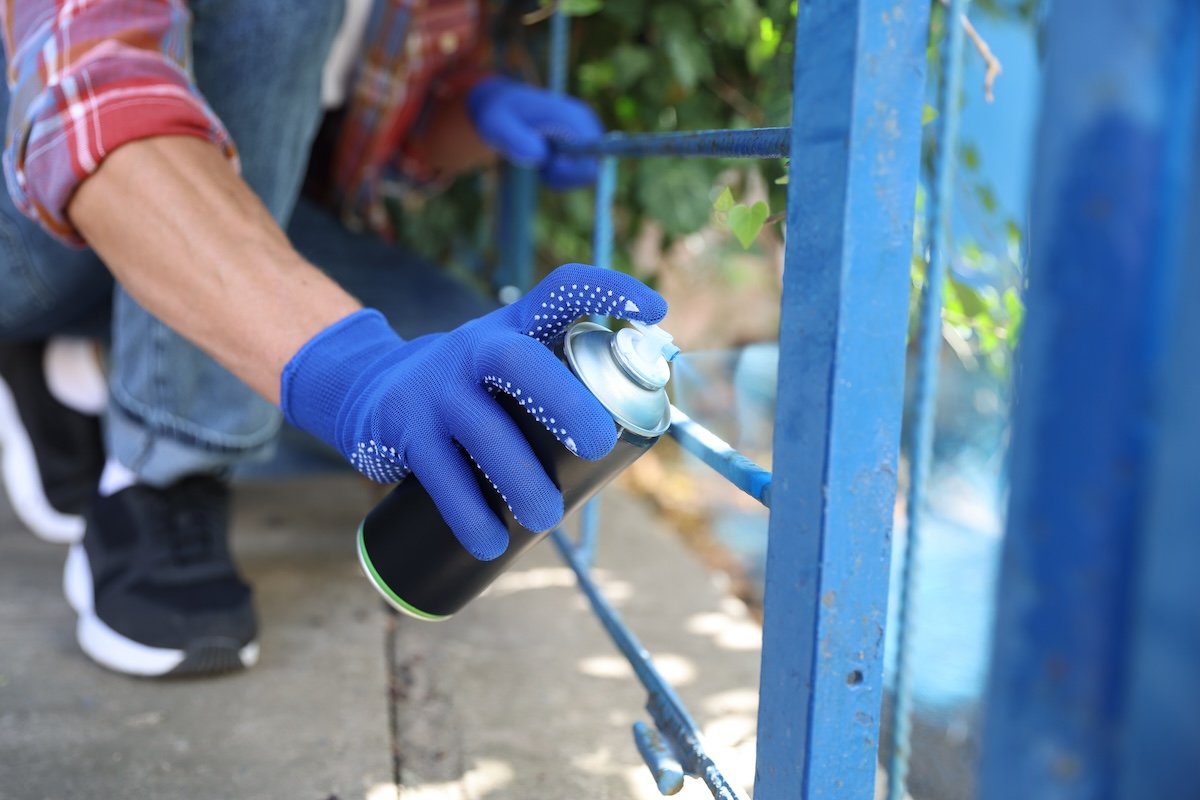
Chipped or peeling paint on metal surfaces provides an entry point for moisture. Once rust begins, it can spread beneath the remaining paint film, leading to pitting and eventual structural failure. To prevent this, maintenance protocols dictate the removal of loose rust followed by the application of a rust-inhibiting primer and a high-performance exterior enamel.
Modern rust-resistant paints are formulated to create a slick, chemical-resistant barrier. This is particularly important for structures located near roadways where "salt splash-back" from passing vehicles is common. Sharkey highlights that an intact coating is the only way to slow corrosion, noting that "left exposed, rust can spread beneath surrounding paint, causing more peeling and pitting." The use of specialized primers for galvanized metal or aluminum is also a necessary consideration, as these materials have different adhesion requirements than standard steel.
Concrete Preservation: Sealing Against Internal Expansion
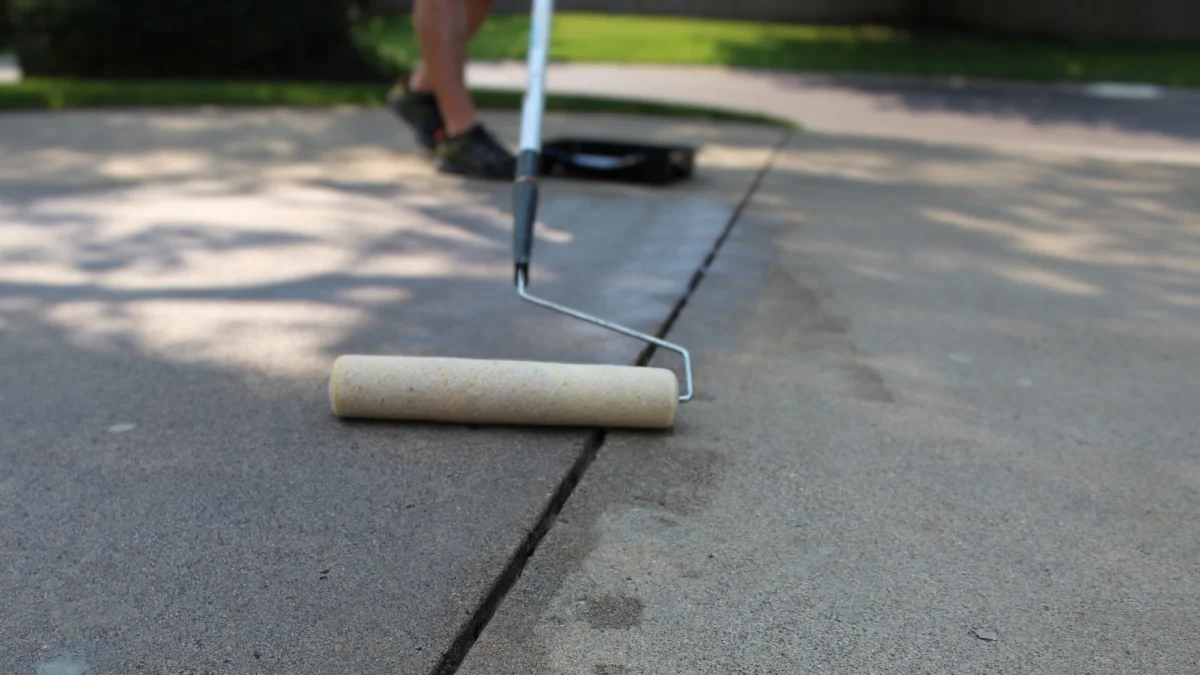
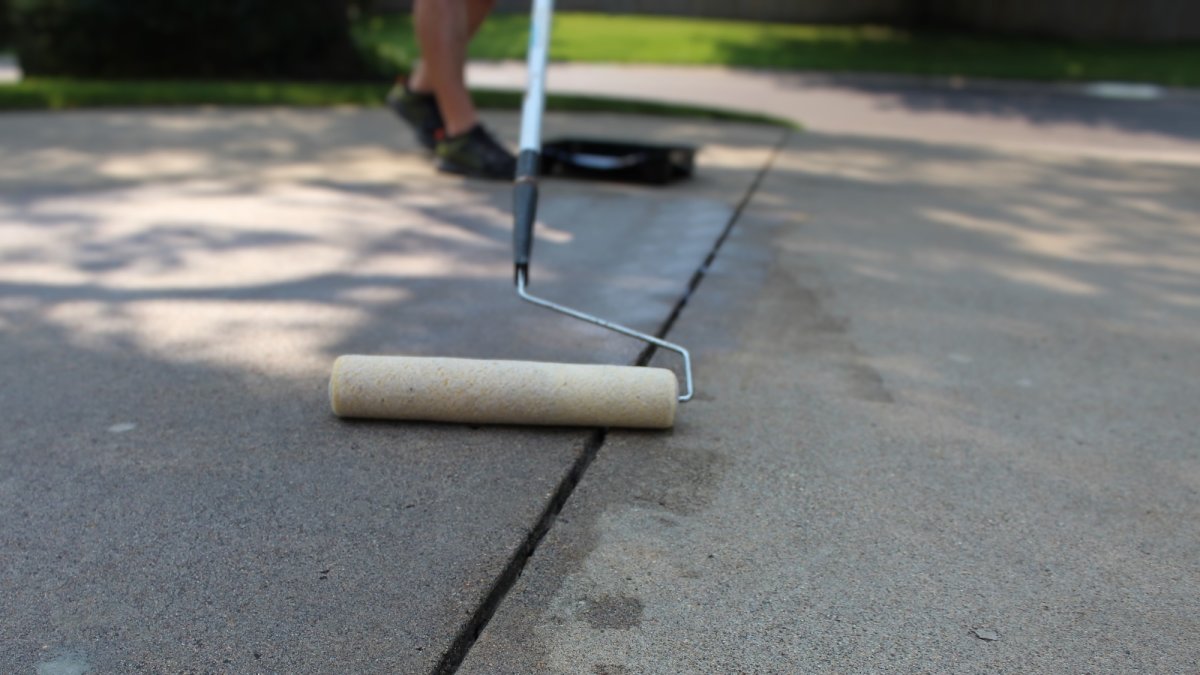
Concrete is often perceived as an impenetrable material, but it is actually highly porous, functioning much like a dense sponge. When liquid water from melting snow enters these pores and subsequently freezes, it leads to surface scaling—a condition where the top layer of the concrete flakes away—and deep-seated cracking.
Unlike wood or metal, which often use "film-forming" coatings, concrete is best protected by penetrating sealers, such as silanes or siloxanes. These chemicals penetrate deep into the concrete’s capillaries and react with the substrate to create an invisible, breathable hydrophobic barrier. This allows internal water vapor to escape while preventing liquid water and dissolved salts from entering.
Industry data suggests that unsealed concrete driveways in cold climates have a significantly shorter lifespan than those treated every three to five years. Sharkey observes that for compatible, absorbent concrete steps, walkways, or patios, a penetrating sealer rated for exterior freeze-thaw exposure is a vital component of preventative maintenance. However, he reiterates that sealers are a defensive measure; they cannot rectify existing drainage issues or repair structural cracks that have already manifested.
Chronology of a Winterization Project: Timing and Temperature
The success of any winterization project is heavily dependent on the timing of the application. Most exterior coatings—whether paint, stain, or sealer—have strict temperature and humidity requirements for proper curing.
- Late Summer (Inspection Phase): Homeowners should conduct a thorough audit of all exterior surfaces, looking for signs of failing finishes, exposed wood grain, rust spots on metal, or hair-line cracks in concrete.
- Early Autumn (Preparation Phase): This period is ideal for cleaning surfaces. Power washing or scrubbing removes dirt, biological growth (like mold or algae), and salt residue. It is crucial to allow surfaces to dry completely; wood, in particular, may require several days of dry weather to reach a moisture content low enough for staining (typically below 15%).
- Mid-Autumn (Application Phase): The window for application typically closes when overnight temperatures begin to drop below 50 degrees Fahrenheit (10 degrees Celsius). Most modern latex and oil-based products require a "curing window" where temperatures remain stable for 24 to 48 hours. Applying products too late in the season, when the substrate is cold or damp, can lead to premature coating failure.
Economic and Strategic Implications of Maintenance
From a broader perspective, the "maintenance gap"—the difference between the cost of routine upkeep and the cost of emergency repair—is a significant factor in long-term property value. Real estate analysts note that well-maintained exterior features contribute significantly to "curb appeal" and overall market valuation. Conversely, visible signs of winter damage, such as a grey, splintering deck or a rusted gate, can serve as red flags for potential buyers, suggesting a general neglect of the property’s envelope.
Furthermore, the environmental impact of maintenance cannot be overlooked. By extending the life of existing wood, metal, and concrete structures, homeowners reduce the demand for new raw materials and the carbon-intensive processes required to manufacture and transport them. A gallon of stain or a quart of rust-inhibitor is a minor environmental investment compared to the ecological footprint of a full deck replacement.
Conclusion: The Proactive Approach to Property Stewardship
In summary, the transition from autumn to winter represents a critical period for residential infrastructure management. The scientific reality of the freeze-thaw cycle and the corrosive nature of winter environments necessitate a proactive approach to surface protection. By understanding the specific needs of wood, metal, and concrete, and by adhering to a strict timeline for application, property owners can effectively shield their homes from the destructive forces of nature. As experts like Marc Sharkey suggest, the goal of winterization is to create a resilient exterior that can withstand the harshest conditions, ensuring that when the spring thaw arrives, the home remains structurally sound and aesthetically preserved. Professional-grade preparation and the use of high-quality, task-specific coatings remain the most effective strategies for mitigating the high costs of seasonal neglect.