admin
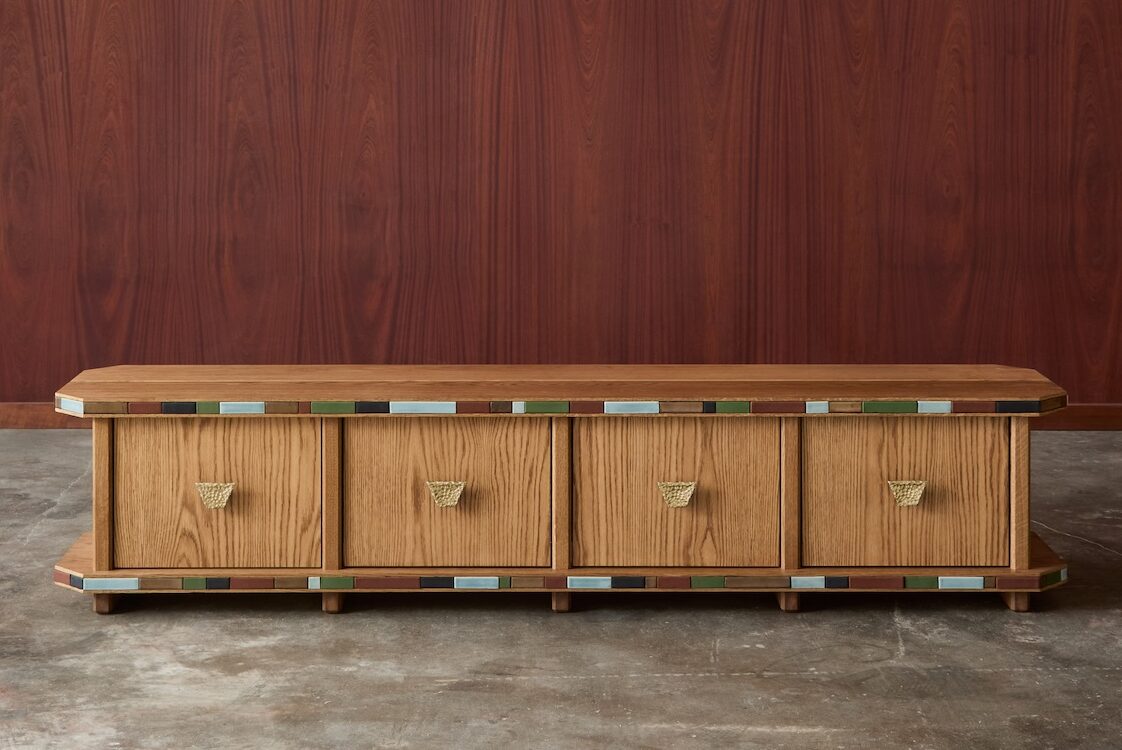
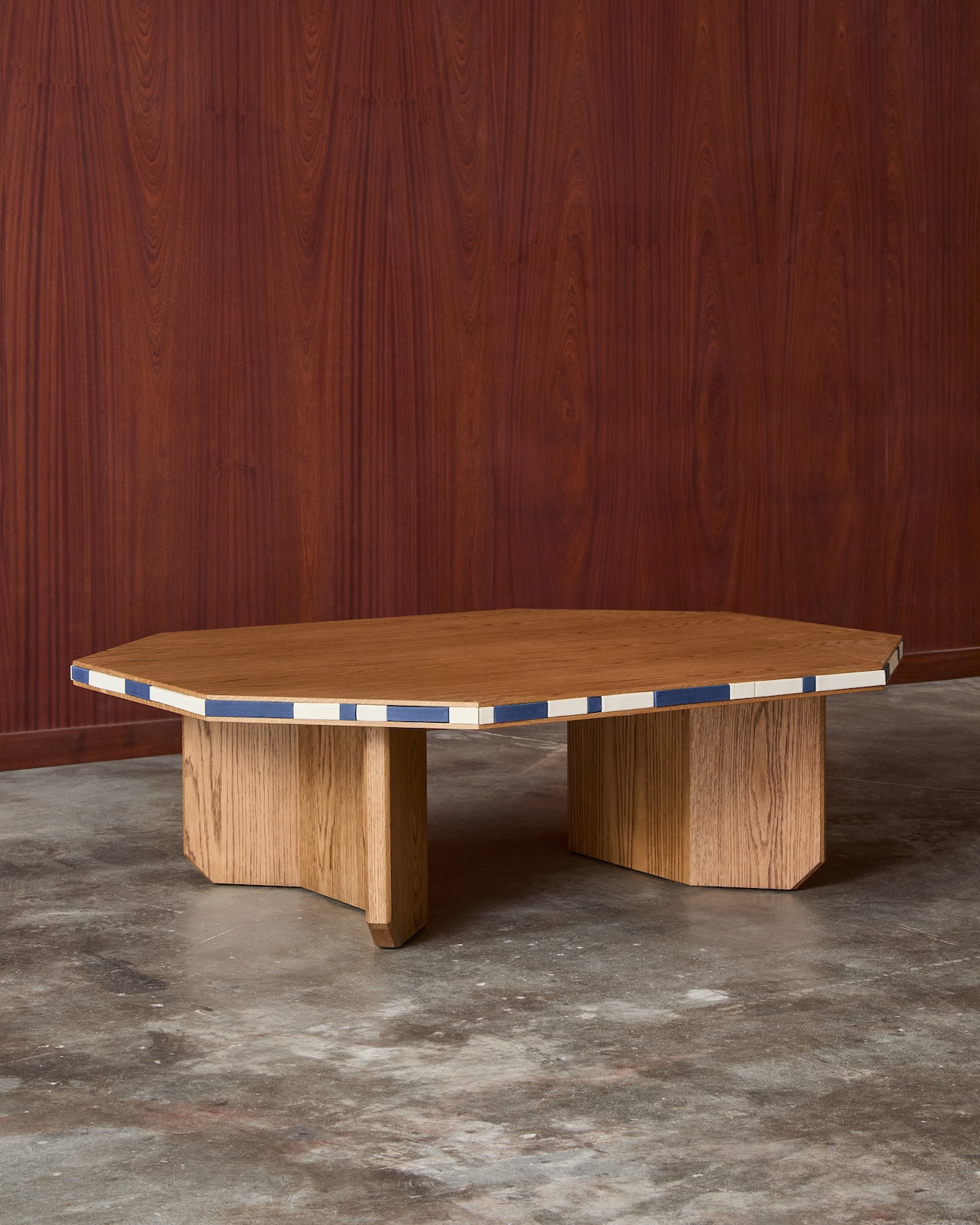
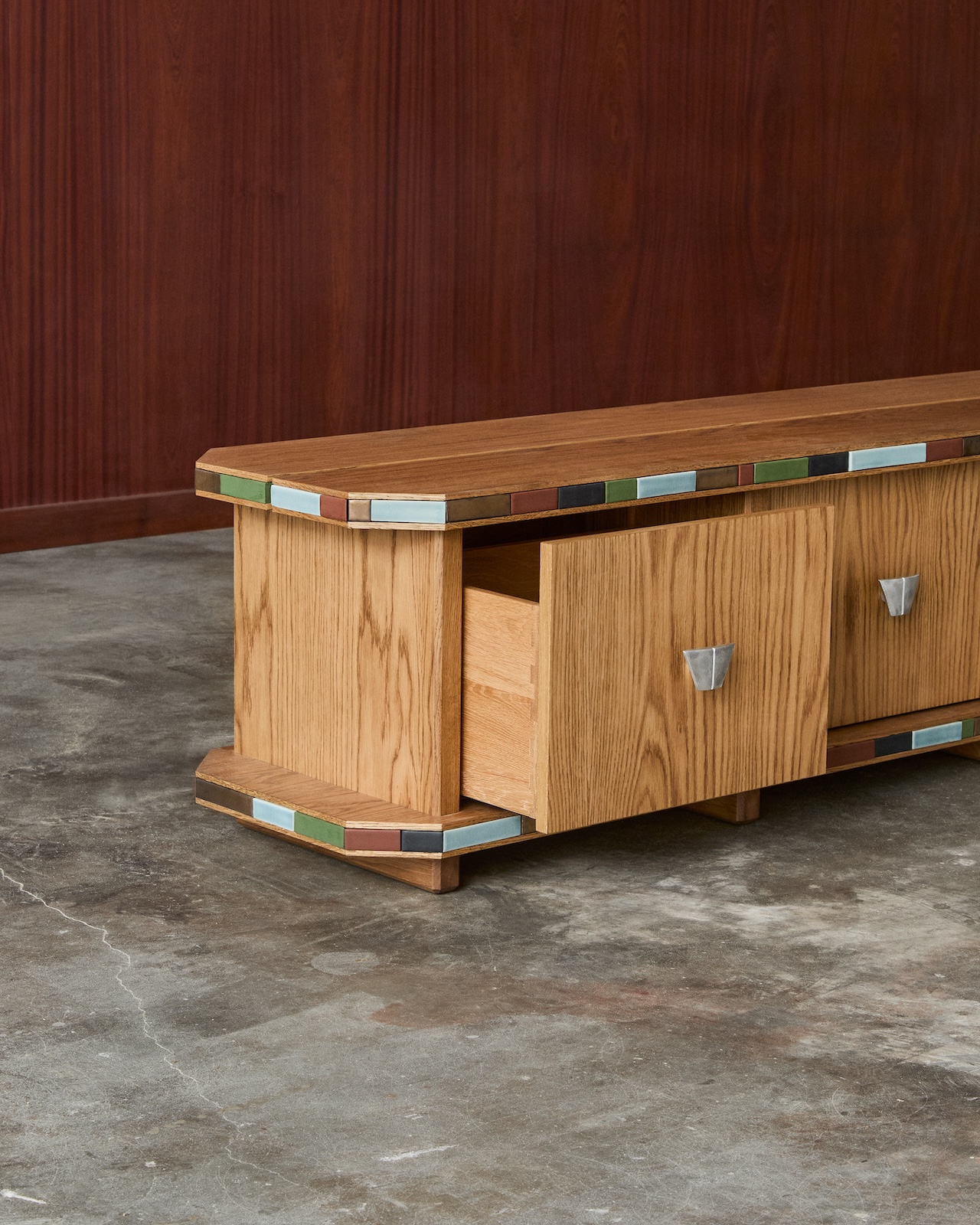
The New York design landscape has witnessed a significant evolution in the collaborative partnership between ceramicist Danny Kaplan and Vince Patti of Lesser Miracle, marked by the official unveiling of the Delf II collection. This second iteration of the Delf series represents a strategic expansion of a design language that began as a singular, personal project and has since matured into a comprehensive suite of high-end furniture. By introducing a desk, a coffee table, a console, and a nightstand, the designers have transitioned their signature aesthetic from the confines of the bedroom into the broader context of the residential interior, emphasizing a meticulous marriage of white oak and hand-built ceramic elements.
The Genesis of the Delf Series: From Private Use to Commercial Success
The origins of the Delf collection can be traced back to a singular piece of furniture: the Paravent Bed. Originally conceived by Danny Kaplan for his own residence, the bed was designed as a study in silhouette and material contrast. Kaplan drew primary inspiration from the work of Jean-Michel Frank, the legendary French interior designer known for his minimalist yet luxurious aesthetic in the 1930s. Specifically, the Paravent Bed’s strong, paneled form was modeled after the hinged screens—or paravents—that Frank frequently utilized to define space and add architectural depth to minimalist rooms.
Upon completing the bed, Kaplan recognized a unique synergy between the warmth of the wood and the tactile nature of his ceramic inlays. This realization led to a partnership with Vince Patti of the Brooklyn-based studio Lesser Miracle. Together, they identified the commercial potential of the design, leading to the formal launch of the first Delf collection in early 2024. The market response to the initial offering provided the momentum necessary for the development of Delf II, which seeks to apply the established material logic to a wider variety of functional forms.
Etymology and the "Mining" of Materials
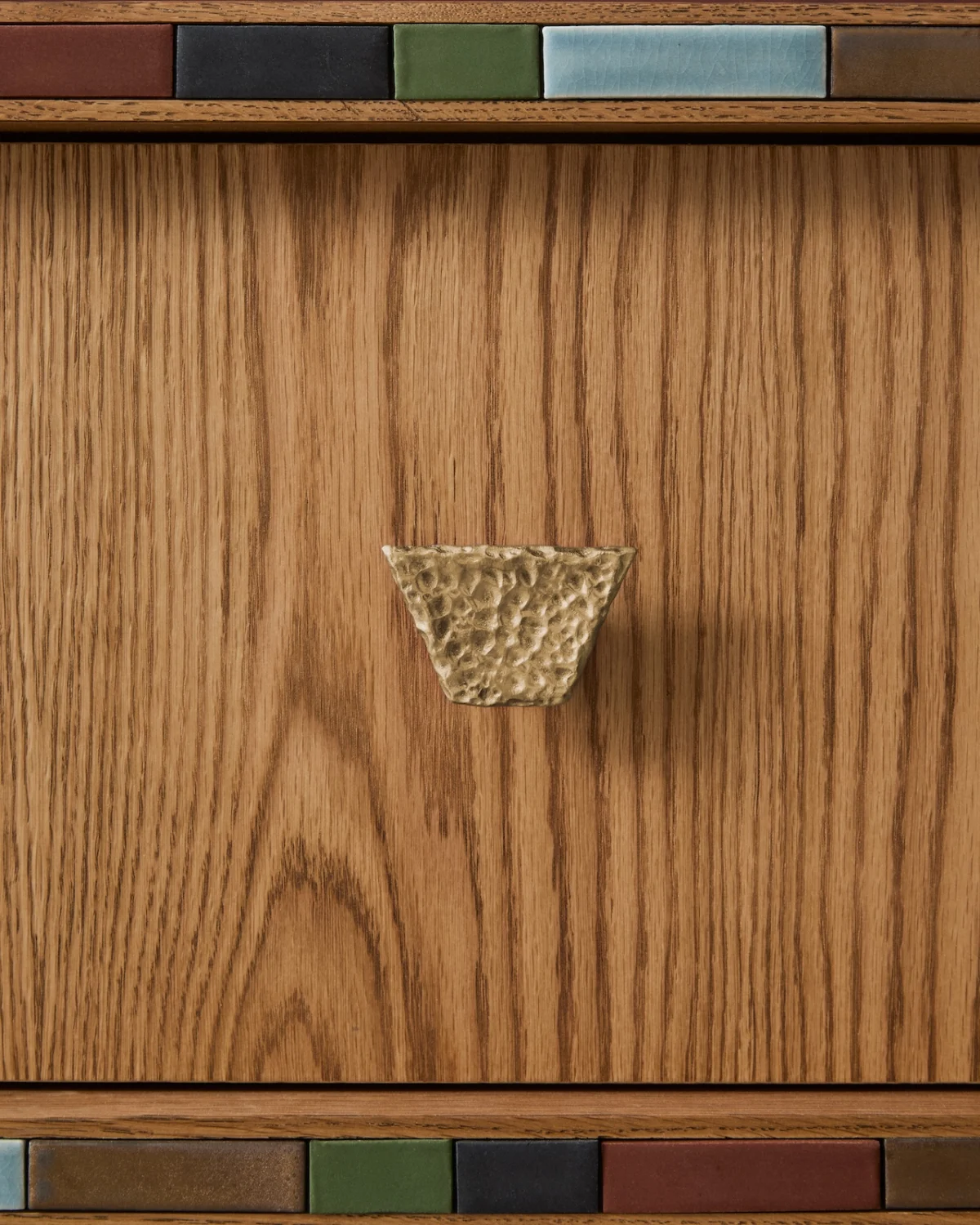
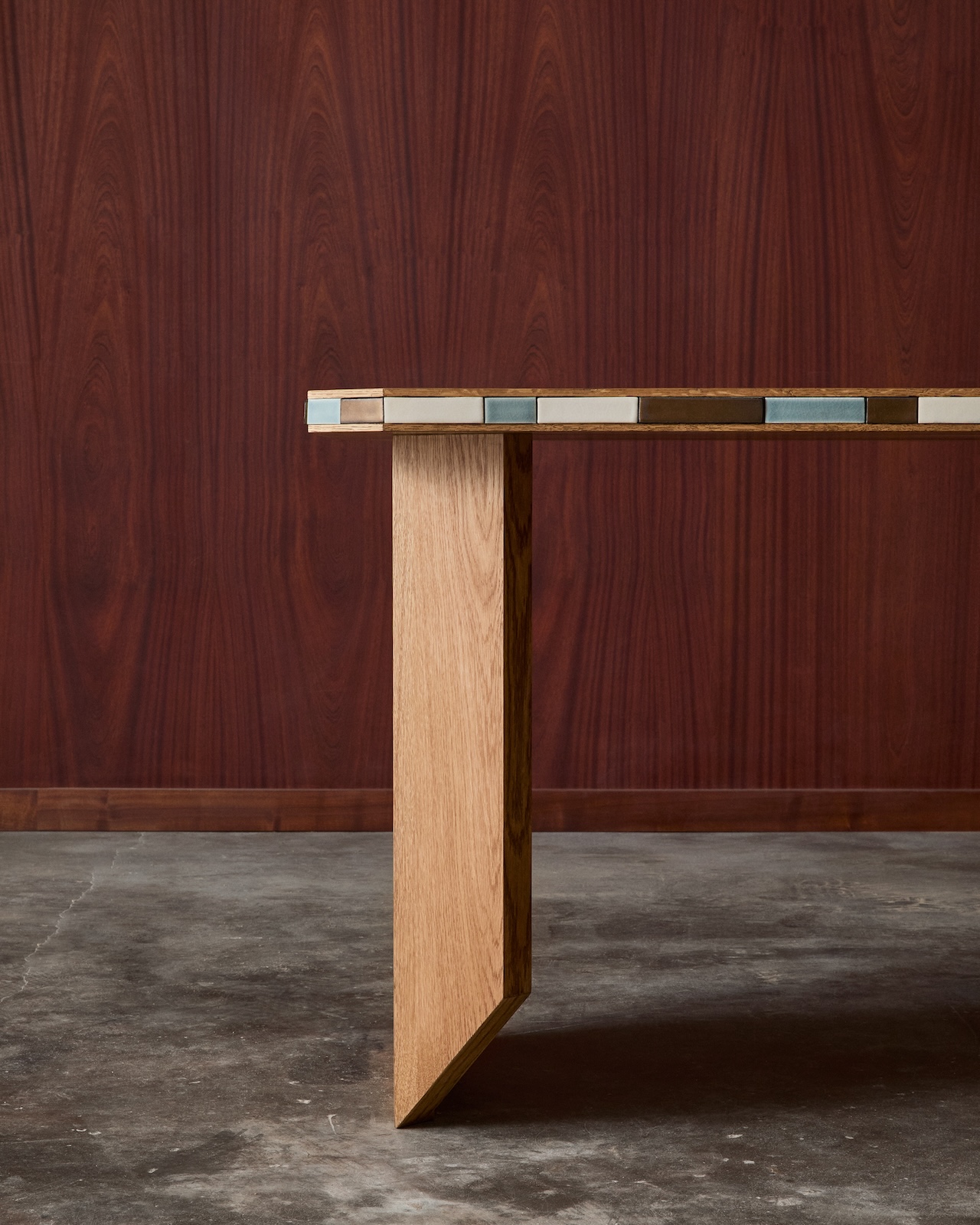
The name "Delf" is a deliberate reference to the technical process involved in the creation of each piece. Derived from delven, the Dutch verb meaning "to mine" or "to dig," the name encapsulates the physical act of carving channels into the solid white oak structures. These "mined" sections are then filled with custom-fitted ceramic tile inlays, creating a flush, integrated surface that challenges the traditional boundaries between cabinetry and pottery.
This method requires a high degree of precision and an understanding of the differing properties of wood and clay. While wood is subject to environmental shifts in humidity and temperature, ceramic is a rigid, fired material. The successful integration of the two requires the designers to account for these physical variances, ensuring that the inlays remain secure while allowing the natural timber to breathe. The resulting aesthetic is one of "embedded" treasure, where the ceramic appears to have been unearthed from within the grain of the wood itself.
Materiality and the Vallauris Influence
Central to the collection’s identity is the work of Danny Kaplan, a self-taught ceramicist who established his eponymous studio in 2015. Kaplan’s contribution to Delf II is deeply rooted in the historical traditions of Vallauris, a commune in southeastern France that became a global epicenter for ceramics in the mid-20th century, most notably hosting the workshop of Pablo Picasso.
The tilework in Delf II mirrors the rustic yet refined quality of Vallauris pottery. Kaplan utilizes a range of signature glazes that offer a diverse palette for interior designers and collectors. These include:
- Stone and Anthracite: Neutral, mineral-inspired tones that emphasize texture.
- Terrasig and Agate: Earth-toned glazes that evoke geological formations.
- Ivy and Lapis: Deep, organic greens and blues that provide a striking contrast to the white oak.
- Bronze and Chestnut: Metallic and warm wood-adjacent hues.
- Navy: A new addition to the studio’s repertoire, introduced specifically to complement the expanded Delf II forms.
These glazes are applied to hand-built tiles that are fired individually, ensuring that no two pieces are identical. This commitment to the "hand-made" serves as a counterpoint to the modernist architectural forms of the furniture, which feature clean lines softened by rounded edges and subtle, ergonomic curves.
The Production Timeline: A Study in Slow Design
The production of a single piece in the Delf II collection is a labor-intensive process that spans several weeks, exemplifying the "slow design" movement that prioritizes quality and craftsmanship over mass production. The process is characterized by a carefully sequenced series of steps:
- Conceptualization: Each piece begins with hand sketches by Danny Kaplan, which are then shared with Vince Patti for discussion.
- Digital Modeling and Prototyping: The designs move into digital modeling to refine dimensions and tolerances. Prototypes are often created to test the scale and the relationship between the wooden frame and the intended ceramic inserts.
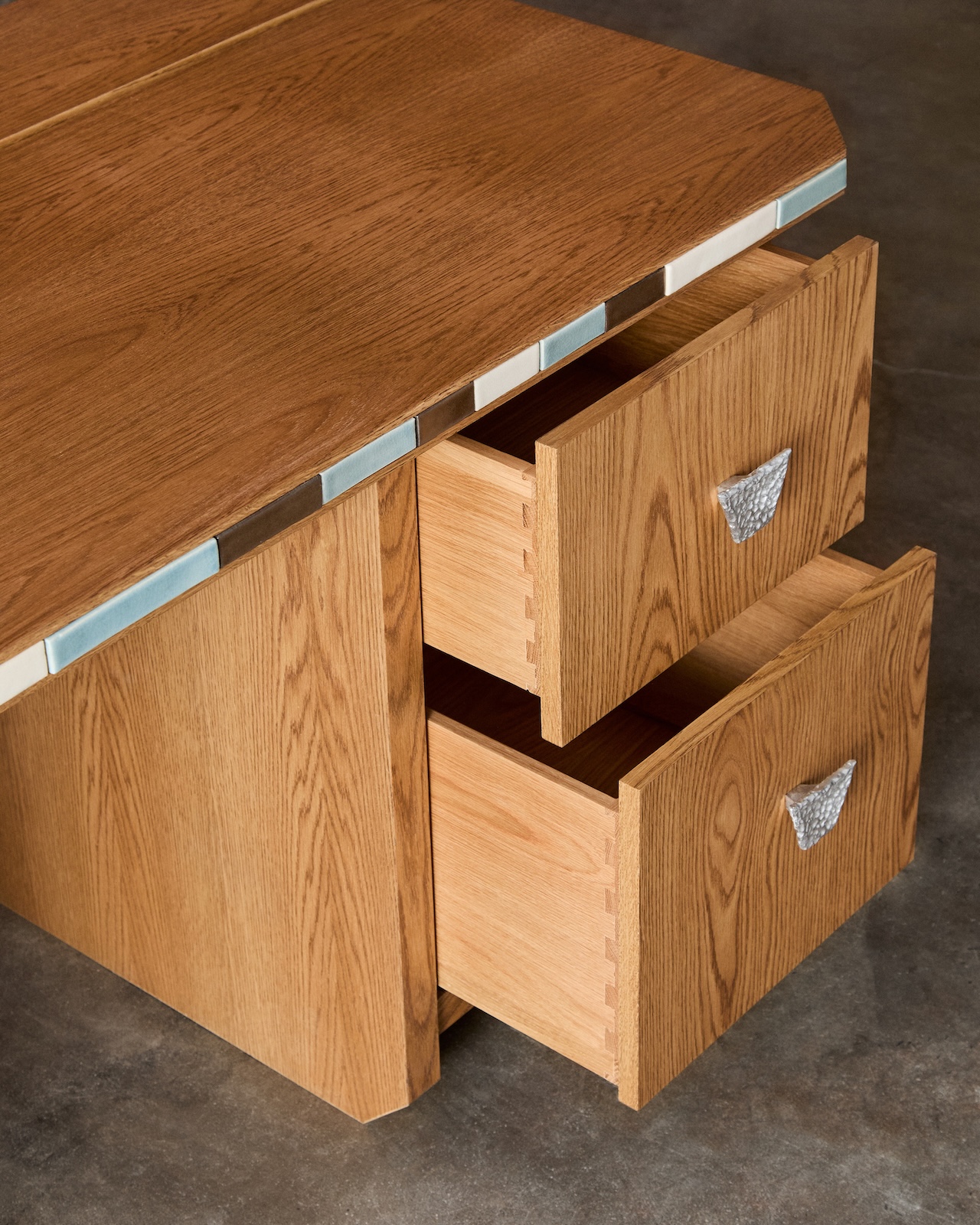
- Woodworking: The structures are hand-built from premium white oak. This stage involves the "mining" of the wood—carving the precise channels that will house the tiles.
- Ceramic Fabrication: Simultaneously, Kaplan creates the ceramic components. Because clay shrinks during the firing process, the tiles must be crafted with an expert understanding of final dimensions to ensure a seamless fit into the wooden channels.
- Hardware Casting: The collection features bespoke drawer hardware that follows a similar artisanal path. The handles are first modeled in clay to capture a tactile, organic feel, and then cast in brass or aluminum.
- Assembly: Once fired and finished, the ceramic tiles are individually fitted into the oak structures. The hardware is installed, and the wood receives its final finish.
Collaborative Philosophies: Kaplan and Lesser Miracle
The Delf II collection is the product of two distinct but complementary design philosophies. Danny Kaplan brings a focus on the tactile and the ancient, viewing ceramics as a medium that connects contemporary design to historical craftsmanship. His self-taught background allows for a more experimental approach to glazing and form, unburdened by rigid academic constraints.
Vince Patti, through his studio Lesser Miracle, contributes a broader architectural and narrative lens. Patti’s work is frequently influenced by eclectic sources, including the intricate geometries of Timurid architecture (found in historical Persia and Central Asia), the organic modernism of Frank Lloyd Wright, and even the visual language of 1970s pulp fantasy illustration. In the Delf II collection, Patti’s influence is visible in the structural confidence of the pieces. He notes that the new collection represents a "natural evolution," building on the principles of the original series but with "greater confidence and complexity."
Broader Implications for the Collectible Design Market
The expansion of the Delf collection reflects a growing trend in the high-end furniture market toward "collectible design"—pieces that sit at the intersection of functional furniture and fine art. By utilizing materials like white oak and hand-fired ceramic, Kaplan and Patti are appealing to a demographic of consumers who value material honesty and the narrative of the maker.
Furthermore, the transition from a bedroom-centric collection (the original bed and nightstands) to a full-home offering (desk, console, coffee table) indicates a strategic move to capture more of the "interior landscape." As Kaplan observed, the expansion allowed the duo to think about how their specific design language could "live throughout an entire interior," providing a cohesive aesthetic thread that can run from the private quarters to the public living spaces of a home.
From a factual standpoint, the collection arrives at a time when the New York design scene is increasingly favoring collaborations between independent studios. The success of Delf II suggests that the combination of specialized craft (Kaplan’s ceramics) and architectural furniture design (Patti’s woodworking) creates a value proposition that larger, mass-market manufacturers cannot easily replicate.
Conclusion and Future Outlook
Delf II stands as a testament to the viability of craft-led collaboration in the 21st century. By grounding their work in historical references—from Jean-Michel Frank to the potters of Vallauris—Kaplan and Patti have created a series that feels both timeless and contemporary. The collection’s emphasis on the physical act of "mining" the wood to reveal ceramic "deposits" provides a compelling tactile experience that distinguishes it in a crowded marketplace.
As the two New York-based designers continue to refine their partnership, the design community anticipates further explorations of this material pairing. For now, Delf II offers a sophisticated roadmap for how a single, well-executed idea can be successfully expanded into a comprehensive domestic vision. The collection is currently available through Danny Kaplan Studio, marking a new chapter in the ongoing dialogue between the ceramic arts and modernist furniture design.