admin
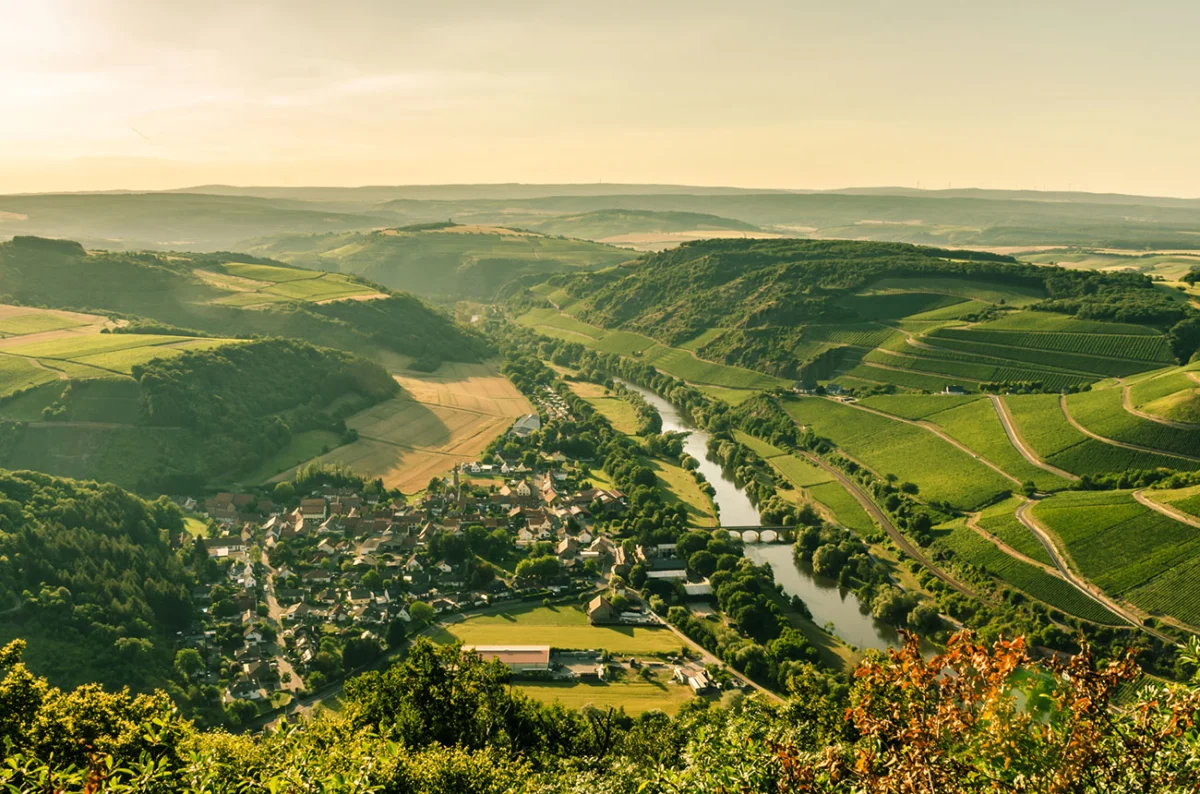
Languedoc, a region renowned for its sun-drenched vineyards and Mediterranean climate in southern France, experienced an unprecedented and grueling summer in 2026, marked by four distinct and severe heatwaves that effectively placed much of the populace under what many described as "house arrest." From late May through late August, the region was repeatedly trapped under persistent heat domes, driving temperatures to extreme highs and significantly disrupting daily life, public health, and the vital agricultural sector. The relentless solar persecution, with daytime temperatures routinely soaring past 36°C by mid-morning and nighttime lows often struggling to dip below 30°C, forced residents to drastically alter routines, pushing dinners late into the night and limiting outdoor activity to the bare minimum. The profound impact on the region’s iconic viticulture, with vines rooted and unable to escape the oppressive conditions, has initiated a serious re-evaluation of climate adaptation strategies for this economically crucial sector.
A Summer Under Siege: Chronology of the 2026 Heatwaves
The summer of 2026 commenced with an early and intense surge of heat, setting the tone for the months to follow. The first heatwave struck Languedoc in the final week of May, extending into early June. This initial event, unusually early for such intensity, saw temperatures consistently exceeding 32°C, already causing concern among public health officials and agriculturalists. It served as a stark precursor to the escalating challenges ahead, prompting early activation of regional heat alert systems.
A brief respite offered a deceptive return to seasonal norms before the second major heatwave descended upon the region in mid-July. This period was characterized by a particularly robust heat dome, leading to a sustained stretch of over ten days where daytime highs frequently surpassed 38°C in inland areas, with coastal zones experiencing only marginally cooler conditions. Nighttime temperatures remained stubbornly high, rarely falling below 27°C, preventing effective cooling of homes and bodies. This extended period of thermal stress significantly impacted human health, leading to a noticeable increase in heat-related emergency room visits, primarily among the elderly and those with pre-existing conditions.
August brought with it the third and arguably most severe heatwave of the season. Spanning much of the first half of the month, this event saw the mercury climb to its highest points, with several locations reporting temperatures in excess of 40°C. Records for consecutive days above 35°C were reportedly approached or broken in parts of Hérault and Gard. The intensity of this wave prompted the Prefectures across Languedoc to elevate their heat warnings to the highest levels, activating emergency protocols including the opening of cooling centers and widespread public advisories regarding hydration and limiting outdoor exposure. This was the period during which many residents reported feeling under "house arrest," with social activities, tourism, and even essential errands largely curtailed during daylight hours.
The summer concluded with a fourth, late-season heatwave in the latter half of August. While slightly less intense than its predecessor, this final surge of heat, with temperatures still consistently above 35°C, exacerbated the cumulative stress on both human populations and natural ecosystems. For the agricultural sector, already grappling with the effects of earlier heat, this final wave presented additional challenges for late-ripening crops and further complicated harvest logistics. By the time cooler autumn weather finally arrived in early September, the region had endured nearly four months of intermittent but severe thermal stress, marking 2026 as one of the most challenging summers in recent memory.
Scientific Context: The Anatomy of Heat Domes and Climate Change Link
The recurring "heat domes" observed over Languedoc in 2026 are a meteorological phenomenon characterized by a persistent ridge of high atmospheric pressure that traps hot air beneath it, preventing it from dissipating. This high-pressure system acts like a lid, compressing the air and causing it to warm further, leading to prolonged periods of extreme heat. Such events are increasingly being linked by climatologists to the broader patterns of global climate change.
According to reports from the Intergovernmental Panel on Climate Change (IPCC), the Mediterranean basin, including southern France, is identified as a significant climate change hotspot, projected to experience more frequent, intense, and prolonged heatwaves. Data from Météo-France indicates a clear upward trend in average summer temperatures across France over the past decades, with a notable increase in the number of extreme heat days. The 2026 events align with these projections, suggesting that what was once considered an exceptional occurrence may be transitioning into a more regular feature of the regional climate. Scientific consensus points to anthropogenic climate change as a primary driver, altering atmospheric circulation patterns and increasing the baseline temperatures upon which these extreme events build. The intensity and duration of the 2026 heatwaves, particularly their early onset and late persistence, are consistent with the anticipated impacts of a warming planet on temperate regions.
Impact on Human Life and Public Health
The prolonged heatwaves of summer 2026 had a profound and multifaceted impact on human life and public health across Languedoc. Daily routines were fundamentally reshaped, with typical Mediterranean summer activities such as evening strolls and outdoor dining often delayed until well after 10 PM, or even later, simply to await temperatures dropping below 30°C. Siestas, traditionally a midday break, became an essential survival strategy, with many businesses adjusting hours to close during the hottest parts of the day.
Vulnerable populations bore the brunt of the crisis. Elderly residents, young children, and individuals with chronic health conditions faced heightened risks of heatstroke, dehydration, and exacerbation of existing illnesses. Local health authorities, in conjunction with regional hospitals, reported a significant surge in emergency room admissions related to heat-stress during the peak of each heatwave. The Agence Régionale de Santé (ARS) Occitanie issued numerous public health advisories, emphasizing the critical importance of hydration, staying indoors during peak heat, and checking on vulnerable neighbors. Cooling centers were established in municipal buildings and public libraries across major cities like Montpellier and Nîmes, providing air-conditioned refuge for those without access to adequate cooling at home.
Beyond health, the heatwaves strained public infrastructure. Demand for electricity, primarily driven by air conditioning units, soared, testing the limits of the regional power grid. While widespread blackouts were largely avoided through careful management by energy providers like Enedis, concerns were raised about the long-term sustainability of such energy demands if extreme heat becomes the norm. Water resources also came under pressure, with local prefectures implementing initial water restrictions in several municipalities to conserve dwindling supplies, particularly for agricultural use.
Agricultural Sector: The Plight of the Vines and Broader Crop Impacts
The original article highlighted the poignant observation about the region’s vineyards, "shackled by their roots: no escape from solar persecution." This sentiment encapsulates the severe challenges faced by Languedoc’s viticulture, a cornerstone of its economy and cultural identity. The 2026 heatwaves inflicted significant stress on the vines, leading to a range of detrimental effects:
- Sunburn (Échaudage): Exposed grape clusters, particularly on the sun-facing sides, suffered direct sun damage, leading to shriveled, discolored berries unsuitable for quality wine production. This directly reduced viable yield.
- Accelerated Ripening: High temperatures drastically sped up the ripening process, particularly the accumulation of sugars. This necessitated exceptionally early harvests (vendanges précoces) for many appellations, in some cases weeks ahead of traditional schedules. While early harvesting can mitigate some issues, it also compresses the window for optimal ripeness, making decision-making critical and complex for winemakers.
- Altered Grape Composition: The rapid sugar accumulation often occurred without a corresponding phenolic ripeness (tannins, anthocyanins in skins). High temperatures also lead to a decrease in acidity, a crucial component for wine balance and longevity. This can result in wines with higher alcohol levels, lower acidity, and potentially less complex aromatic profiles, posing challenges for maintaining the characteristic style of Languedoc wines.
- Water Stress: Despite some localized irrigation, many vineyards in Languedoc rely on dry farming. The intense heat, coupled with periods of reduced rainfall, exacerbated water stress, impacting vine health and long-term productivity.
- Yield Reduction: The combined effects of sunburn, premature ripening, and water stress are anticipated to result in a measurable reduction in overall grape yield for the 2026 vintage across the region, impacting the financial stability of numerous wineries.
Beyond viticulture, other key agricultural sectors in Languedoc also suffered. Olive groves, fruit orchards (peaches, apricots), and vegetable farms experienced similar challenges with sunburn, accelerated ripening, and increased water demand. Livestock farmers faced difficulties in keeping animals cool and hydrated, with reports of reduced milk production and animal welfare concerns. The cumulative economic impact on the region’s agricultural sector is projected to be substantial, forcing farmers to consider more robust adaptation strategies for future seasons.
Official Responses and Mitigation Efforts
In response to the escalating crisis, local and regional authorities in Languedoc mobilized various resources and initiatives. The Prefectures of the affected departments (Hérault, Gard, Aude, Pyrénées-Orientales) activated their "Plan Canicule" (Heatwave Plan) at the highest alert levels during the peak heatwaves. This involved:
- Public Communication: Daily press briefings and widespread dissemination of public health advisories through traditional and social media, detailing protective measures and emergency contact information.
- Health System Reinforcement: Increased staffing in hospitals and emergency services, and coordination with social services to monitor vulnerable populations.
- Cooling Infrastructure: The opening of municipal cooling centers and extending hours for air-conditioned public spaces.
The Chambre d’Agriculture for the Occitanie region played a crucial role in supporting farmers. They issued urgent guidance on mitigating heat stress in crops and livestock, including recommendations for adjusted irrigation schedules, canopy management techniques for vines, and strategies for animal welfare. Discussions were initiated regarding potential financial aid packages for farmers who suffered significant crop losses, with calls for support from both regional and national governments.
Météo-France, the national meteorological service, provided timely and accurate forecasts, enabling authorities and the public to prepare for each successive heatwave. Their advanced warning systems were critical in allowing for the activation of emergency plans and informing public behavior.
Broader Implications and Future Outlook
The summer of 2026 in Languedoc serves as a stark reminder of the escalating impacts of climate change and underscores the urgent need for comprehensive adaptation strategies. The broader implications extend beyond immediate health and agricultural concerns:
- Tourism: Languedoc is a popular tourist destination. The severe heat disrupted the peak summer tourism season, potentially impacting local economies reliant on visitors. Changes in tourist behavior, such as a shift to spring or autumn travel, or a preference for coastal areas with sea breezes, could have long-term effects on the industry.
- Water Management: The strain on water resources highlighted the critical need for improved water management strategies. This includes exploring more efficient irrigation technologies, promoting water-wise agricultural practices, and potentially investing in infrastructure for water storage and distribution. The specter of more severe drought conditions looms large if these heat patterns persist.
- Ecological Impact and Wildfire Risk: The prolonged heat and dryness significantly elevated the risk of wildfires across the region, putting immense pressure on fire services. Beyond immediate fire threats, ecosystems faced stress, impacting local biodiversity and natural habitats.
- Economic Resilience: The agricultural sector, particularly viticulture, faces an existential challenge. Long-term adaptation strategies might include planting more drought-resistant grape varieties, exploring different rootstocks, adjusting vineyard orientation, or even considering new agricultural practices entirely. The economic resilience of the entire region depends on its ability to innovate and adapt to these new climatic realities.
- Policy and Planning: The events of 2026 will undoubtedly inform future regional and national climate adaptation policies. This includes urban planning considerations for heat mitigation (e.g., green spaces, cool pavements), energy policy for grid resilience, and public health preparedness for increasingly frequent extreme weather events.
The summer of 2026 in Languedoc was more than just a season of discomfort; it was a profound illustration of the present-day realities of climate change. For the people of Languedoc, and indeed for all of southern France, it underscored the critical imperative to adapt, innovate, and prepare for a future where such extreme conditions may become the new norm.