admin
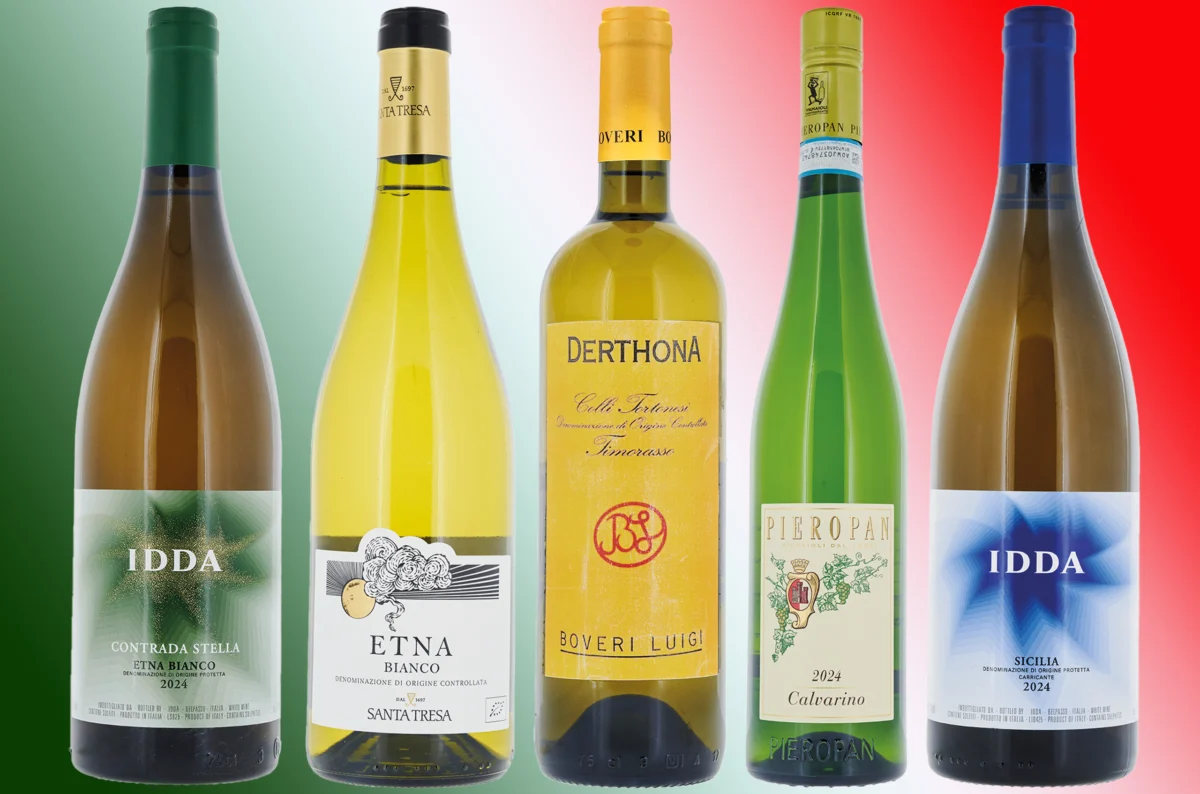
If one were to accumulate a nominal sum for every Italian wine described as ‘Burgundian,’ a substantial fortune capable of acquiring a prestigious vineyard in Gevrey-Chambertin would likely be within reach. This observation, while hyperbolic, underscores a pervasive and often debated phenomenon within the global wine discourse: the chronic and reverent reference to France’s most lauded appellation echoing from the northern reaches of Piedmont to the sun-drenched vineyards of Sicily. While Italy is not alone in this comparative practice, a critical distinction arises. In other prominent wine-producing nations, particularly those with emerging Pinot Noir or Chardonnay industries, the comparison often remains an ‘apples to apples’ exercise, evaluating one Pinot Noir against another, or one Chardonnay against its Burgundian counterpart. In Italy, however, the comparison frequently ventures into ‘apples to oranges’ territory, pitting entirely distinct indigenous grape varieties against the stylistic benchmarks of Burgundy, raising questions about identity, perception, and the future of Italian wine branding.
The Shadow of Burgundy: A Global Benchmark
Burgundy, or Bourgogne as it is known in France, holds an almost mythical status in the world of fine wine. Its reputation is built upon centuries of meticulous viticulture, the profound concept of terroir – the notion that a wine’s unique characteristics are a direct reflection of its specific place of origin, encompassing soil, climate, and human tradition – and an unwavering dedication to two noble grape varieties: Pinot Noir for reds and Chardonnay for whites. Regions like the Côte d’Or, with its prestigious villages of Gevrey-Chambertin, Vosne-Romanée, and Puligny-Montrachet, have become synonymous with elegance, complexity, age-worthiness, and unparalleled expression of site. The strict Appellation d’Origine Contrôlée (AOC) system, which meticulously defines vineyard boundaries, grape varieties, and winemaking practices, reinforces this sense of specificity and quality.
The global wine market often uses Burgundy as a qualitative yardstick. For winemakers in emerging or historically less recognized regions, drawing a parallel to Burgundy can serve as a shorthand to convey attributes like finesse, savory complexity, bright acidity, and a capacity for graceful aging – qualities highly prized by connoisseurs. This mental shortcut can be particularly tempting when introducing consumers to wines from less familiar grape varieties or regions, offering a familiar reference point for understanding a new sensory experience. However, it simultaneously risks diminishing the unique character and inherent value of the wines being compared.
Italy’s Indigenous Tapestry: A World Apart
Italy, by contrast, boasts a viticultural heritage that is arguably even more diverse and ancient than France’s. With an estimated 350 to over 500 indigenous grape varieties cultivated across its varied landscapes, Italy represents a veritable mosaic of flavors, aromas, and textures. From the Alpine foothills to the volcanic slopes of Etna and the sun-baked plains of Puglia, each region, often each village, harbors unique grape varieties perfectly adapted to its specific microclimate and soil composition. This staggering biodiversity is Italy’s greatest strength and, paradoxically, sometimes a challenge in a global market that often favors easily recognizable international varietals.
Italian winemaking traditions are deeply rooted in family history and local customs, often predating modern viticulture. The emphasis is not just on terroir, but also on tipicità – the authentic expression of a wine’s local origin and grape variety. While both Italy and Burgundy champion the concept of terroir, their expressions manifest through vastly different grape palettes and historical trajectories. Italian wines, at their best, offer a distinct sensory journey, characterized by vibrant acidity, often savory or earthy undertones, and a remarkable food-friendliness that reflects the country’s culinary prowess.
The "Burgundian" Trope: Unpacking the Italian Instances
The phenomenon of describing Italian wines as ‘Burgundian’ is most frequently applied to red wines, often those exhibiting particular characteristics that evoke the elegance and complexity associated with Pinot Noir.
-
Nebbiolo: The Quintessential Comparison
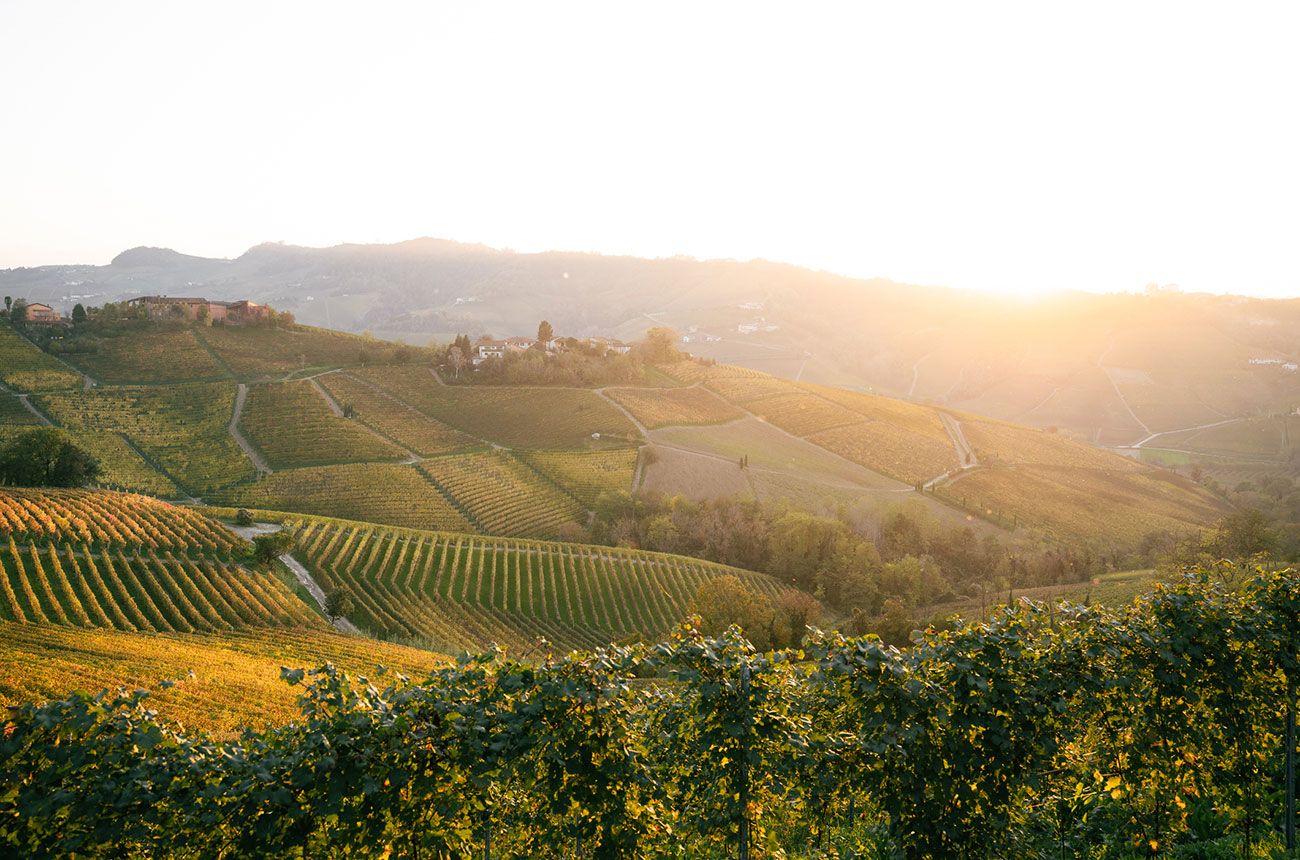
Perhaps the most common and debated comparison is between Nebbiolo-based wines, particularly Barolo and Barbaresco from Piedmont, and the Pinot Noir of Burgundy. On the surface, some similarities are compelling. Both grapes produce wines that are often lighter in color than Cabernet Sauvignon or Syrah, yet possess profound aromatic complexity, high acidity, and firm tannic structures that demand bottle aging. A well-aged Barolo can exhibit ethereal notes of rose, tar, truffle, cherry, and forest floor, echoing the savory, earthy, and red fruit characteristics often found in aged Burgundian Pinot Noir. Both are highly sensitive to terroir, with producers in regions like the Langhe meticulously delineating single vineyards (Menzioni Geografiche Aggiuntive, or MGAs) much like Burgundy’s climats.However, the differences are equally stark. Nebbiolo’s tannin profile is typically far more assertive and structural than Pinot Noir’s, requiring significantly more time to soften. Its aromatic intensity, while complex, leans towards different spectrums of spice, earth, and floral notes. The body and mouthfeel, while elegant, often carry a greater sense of power and density compared to the often more ethereal feel of a fine Burgundy. To call a Barolo ‘Burgundian’ is to focus on shared qualitative traits like elegance and complexity, while overlooking fundamental differences in varietal expression.
-
Sangiovese: Elegance in a Different Guise
Less frequently, but still occasionally, Sangiovese-based wines, especially from Tuscany’s Chianti Classico or Brunello di Montalcino, might draw a ‘Burgundian’ comparison. This typically occurs with producers aiming for a more refined, less overtly powerful style, emphasizing balance, acidity, and savory notes over brute force. Sangiovese, particularly from higher altitudes or specific clones, can display bright red cherry fruit, floral hints, pronounced acidity, and an earthy, savory finish that can be perceived as elegant and food-friendly, aligning with some aspects of Burgundy’s appeal. Yet, Sangiovese’s characteristic firm tannins, distinctive sour cherry profile, and often pronounced herbal or balsamic notes firmly establish its unique Tuscan identity, far removed from the typical Pinot Noir aromatic or structural profile. -
Nerello Mascalese: The Volcanic Analogue
A more recent, and increasingly popular, ‘Burgundian’ comparison has emerged around Nerello Mascalese, the primary red grape of Sicily’s Mount Etna. Grown on volcanic soils at high altitudes, Nerello Mascalese produces wines that are often pale in color, aromatic, high in acidity, and possess fine, albeit firm, tannins. Its flavor profile can include red berries, smoke, mineral notes, and an intriguing savory quality. Critics and consumers alike have latched onto its perceived elegance and terroir transparency as reminiscent of Pinot Noir, particularly in its ability to express subtle differences between vineyard sites. This comparison is perhaps one of the more "understandable" in terms of stylistic overlap, yet it still overlooks the distinct volcanic influence and unique aromatic markers that define Etna Rosso.
Beyond Grape Varieties: Terroir and Philosophy
Both Burgundy and Italy share a deep reverence for terroir. In Burgundy, terroir is meticulously codified, with specific climats achieving Grand Cru or Premier Cru status, each with a distinct profile. In Italy, terroir is expressed through a myriad of regional denominations (DOC, DOCG) and the intrinsic connection between indigenous grapes and their specific environments. The philosophy in both regions is about allowing the land to speak through the wine. However, the lexicon of this dialogue is vastly different.
Burgundy’s focus on two grapes allows for an incredibly detailed exploration of terroir variation within a relatively narrow varietal spectrum. Italy’s vast array of grapes means that terroir is interpreted through a much broader linguistic lens, where the grape itself is an integral part of the regional identity, not just a vessel for the site.
A Global Phenomenon, A Local Nuance
It is important to differentiate Italy’s situation from the global trend of comparing Pinot Noir to Pinot Noir. Winemakers in Oregon, New Zealand, California, and Germany frequently benchmark their Pinot Noirs against Burgundy. This is a direct varietal comparison, aiming to understand how different terroirs and winemaking philosophies express the same grape. While these comparisons can also be reductive if oversimplified, they remain within the same varietal family.
Italy’s ‘Burgundian’ comparisons, by contrast, are almost always cross-varietal. They are not about evaluating how well an Italian Pinot Noir (a rare sight) expresses its terroir compared to a Burgundian one, but rather about assigning a qualitative descriptor to an entirely different grape. This often stems from a well-intentioned desire to elevate Italian wines to a perceived global standard of elegance and sophistication, but it can inadvertently overshadow the very qualities that make Italian wines unique.
The Call for Autonomy: Voices from the Vineyards
Within the Italian wine community, there is a growing sentiment that such comparisons, while sometimes useful as an initial point of reference for consumers, ultimately do a disservice to the intrinsic identity of Italian wines. Many Italian winemakers express a desire for their wines to be appreciated and judged on their own merits, rather than through the lens of a French benchmark. "We respect Burgundy immensely," one prominent Barolo producer might assert, "but our Nebbiolo speaks its own language, rooted in our specific soils and traditions. It offers a different, equally profound experience." This sentiment reflects a maturation in the Italian wine industry, moving beyond a need for external validation to a confident assertion of its distinct heritage.
Wine critics and educators also increasingly advocate for a shift in descriptive language. While acknowledging that stylistic parallels can occasionally be drawn, there is a push to describe Italian wines using a vocabulary that highlights their indigenous characteristics and the unique sensory experience they offer. The goal is to educate consumers to appreciate the specific nuances of a Nebbiolo, Sangiovese, or Nerello Mascalese, rather than trying to fit them into a pre-existing Burgundian mold.
Economic and Cultural Implications
The pervasive ‘Burgundian’ comparison carries both economic and cultural implications. Economically, while it might initially help market less familiar Italian varieties to an audience familiar with Burgundy’s prestige, it can hinder the development of a distinct and independently valued brand identity for Italian wines. If a wine is consistently framed as "like Burgundy, but…" it risks being perceived as a secondary option rather than a primary choice offering a unique proposition. This can impact pricing power and global market positioning.
Culturally, it reflects a lingering Eurocentric bias within the fine wine world, where French models often serve as the ultimate standard. For a country as rich in viticultural history and diversity as Italy, this can be seen as an undue imposition, detracting from the narrative of its own unparalleled heritage. Italy’s wine identity is inextricably linked to its diverse regional cuisines, its vibrant local cultures, and its deep connection to the land. Framing its wines through a foreign lens can dilute this rich tapestry.
Towards a Distinct Identity: The Future of Italian Wine
The path forward for Italian wine lies in unequivocally embracing and championing its unique identity. This involves several key strategies:
- Education and Storytelling: Intensifying efforts to educate consumers, sommeliers, and critics about Italy’s indigenous grape varieties, its diverse terroirs, and its distinct winemaking philosophies. This means moving beyond generic comparisons and delving into the specific stories of each region, grape, and producer.
- Highlighting Tipicità: Emphasizing the authentic character of Italian wines, focusing on their inherent qualities, their historical significance, and their perfect pairing with Italian cuisine.
- Investing in Research and Innovation: While preserving tradition, Italian producers continue to innovate in sustainable practices, clonal selection, and winemaking techniques to further refine the expression of their native grapes.
- Confident Branding: Developing marketing and branding strategies that celebrate Italy’s individuality and position its wines as premium offerings with unique value propositions, rather than as alternatives to other global benchmarks.
In conclusion, while the temptation to draw parallels to the revered wines of Burgundy remains strong, especially for complex and elegant Italian reds, the narrative is slowly but surely shifting. The Italian wine industry, with its unparalleled diversity and rich heritage, is increasingly asserting its right to be judged on its own terms. The future promises a deeper appreciation for the unique character of Nebbiolo, Sangiovese, Nerello Mascalese, and countless other Italian varieties, allowing them to shine brightly, not as reflections of Burgundy, but as brilliant stars in their own right within the vast and captivating firmament of global wine.