admin
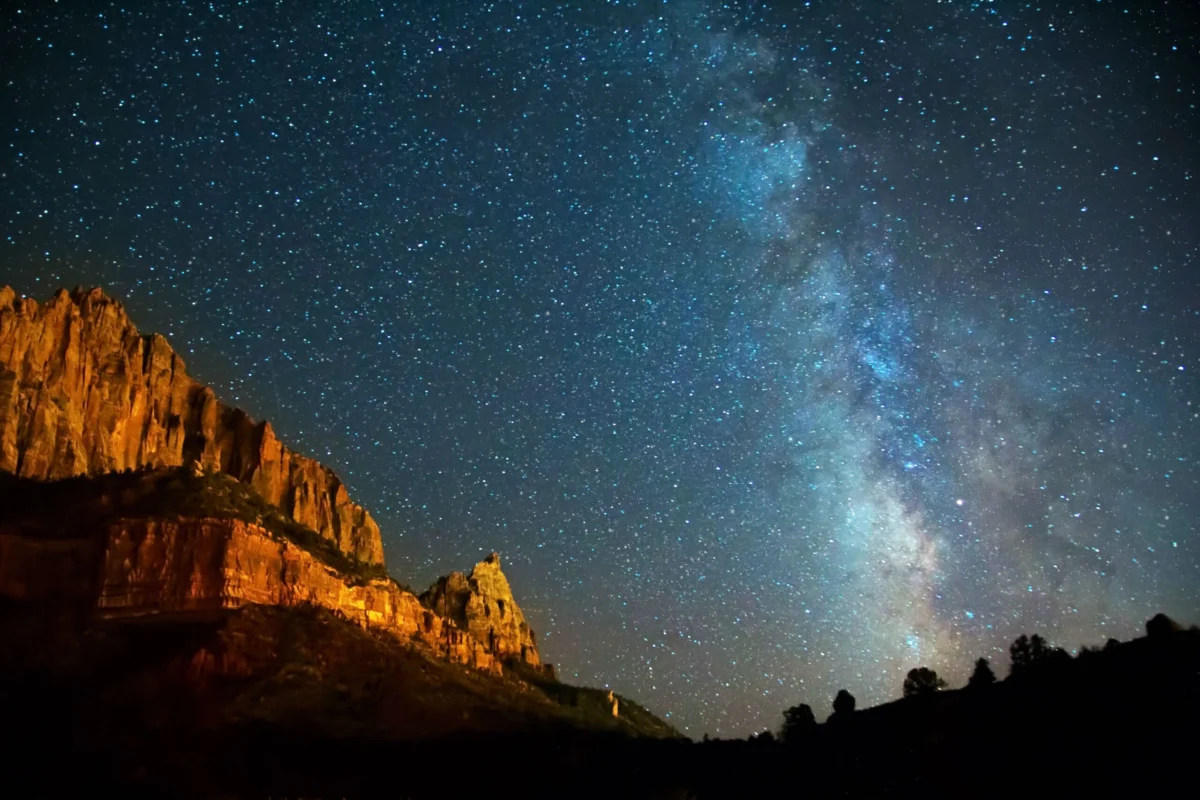
The allure of Utah’s famed "Mighty 5" national parks – Zion, Arches, Canyonlands, Capitol Reef, and Bryce Canyon – has long drawn millions to its awe-inspiring landscapes. Yet, as visitor numbers continue to surge, a growing movement is encouraging a different way to experience these natural wonders: after dark. For those willing to venture beyond sunset, a realm of quiet solitude, celestial spectacle, and unique wildlife encounters awaits, transforming familiar trails and vistas into entirely new worlds. This shift towards nocturnal exploration is not only revealing a hidden side of Utah’s protected areas but also offering a crucial strategy for managing overwhelming daytime crowds.
The foundation of this nocturnal renaissance is rooted in Utah’s exceptional dark skies. The state boasts the highest concentration of certified International Dark Sky Places globally, a testament to its commitment to preserving natural darkness. This designation is crucial, as it signifies areas with minimal light pollution, allowing for unparalleled stargazing. The Mighty 5, along with numerous state parks, are all recognized dark sky locations, providing an ideal canvas for after-dark activities.

A Childhood Spark Ignites a Nocturnal Quest
The author’s initial connection to Utah’s national parks was forged during a formative two-month road trip from New York to Arizona when they were just two-and-a-half years old. This "Out West Trip" imprinted the majestic landscapes of Utah’s Mighty 5 onto their young mind, a profound experience that would shape a lifelong appreciation for the outdoors. Nearly three decades later, with visitation numbers in parks like Zion exceeding 1.4 million visitors during peak summer months and Arches seeing over 445,000 in the same period in 2026, the need for alternative ways to experience these popular destinations became apparent. This personal rediscovery journey, coupled with the growing trend of dark sky tourism, inspired a week-long expedition focused on exploring Utah’s parks by night. The objective was clear: to revisit the sense of wonder from childhood, but through the unique lens of nocturnal exploration, partnering with local guides to unlock the secrets hidden after sunset.
Capitol Reef National Park: Whispers in the Dark

The nocturnal journey commenced in Capitol Reef National Park, a landscape often characterized by its vibrant red rock formations and historical significance. As dusk settled, the park transformed. The cacophony of daytime crowds dissipated, replaced by a profound silence that the author likened to the hushed reverence of ancient redwood forests. This stillness, a stark contrast to the sunlit park’s often buzzing atmosphere, allowed for a deeper sensory engagement with the environment.
Guided by Samuel and Suzanne Francis of Western Whiptails Adventures, the expedition focused on a night hike to Hickman Bridge. The 1.8-mile round-trip hike, typically a moderate daytime trek, presented a new challenge in the darkness. The guides, intimately familiar with the terrain, navigated with an innate sense of direction, while the author and their companion relied on flashlights, their beams cutting through the inky blackness.
"Capitol Reef’s landscape takes on an entirely different character at night," Samuel Francis noted, highlighting the park’s nocturnal inhabitants. He explained that many animals, including bats, kangaroo rats, desert cottontails, foxes, desert bighorn sheep, mule deer, and even the rare ringtail, are most active during twilight and nighttime hours, especially during warmer months. This nocturnal activity underscores the importance of preserving dark habitats.

The hike involved navigating switchbacks, softer sandy terrain, and a final scramble to reach the bridge. The scent of piñon and Utah juniper trees filled the air, a subtle yet grounding olfactory experience. The guides also pointed out historically significant sites, including petroglyphs and a Fremont storage area for corn, adding layers of cultural context to the natural exploration. Despite the physical exertion and the lingering fear of heights for the author, the experience of reaching Hickman Bridge under the glow of a nearly full moon, framed by an impossibly vast expanse of stars, was described as profoundly moving. Suzanne Francis echoed the sentiment, stating, "I’ve seen this bridge plenty of times during the day, but at night, it’s even better." This sentiment encapsulates the transformative power of experiencing familiar landscapes in a new light—or rather, in the absence of it.
Dead Horse Point State Park: The Allure of the Glowing Scorpion
Transitioning from the serene immersion of Capitol Reef, the next stop was Dead Horse Point State Park, renowned for its dramatic overlooks of the Colorado River and its proactive approach to dark sky programming. Unlike the solitary experience at Capitol Reef, Dead Horse Point actively encourages nighttime engagement through organized ranger-led activities.

Ally O’Rullian, public information officer at Utah State Parks, confirmed that Dead Horse Point has offered dark sky viewings since the mid-1970s. The current slate of activities, including scorpion searching, stargazing, sunset walks, and astronomy talks, was formalized in 2015 as part of its application for International Dark Sky status. The park’s $20 entrance fee includes access to these programs, making them accessible to a wide range of visitors.
The chosen activity for the evening was scorpion searching, a program that taps into the unique bioluminescent properties of these arachnids. Under ultraviolet (UV) lights, scorpions emit a distinctive bluish glow, making them surprisingly visible against the desert floor. Ranger Jimmy Burch led the group, assuring them of their safety and the rarity of stings during these guided walks.
"If you hear hissing, step away," Burch cautioned, a lighthearted yet necessary reminder of the wild nature of the environment. As the group swept their UV lights across the brush and rocks, the anticipation built. While late September marks the end of peak scorpion season due to cooling temperatures, the group’s persistence paid off. A young participant’s excited call, "Scorpion, scorpion, scorpion!" signaled the discovery of a small, glowing creature. The experience of observing the scorpion under the UV light, motionless and seemingly unfazed by the attention, provided a tangible connection to the park’s nocturnal ecosystem and demonstrated how technology can enhance, rather than detract from, natural observation.

Sand Hollow State Park: Paddling Under the Moonlight
The final leg of the journey led to Sand Hollow State Park, a lesser-known gem near Zion National Park, celebrated for its striking red-rock cliffs and expansive reservoir. The initial plan for nocturnal canyoneering in Zion was rerouted due to weather, offering an opportunity for a more tranquil nighttime experience: a full-moon paddle.
Sand Hollow State Park has been offering monthly full-moon paddles during the warmer months for the past two years, supplementing its year-round hiking and biking trails. Available from April through September, the paddle begins at moonrise. Ranger Callie Mallow guided the group across the calm reservoir as the last vestiges of daylight faded.

The atmosphere was reminiscent of a lively summer camp, with other visitors still enjoying the water for swimming, fishing, and picnicking. Mallow explained that the park is open until 10 p.m., with ranger-accompanied groups permitted to stay later. The full-moon paddle, she noted, can attract a substantial number of participants, with up to 30 kayaks and paddleboards often on the water simultaneously.
"The moonlit paddle is pretty popular," Mallow shared, emphasizing the program’s aim to "spark adventure and curiosity in visitors, and encourage neighbors to fall in love with their backyard." As the kayaks glided across the water, the group paused near an island inhabited by raccoons, listening to Mallow share local lore and the history of the area. The gentle lapping of water against the kayaks and the rising moon created a serene and introspective environment. The presence of night fishermen and even an Ironman athlete training in the water highlighted the diverse ways people utilize the park after dark. The sighting of scuba divers preparing to enter the water further underscored the multifaceted nocturnal life of Sand Hollow.
The Broader Implications of Nocturnal Exploration

The increasing popularity of nocturnal activities in Utah’s parks is not merely a trend; it represents a strategic response to the growing pressures of overtourism. By encouraging visitors to explore during off-peak hours, parks can distribute visitor load more evenly, reducing congestion and environmental impact during peak daylight times. This approach can also foster a deeper appreciation for the natural world by offering experiences that are distinct from the daytime offerings.
The author’s journey underscores a critical realization: darkness does not diminish the wonder of these landscapes; it redefines it. For many, the initial apprehension of the dark—of unseen creatures, of navigating unfamiliar terrain—can be a significant barrier. However, as evidenced by the guided experiences, with proper preparation and knowledgeable guides, this fear can be overcome, revealing a world of subtle beauty and vibrant life that thrives under the moon and stars.
As the park system faces unprecedented visitation, the embrace of nocturnal programming offers a promising avenue for sustainable tourism. It allows for the discovery of America’s natural treasures in ways that are both adventurous and respectful of the environment. The author’s reflection—that "darkness can make even the most familiar places feel like a whole new world"—resonates as a powerful call to action, inviting more individuals to step into the night and discover the magic that unfolds when the sun goes down. This shift in perspective is not just about seeing new things; it’s about experiencing the profound connection to the natural world that can only be found in the quiet embrace of the night.