Jia Lissa
Following a hypothetical, crushing midterm election defeat that saw Democrats achieve significant, unexpected gains, including control of both the House and Senate and widespread victories in traditionally Republican strongholds, a deep fissure has emerged within the MAGA movement. Figures once steadfast in their loyalty to former President Donald Trump are now openly pointing fingers, attributing the sweeping losses directly to his influence, strategies, and even his policy decisions. This internal conflict marks a pivotal moment, challenging the unified front that has long defined the "Make America Great Again" coalition and raising profound questions about the future direction and leadership of the Republican Party.
The hypothetical election night unfolded as a political catastrophe for the Republican Party, defying many pre-election forecasts and exit polls that had suggested a more competitive, if not favorable, landscape for the GOP. Instead, the electorate delivered a resounding rebuke, propelled by what analysts are inferring as a complex interplay of factors including voter fatigue with extremist rhetoric, a renewed focus on specific policy issues like a hypothetical "Iran war" mentioned by commentators, and a potential backlash against candidates closely aligned with Trump’s election denial claims and hardline stances. Democrats, who were initially bracing for a defensive battle, instead celebrated an improbable triumph, securing majorities in both chambers of Congress. This hypothetical outcome represented a significant realignment, particularly in states previously considered reliably red, indicating a broader shift in voter sentiment that transcends typical partisan divides. The scale of the hypothetical defeat was unprecedented in recent memory for an opposition party during a midterm cycle, signaling a potential repudiation of the Republican Party’s strategy and messaging.
Trump’s Immediate Counter-Narrative and Media Scrutiny
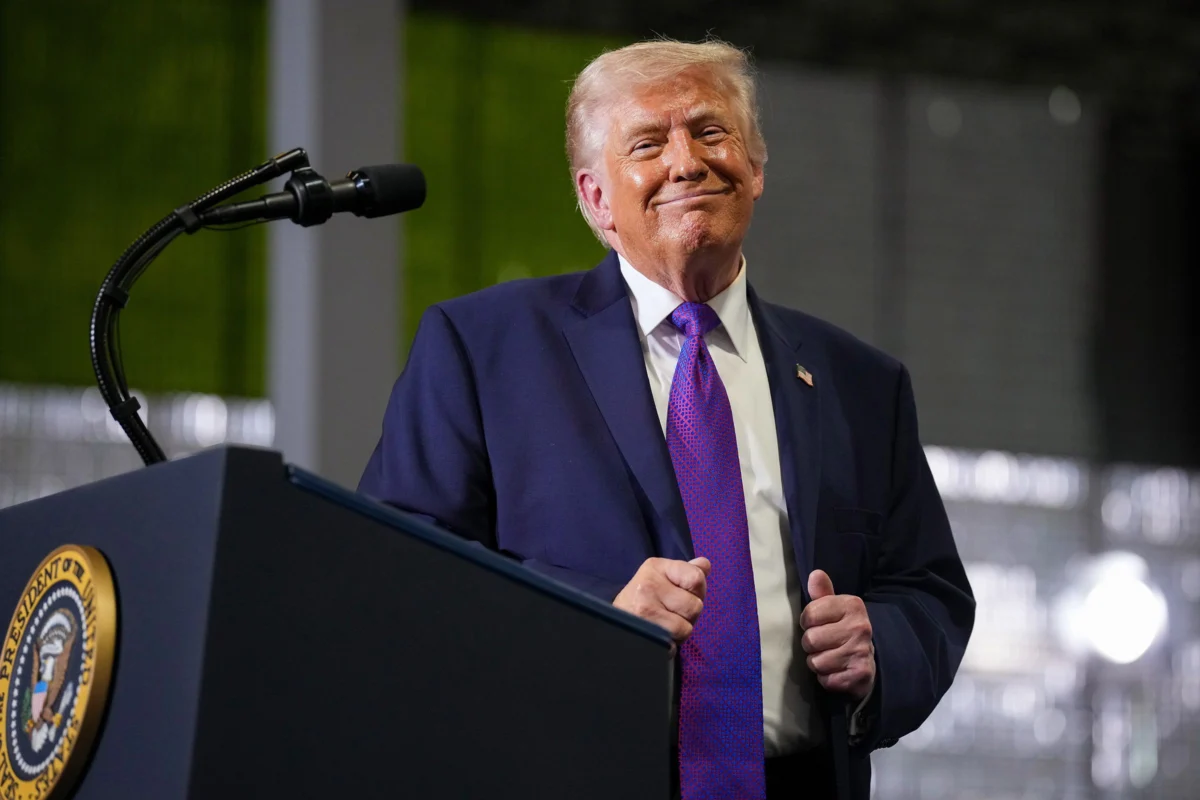
In the immediate aftermath of the devastating results, former President Trump launched a characteristic counter-offensive, not against the victorious Democrats, but against traditional conservative media outlets, primarily Fox News. On Tuesday evening, as the scope of the Republican losses became clear, Trump took to his social media platform, Truth Social, to express his profound displeasure. He accused Fox News of "constantly and consistently putting on the Dumocrat opposition, and worse," assigning the network direct "responsibility for these losses." This outburst underscored his long-standing, often contentious, relationship with Fox News, a network he has frequently criticized for what he perceives as insufficient loyalty or biased coverage, despite its generally conservative leaning. His frustration highlighted a recurring theme in his political career: a tendency to deflect blame and attack perceived adversaries, even within his own ideological camp, when facing setbacks. This immediate deflection of blame towards media coverage rather than internal party strategy or candidate quality set the tone for the ensuing internal debate within the Republican sphere.
Later that same night, in a surprising turn, Trump called into Fox News, where he extended congratulations to the Democrats on their electoral success. This seemingly contradictory gesture – lashing out at the network then appearing on it to concede a victory to opponents – illustrated the complex and often unpredictable nature of his public persona. He simultaneously sought to distance himself from the defeat while acknowledging the undeniable reality of the Democratic sweep. In further Truth Social posts, Trump vehemently denied that the "historic blowout" was a reflection of his own popularity or political standing. "I wasn’t on the Ballot and if I was, we would have won IN A LANDSLIDE!" he asserted, reinforcing the narrative that his personal brand remains invulnerable and that the losses were due to external factors or the shortcomings of others. He subsequently posted an image of a red baseball hat emblazoned with the word "VETO," a symbol potentially suggesting his continued influence and ability to obstruct legislative efforts, even from outside the White House. This act served as a defiant message, hinting at his ongoing relevance and potential future political maneuvers, despite the electoral setback. This assertion that his personal presence on the ballot would guarantee victory reflects a long-held belief in his unique connection with voters, even when faced with significant party-wide losses.
Dissent Within MAGAworld: A Chorus of Blame
However, Trump’s attempts to control the narrative quickly met with significant resistance from within the MAGA movement itself. The hours following the election results witnessed a rapid and public "revolt," as prominent right-wing commentators, influencers, and former associates began to openly criticize the former president, directly attributing the Republican Party’s catastrophic performance to his leadership and strategic missteps. This sudden and widespread disillusionment marked a stark departure from the typical unwavering support Trump has commanded from his base, suggesting a breaking point for some loyalists.
Matt Walsh, a widely followed right-wing podcaster and commentator, was among the first and most vocal critics. He unequivocally labeled the election outcome "a political catastrophe of historic proportions," a sentiment echoed by many across conservative media. Walsh directly targeted Trump, referring to him as "an 80-year-old lame-duck president," a cutting remark implying his political obsolescence and diminished capacity to lead the party effectively, particularly in a future political landscape. Walsh’s critique extended beyond just the election results, pointing to specific policy decisions and perceived trivialities that he believed undermined the Republican effort. He blamed Trump’s hypothetical decision to "start a war with Iran" as a major contributing factor to the losses, suggesting that such a foreign policy venture alienated voters, particularly those weary of foreign entanglements or concerned about the economic implications of conflict. Furthermore, Walsh criticized Trump’s perceived focus on "trivial matters," citing examples such as "attempting to rename artificial intelligence super intelligence and the White House ballroom." These critiques highlighted a growing frustration among some conservatives who felt Trump’s attention was diverted from core issues or that his actions were counterproductive to broader conservative goals, thereby squandering political capital.
Mike Cernovich, another influential right-wing commentator, offered a different, yet equally critical, assessment. For Cernovich, a significant factor in the Republican defeat was Trump’s "decision to ostracize libertarian voters." This critique suggested that Trump’s populist appeal, while strong, failed to broaden the Republican coalition sufficiently, alienating a crucial segment of conservative-leaning voters who prioritize individual liberty and limited government intervention. Cernovich’s analysis implicitly argued for a more inclusive conservative platform, one that could appeal to diverse factions within the broader right-wing movement, rather than relying solely on the MAGA base. This perspective highlights an ongoing tension within the modern Republican Party between its populist and libertarian wings.
Adding further weight to the internal dissent was Mike Flynn, the disgraced former national security adviser, who had been a fervent proponent of the "stolen election" narrative following the 2020 presidential contest. Flynn, who was once a close ally and highly visible supporter of Trump, publicly advised on X (formerly Twitter), "Someone needs to look in a mirror." This pointed statement, coming from a figure deeply embedded in Trumpworld, was widely interpreted as a direct rebuke of the former president’s leadership and refusal to accept responsibility. Flynn also extended his blame to "Christians for not showing up to vote," suggesting a failure of the religious conservative base to mobilize effectively, though this did not absolve Trump in his overall assessment. This dual blame highlights a common strategy within the movement to identify multiple culprits for a collective failure, yet Flynn’s initial comment unequivocally targets leadership.
Perhaps the most sensational critique came from Alex Jones, the notorious conspiracy theorist and host of InfoWars. In a dramatic shift from his historical support, Jones declared on his show Tuesday night, "I think he’s a Democrat. I’m gonna just say it right now." He went on to express profound disillusionment, stating, "I’ve tried to salvage Trump. I’ve not been sure. I’ve invested so much—maybe I was blind to it—I think he’s the ultimate Democrat sleeper cell, and he works for them. I’m 100 percent at war with Trump." This extraordinary accusation, depicting Trump as a covert operative working against the very movement he created, underscored the depth of the crisis and the ideological fracturing occurring within certain fringe elements of the MAGA base, revealing a significant break from a once-unquestioning ally.
Beyond these direct attacks, other MAGA figures, while perhaps more circumspect, also hinted at Trump’s responsibility. Right-wing commentators Jack Posobiec and Nick Sortor both attributed the losses to the hypothetical "decision to start a war with Iran." While they did not explicitly name Trump in their posts, the implication was clear, given his role as a former commander-in-chief and the individual ultimately responsible for such a foreign policy initiative. This recurring theme of the "Iran war" as a major electoral liability suggests it was a contentious issue that resonated negatively with a significant portion of the electorate, contributing to the Republican downfall by potentially alienating moderate voters or those prioritizing domestic issues.
The Shifting Sands of Blame: Marjorie Taylor Greene’s Stance
Further amplifying the narrative of Trump’s culpability was Marjorie Taylor Greene, the former congresswoman who had notably distanced herself from the former president earlier in the hypothetical year. Greene, who was once one of Trump’s staunchest congressional allies, delivered a definitive verdict: "Tonight was a total referendum on Trump. He told people to vote like he was on the ballot and they did." Her statement on X was particularly impactful, given her past association and her capacity to speak directly to a segment of the MAGA base. Greene’s assessment reinforced the idea that Trump’s pervasive involvement in the midterm elections, through endorsements and rallying cries, effectively placed him on the ballot in the minds of many voters, and that the election results were a direct judgment on his political brand and influence. This marked a significant shift for Greene, indicating a potential broader realignment within conservative political circles where even formerly unwavering supporters might begin to challenge Trump’s enduring dominance, possibly signaling a strategic pivot towards a post-Trump future for some prominent figures.
Notable Silences and Unwavering Loyalty
Amidst the chorus of criticism and self-reflection, a conspicuous silence emanated from some of Trump’s most influential and financially significant supporters. Elon Musk, for instance, who had reportedly "poured hundreds of millions of dollars" into supporting Republican candidates during the hypothetical midterm cycle, remained notably quiet on the issue of blame. His only public comments on X included a sarcastic joke about his "election-interfering space lasers didn’t work this time" and an observation that an exit poll showed the "Iran war was a ‘massive losing issue.’" While not directly blaming Trump, Musk’s comments indirectly highlighted a key policy decision that appeared to hurt Republican chances, suggesting a quiet acknowledgment of the challenges faced by the candidates he supported, without directly assigning fault to the former president.
Similarly, Rogan O’Handley, known as "DC Draino," a prominent MAGA influencer, maintained public silence on the election results, a stark contrast to his usual incessant political commentary. House Speaker Mike Johnson, despite being reelected, issued a generic statement acknowledging the results were "not what we’d hoped and fought for" but refrained from assigning blame. Stephen Miller, former White House deputy chief of staff and homeland security adviser, also remained publicly silent. However, his wife, Katie Miller, who had previously boosted election conspiracy theories, blamed "the media," labeling it "a propaganda arm of the woke left," a familiar refrain from conservative circles seeking to deflect responsibility from internal failings and reinforce existing narratives about media bias.
Despite the widespread criticism and silent withdrawals, a contingent of right-wing figures continued to offer unwavering support for Trump. Laura Loomer, a staunch MAGA influencer, praised the former president, writing, "President Trump is a hero for stopping Iran from having a nuclear weapon, and now he should finish the job." Loomer’s focus was not on the election losses but on justifying Trump’s hypothetical foreign policy and advocating for its continuation. She instead directed her anxieties toward broader, existential concerns, lamenting the "end of America" and the "rise of communism," framing the Democratic victories as a symptom of a larger national decline rather than a reflection on Trump’s leadership or strategy.
Lara Logan, the former Fox News host turned conspiracy theorist, also stood by Trump, albeit by offering an alternative, conspiratorial explanation for the defeat. Logan posited that an "anonymous group of Republicans" had deliberately "conspired to bring about the defeat so they could get rid of the MAGA movement and the establishment would retake the party." This theory suggested an internal sabotage by a "deep state" within the Republican Party, absolving Trump of direct responsibility and instead portraying him as a victim of machinations by the Republican establishment, a narrative that often resonates with segments of the MAGA base.
Chaya Raichik, who operates the popular Libs of TikTok accounts, offered another distinct theory, blaming the losses on a "years-long Democrat plot to import ‘millions of foreigners.’" This narrative echoed long-standing anti-immigrant sentiments and conspiracy theories about demographic replacement, redirecting blame away from Trump or specific Republican strategies and onto a perceived systemic plot to alter the American electorate, a common theme in far-right discourse.
Kari Lake, Trump’s hypothetical nominee for ambassador to Jamaica and a prominent election denier, also steadfastly refused to blame the former president. Instead, she continued to amplify claims of a stolen election, writing, "America, do you think that our elections are honest? Do you have complete confidence that only legal votes were counted?" Lake’s reaction underscored the enduring appeal of election integrity narratives among a segment of the MAGA base, providing an alternative explanation for defeat that avoids accountability for the party’s standard-bearers and reinforces distrust in democratic processes.
In a further twist in the internal blame game, Harrison Smith, a host on Steve Bannon’s War Room show, turned his ire not on Trump, but on fellow right-wing influencers and organizations. He explicitly blamed Laura Loomer, Ben Shapiro, Mark Levin, Will Chamberlain, and AIPAC (the American Israel Public Affairs Committee) for the losses. This fragmented blaming highlighted the deep ideological divisions and rivalries within the conservative media ecosystem, illustrating how different factions within the right were attempting to externalize responsibility for the electoral setback and point fingers at perceived rivals or ideological deviations.
Intriguingly, one former Trumpworld figure did accept a form of collective responsibility, albeit in a somewhat paradoxical manner. Former homeland security secretary Kristi Noem (hypothetically, as she is currently Governor of South Dakota) posted on X that the "massive losses happened because we were too successful in the first year of the Trump administration." This unusual explanation suggested that the very successes of Trump’s early presidency might have led to a complacency or overconfidence that ultimately contributed to the midterm defeat, a nuanced and somewhat self-congratulatory interpretation of failure that attempts to frame success as the root of subsequent problems.
Broader Implications for the Republican Party and the 2024 Landscape
The hypothetical midterm election results and the subsequent internal upheaval within MAGAworld carry profound implications for the Republican Party, particularly as it looks toward future electoral cycles. The widespread and public criticism of Donald Trump, coming from figures who were once his most ardent supporters, signals a potential weakening of his vice-like grip on the party. While Trump has historically shown an extraordinary ability to weather political storms and maintain the loyalty of his base, the scale of this hypothetical defeat and the direct nature of the blame being cast could represent a turning point. This moment might catalyze a reevaluation of the party’s strategy, its reliance on a single charismatic leader, and its approach to campaigning in critical swing districts and states.
The fragmentation of blame—from Trump’s policies and personal conduct to media bias, foreign influence, or even internal sabotage—reflects a party struggling to reconcile