admin
In the tranquil, sprawling farmland of far west West Virginia, near the Ohio border, a small, brick church stands atop a hill, its simple cross reaching skyward. This is the Sandyville United Methodist Church, and within its basement, Marvin and Robin Miller operate a vital food pantry. The land around them, once a vibrant patchwork of agricultural activity, now largely lies fallow, a quiet testament to changing times. For the Millers, lifelong residents of Sandyville, this landscape mirrors the evolving struggles of their neighbors, as more families seek assistance to put food on their tables, a stark shift from when the pantry was established in 1993.
The Millers’ observations are not isolated; they are a microcosm of a larger, systemic challenge facing rural communities across West Virginia and the nation. Food prices have steadily climbed, eroding the purchasing power of already strained households. Simultaneously, access to federal food assistance programs, particularly the Supplemental Nutrition Assistance Program (SNAP), has become increasingly complex and inconsistent. The repercussions of these shifts were starkly evident during the unprecedented federal government shutdown, which, in a critical development, led to the first-ever delay of SNAP benefits by the U.S. Department of Agriculture (USDA). In Sandyville, the number of families relying on the Millers’ pantry doubled overnight, underscoring the fragility of food security for many.
Marvin Miller, a self-described "moderate, down-the-middle guy," voiced a sentiment shared by many community leaders: "The fact that we have to call our politicians’ attention to a crisis that [they] have helped manufacture, I have an issue with that." With the pantry’s capacity limited to serving approximately 45 families at a time, the surge in demand forced Marvin to engage with local lawmakers, securing a modest $1,000 allocation to help mitigate the immediate crisis. This sum, while appreciated, highlighted the deep chasm between local need and systemic solutions.
This situation in Sandyville formed a central narrative in a broader reporting project undertaken by Civil Eats in September, aimed at understanding the profound impact of evolving food policies on rural communities in West Virginia. The timing was particularly salient, as many Americans prepared to cast their votes in midterm elections, often with little direct engagement on food policy issues. West Virginia, a state long contending with elevated rates of food insecurity and chronic disease, has also seen its state officials embrace and implement "Make America Healthy Again" (MAHA) ideas and policies, which, while well-intentioned in some aspects, often felt disconnected from the immediate, pressing needs on the ground.
Federal Policy Shifts and Their Ripple Effects
The federal policy landscape has been a significant driver of the challenges observed in West Virginia. Since the last election cycle, federal policy shifts emanating from Washington, D.C., have been closely tracked, revealing a complex interplay of legislative decisions and administrative actions that directly affect rural voters and their access to food.
One of the most impactful changes has been the increasing challenge to SNAP benefits. SNAP, formerly known as food stamps, serves as the nation’s largest anti-hunger program, providing crucial assistance to millions of low-income individuals and families. However, recent years have seen a tightening of eligibility requirements, particularly regarding work requirements, and administrative hurdles that make access more difficult for vulnerable populations. For instance, the Bipartisan Budget Act of 2018 included provisions that expanded SNAP work requirements for certain adults without dependents, leading to an estimated reduction in benefits for hundreds of thousands of individuals nationwide. These changes disproportionately affect rural areas where transportation to jobs or training programs is scarce, and job opportunities may be limited.
The government shutdown, specifically the 35-day shutdown from December 22, 2018, to January 25, 2019, represents a critical point in this timeline. This was the longest federal government shutdown in U.S. history, stemming from a dispute over border wall funding. While national headlines focused on political gridlock, the practical implications for food security were dire. The USDA, responsible for administering SNAP, was forced to make unprecedented decisions. For the first time, it delayed SNAP benefits, creating immense anxiety and hardship for millions of Americans who rely on these funds at the beginning of each month. In West Virginia, where the food insecurity rate stood at approximately 15% (compared to a national average of around 10.5% at the time), this delay meant that an estimated 250,000 residents faced the real possibility of not receiving their crucial benefits. Aly Nazarok, a housing counselor with Telamon Corporation in Martinsburg, West Virginia, who works extensively with low-income veterans, witnessed this firsthand. "We still haven’t fully recovered from that," she noted, describing how local food pantries struggled to keep shelves stocked as demand surged and their supply chains, already fragile, buckled under the strain.
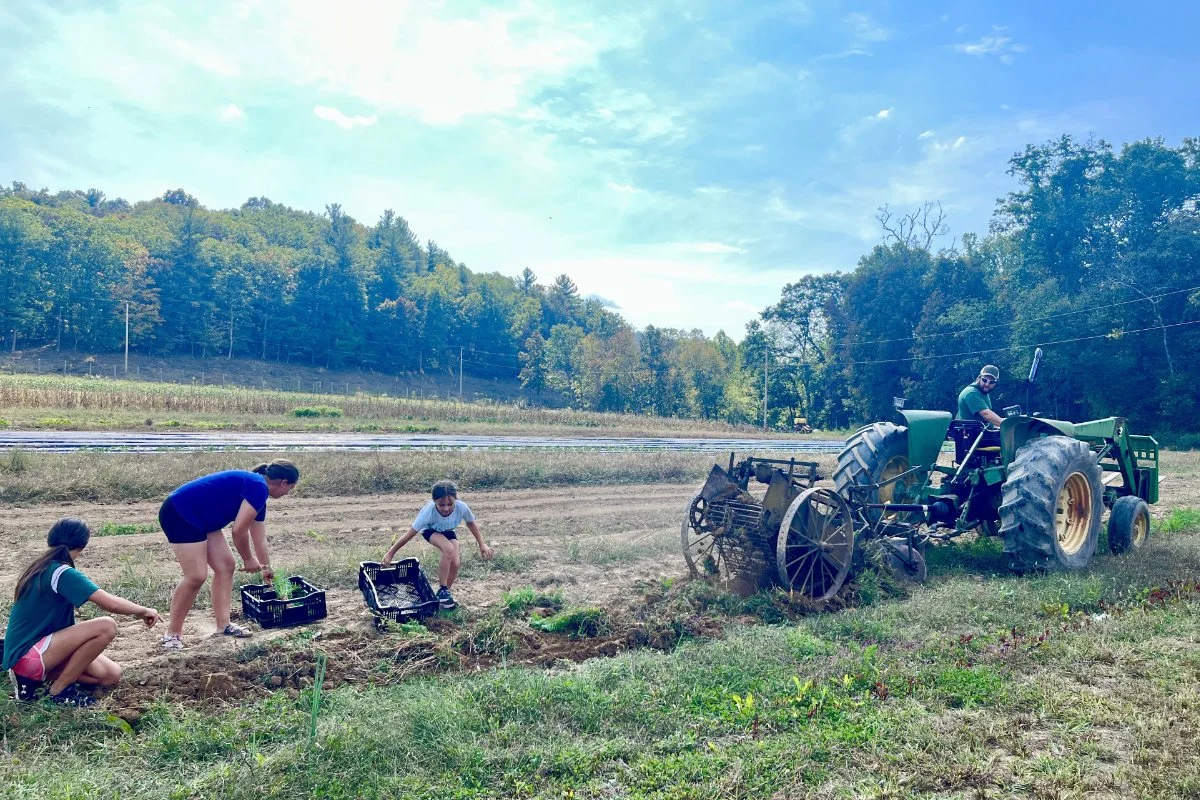
Adding to the complexity, the shutdown occurred not long after the USDA discontinued funding for a popular program that had enabled small farms to supply food banks with fresh produce. Tim Cooper, a farmer in Points, West Virginia, an hour west of Sandyville, highlighted the devastating impact of these cuts. "They cut all those programs, and we had a half-a-million dollar crop and nowhere to go with it, and then the government shut down," Cooper recounted, his thumbs hooked into his belt loops. "They told everybody to go to food banks, but they took the funding from them, so that was extremely difficult." This program, often part of initiatives like the Local Food Purchase Assistance (LFPA) cooperative agreements, aimed to strengthen regional food systems by connecting local agricultural producers with food assistance organizations. Its cancellation was justified by some officials as a termination of "pre-pandemic programs" no longer deemed necessary, an assertion fiercely challenged by farmers and anti-hunger advocates who argued that hunger predated and persisted beyond the pandemic.
Economic Pressures and Rural Vulnerability
Beyond federal policy, broader economic pressures exacerbate food insecurity in West Virginia. The state’s rural character, coupled with historical economic shifts away from coal and manufacturing, leaves many communities vulnerable. West Virginia consistently ranks among the states with the highest rates of poverty and chronic diseases such as diabetes, heart disease, and obesity, conditions often linked to poor nutrition and limited access to healthy foods. The Consumer Price Index for food has shown persistent increases, with food-at-home prices rising by over 10% in some recent years, making it increasingly difficult for families to stretch their grocery budgets.
The challenge of accessing healthy food is particularly acute in "food deserts" – areas, often rural, where residents have limited or no access to supermarkets offering fresh, affordable, and nutritious foods. In many West Virginia towns, the only accessible retail options are dollar stores like Dollar General or Family Dollar. While convenient, these stores typically stock highly processed, shelf-stable goods, with very little to no fresh produce, meats, or dairy. This creates a vicious cycle where convenience outweighs nutritional value, contributing to poor health outcomes.
Upcoming changes to SNAP rules for retailers threaten to further complicate this landscape. Proposed regulations could require stores accepting SNAP benefits to stock a wider variety and quantity of healthy foods, including fresh produce and lean proteins. While intended to improve access to nutritious options, critics argue that these rules could inadvertently force many dollar stores, which lack the infrastructure or business model to meet these requirements, to stop accepting SNAP altogether. This would remove the only readily available food source for many rural SNAP beneficiaries, exacerbating food insecurity rather than alleviating it.
Furthermore, changes to SNAP work requirements, which often necessitate a certain number of hours worked or participation in training programs, present significant barriers in rural areas. Aly Nazarok’s clients at Telamon Corporation frequently face challenges like lack of reliable transportation, limited childcare options, and a scarcity of suitable jobs, making it difficult to comply with these requirements and maintain their benefits. Even for those who successfully navigate these hurdles, a critical issue remains: the "benefits cliff." This refers to the phenomenon where a slight increase in income, often from securing a "decent job," can lead to a drastic reduction or complete loss of federal assistance (SNAP, housing, healthcare), leaving individuals worse off financially than when they were receiving full benefits. This disincentivizes work and makes the transition to self-sufficiency incredibly difficult.
Farmers on the Brink: The Cooper Farms Story
The struggles of farmers like Tim and Rebecca Cooper illustrate the multi-faceted pressures on the agricultural sector. Located an hour west in Points, West Virginia, Cooper Farms has faced its own crises alongside trying to feed neighbors in need. Input costs for farming have soared, with diesel fuel prices experiencing significant volatility due to global market fluctuations and fertilizer costs rising sharply due partly to geopolitical events and supply chain disruptions. These rising operational expenses squeeze already tight margins for small and medium-sized farms.
The cancellation of USDA’s local food programs, which had provided a crucial market for their produce, delivered a severe blow. Tim Cooper articulated the frustration: "When they cut all that funding for LFPA [Local Food Purchase Assistance], I heard that the programs weren’t necessary and they were pre-pandemic programs. But hunger didn’t start with COVID, and it surely didn’t fix it. We’re here to feed people, and that’s just where I stand on it. I don’t think it should be a political issue. I think it should be the most bipartisan subject across the board." His words underscore a deep-seated belief among many in the agricultural community that food production and access should transcend political divides.
Despite these setbacks, the Coopers, with the help of community partners, have demonstrated resilience. Nathan Bergdoll, a planning coordinator for the state Department of Agriculture, played a pivotal role in helping them find alternative outlets for their produce, highlighting the importance of local networks when federal support falters.
The Disconnect: D.C. Debates vs. Local Realities
Throughout their travels across West Virginia, Civil Eats reporters observed a profound disconnect between the policy debates in Washington, D.C., and the lived realities of residents. While federal discussions often centered on broad policy initiatives, including "Make America Healthy Again" (MAHA) priorities championed by some state officials—such as the elimination of artificial food dyes from processed foods or bans on sugary sodas in SNAP programs—these issues were often barely on the radar for many West Virginians.
Instead, more immediate and existential concerns dominated conversations: the lack of safe drinking water in southern parts of the state, the prohibitive cost of groceries, and the struggle to keep food pantries stocked. Farmers, veterans, retirees, social workers, and pastors expressed a uniform sentiment of feeling disconnected from the food policy conversations in the nation’s capital. They rarely wanted to discuss political parties or individual elected officials. Instead, they consistently highlighted three overarching themes impacting the state’s food system: the critical need for improved access to healthy food and clean water, the formidable challenges facing small farms, and a growing tendency for communities to turn inward, seeking local solutions to local problems.
The MAHA initiatives, while aiming to improve public health through dietary changes, often missed the mark in communities where basic access to any food, let alone healthy food, was a daily struggle. For instance, promoting healthier eating habits through soda bans in SNAP is commendable, but its effectiveness is severely limited when the only available stores offer no fresh produce.
Community Resilience and Local Solutions
In the face of dwindling federal support and persistent local challenges, West Virginia’s communities are increasingly demonstrating remarkable resilience, choosing to "stick to our own and we help each other and we build circles around us with markets," as Nathan Bergdoll articulated. This shift towards localized solutions reflects a pragmatic response to perceived governmental inaction.
One such initiative is the new Magnolia Market, which convenes every Friday, 20 miles north of Cooper Farms in Paw Paw. This market is the brainchild of Community Markets Inc. (CMI), a non-profit organization dedicated to connecting families in rural West Virginia with locally grown foods. CMI’s model is a testament to the power of grassroots efforts in building sustainable food systems. By creating direct links between local producers and consumers, these markets not only provide fresh, nutritious options but also bolster local economies and foster a stronger sense of community.
Mark Peiffer, the operations manager at Community Markets, encapsulated this ethos of self-reliance: "There’s a place for state and federal government, but I think it’s the communities that decide we’re going to take care of each other. We’re going to feed each other." This statement reflects a growing sentiment that while government has a role, the ultimate responsibility for community well-being often falls to the community itself. This local-first approach, born out of necessity, is creating innovative models for food access that are tailored to the unique needs and resources of rural West Virginia.
Looking Ahead: The Path Forward
The experiences of Marvin and Robin Miller, Aly Nazarok, Tim Cooper, and the initiatives of Nathan Bergdoll and Community Markets Inc. paint a vivid picture of the complex food landscape in rural West Virginia. It is a landscape defined by paradox: agricultural land lying fallow while neighbors go hungry, federal policies designed to help often creating unforeseen hurdles, and national debates feeling distant from daily struggles.
The implications of these trends are far-reaching. Continued food insecurity exacerbates chronic health conditions, strains local social services, and undermines the economic vitality of rural areas. The decline of small farms due to rising costs and vanishing markets weakens local food systems and reduces agricultural diversity. The increasing reliance on community-led solutions, while inspiring, also highlights a gap in comprehensive, integrated food policies that effectively bridge federal initiatives with local needs.
As West Virginians and other rural Americans continue to navigate these challenges, the call for a more responsive and coherent approach to food policy grows louder. It demands a dialogue that moves beyond partisan divides, acknowledging that feeding people and supporting local agriculture are fundamental to the health and prosperity of any community. The resilience demonstrated by these communities, turning inward to feed each other, offers both a sobering indictment of current policy shortcomings and a hopeful blueprint for future action—one rooted in collaboration, empathy, and the unwavering belief that everyone deserves access to nutritious food.