admin
The 2026 holiday season marks a significant turning point in the consumer tool market, characterized by a fusion of professional-grade durability and high-tech convenience. As the global home improvement market continues to expand—driven by a resurgence in DIY culture and the rising costs of professional labor—selecting the appropriate equipment for enthusiasts has become a task of precision. The annual "Tools of the Year" designations, curated by industry experts and veteran product testers, serve as the definitive benchmark for quality in a crowded marketplace. This year’s selections emphasize not only raw power but also ergonomic innovation, cross-platform battery compatibility, and the integration of digital features into traditionally analog implements.
The Evolution of the Modern Workshop: Storage and Mobility
The foundation of any productive workspace is organization, and the 2026 market reflects a shift toward modularity and mobile efficiency. Leading the category is the Husky Standard Duty 9-Drawer Mobile Workbench Cabinet. This unit exemplifies the modern "command center" approach to tool storage. Constructed from all-welded steel, it features nine soft-close drawers designed to handle heavy payloads without compromising the integrity of the slides. Its most notable feature, however, is the integrated power strip, which includes six standard outlets and two USB ports. This allows the workbench to function as a centralized charging hub for the myriad of lithium-ion batteries that power contemporary tool kits.
Complementing stationary storage are mobile solutions like the Keter Masterloader Rolling Tool Box. Market data suggests that "portability" is a top three priority for DIYers in 2026. The Masterloader addresses this through a cantilever mechanism that allows users to access the main compartment and six removable bins simultaneously. For those requiring a more specialized mobile experience, the Wen Garage Glider GG1350 offers a hybrid solution: a 350-pound capacity rolling seat combined with a three-drawer tool chest. This product highlights a growing trend in "ergonomic mechanics," where tools are designed to reduce physical strain during long-duration projects like automotive repair or floor-level assembly.
Precision Engineering and Rotary Innovation
In the realm of precision work, the Dremel 4300-5/40 Rotary Tool Kit remains the industry standard for 2026. Testing data indicates that the 1.8-amp motor provides a significant torque advantage over previous iterations, maintaining consistent RPMs even when cutting through hardened steel. The inclusion of the EZ Lock system reflects a broader industry movement toward tool-less accessory changes, a feature once reserved for high-end professional equipment that has now permeated the consumer level.
Simultaneously, the market has seen the rise of modular mini-tools, exemplified by the Hoto Snapbloq 3-in-1 Mini Power Tool Kit. This system utilizes a single interchangeable motor base to power a rotary tool, an electric screwdriver, and a detail sander. Industry analysts view this as a response to the "urban DIYer" demographic—individuals living in smaller spaces who require multifunctional tools with a minimal footprint. The shift to USB-C charging for these smaller devices aligns with the European Union’s common charger directives, which have influenced global manufacturing standards in the 2025-2026 cycle.
The Integration of Lithium-Ion Technology and "Platform Wars"
The competition between major tool ecosystems—primarily Milwaukee, DeWalt, and Ryobi—has intensified in 2026, with each brand attempting to lock consumers into their respective battery platforms. Milwaukee’s M12 line, specifically the 2447-20 Crown Stapler, demonstrates the power of 12-volt systems. By removing the need for air compressors and hoses, these cordless tools have revolutionized tasks such as upholstery and insulation.
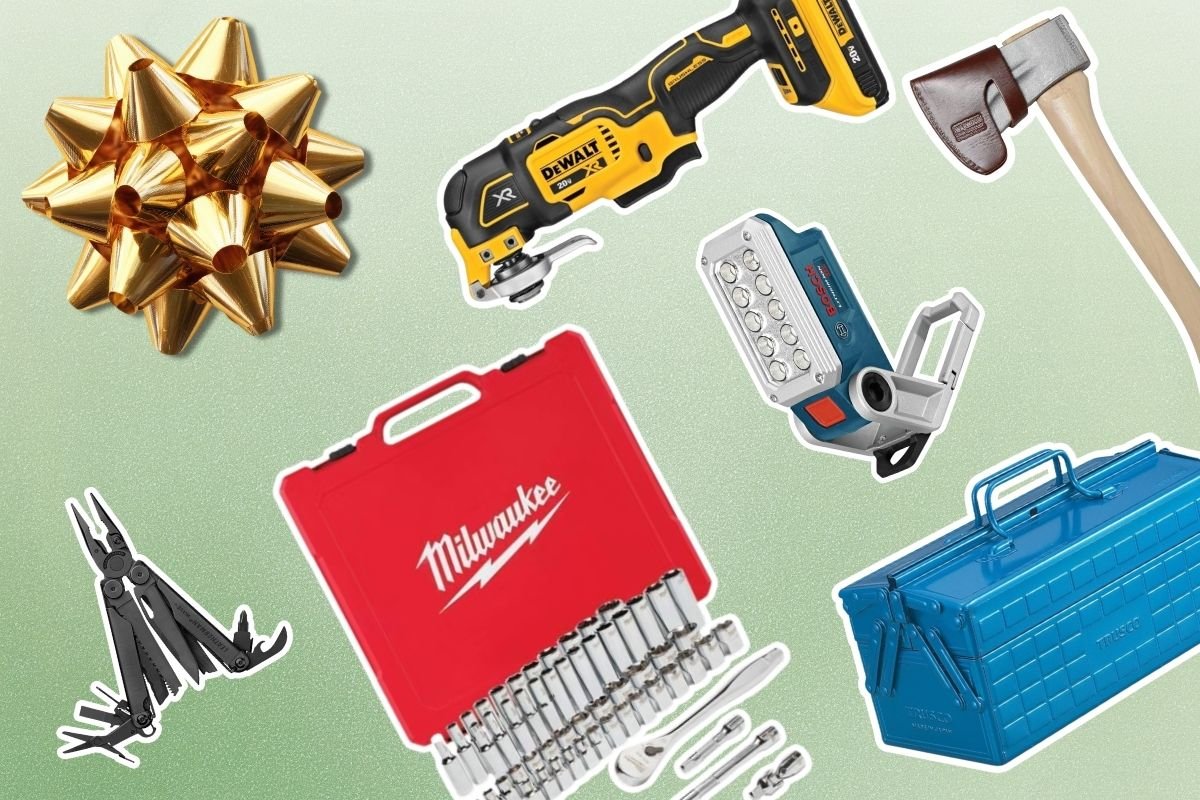
DeWalt continues to dominate the 20V MAX XR category, with its Cordless Oscillating Multi-Tool Kit receiving high marks for vibration reduction. Technical analysis shows that the brushless motors utilized in the 2026 DeWalt lineup offer up to 57% more runtime over brushed counterparts. This efficiency is critical for professionals and serious hobbyists who cannot afford downtime on a job site.
Ryobi, targeting the "prosumer" and safety-conscious market, has introduced the USB Lithium Magnetic Headlamp. Part of their expanding USB Lithium line, this headlamp offers 625 lumens of light and a detachable magnetic base. This trend toward "smaller, smarter" power solutions reflects a 12% increase in the sales of compact lithium tools over the last fiscal year, according to retail analytics.
Hand Tools: Durability Meets Everyday Carry (EDC)
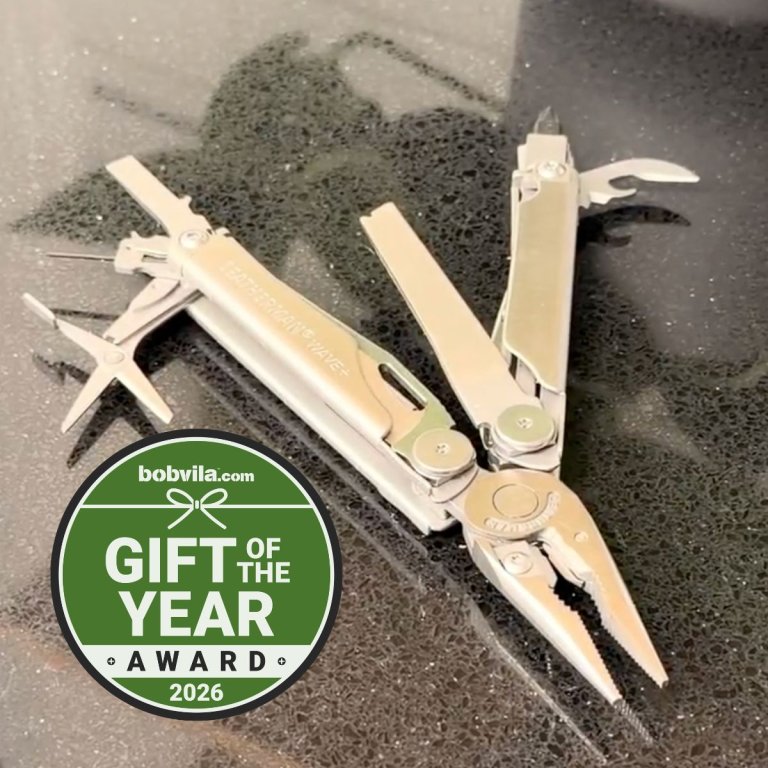
While power tools garner the headlines, the 2026 holiday guide emphasizes that high-quality hand tools remain the backbone of any kit. The Benchmade Reverse Tanto Blade Knife and the Leatherman Wave Plus Multi-Tool represent the pinnacle of Everyday Carry (EDC) utility. The Wave Plus, in particular, remains a best-seller due to its 18-tool configuration and replaceable wire cutters, a feature that extends the tool’s lifespan significantly.
In the specialized hand tool sector, the Warwood Tool Company Perfect Axe highlights a return to artisanal manufacturing. Hand-forged in the USA from high-carbon steel, it appeals to a growing consumer segment that prioritizes "heritage quality" and sustainability over mass-produced alternatives. Similarly, the Opinel No.08 Folding Pocket Knife continues to find favor for its simplicity and the superior edge retention of its carbon-steel blade.
Measurement and layout tools have also seen technological upgrades. The Bosch 50 Ft Self-Leveling Cross-Line Laser has become an essential gift for those involved in interior finishing. The smart pendulum system, which locks when the tool is switched off, ensures that the sensitive internal components are protected during transport—a common failure point in older laser levels.
Market Context and Consumer Behavior in 2026
The selection of these tools is not arbitrary; it is a reflection of a broader economic landscape. As of late 2025, the "Right to Repair" movement has gained significant legislative traction across North America and Europe. This has prompted consumers to invest in professional-grade tools like the Klein Tools Screwdriver Set and the Milwaukee 56-Piece Socket Set to maintain their own appliances and vehicles.
Furthermore, the "giftability" of tools has been reimagined through products like the Craftsman Advent Calendar. This marketing strategy, which hides a complete tool set behind 24 doors, has been highly successful in introducing younger demographics to the brand. It reflects a 15% growth in "lifestyle-integrated" tool marketing aimed at new homeowners.
Safety, Workwear, and Long-Term Utility
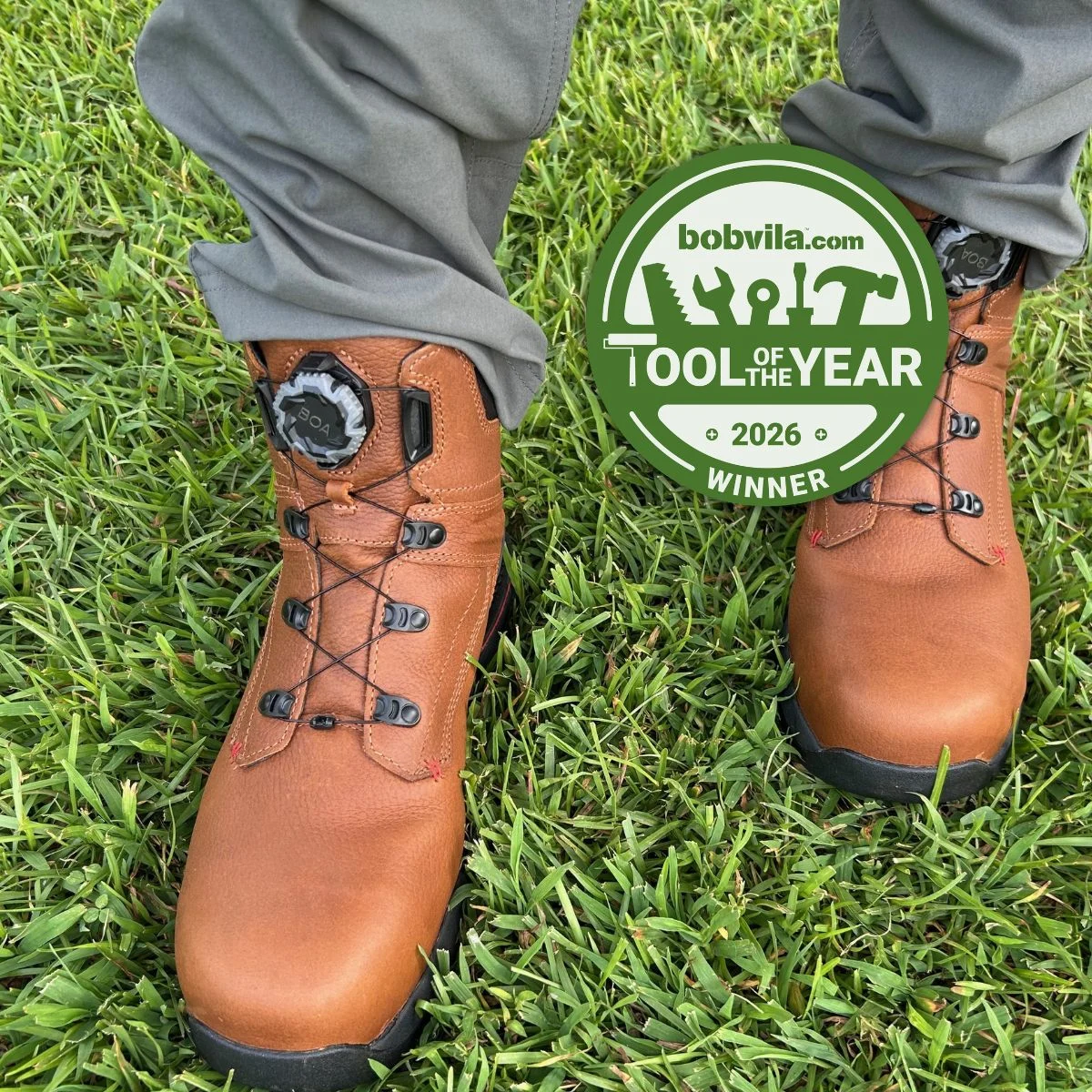
Safety gear has transitioned from a secondary consideration to a primary gift category. The Red Wing IronFlex Waterproof BOA Safety-Toe Boots represent the 2026 standard for workwear. The integration of the BOA lacing system—originally developed for snowboarding boots—allows for micro-adjustments that prevent foot fatigue, a major factor in workplace injuries.
Even maintenance products have seen innovation, such as the WD-40 Precision Pen. By delivering a single drop of lubricant without the mess of traditional aerosol sprays, it addresses the needs of electronics hobbyists and those working in clean environments. This focus on "controlled application" is a recurring theme across the 2026 Tool of the Year winners.
Chronology of the 2026 Selection Process
The "Tools of the Year" for 2026 were the result of a rigorous 12-month evaluation cycle:
- Q1 2025: Initial market scouting at major trade shows (CES, World of Concrete).
- Q2 2025: Prototype testing and "torture tests" in controlled laboratory settings.
- Q3 2025: Real-world field testing by contractors and DIY influencers.
- Q4 2025: Final data aggregation and performance-to-price ratio analysis.
Analysis of Implications for the Industry
The dominance of brands like Milwaukee, DeWalt, and Bosch in this year’s guide suggests that while new entrants (like Hoto) are gaining ground in the niche and aesthetic-focused markets, the heavy-duty sector remains under the control of established players with robust battery ecosystems. The increasing prevalence of USB-C charging across multiple brands suggests a future where proprietary chargers may eventually become obsolete for small-to-medium-sized tools.
For the consumer, the 2026 gift landscape offers a rare balance of high-end performance and accessibility. Whether it is a $15 precision pen or a $500 mobile workbench, the common thread is a commitment to longevity. In an era of disposable goods, the 2026 tool market stands as a testament to the value of durable, well-engineered equipment that empowers the individual to build, repair, and maintain the world around them.