admin
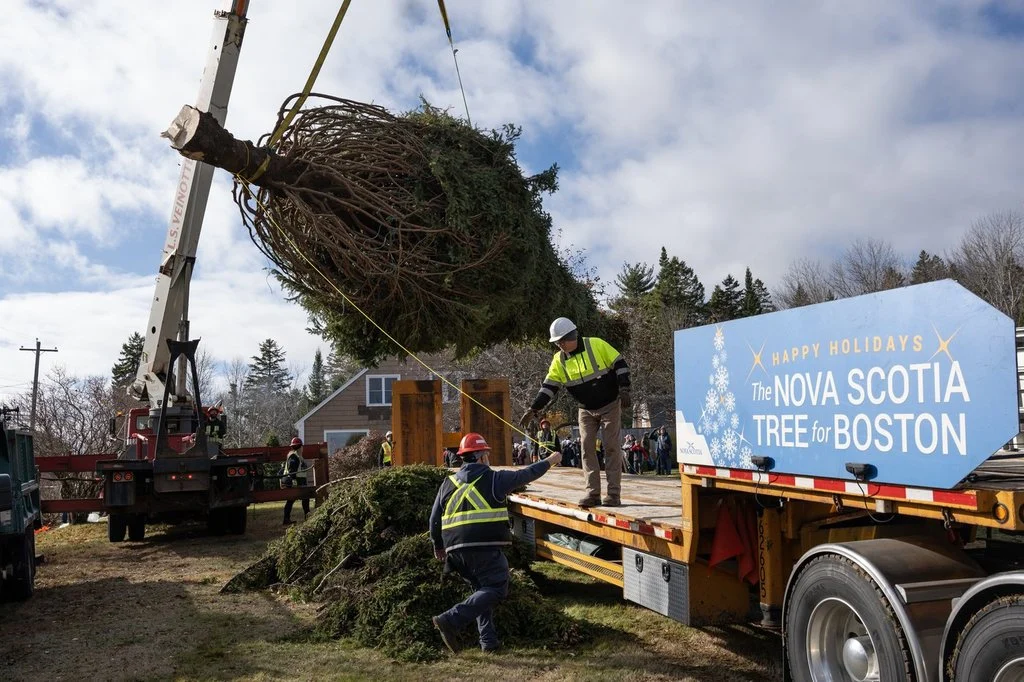
A majestic 14-metre white spruce, carefully selected from the serene landscape of East Amherst, Nova Scotia, is poised to embark on its annual journey to Boston, Massachusetts, serving as the official Christmas tree for the city. This cherished gift, a towering emblem of enduring gratitude, is an annual tribute from the people of Nova Scotia to Boston, acknowledging the crucial and immediate assistance provided by the U.S. city in the aftermath of the devastating Halifax Explosion of 1917. The cutting ceremony, a significant event drawing local dignitaries and community members, is scheduled for November 18th on the property of Henry and Pat Knol, who express immense pride in their tree being chosen for this profound historical connection. Following its careful transport, the spruce will stand prominently on the Boston Common, where its lighting on December 3rd will mark the official commencement of the holiday season in Boston, symbolizing a bond forged in tragedy and sustained by appreciation.
A Century of Gratitude: The Halifax Explosion and Boston’s Swift Response
The tradition of Nova Scotia sending a Christmas tree to Boston is rooted in one of Canada’s most catastrophic events: the Halifax Explosion. On December 6, 1917, during the height of World War I, the French cargo ship SS Mont-Blanc, laden with highly volatile explosives, collided with the Norwegian vessel SS Imo in the Halifax Harbour. The resulting explosion was the largest man-made explosion prior to the atomic bomb era, unleashing unimaginable devastation upon the city. Approximately 2,000 people were killed instantly or died shortly thereafter, and an estimated 9,000 more sustained injuries, many of them severe and life-altering, including widespread blindness caused by shattered glass. The force of the blast flattened the Richmond district of Halifax, leaving tens of thousands homeless and obliterating vast sections of the city’s infrastructure.
Amidst the chaos and despair, with communication lines severely hampered and winter descending rapidly, news of the disaster slowly reached neighbouring regions. Boston’s response was remarkably swift and selfless. Within 24 hours, the city had dispatched a relief train carrying medical personnel, doctors, nurses, and vital supplies, including food, water, blankets, and building materials. This immediate aid, braving treacherous weather conditions and difficult travel, was instrumental in saving countless lives and alleviating immense suffering. The Boston relief efforts continued for weeks and months, providing not only emergency assistance but also contributing significantly to the long-term recovery and rebuilding of Halifax. This profound act of humanitarianism created an indelible bond between the two cities, a debt of gratitude that Nova Scotians have never forgotten.
The Enduring Symbol: A Tradition Takes Root
While informal gifts of gratitude were exchanged between Nova Scotia and Boston in the years following the explosion, the official tradition of sending a Christmas tree began in 1971. Initially, the gift was a gesture of thanks from Nova Scotia to Boston for its ongoing support and friendship. Over the decades, it has evolved into a deeply symbolic annual event, meticulously planned and executed. The selection of the tree is a process that begins well in advance, often involving the scouting of potential candidates across the province by foresters from the Nova Scotia Department of Lands and Forestry. Criteria for selection are rigorous: the tree must be a white or red spruce, ideally between 12 and 16 metres (40 to 50 feet) tall, with a full, symmetrical shape, dense foliage, and excellent health. Accessibility for cutting and transport is also a key consideration, as is the willingness of the landowner to donate their cherished tree for this special purpose.
The tradition serves multiple purposes beyond simple gratitude. It acts as a powerful educational tool, ensuring that new generations in both Nova Scotia and Boston remember the historical event and the spirit of cross-border cooperation it inspired. For Nova Scotians, it is a source of provincial pride, showcasing their natural resources and their commitment to remembering their history. For Bostonians, the arrival of the tree is a beloved annual spectacle, a tangible reminder of a distant tragedy and a powerful symbol of enduring friendship, community, and the spirit of giving that defines the holiday season. The tree is not merely a decorative item; it is a living monument, steeped in history and goodwill.

The 2026 Selection: A Family’s Honour in East Amherst
This year’s chosen tree, a magnificent 14-metre white spruce, hails from the property of Henry and Pat Knol in East Amherst, Nova Scotia. For the Knol family, the selection of their tree is not just an honour but a deeply personal connection to the tradition. In a joint statement, the Knols shared, "Some years ago our cousin transported the tree to Boston while working for the Department of Transportation. Although he is no longer with us, it is very special to know that our family has this connection to such a special tradition." This sentiment underscores the profound personal resonance the tradition holds for many Nova Scotian families, intertwining individual histories with the broader narrative of provincial gratitude. The selection process itself often involves a call for submissions from landowners, followed by rigorous evaluation to ensure the chosen tree meets all aesthetic and logistical requirements. The public invitation to the cutting ceremony on November 18th provides an opportunity for the community to partake in this significant provincial moment, fostering a sense of shared heritage and pride. The event typically features remarks from provincial officials, local dignitaries, and members of the Knol family, alongside musical performances and community gatherings, making it a true celebration of Nova Scotian spirit and history.
Journey to Boston: Logistics of a Gigantic Gift
The transportation of a 14-metre tree across international borders is a significant logistical undertaking, requiring meticulous planning and coordination. Once cut, the massive spruce must be carefully prepared for its journey. This involves specialized equipment to safely lower the tree, often a crane, and then secure it onto a custom-built flatbed trailer designed to accommodate its immense length and width. The tree is often wrapped and protected to prevent damage during transit. The route from East Amherst, Nova Scotia, to Boston, Massachusetts, covers hundreds of kilometres, traversing highways and requiring careful navigation through various towns and cities. The journey is typically escorted by pilot vehicles to ensure safety and manage traffic, as the oversized load necessitates special permits and adherence to specific transportation regulations in both Canada and the United States.
The arrival of the tree in Boston is often met with public excitement, as it signals the imminent start of the holiday festivities. The journey itself can take several days, depending on weather conditions, border crossing procedures, and mandated rest stops for drivers. The Nova Scotia Department of Lands and Forestry, in conjunction with transportation experts, oversees every detail of this complex operation, ensuring the tree arrives in pristine condition. The cost associated with the selection, cutting, transport, and setup of the tree is absorbed by the Province of Nova Scotia, viewing it as a small investment in a century-old diplomatic and cultural relationship. This commitment highlights the depth of Nova Scotia’s appreciation and its dedication to sustaining this unique act of remembrance.
The Ceremonial Lighting: A Beacon of Friendship on Boston Common
The grand finale of the tree’s journey is its ceremonial lighting on the historic Boston Common, scheduled for December 3rd. This event is one of Boston’s most anticipated holiday traditions, drawing tens of thousands of spectators and broadcast live across New England. The tree becomes the centerpiece of the Common, adorned with thousands of LED lights, transforming it into a dazzling spectacle. The lighting ceremony is typically a star-studded affair, featuring musical performances by renowned artists, appearances by local and provincial dignitaries from both Nova Scotia and Massachusetts, and often a special address from the Mayor of Boston. The event celebrates not only the beginning of the holiday season but also the enduring friendship between the two regions.
For attendees, the lighting ceremony offers a festive atmosphere, replete with carols, hot beverages, and a palpable sense of community spirit. For Nova Scotians, it represents the culmination of their annual gift, a visible symbol of their gratitude shining brightly in a foreign city. The event is a powerful reminder of the historical ties, underscoring how an act of kindness in a time of profound crisis can foster a bond that transcends generations and national borders. The image of the illuminated spruce standing tall against the Boston skyline is more than just a Christmas decoration; it is a beacon of remembrance, peace, and cross-cultural solidarity.

Beyond the Boughs: Cultural and Diplomatic Resonance
The annual gift of the Christmas tree from Nova Scotia to Boston extends far beyond its physical presence, carrying significant cultural, historical, and diplomatic weight. Culturally, it reinforces a shared narrative of resilience and mutual support. It provides a tangible link to history for younger generations who may not be familiar with the specifics of the Halifax Explosion, sparking curiosity and encouraging a deeper understanding of the past. The tradition has become a beloved part of the holiday fabric in both regions, fostering a sense of continuity and shared identity.
From a diplomatic perspective, this annual gesture serves as a powerful symbol of international friendship and goodwill between Canada and the United States, specifically between Nova Scotia and Massachusetts. In an increasingly complex global landscape, such traditions underscore the importance of historical alliances and the strength derived from neighbourly support. It subtly reminds both governments and their citizens of the profound impact of humanitarian aid and the lasting legacy of compassion. While not a formal treaty, the tree represents an unwritten pact of gratitude and remembrance, continuously renewed with each passing year.
Moreover, the event generates significant media attention, providing Nova Scotia with invaluable exposure on an international stage. This publicity not only highlights the province’s natural beauty and the generosity of its people but can also subtly boost tourism and economic interest. The story of the tree is a compelling human interest narrative that resonates widely, projecting a positive image of Nova Scotia as a place of rich history, strong community values, and deep-seated appreciation.
Looking Ahead: Sustaining a Legacy
As the tradition approaches its half-century mark as an official gift, and its centennial as an informal gesture of thanks, its importance shows no signs of waning. Each year, the selection of a new tree, the anticipation of its journey, and the spectacle of its lighting serve to refresh and reinforce the legacy of the Halifax Explosion and Boston’s heroic response. It is a testament to the power of memory and the enduring impact of human kindness. The commitment from the Nova Scotia government, the enthusiasm of the chosen landowners like the Knols, and the ongoing appreciation from the City of Boston ensure that this unique tradition will continue for generations to come. It stands as a vibrant, living reminder that even from the depths of tragedy, profound and lasting bonds of friendship can emerge, illuminated each December by the radiant glow of a Nova Scotian spruce on the Boston Common.