admin
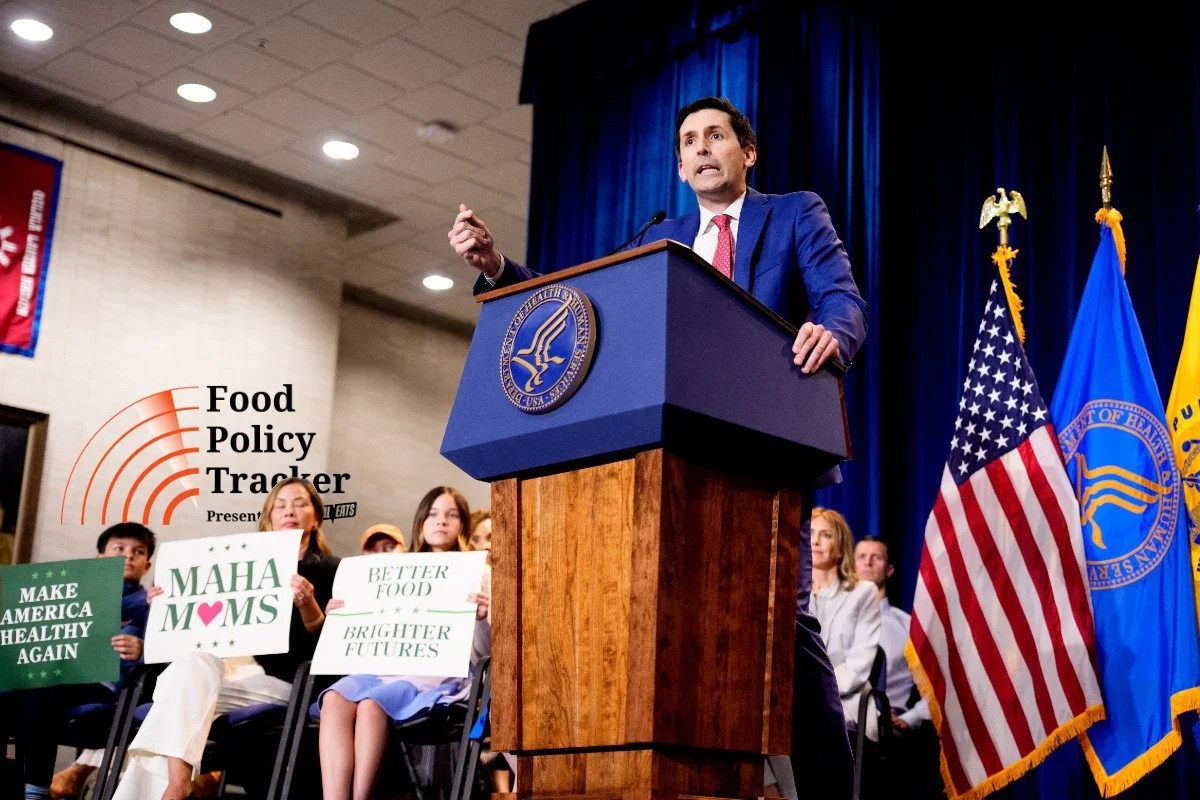
Calley Means, a pivotal figure in the Trump administration’s public health and nutrition initiatives and a close ally to Health Secretary Robert F. Kennedy Jr., publicly announced his resignation today, just days ahead of critical midterm elections. Means, widely recognized as a driving force behind the "Make America Healthy Again" (MAHA) movement’s policy integration within the White House, departed his role as a top food and health adviser, leaving a significant void in the administration’s health policy apparatus and sending ripples through the MAHA community.
The Rise of MAHA and Means’ Central Role
The "Make America Healthy Again" (MAHA) movement emerged as a potent force in the political landscape, championing a holistic approach to public health rooted in dietary reform, environmental awareness, and a critical re-evaluation of industrial food systems. Its core tenets advocate for reduced consumption of ultra-processed foods, the elimination of artificial additives, and a return to more natural, nutrient-dense diets, often linking these issues to chronic disease rates and national well-being. The movement gained considerable traction through high-profile endorsements, particularly from Robert F. Kennedy Jr., who became a vocal proponent and, subsequently, Health Secretary in the Trump administration.
Calley Means, a strategist and public health advocate with a background in entrepreneurship and policy, played an instrumental role in bridging the MAHA movement with mainstream politics. He is widely credited with facilitating the initial connection between Kennedy and the Trump campaign, effectively bringing a burgeoning public health platform into the heart of the administration. Following Trump’s victory, Means assumed influential positions, serving as a senior adviser in both the White House and the Department of Health and Human Services (HHS). In these roles, he was tasked with translating MAHA’s ambitious vision into tangible policy, navigating the complex bureaucracy of federal agencies to advance an agenda focused on diet, nutrition, and wellness. His strategic acumen and persuasive advocacy quickly established him as an indispensable figure, coordinating efforts across departments and often serving as the public face for the administration’s nutrition reforms.
Policy Initiatives and Public Scrutiny
Under Means’ guidance and the broader MAHA influence, the Trump administration initiated several high-profile policy shifts aimed at reshaping the American food landscape. One of the most significant endeavors was the comprehensive update to the Dietary Guidelines for Americans. While traditionally emphasizing a balanced intake across food groups, the new guidelines, heavily influenced by MAHA’s principles, placed a markedly stronger emphasis on whole, unprocessed foods, with a particular focus on animal protein and dairy, and a cautionary stance against refined carbohydrates and artificial ingredients. This revision sparked considerable debate among nutrition scientists and public health organizations, with some praising the focus on whole foods and others criticizing what they perceived as an oversimplification of complex dietary science and potential biases. For instance, critics pointed to a potential lack of nuance regarding plant-based diets, while proponents lauded the direct address of highly processed foods.

Another key initiative championed by Means was the Food and Drug Administration’s (FDA) plan to phase out artificial food dyes by the end of 2026. This move was a direct response to long-standing concerns within the MAHA movement and broader public health circles about the potential neurodevelopmental and behavioral impacts of these synthetic additives, particularly in children. The FDA’s proposal, a significant regulatory undertaking, aimed to align U.S. food safety standards more closely with those in European nations, which have stricter regulations or outright bans on many artificial dyes. While celebrated by consumer advocacy groups, the proposed ban faced resistance from segments of the food industry, which argued for the safety of approved additives and the economic burden of reformulation.
Perhaps the most controversial of the MAHA-inspired policies involved restrictions on food purchases under the Supplemental Nutrition Assistance Program (SNAP). Means was a vocal supporter of policies that sought to limit the use of SNAP benefits for items deemed "unhealthy," such as sodas and certain highly processed snacks. The rationale, as articulated by the administration, was to steer beneficiaries towards more nutritious choices, thereby improving public health outcomes among vulnerable populations. However, these restrictions faced immediate and fierce backlash from food access organizers and poverty advocates, who argued that such policies were paternalistic, stigmatizing, and exacerbated food insecurity rather than alleviating it. A federal judge notably blocked some of these restrictions, citing concerns about access and equity, further highlighting the contentious nature of these reforms. Data released by the USDA showed a 7% drop in SNAP participation in states implementing stricter food restrictions, though the administration attributed this to economic recovery, critics argued it reflected barriers to access for eligible households.
Mounting Discontent and the MAHA Scorecard
Despite Means’ unwavering defense and the administration’s stated commitment, growing fissures appeared within the MAHA movement itself. As the midterm elections approached, a vocal faction of MAHA supporters began to express profound disappointment, accusing the White House of failing to fully deliver on its ambitious promises. These criticisms escalated dramatically with the release of the "MAHA Scorecard" earlier this month. The scorecard, an independent assessment compiled by prominent MAHA community leaders, meticulously documented the administration’s progress against its stated goals across food, agriculture, and environmental health. Its findings were stark: the Trump administration had reportedly broken more than 85 percent of its commitments to the movement.
This public indictment underscored a perception among many MAHA loyalists that corporate interests and political expediency were undermining the movement’s core objectives. Promises related to comprehensive agricultural reform, stricter environmental protections, and the aggressive tackling of "dark forces in D.C. that profit from Americans getting sick" (as Means himself had articulated) were seen as largely unfulfilled. The scorecard became a rallying point for disgruntled members, fueling a narrative that the administration, despite its rhetoric, was not prioritizing public health over industry influence. This internal discord within MAHA signaled a potential weakening of its allegiance to the Trump administration, especially as the midterms loomed and the movement considered its broader political impact.
The Immediate Catalyst: A Meeting Delayed
While the MAHA scorecard laid bare the underlying frustrations, a more immediate and specific event appears to have served as the final catalyst for Means’ resignation. POLITICO reported that a crucial meeting scheduled for this week, aimed at developing a federal definition of ultra-processed foods, was abruptly delayed. This meeting was of paramount importance to the MAHA movement, as establishing such a definition was seen as a foundational step towards broader regulatory actions, consumer education, and potentially even taxation or labeling requirements for these products.

For Means, who had consistently advocated for a more aggressive stance against ultra-processed foods, the delay of this pivotal meeting likely represented a significant setback and a frustrating symbol of the administrative inertia or external pressures he had long battled. The inability to move forward on such a central MAHA tenet, especially after months of internal advocacy and public expectation, could have been the final straw, signaling a fundamental misalignment between his policy aspirations and the administration’s operational priorities. This postponement, coming amidst the growing pre-midterm scrutiny, may have solidified his decision that his effectiveness within the administration had reached its limit.
Reactions from Allies and Opponents
Means’ resignation elicited immediate and varied reactions from across the political and public health spectrum. In his social media post announcing his departure, Means maintained a tone of respect for both President Trump and Secretary Kennedy. He reiterated his belief in their "vision of combatting the entrenched, dark forces in D.C. that profit from Americans getting sick," and asserted that "More policy and cultural change has happened around these goals in the past 2 years than any time in history—and I know this movement is just getting started." This statement, while appreciative, implicitly acknowledged the ongoing battle against powerful interests, a theme echoed by his allies.
Alex Clark, a prominent and often outspoken voice within the MAHA movement, characterized Means’ exit as a "major blow" to the cause. In a strongly worded social media post, Clark explicitly attributed Means’ decision to "corporate interference in the White House that may have prevented more action on MAHA priorities." She lamented, "We have very few left with integrity in the White House," suggesting a systemic issue hindering the movement’s agenda. This sentiment resonated with many MAHA supporters who viewed Means as an authentic champion of their cause against powerful industry lobbies.
Agriculture Secretary Brooke Rollins, during a press call shortly after the news broke, acknowledged Means’ departure. While stating that the two "did not agree on everything," Rollins nonetheless recognized Means as a "strong partner" on issues such as the Dietary Guidelines and school meals. Her nuanced statement highlighted the collaborative, yet sometimes contentious, nature of inter-agency policy-making, subtly hinting at the ideological differences that often characterize such endeavors.
Outside the immediate MAHA circle, reactions were also significant. Public health advocates, while sometimes critical of specific MAHA policies, expressed concern over the loss of a dedicated nutrition advocate. "Regardless of where one stands on every MAHA policy, Mr. Means brought a critical focus to diet and health that has been absent in previous administrations," noted Dr. Elena Ramirez, director of the National Health & Nutrition Coalition. "His departure leaves a void that will be hard to fill, especially in terms of championing preventive health through food policy." Conversely, some food industry representatives, who had often found themselves at odds with MAHA’s more restrictive proposals, might privately view Means’ departure as an opportunity for a less confrontational approach to food regulation. Political analysts, meanwhile, are closely watching how this high-profile resignation might impact the upcoming midterm elections, particularly in states where MAHA’s influence is significant.
Implications for the Administration and Public Health

Calley Means’ resignation marks a critical juncture for the Trump administration’s public health agenda and the future trajectory of the MAHA movement. His departure removes a key strategic and ideological anchor from within the White House, potentially diminishing the momentum for further MAHA-aligned policy initiatives. Without his direct influence and coordination across departments like HHS and USDA, the administration’s ability to advance complex, multi-agency reforms related to food and nutrition may be significantly hampered. The delay of the ultra-processed food definition meeting, compounded by Means’ exit, signals a potential slowdown, if not a complete halt, to some of the movement’s more ambitious regulatory goals.
For the MAHA movement, Means’ exit is a substantial blow to its political leverage. He was not merely an advocate but an architect, translating broad principles into actionable policy. His absence could exacerbate the internal divisions already highlighted by the MAHA Scorecard, potentially leading to further disillusionment among its base. The movement may find itself struggling to maintain a cohesive front, especially if the perception of corporate influence within the administration continues to grow. This could lead to a redirection of MAHA’s efforts, possibly towards more grassroots activism or independent political endeavors, rather than continued direct engagement with the current administration.
The broader implications for public health policy are also significant. While MAHA’s approach has been contentious, it undeniably pushed nutrition and preventive health higher on the national agenda. The debate surrounding dietary guidelines, artificial additives, and SNAP restrictions, while often polarizing, forced a national conversation about the societal impact of food systems. With Means’ departure, there is a risk that this focus could wane, particularly if his replacement does not share the same fervent commitment or possess the same level of influence. Future policy decisions could revert to a more conventional, less confrontational stance towards the food industry, potentially diluting the impact of MAHA’s previous gains. The fate of initiatives like the artificial food dye phase-out, already facing industry resistance, could become uncertain.
Looking Ahead: Midterm Elections and Beyond
The timing of Calley Means’ resignation, less than two weeks before the midterm elections, adds another layer of complexity. The MAHA movement’s allegiance to the Trump administration was already under scrutiny, and this high-profile departure could further test that bond. For candidates aligned with the MAHA movement, Means’ resignation could be a double-edged sword: it might galvanize disillusioned voters who feel the administration has not delivered, but it could also create uncertainty about the movement’s future direction. Political analysts suggest that MAHA’s response to this event, and how its leadership frames the narrative, will be crucial in determining its impact on voter turnout and electoral outcomes in key races.
Beyond the midterms, the long-term impact of Means’ resignation on the MAHA movement and the broader landscape of food and health policy remains to be seen. Will the movement find new champions within or outside the administration? Will its focus shift, or will it redouble its efforts to hold political leaders accountable for their health promises? The departure of a figure as influential as Calley Means signals a significant shift in the dynamics of the Trump administration’s approach to health and nutrition. It underscores the inherent challenges of enacting radical policy changes within established political systems, especially when confronting deeply entrenched economic interests. The "Make America Healthy Again" movement, now without one of its most potent voices in the halls of power, faces an uncertain path forward, as the nation awaits to see how its vision for a healthier America will evolve in the post-Means era.