admin
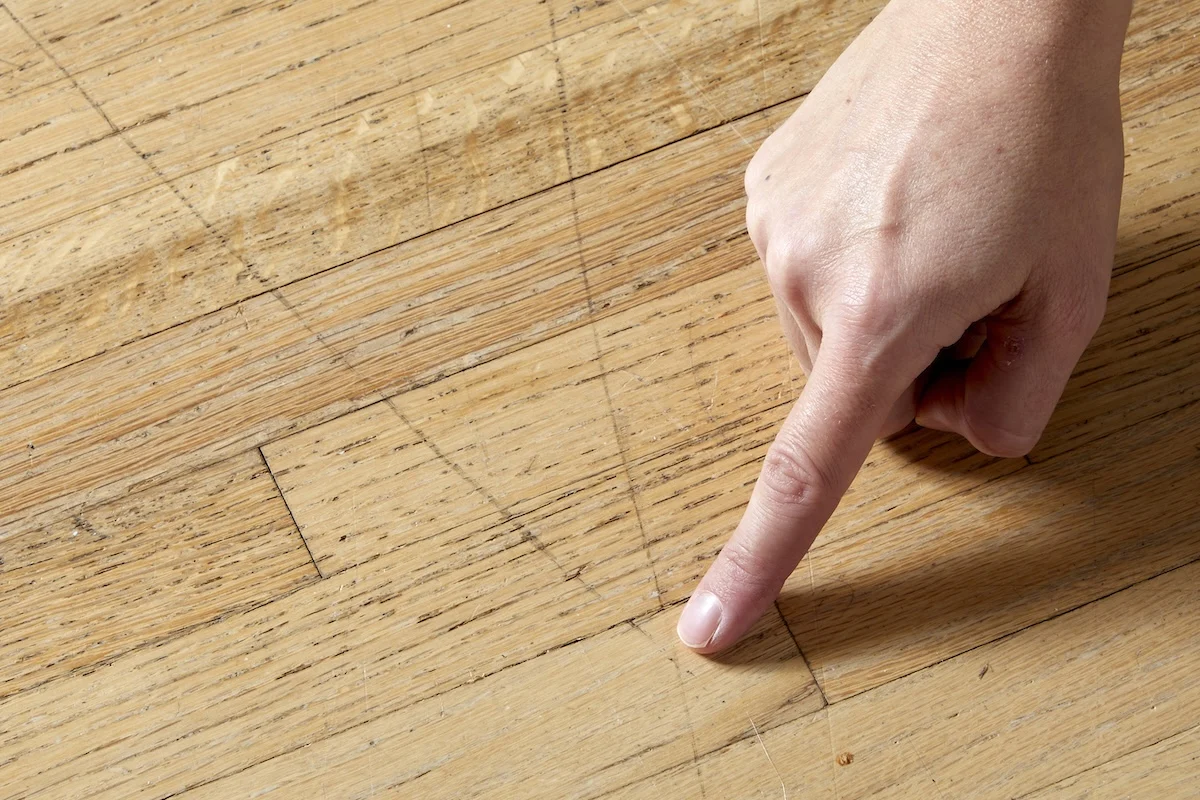
Hardwood flooring remains a cornerstone of residential architecture, prized for its longevity, aesthetic appeal, and significant contribution to property value. However, despite its reputation for durability, the material is susceptible to a wide range of physical abrasions. From the daily friction of pet claws and household debris to the significant impact of moving heavy furniture, the integrity of a wood floor’s finish is under constant threat. Industry experts and home maintenance professionals emphasize that while wood floors are designed to last for decades—often up to a century with proper care—the management of surface damage is a critical component of long-term asset preservation. Understanding the mechanics of wood floor degradation and the tiered approach to restoration is essential for any homeowner seeking to maintain both the beauty and the structural soundness of their interior environment.
The Economic and Aesthetic Stakes of Hardwood Maintenance
In the modern real estate market, hardwood flooring is more than a design choice; it is a financial investment. According to data from the National Wood Flooring Association (NWFA), homeowners can see a return on investment (ROI) of 70 to 80 percent when installing or refinishing wood floors. Furthermore, real estate professionals frequently note that homes with well-maintained hardwood sell faster and often at a 5 to 10 percent premium compared to those with carpet or laminate.
The vulnerability of these surfaces, however, is inherent to the organic nature of the material. Hardness varies significantly across species—measured by the Janka Scale—with domestic oaks and maples offering moderate resistance, while exotic species like Brazilian Cherry provide higher density. Regardless of the species, the protective polyurethane or oil finish is the primary defense against the environment. When this barrier is breached by scratches or gouges, the underlying wood becomes exposed to moisture and oxidation, which can lead to permanent discoloration and structural rot.
Common Catalysts for Floor Degradation
The degradation of a hardwood surface is rarely the result of a single event but rather a cumulative process of environmental and mechanical stressors. Industry analysis identifies four primary culprits:
- Particulate Friction: Dirt, sand, and grit brought in from the outdoors act as high-grit sandpaper under the pressure of foot traffic. Over time, these micro-abrasives dull the finish and create "traffic lanes" where the wood appears matte and worn.
- Pet Interactions: Unclipped claws from domestic animals exert concentrated pressure on small surface areas. This often results in "chatter marks" or deep indentations that penetrate the finish and compress the wood fibers.
- Furniture Displacement: The lack of protective padding on chair legs and heavy tables leads to significant gouging. Sliding a heavy piece of furniture across a floor can create a "plowing" effect, removing both the finish and a layer of the wood itself.
- Footwear Selection: High-heeled shoes and hard-soled boots exert thousands of pounds of pressure per square inch. This can cause "pockmarking," particularly in softer wood species like pine or walnut.
A Chronological Approach to Floor Health
Maintaining a hardwood floor follows a predictable lifecycle that begins with preventative measures and ends with total replacement.
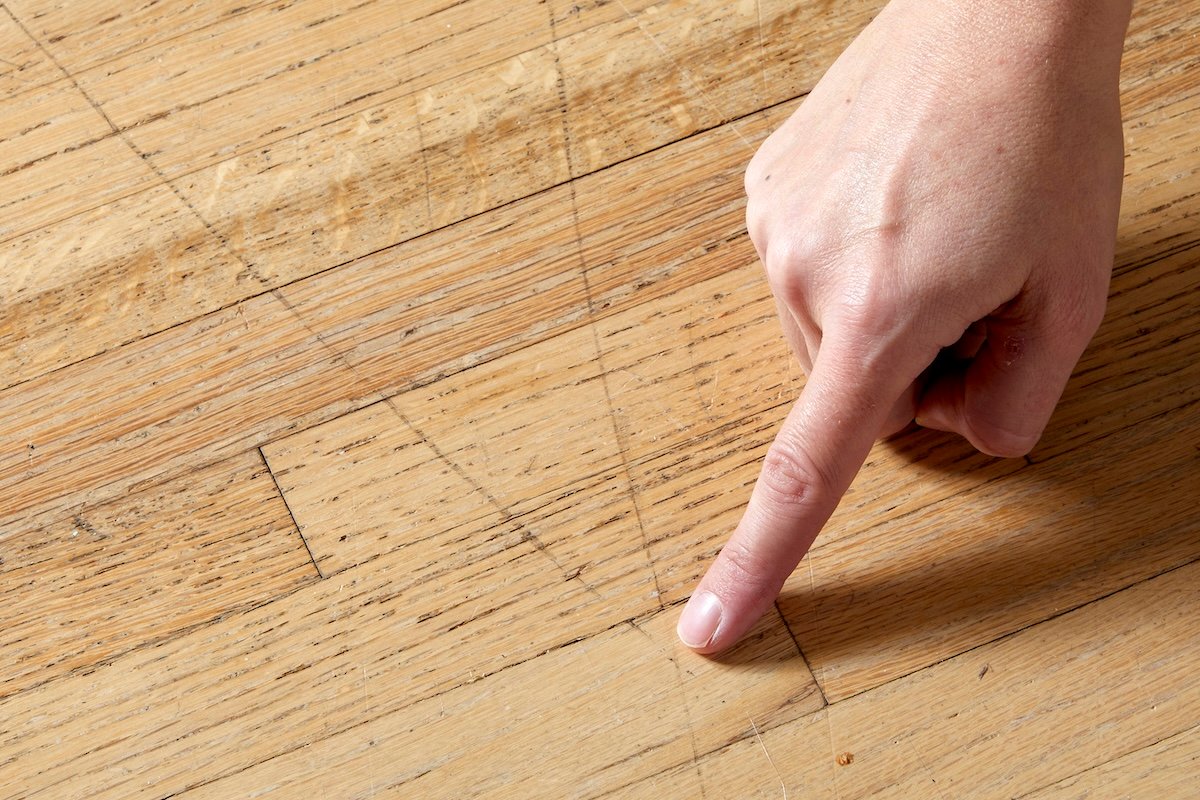
- Year 1–5 (Prevention and Minor Maintenance): Focus is on cleaning protocols and the immediate repair of superficial scratches.
- Year 5–15 (Screening and Recoating): As the top layer of finish wears thin, a professional "screen and recoat" is often recommended. This involves lightly abrading the existing finish and applying a fresh topcoat without sanding down to the raw wood.
- Year 20–30 (Full Refinishing): After two or three decades of wear, deep scratches and UV-induced fading usually necessitate a full sand-and-refinish. Most solid hardwood floors can undergo this process four to seven times in their lifespan.
- Year 80–100+ (Replacement): Only when the "wear layer" (the wood above the tongue and groove) has been sanded away or the floor has suffered catastrophic water damage is a full replacement required.
The Science of Prevention: Mitigation Strategies
The most cost-effective method of floor repair is the prevention of damage before it occurs. Professional flooring consultants suggest a multi-layered defense strategy. Exterior and interior doormats are the first line of defense, capable of capturing up to 80 percent of the grit that would otherwise enter the home. Implementing a "no-shoes" policy is another high-impact, zero-cost strategy that significantly reduces the introduction of external abrasives.
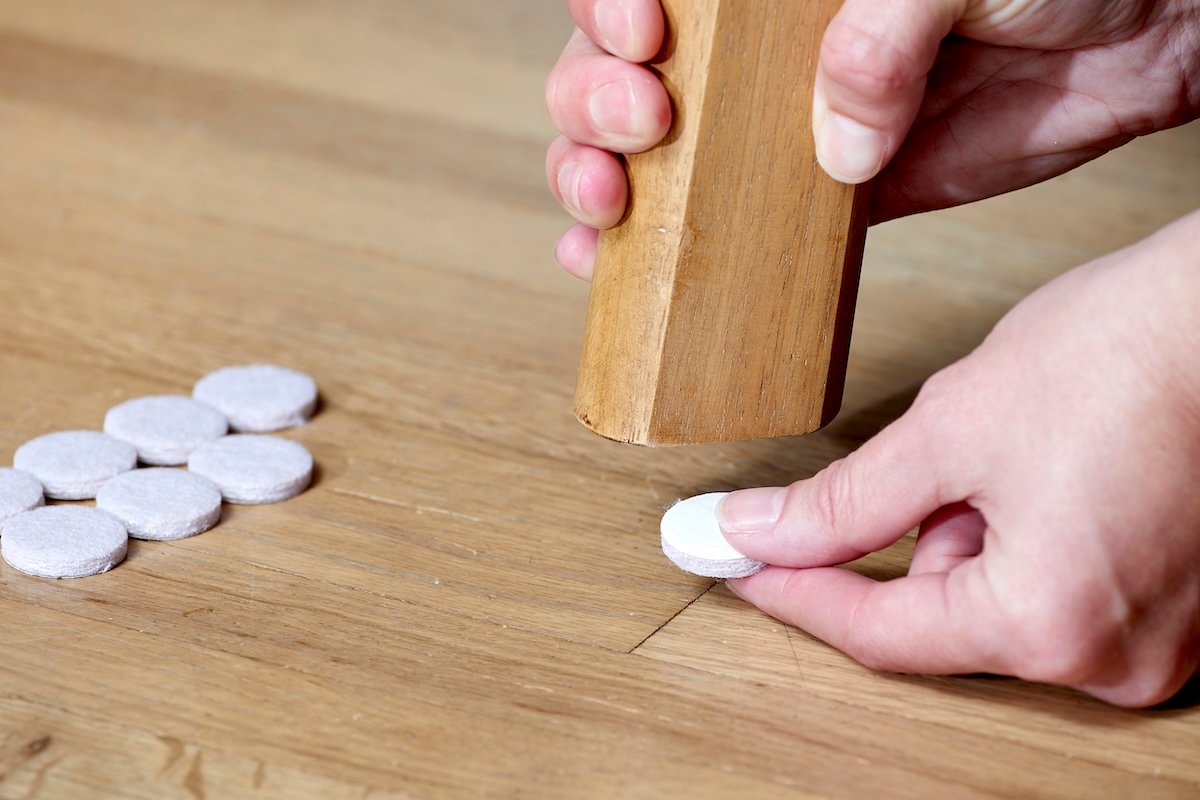
For furniture, the use of heavy-duty felt pads is non-negotiable. These pads should be checked every six months, as they can collect grit and become abrasive themselves. Furthermore, rug underlays should be made of non-reactive materials; low-quality rubber or plastic backings can cause chemical reactions with the floor’s finish, leading to permanent clouding or "ghosting."
Cleaning Protocols: The First Line of Defense
Proper cleaning is often misunderstood as a purely aesthetic task, but it is fundamentally a maintenance procedure. Using the wrong tools can accelerate wear. Stiff-bristled brooms and vacuums equipped with beater bars—designed for carpets—can leave micro-scratches on wood. Experts recommend cordless vacuums with soft roller heads or microfiber dust mops.
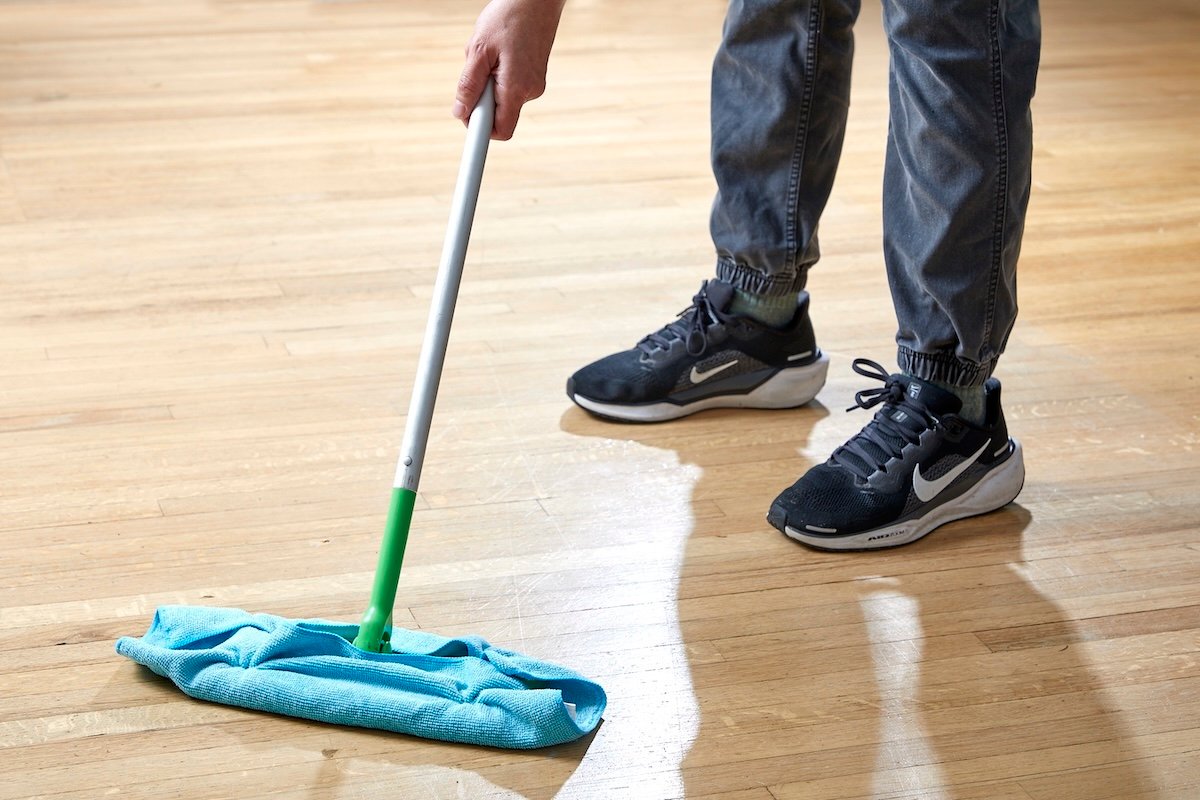
Chemical selection is equally vital. Traditional oil soaps or vinegar-and-water solutions are often discouraged by modern manufacturers. Vinegar is acidic and can break down the polyurethane finish over time, while oil soaps can leave a residue that prevents future finish coats from adhering. Ph-neutral cleaners, specifically formulated for hardwood, ensure the finish remains clear and intact.
Tiered Repair Methodologies for Hardwood Restoration
When damage does occur, the repair method must match the severity of the scratch. Repairs are generally categorized into three levels: superficial, minor, and deep.
Level 1: Superficial Scratches
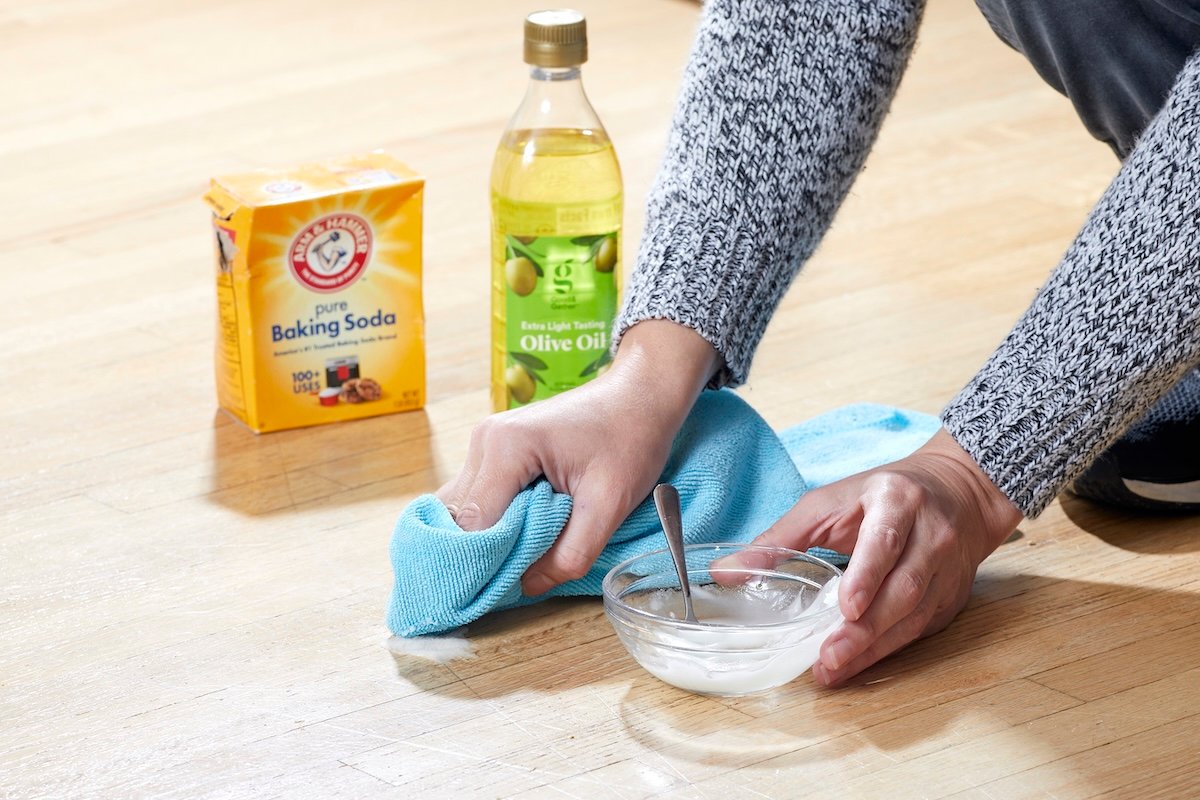
Superficial scratches only affect the very top layer of the finish and do not reach the wood. These often appear as white lines. A common home remedy involves a mixture of baking soda and olive oil. The baking soda acts as a mild abrasive to buff the edges of the scratch, while the olive oil hydrates the finish to mask the visual imperfection. After a few minutes of application, the area must be wiped clean to prevent the oil from attracting dirt.
Level 2: Minor Scratches
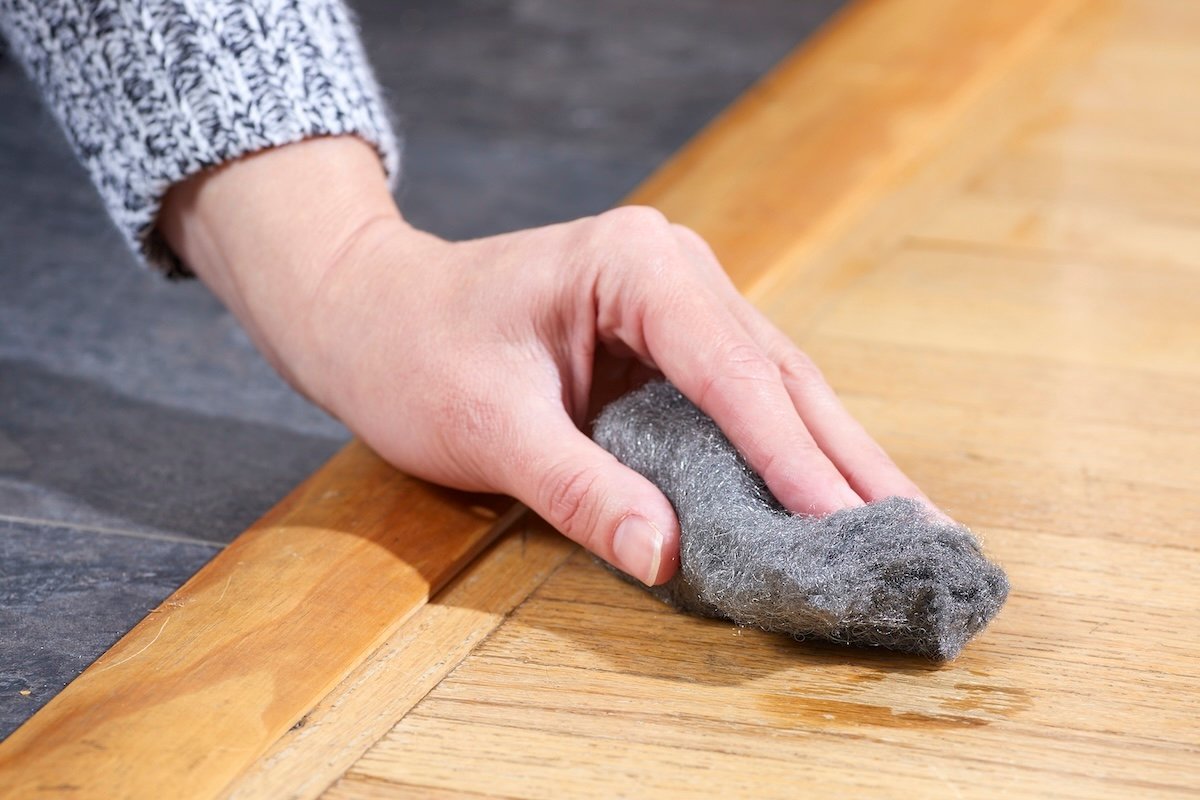
Minor scratches penetrate the finish and slightly mar the wood surface. These require a more mechanical approach. Using fine-grade steel wool (0000 grade) dipped in mineral spirits, a technician can lightly buff the scratch in the direction of the wood grain. This smooths the edges of the abrasion. Once dry, a matching wood stain or a specialized floor touch-up pen can be used to restore the color, followed by a light application of wax or a wipe-on polyurethane to seal the area.
Level 3: Deep Gouges and Scratches
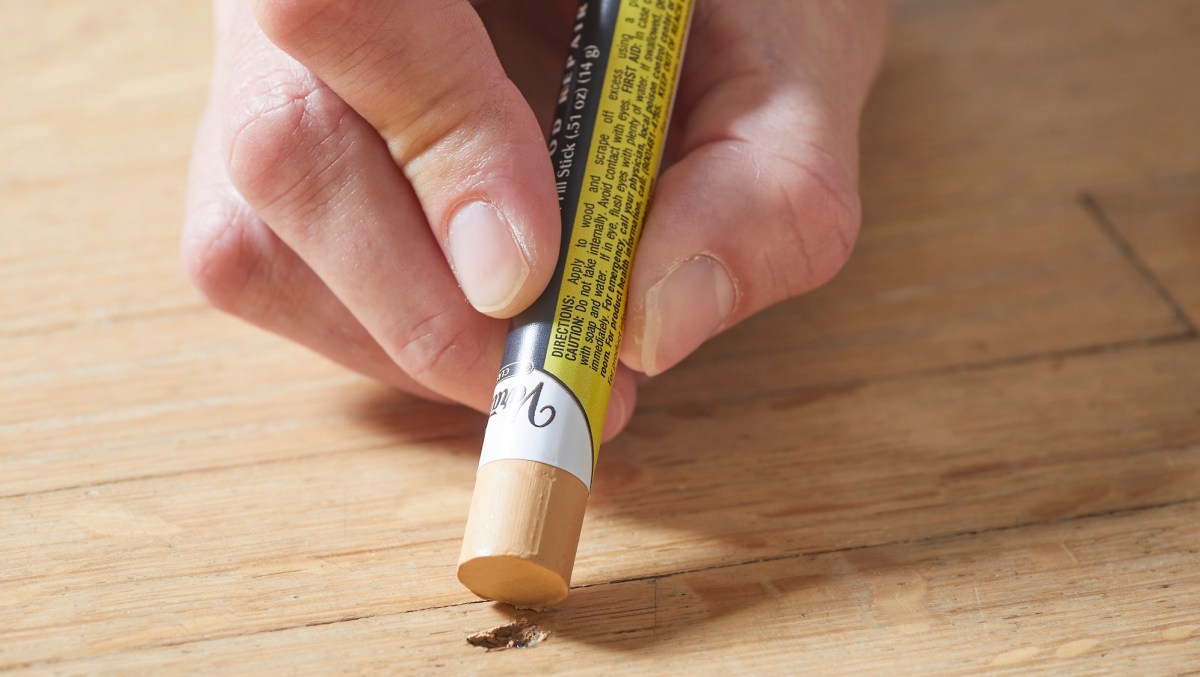
Deep scratches reach into the wood fibers and often remove material. These cannot be buffed out and must be filled. The process involves cleaning the gouge with a damp cloth and then applying a high-quality wood filler or a wood-repair wax stick that matches the floor’s color. Once the filler has cured, it is sanded flush with the surrounding surface using fine-grit sandpaper. Finally, the area must be stained to match the existing floor and sealed with a finish that provides the same sheen—satin, semi-gloss, or high-gloss—as the original installation.
Industry Standards: When Repair Transitions to Replacement
While the majority of wood floor issues can be addressed through localized repairs or refinishing, there are thresholds where replacement becomes the only viable option. Structural integrity is the primary deciding factor. If a floor has suffered from chronic water exposure, the wood cells may have collapsed, leading to "cupping" or "crowning" that cannot be sanded flat.
Furthermore, engineered wood floors—which consist of a thin veneer of hardwood over a plywood core—have a much more limited repair window. If the scratch or gouge is deeper than the veneer (usually 2mm to 6mm), the underlying plywood will be visible, necessitating the replacement of individual planks rather than a surface repair.
The cost of professional intervention is also a factor. On average, a professional refinishing job costs between $3 and $6 per square foot. In contrast, a full replacement can cost upwards of $8 to $15 per square foot, depending on the material and labor complexity. For a standard 500-square-foot area, homeowners should expect an average installation cost of approximately $3,067, though prices vary significantly by region and material choice.
The Broader Implications of Floor Preservation
Beyond the immediate financial and aesthetic benefits, the maintenance of wood floors has broader environmental implications. Wood is a carbon-sequestering material. By repairing and refinishing existing floors rather than replacing them, homeowners reduce the demand for new timber and minimize the waste sent to landfills.
The longevity of hardwood, when managed through the proactive repair of scratches and gouges, makes it one of the most sustainable flooring options available. As the home improvement industry shifts toward more durable and eco-friendly practices, the ability to restore rather than replace remains a hallmark of responsible homeownership. By adhering to professional cleaning standards, utilizing tiered repair techniques, and implementing rigorous prevention strategies, homeowners can ensure their hardwood floors remain a lasting legacy of their home’s character and value.