admin
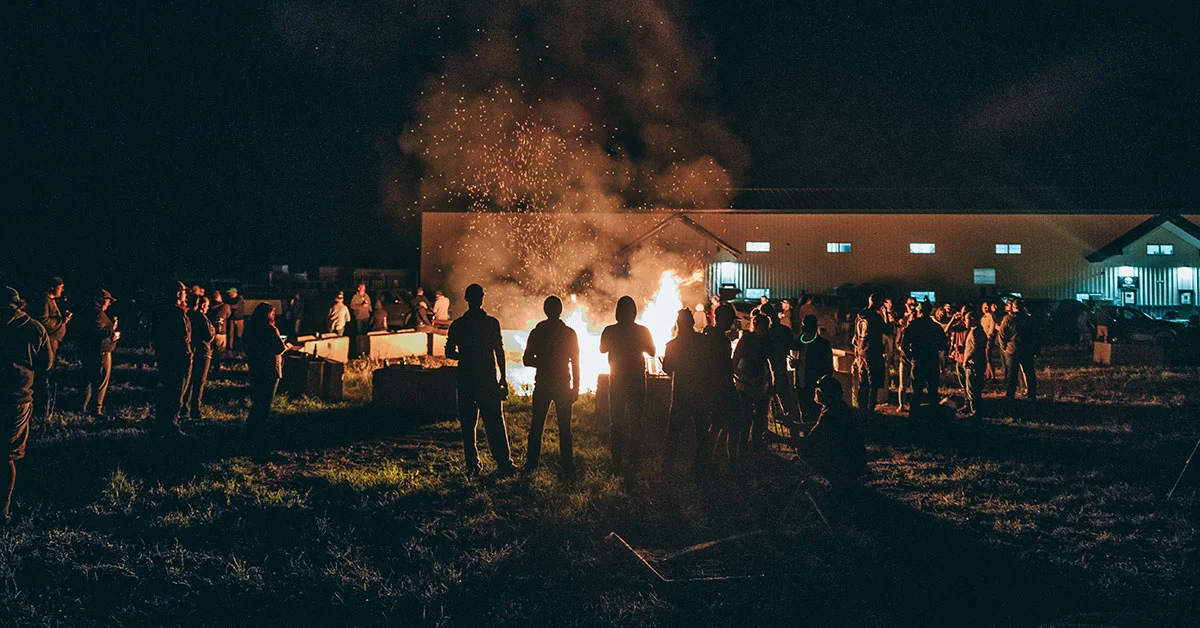
The landscape of the American craft beer industry is undergoing a significant spatial and economic transformation as small-scale breweries seek to maximize the utility of their physical footprints. In Mount Olive, North Carolina, Ryan Roberts, the owner of R&R Brewing, represents a growing cohort of entrepreneurs who have realized that traditional taproom models may no longer be sufficient to sustain growth in a saturated market. Having opened his doors in 2018, Roberts initially focused on the standard amenities: a fenced yard, food truck access, and quality beer. However, he soon observed a disconnect; while the outdoor space was utilized, it was not generating the per-square-foot value required to offset property taxes and operational overhead. The solution to making his "dirt more valuable" arrived not through a new brewing technique, but through a partnership with the camping industry.
In late 2020, Roberts integrated his business with Harvest Hosts, a membership-based network that connects self-contained RV travelers with unique overnight stays at farms, wineries, and breweries. For a minimal investment of $60 in signage and basic land leveling, R&R Brewing transformed underutilized acreage into a revenue-generating asset. The results were immediate. By December 2020, the brewery welcomed its first campers, who, seeking an alternative to the sterile environment of big-box retail parking lots, contributed an average of $80 per stay to the brewery’s coffers. This shift highlights a broader industry trend: as the novelty of local craft beer wanes, breweries are evolving into multi-functional destinations where "captive audiences" are provided with both a place to drink and a place to sleep.
The Economic Necessity of Experiential Diversification
A decade ago, the craft beer industry operated on a "build it and they will come" philosophy. According to data from the Brewers Association, the number of operating craft breweries in the United States surged from roughly 2,000 in 2011 to over 9,000 by the early 2020s. This rapid expansion has led to market saturation, making it increasingly difficult for individual taprooms to stand out based on liquid quality alone. Consequently, the "experience economy" has become a vital lifeline. By offering camping, breweries are tapping into a demographic that values convenience, safety, and unique environments.
The synergy between camping and craft beer is supported by consumer behavior data. The Dyrt, a prominent camping platform, reports that 45 percent of its users bring beer on their trips, with 37 percent specifically seeking out craft varieties. This overlap in demographics—outdoor enthusiasts and craft beer drinkers—creates a natural marketing funnel. Kevin Long, CEO of the Dyrt, notes that breweries possess an "untapped resource" in their land. The appeal for the consumer is twofold: the ability to enjoy high-gravity or experimental beers without the logistical concern of driving home, and the opportunity to support a local business in exchange for a safe, scenic place to park.
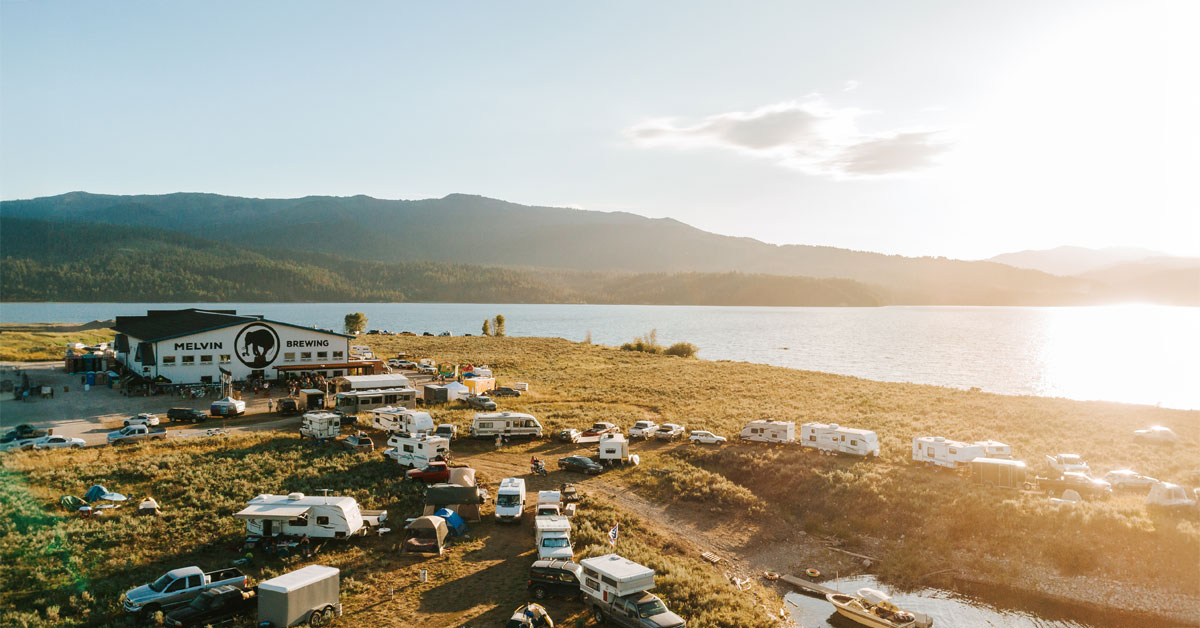
A Chronology of the Camping Boom and the Brewery Pivot
The pivot toward brewery-based camping accelerated significantly during the COVID-19 pandemic. As indoor gathering spaces faced restrictions, the demand for outdoor recreation skyrocketed. National parks and traditional campgrounds saw record-breaking attendance, often leading to a total exhaustion of available reservations months in advance. This "camping boom" forced travelers to look toward private land for accommodations.
2017–2018: Early adopters like Golden Grove Farm & Brew in Piedmont, South Carolina, began integrating outdoor activities, such as disc golf, with their brewing operations. Located near the high-traffic Interstate 85, Golden Grove recognized that its 100-acre property could serve as more than just a production facility.
2020–2021: The pandemic catalyzed the partnership between breweries and platforms like Harvest Hosts and Hipcamp. Breweries like R&R Brewing and Mash Mechanix Brewing in Colorado Springs began designating parking spaces for RVs and camper vans to capture the surge in domestic road-trip travel.
2023–2024: The trend moved toward total integration. Entrepreneurs like Doug Olsen began acquiring existing campgrounds with the specific intent of adding brewing operations. In 2023, Olsen purchased Indian Lake Adventures in Ohio, launching Camp Brewing on the premises the following year to ensure the campground remained at capacity year-round.
Geographic Diversity in Brewery Camping Models
The implementation of camping facilities varies significantly based on the brewery’s location and available resources. These models range from "no-frills" dispersed camping to high-end "boutique" RV parks.
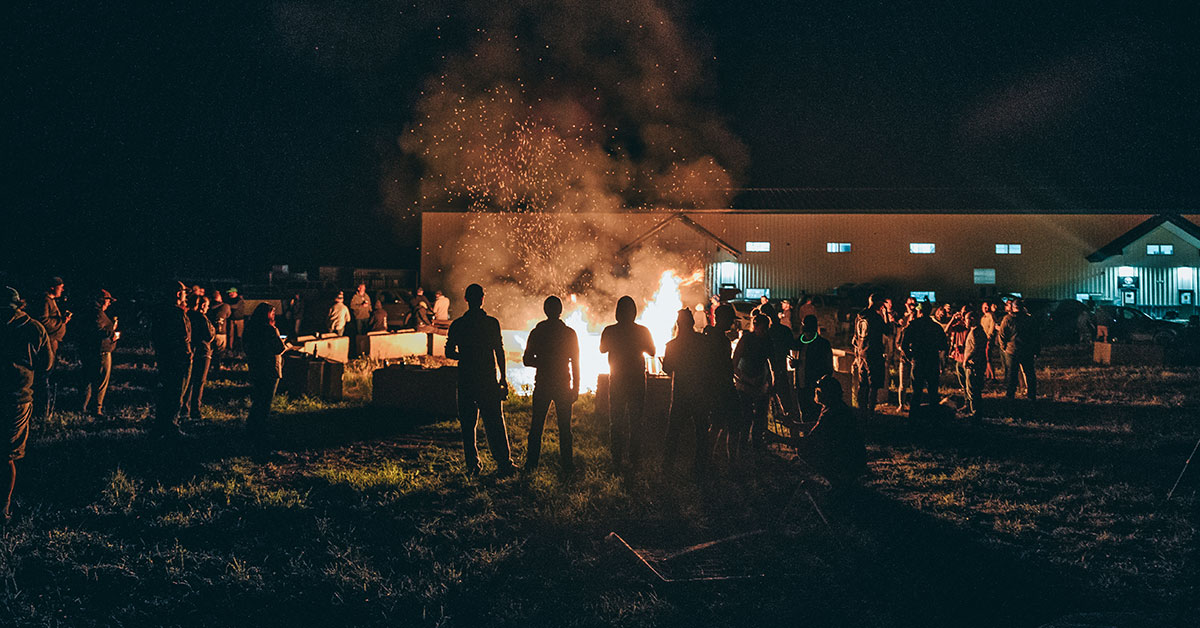
In Alpine, Wyoming, Melvin Brewing utilizes its proximity to the Palisades Reservoir and Bureau of Land Management (BLM) property to offer a rugged, "wild" experience. Molly Reilly, Vice President of Marketing for Melvin’s parent company, Pure Madness Group, describes the offering as "out of bounds and free." This model appeals to the traditionalist camper who seeks "total dark skies" and a short walk from the taproom to a tent or van.
Conversely, Boothbay Craft Brewery in Maine has spent two decades refining a 10-acre property into what owners Win and Lori Mitchell call a "boutique RV park." This model involves significant infrastructure investment, including 24 RV hook-up sites and a full-service tavern serving local delicacies like lobster-packed pretzels. Here, the camping is the primary draw, with the brewery acting as the anchor amenity.
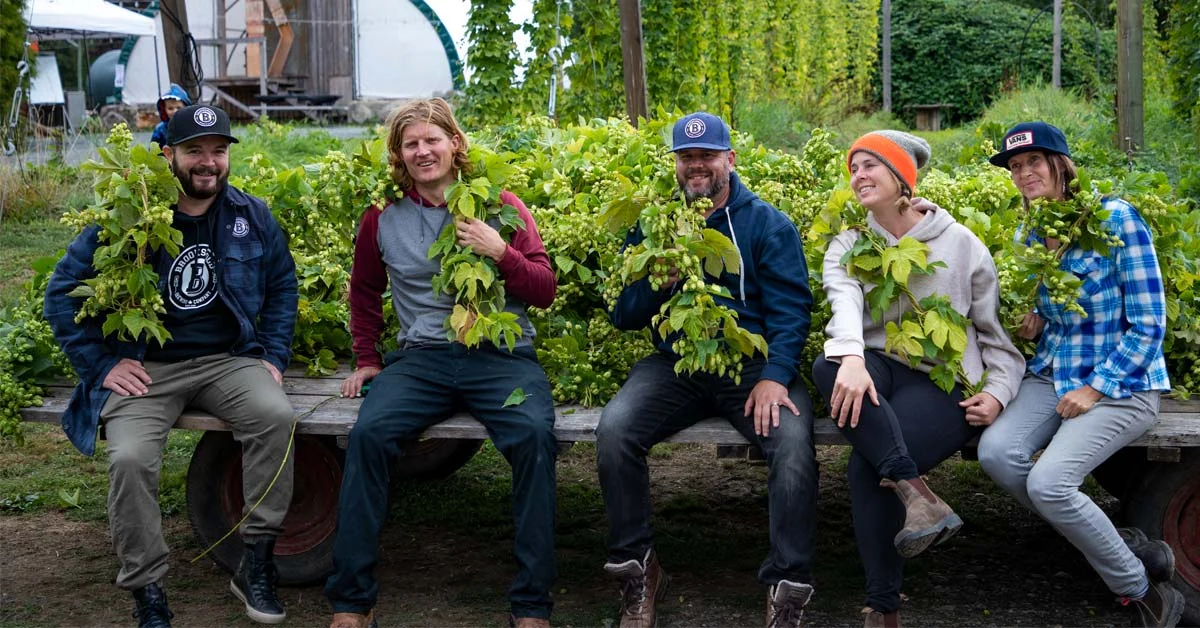
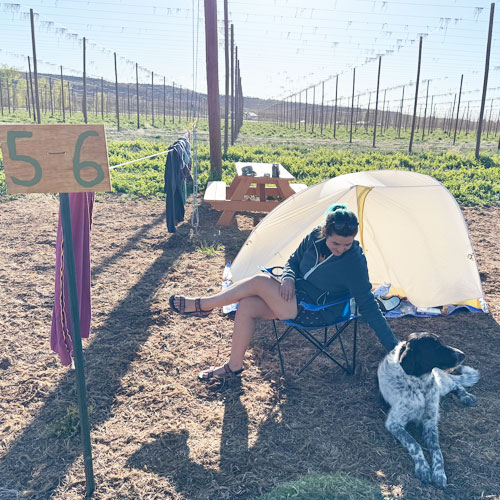
In urban and agricultural settings, the approach is more specialized. Billy Goat Hop Farm in Montrose, Colorado, opened "Down at the Hopyard," allowing campers to sleep adjacent to the very trellises where their beer’s ingredients are grown. This adds an educational layer to the stay, as farm president Audrey Gehlhausen emphasizes the importance of consumers knowing the origin of their hops. Meanwhile, in the city center of Colorado Springs, Mash Mechanix Brewing utilizes a paved parking lot to offer views of Pikes Peak, catering to Sprinter vans and smaller rigs that prefer urban accessibility over rural isolation.
Regulatory Challenges and Operational Hurdles
Despite the clear ROI, integrating a campground into a brewing business is fraught with logistical and legal complexities. From a regulatory standpoint, a brewery and a campground are distinct entities requiring separate licensing, insurance, and staffing.
One of the primary challenges involves alcohol consumption laws. At Camp Brewing in Ohio, Doug Olsen notes that while campers are permitted to bring their own beer to their campsites, they are legally prohibited from bringing outside beverages into the brewery’s licensed taproom. Conversely, the brewery must ensure that beer sold for consumption on the grounds complies with local "open container" and "to-go" regulations. To manage this, many breweries have pivoted to selling growlers or specific "camping-friendly" cans, such as Camp Brewing’s "Pitch a Tent Pilsner," which are designed for consumption at the campsite.
Staffing is another hurdle. Managing a campground requires a different skill set than managing a bar. Campground hosts must handle reservations, site maintenance, and utility issues (such as power and water hookups), often outside of standard taproom hours. For smaller operations like R&R Brewing, the "self-contained" requirement of platforms like Harvest Hosts is a strategic choice to minimize these overhead costs, as these campers do not require electricity, water, or sewage hookups.
The Festival Connection and Immersive Experiences
Camping has also become a solution for rural beer festivals that lack local hotel infrastructure or reliable rideshare services. Events like the Burning Foot Beer Festival in Muskegon, Michigan, utilize beachfront camping to accommodate 300 groups of attendees. Jimmy Hegedus, the festival’s beverage director, points out that in small towns with limited lodging, camping is the only way to safely host a large-scale event where alcohol is the central focus.
However, the festival-camping model is not immune to economic pressures. Brewery Ommegang in Cooperstown, New York, recently had to cancel its long-running "Belgium Comes to Cooperstown" festival due to lower-than-projected ticket sales. The brewery cited the high standards required for such immersive events and the inability to deliver a quality experience when financial projections are not met. This serves as a cautionary tale: while camping can enhance a brewery’s appeal, it remains subject to the broader volatility of the hospitality industry and consumer discretionary spending.
Broader Impact and Industry Implications
The move into the camping sector represents a significant shift in how craft breweries view their role in the community and the economy. By becoming "hosts" in the literal sense, these businesses are diversifying their revenue streams to protect against fluctuations in the beer market.
- Brand Loyalty: Providing a place to sleep creates a deeper emotional connection between the consumer and the brand. As Lori Mitchell of Boothbay Craft Brewery notes, "Campers who come here tell other campers," creating a self-sustaining cycle of word-of-mouth marketing.
- Sustainability: Utilizing existing land for camping is a low-impact way to increase revenue without the environmental footprint of heavy construction or industrial expansion.
- Market Resilience: During economic downturns, camping often sees an uptick as a "budget-friendly" vacation option. By positioning themselves as affordable travel destinations, breweries can maintain foot traffic even when luxury spending decreases.
In conclusion, the integration of campgrounds and breweries is more than a pandemic-era fad; it is a calculated response to a changing retail environment. From the hop fields of Colorado to the coastal taverns of Maine, the industry is proving that the most valuable thing a brewery can offer might not just be what is in the glass, but the ground beneath the customer’s feet. As Ryan Roberts of R&R Brewing suggests, the goal is to make every square foot of "dirt" work as hard as the brew kettle, ensuring that the American craft brewery remains a central, and profitable, fixture of the landscape.