admin
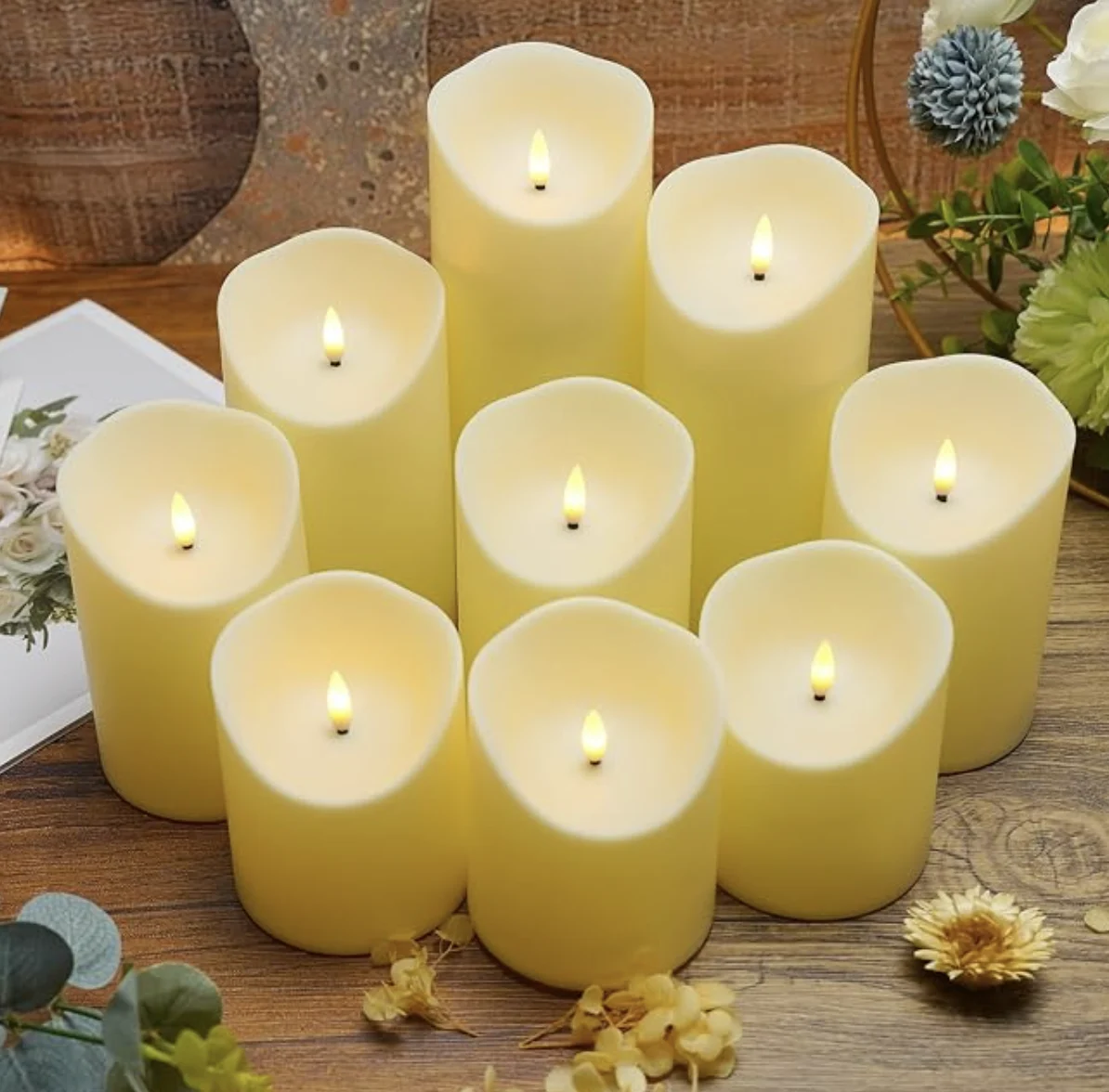
As the winter solstice approaches and daylight hours dwindle, homeowners across the northern hemisphere are transitioning their interior environments to foster warmth, comfort, and light. Traditionally, this seasonal shift has relied heavily on open-flame candles to provide a sense of "hygge"—the Danish concept of cozy contentment. However, the modern home design landscape is witnessing a significant pivot toward battery-operated, flameless alternatives. This transition is driven by a convergence of technological advancements in LED realism, heightened awareness of residential fire safety, and a growing preference for low-maintenance home aesthetics.
Kanika Bakshi Khurana, principal interior designer and founder of Kanika Design in San Mateo, California, notes that battery-operated candles have evolved from mere utility items into sophisticated design tools. "In addition to providing a less hazardous option for displaying during holidays, battery-operated candles provide a practical solution for those who may be too busy with other activities," Khurana explains. These devices eliminate the traditional drawbacks of combustion, such as soot accumulation on ceilings, wax spills on expensive textiles, and the persistent risk of accidental ignition. Furthermore, the integration of programmable timers and remote-control functionality has transformed these items from static decor into automated elements of a smart home ecosystem.
The Evolution of Candle Technology: From Combustion to Electromagnetics
The history of the flameless candle is a narrative of rapid technological refinement. While early iterations in the late 20th century utilized simple, static incandescent bulbs that offered little more than a dim orange glow, the 21st century brought about the "flicker" revolution. The development of high-efficiency Light Emitting Diodes (LEDs) allowed for longer battery life and a more natural color temperature, typically ranging between 2,200 and 2,700 Kelvin to mimic the warmth of a paraffin flame.
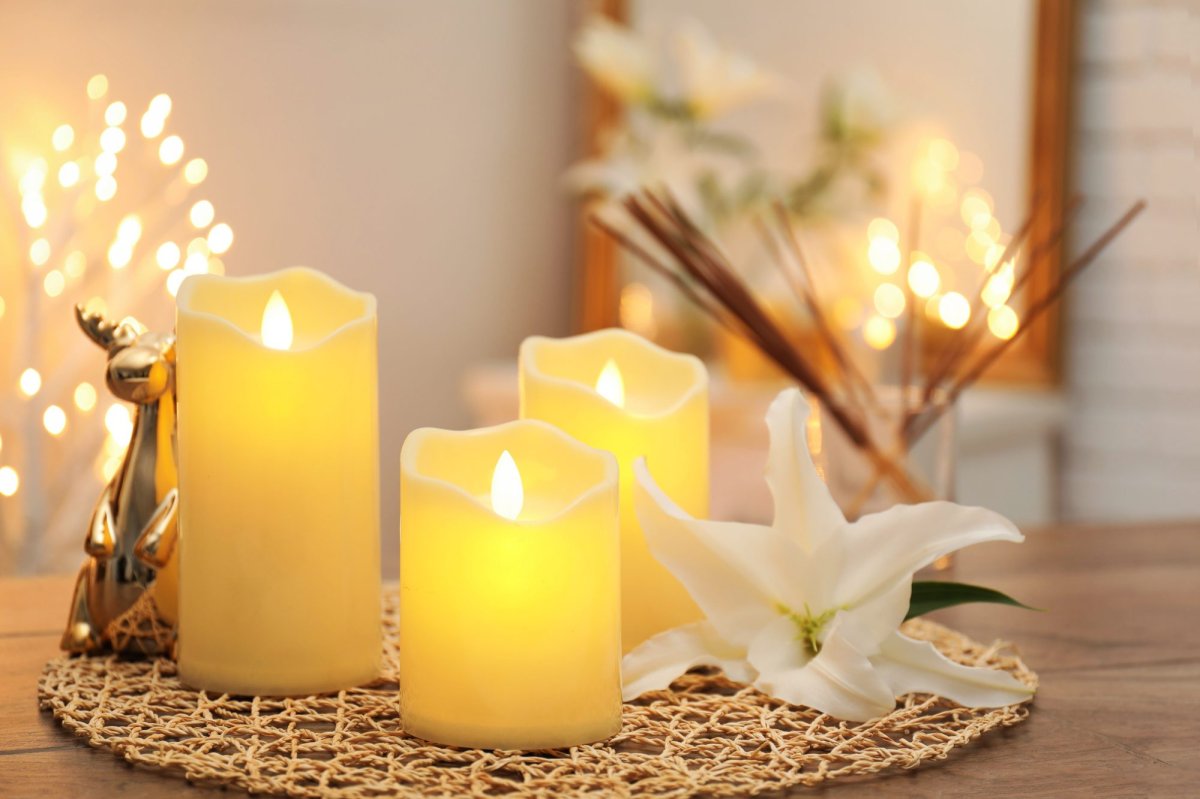
A major breakthrough occurred in the early 2010s with the introduction of electromagnetic "moving flame" technology. Originally developed for theme park attractions to ensure guest safety while maintaining a realistic atmosphere, this technology uses a combination of an LED light source and a magnet-driven plastic "flame" that moves unpredictably. This innovation bridged the gap between artificiality and authenticity, making flameless candles indistinguishable from real ones at a distance. Today, premium models incorporate "360-degree" flames and real wax shells, offering the tactile feel of a traditional candle without the associated risks.
Fire Safety and Risk Mitigation: A Statistical Overview
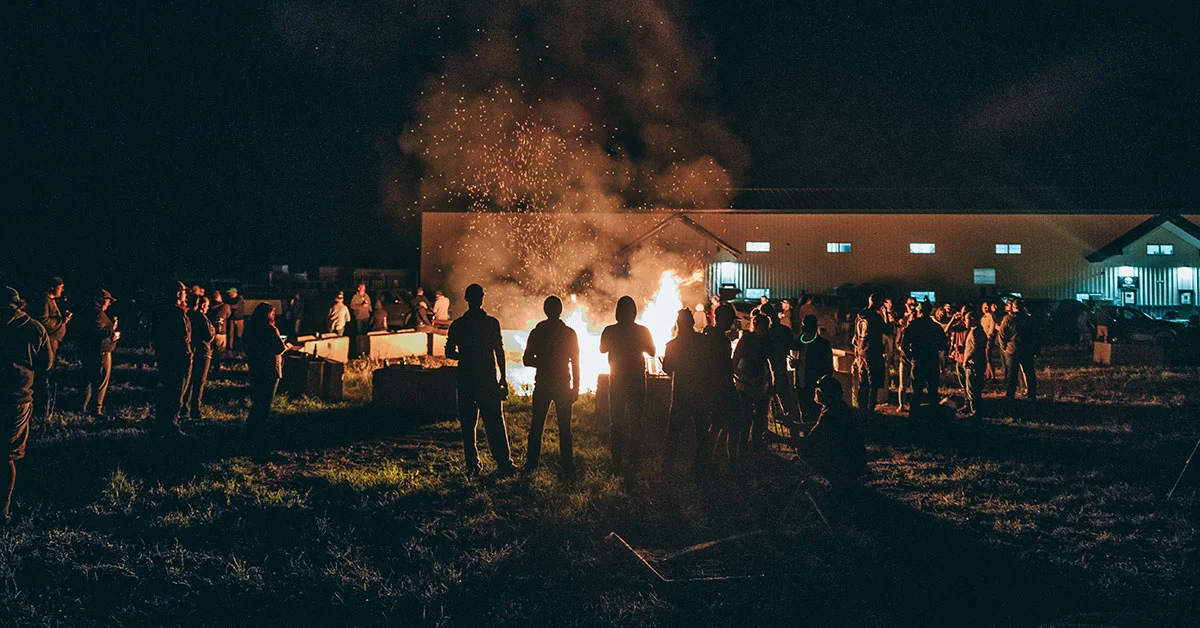
The shift toward flameless decor is more than an aesthetic trend; it is a significant public safety development. According to data from the National Fire Protection Association (NFPA), home fires started by candles remain a persistent concern. Between 2015 and 2019, U.S. fire departments responded to an estimated average of 7,400 home structure fires per year that were started by candles. These incidents resulted in an annual average of 70 civilian deaths, 590 civilian injuries, and $291 million in direct property damage.
The NFPA reports that nearly 60% of candle fires occurred when some form of combustible material—such as curtains, bedding, or holiday decorations—was left too close to the candle. Furthermore, December is the peak month for these incidents, with candle fires occurring at a rate 2.5 times higher than the monthly average during the rest of the year. By substituting open flames with battery-operated alternatives, homeowners effectively eliminate the leading cause of these fires: unattended open flames and the proximity of decorations to heat sources.
Strategic Interior Design: Six Ways to Implement Flameless Light
Interior designers emphasize that the successful use of flameless candles relies on "layering"—the practice of combining different light sources to create depth and ambiance. Khurana suggests several high-impact strategies for the winter season.
1. Creating Multidimensional Fireplace Mantel Displays
The fireplace mantel often serves as the focal point of a winter living room. Khurana recommends creating a "layered" effect by utilizing candles of varying heights. "Combine them with assorted décor items, such as greenery, pine cones, or branches for an element of depth in the winter design," she suggests. Because flameless candles do not emit heat, they can be placed directly against dried cedar boughs or pine garlands—a practice that would be a severe fire hazard with traditional wax candles.
2. Illuminating Enclosed Shelving and Built-In Cabinetry
Bookshelves and built-in cabinets are frequently "dead zones" for light once the sun sets. Traditional candles cannot be used in these tight, enclosed spaces due to the risk of scorching the shelf above or igniting nearby paper. Khurana suggests placing small flameless pillars or tea lights inside decorative glass vases or directly on shelves. This technique provides a "backlit" effect that highlights books, ceramics, and framed photographs, adding a soft glow to the perimeter of the room.
3. Enhancing Entryway Hospitality and Window Displays
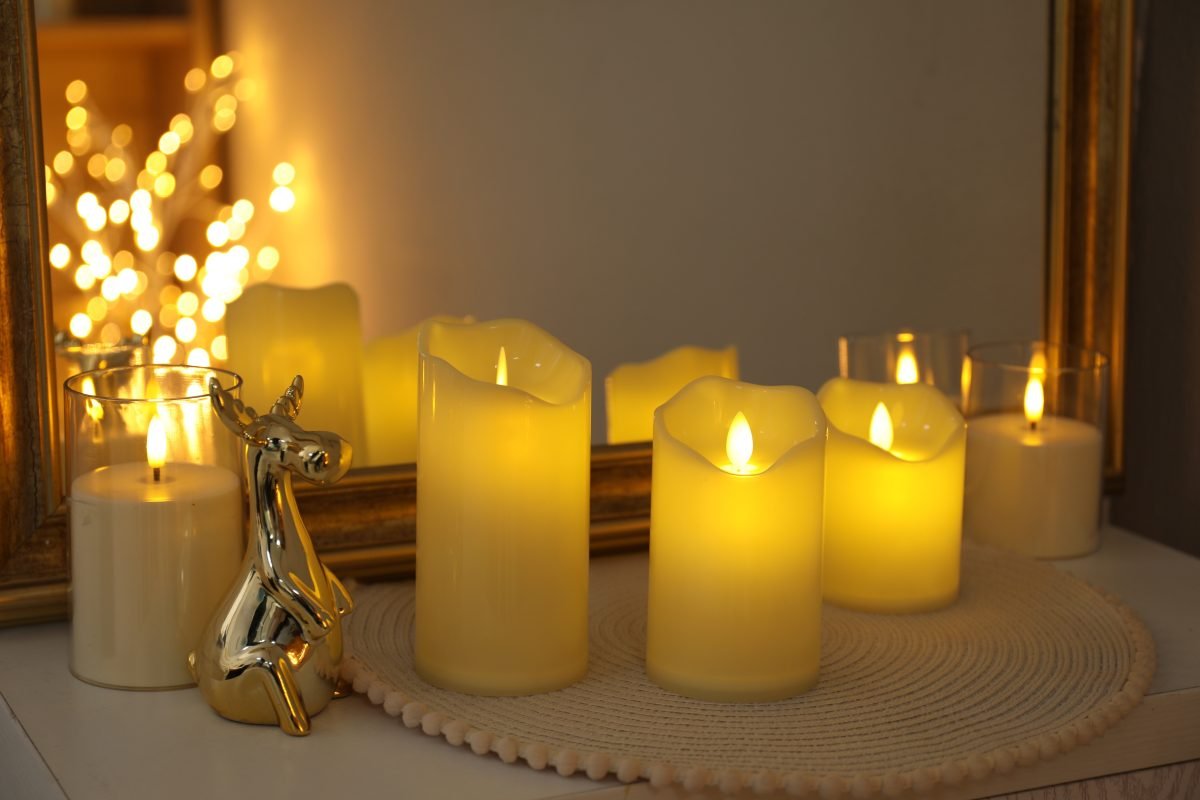
The "candle in the window" is a historic symbol of welcome, yet it poses a risk when placed near window treatments. Battery-operated tapers with light sensors can be programmed to turn on at dusk and off at dawn, providing a consistent external aesthetic for the home. In the entryway, Khurana recommends grouping flameless pillars on a console table. "A decorative mirror behind the candles will help reflect the light and enhance the welcoming atmosphere," she notes, emphasizing the psychological impact of warm light on guests entering from the cold.
4. Designing Safe and Functional Dining Centerpieces
Holiday dining tables are often crowded with platters, glassware, and floral arrangements, making open flames particularly dangerous. Khurana advises using flameless tapers in vintage brass or modern ceramic holders. By mixing "high and low" heights down the center of the table, hosts can achieve a formal atmosphere without the fear of a guest’s sleeve or a centerpiece catching fire. Additionally, flameless candles are scent-neutral, ensuring that the aroma of the meal is not overwhelmed by synthetic candle fragrances.
5. Cultivating Bedroom Ambiance
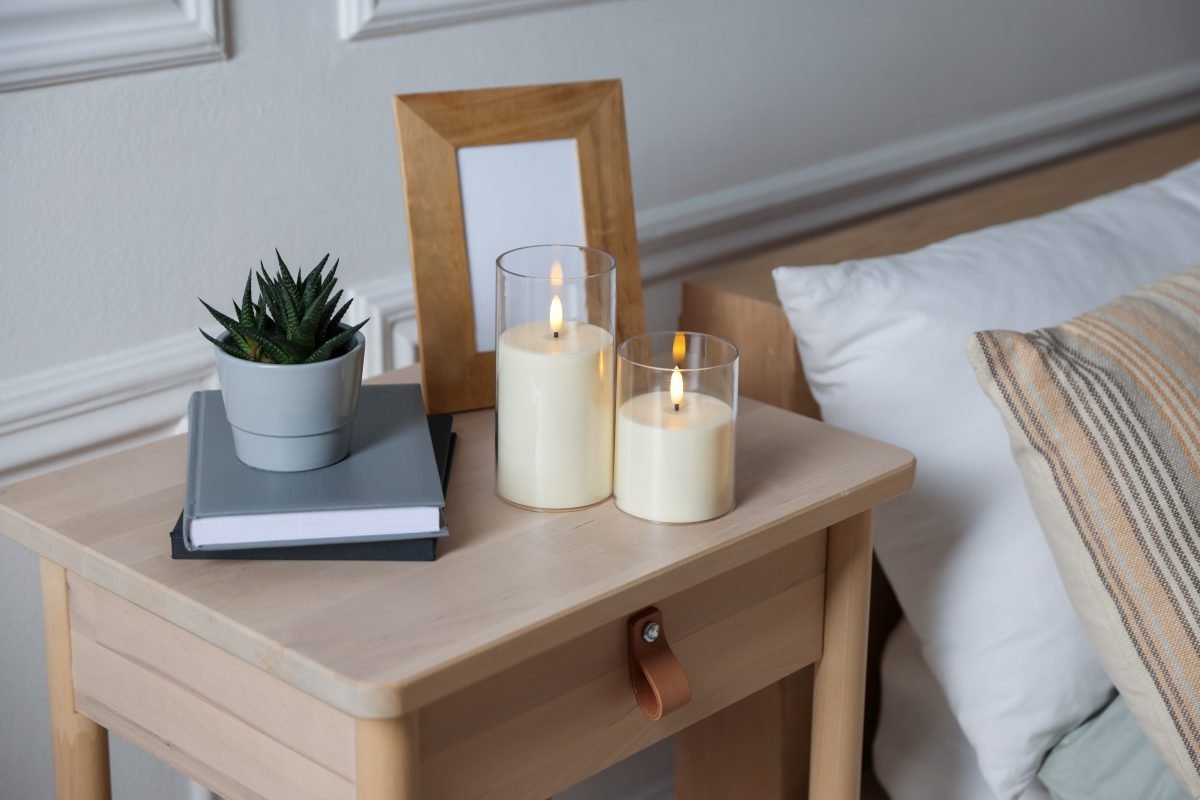
The bedroom is an ideal environment for the soothing flicker of candlelight, but it is also the room where residents are most likely to fall asleep, leaving candles unattended. Khurana suggests placing flameless candles on nightstands or dressers. The use of remote-controlled models allows residents to extinguish the "flame" from the comfort of their bed, or utilize a sleep timer that automatically turns the candle off after two to four hours.
6. Utilizing Decorative Lanterns for Versatile Lighting
Lanterns are a staple of winter decor, but they can become extremely hot when housing real candles. By using battery-operated pillars inside lanterns made of wood, metal, or glass, homeowners can place these decorative objects on floors, wooden steps, or even in outdoor protected areas. Khurana suggests choosing "warm white" LED bulbs (around 2700K) rather than "cool white" to maintain a realistic, inviting glow.
Economic and Environmental Implications
Beyond safety, the shift to battery-operated candles offers long-term economic and environmental benefits. While the initial purchase price of a high-quality flameless candle—ranging from $20 to $60 for premium models—is higher than a traditional wax candle, the lifespan of an LED bulb can exceed 50,000 hours. A single set of batteries can often power a candle for 200 to 1,000 hours, depending on the model and the use of timers. Over several holiday seasons, the cost-per-hour of flameless light is significantly lower than the recurring cost of replacing consumed wax candles.
From an environmental and health perspective, flameless candles contribute to better indoor air quality. Traditional paraffin candles are petroleum-based and, when burned, can release volatile organic compounds (VOCs) such as toluene and benzene, as well as fine particulate matter (soot). For individuals with asthma or chemical sensitivities, these emissions can be irritants. Flameless candles offer a "clean" alternative, providing the visual benefits of fire without the respiratory impact.
Analysis: The Future of Residential Illumination
The increasing sophistication of battery-operated candles reflects a broader trend in interior design toward "passive ambiance." As homeowners spend more time in their domestic spaces, there is a demand for environments that react to their needs with minimal effort. The integration of Bluetooth and Wi-Fi connectivity into flameless candles is the next frontier, allowing users to synchronize their entire home’s "candlelight" with a single smartphone app or voice command.
Market analysts predict that the global LED candle market will continue to grow at a steady compound annual growth rate (CAGR) as consumers prioritize safety and sustainability. The transition from the "analog" flame to the "digital" flicker is not merely a change in hardware, but a redefinition of how we experience light in the home. By removing the element of danger, designers like Khurana are able to place light in locations previously considered impossible, effectively "painting" interiors with warmth and shadow in ways that were once the exclusive domain of professional lighting designers.
As this winter season progresses, the move toward battery-operated candles stands as a testament to the successful marriage of traditional aesthetics and modern safety standards. For the contemporary homeowner, the choice is clear: the most inviting light is the one that provides peace of mind alongside its gentle glow.