admin
The global horticultural industry is undergoing a significant aesthetic and functional shift as experts reveal the defining trends for the 2027 season. Leading organizations, including the Garden Media Group, Monrovia, and the National Garden Bureau, have released their annual projections, signaling a move away from the stark minimalism of the previous decade toward a landscape defined by historical reverence, "Ancient Blue" palettes, and the integration of gardening as a formal medical intervention. These trends reflect a broader societal desire for emotional sanctuary, luxury, and ecological sophistication.
The Chronology of Modern Gardening Trends
To understand the 2027 forecast, one must look at the trajectory of the gardening industry over the last several years. Following the 2020-2022 "pandemic boom," which saw millions of first-time gardeners focus on basic food security and simple outdoor DIY projects, the market shifted toward "functional aesthetics" in 2024 and 2025. By 2026, sustainability and native planting became the industry standard.
Entering 2027, the industry is seeing a maturation of these concepts. Homeowners are no longer satisfied with mere utility; they are seeking "curated experiences." This evolution has led to the emergence of highly specific themes that blend historical art movements, such as Rococo and the Gilded Age, with modern environmental needs like xeriscaping and mental health support.
The Color of the Year: Ancient Blue and the Science of Rarity
Garden Media Group has officially designated "Ancient Blue" as the 2027 Garden Color of the Year. This selection is rooted in deep historical context, as blue was the first manufactured pigment in human history, developed by the Egyptians approximately 5,000 years ago to replicate the appearance of lapis lazuli.
Despite its popularity in interior design and fashion, blue remains an ecological anomaly. Research indicates that fewer than 10 percent of the world’s 280,000 flowering plant species produce blue blossoms. This rarity creates a psychological "victory" for the gardener, according to Katie Dubow, president of Garden Media Group.
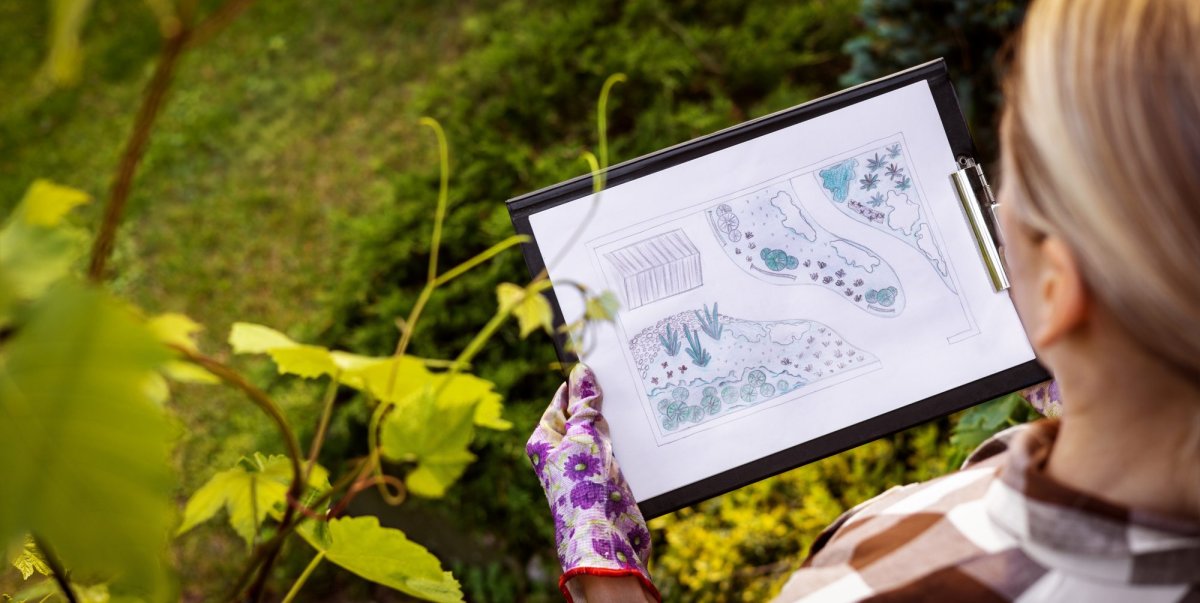
From a design perspective, Ancient Blue serves as a calming anchor in a world of high-speed digital consumption. Horticulturalists recommend incorporating this trend through specific species such as:
- Hydrangeas: Specifically varieties that react to acidic soil to produce deep, celestial blues.
- Delphiniums and Salvia: Providing vertical interest and structural depth.
- Spring Ephemerals: Such as Muscari (Grape Hyacinth) and Scilla.
- Hardscape Elements: The use of blue-glazed ceramic pots and powder-coated furniture to provide year-round color when blooms are dormant.
Edited Edibles: The Shift Toward Aesthetic Sustenance
The 2027 Garden Design Trends Study by Monrovia highlights a pivotal change in how homeowners approach food gardening. The "Victory Garden" model of rows of tomatoes and lettuce is being replaced by "Edited Edibles"—plants that offer both nutritional value and high-end design appeal.
Monrovia’s data shows that more than 45 percent of gardeners are now seeking unique or exotic edible selections. This trend is driven by a desire for "conversation-starter" plants that look attractive throughout the entire growing season.
"We’re seeing shoppers be more discerning in their edible choices," explains Katie Tamony, chief marketing officer and trend spotter at Monrovia. "They’re looking for plants that add a design element or feel more exotic than the common choices their neighbors grow."
Key species driving this trend in 2027 include:
- Architectural Fruits: Pomegranates, figs, and olives, which provide silver-toned foliage and interesting silhouettes.
- Ornamental Berries: Varieties with colorful fall foliage or unique berry hues.
- Climbing Edibles: Kiwi vines and specialty grapes used to create lush, fruiting canopies over pergolas.
The Rococo Revival: A Rebellion Against Minimalism
In a direct response to the "beige minimalism" that dominated the early 2020s, 2027 marks the rise of the "Let’s Go Rococo" movement. Originating in 18th-century France, Rococo was a rebellion against the stiff, heavy grandeur of the Baroque period, favoring asymmetry, ruffles, and gilded flourishes.
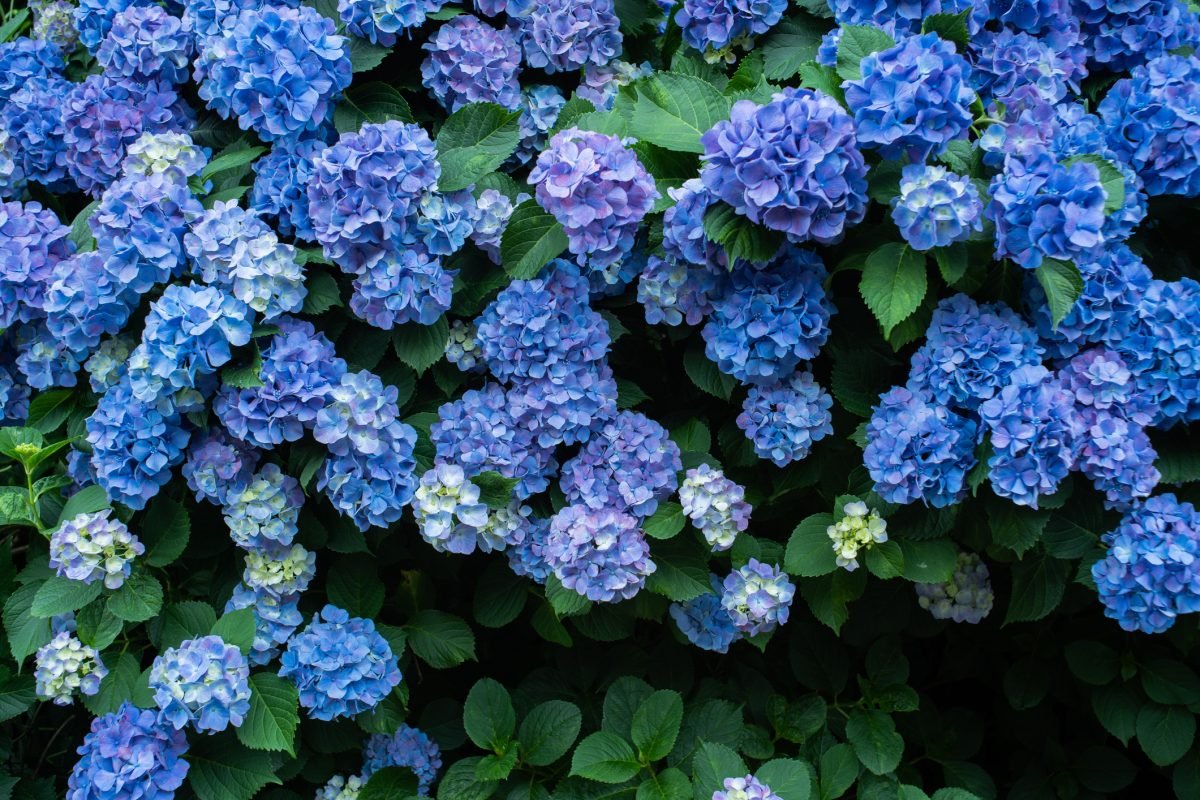
In the garden, this translates to a "more-is-more" philosophy. Dubow describes the style as ornamental, romantic, and "joyfully over the top." This trend aligns with the "chaos gardening" movement but adds a layer of intentional luxury. Design elements include:
- Sinuous Lines: Curved pathways and asymmetrical flower beds.
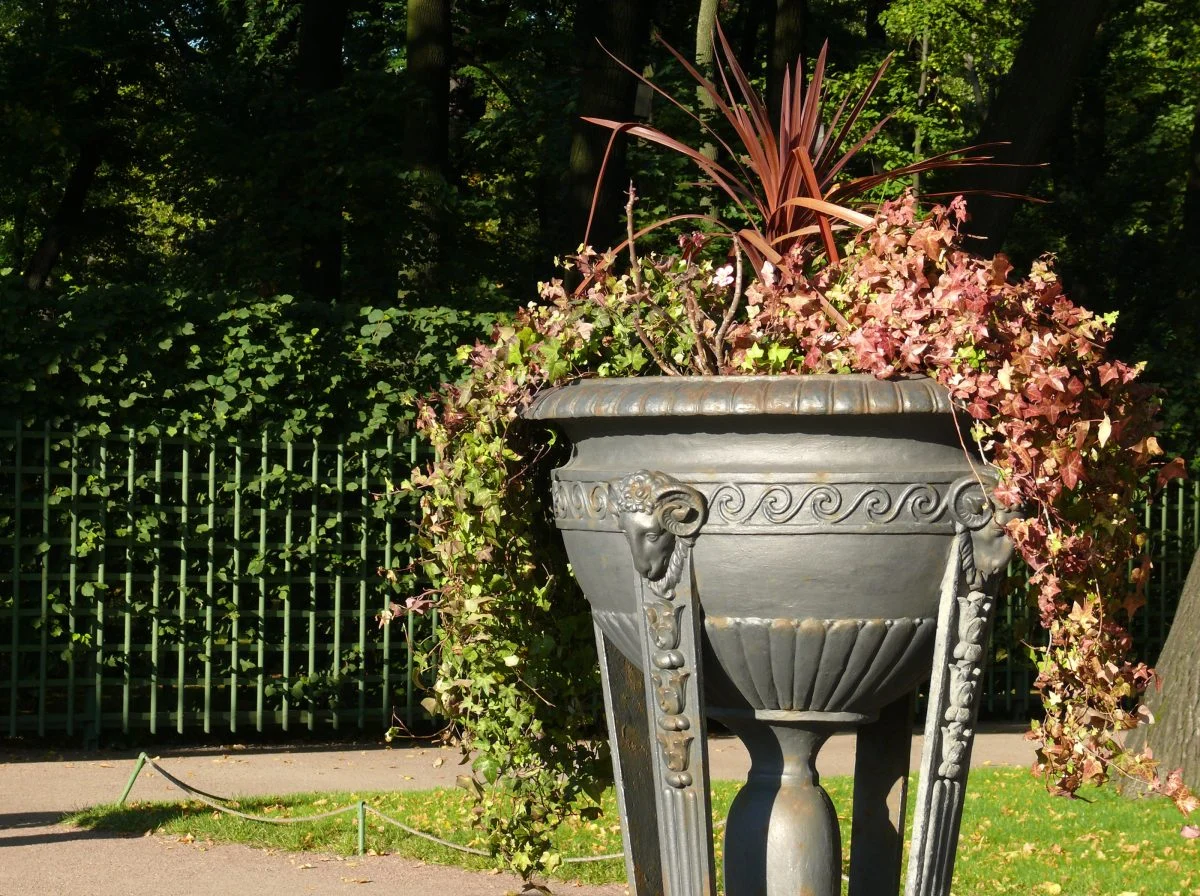
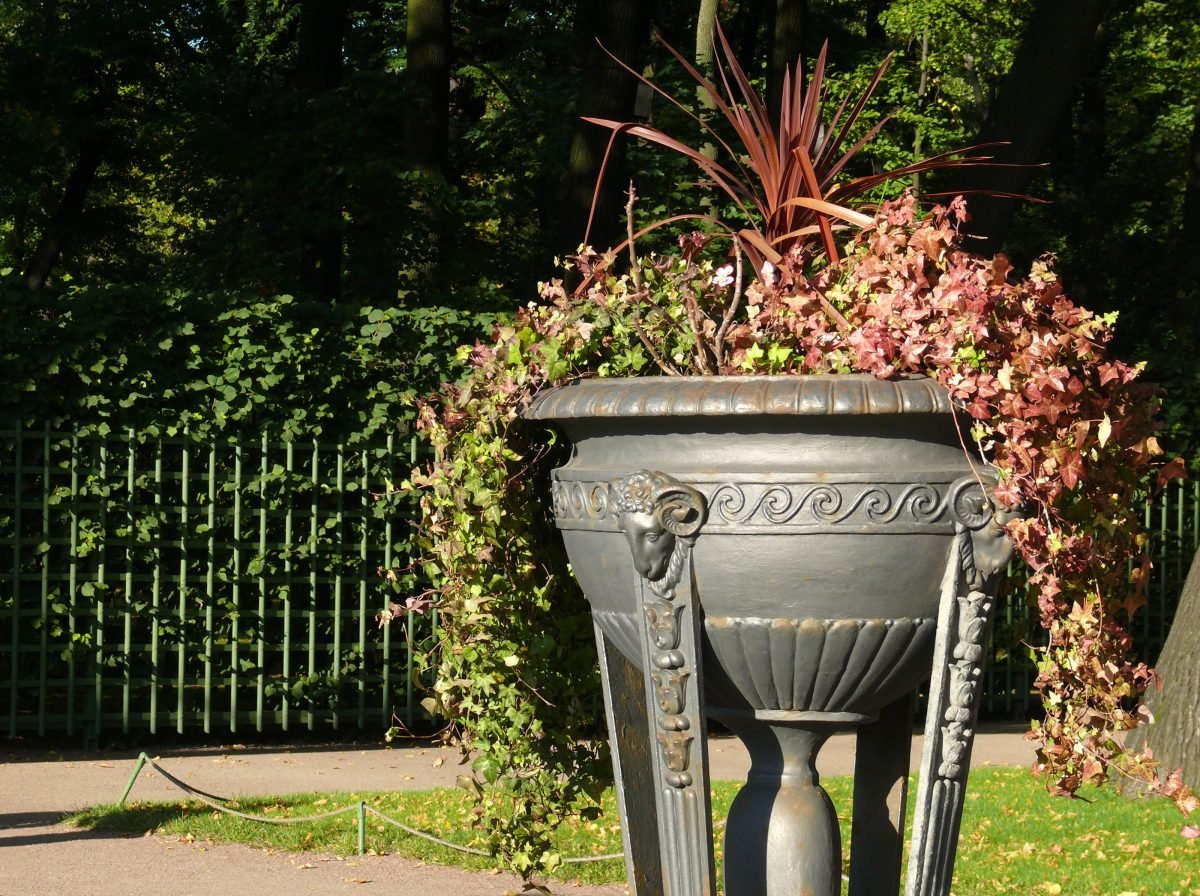
- Intricate Details: The use of shells, scrollwork in wrought iron, and ornate stone urns.
- Jewel-Tone Palettes: Deep purples, magentas, and golds that contrast with the Ancient Blue trend.
- Textural Abundance: Heavily ruffled petals found in "Parrot" tulips and double-bloomed peonies.
OutdooRx: The Garden as a Clinical Tool
Perhaps the most significant shift in the 2027 forecast is the formalization of "therapeutic gardens." While the mental health benefits of nature have long been documented, the "OutdooRx" trend positions the garden as a legitimate medical intervention.
In the United Kingdom, the practice of "social prescribing" has gained momentum, where doctors prescribe gardening programs to treat anxiety, depression, and loneliness. Research continues to demonstrate that active engagement with soil and plants lowers cortisol levels while stimulating the production of dopamine and serotonin.
The 2027 therapeutic garden is characterized by:
- Sensory Planting: Using plants with specific tactile qualities (Lamb’s Ear) or calming scents (Lavender and Chamomile).
- Mindful Maintenance: Focusing on low-stress gardening tasks that encourage a flow state.
- Wildlife Integration: Creating spaces that attract pollinators, providing a sense of connection to the broader ecosystem.
Perennial of the Year: The Hellebore
The National Garden Bureau has declared 2027 the "Year of the Hellebore." Also known as the Lenten Rose or Christmas Rose, this hardy perennial has seen a surge in interest due to its unique blooming cycle and resilience.
Diane Blazek, executive director for All-America Selections at the National Garden Bureau, notes that the hellebore’s ability to bloom in late winter or early spring—often through the snow—makes it a vital component of the modern garden. As winters become more unpredictable due to climate change, gardeners are looking for "shoulder season" plants that provide visual interest when other species are dormant.
Hellebores are particularly valued for:
- Shade Tolerance: Thriving in woodland settings where other flowers struggle.
- Longevity: Some varieties can live for decades with minimal intervention.
- Aesthetic Variety: Blossoms range from pure white and soft pink to deep, "black" purples.
- Cautionary Note: Horticulturalists remind consumers that hellebores are toxic if ingested, requiring careful placement in yards with pets or young children.
Gilded Gardens: The Influence of Media on Landscape Design
The luxury market in gardening is experiencing a resurgence fueled by popular culture. The continued success of period dramas like The Gilded Age has sparked a demand for "Gilded Gardens"—a style that maximizes European-inspired design with a modern, high-end twist.
This trend focuses on "collector plants" and "investment landscaping." Monrovia’s research indicates a significant shift in consumer spending, with a 5 to 9 percent increase since 2025 in the willingness to pay for premium, mature plants and rare cultivars.
The Gilded Garden aesthetic includes:
- Artful Hedges: Boxwoods and hornbeams pruned into geometric shapes or mazes.
- Classic Florals: Large-scale plantings of roses, peonies, and hydrangeas.
- Chartreuse Foliage: Using bright, lime-green plants to create high-contrast focal points.
- Statuary: High-quality stone or bronze accents that lend an air of permanence and history.
The Palm Springs Aesthetic: Climate-Conscious Luxury
Rounding out the 2027 trends is the "Palm Springs Style," which merges mid-century modern design with desert-resilient planting. This trend is particularly popular in regions facing water restrictions, as it offers a way to create a lush, "upscale" look without the water requirements of a traditional lawn.
The Palm Springs look is achieved through:

- Structured Succulents: Using Agave and Yucca as living sculptures.
- Vivid Tropics: Incorporating drought-tolerant but brightly colored species like Bougainvillea, Mandevilla, and tropical hibiscus.
- Container Dominance: Using large, minimalist pots to create a controlled, "resort-style" environment on patios and decks.
Broader Impact and Industry Implications
The 2027 gardening trends suggest an industry that is becoming increasingly segmented and sophisticated. The rise in "collector" plant sales and the willingness of consumers to invest in premium landscaping indicates a robust economic outlook for nurseries and garden designers.
Furthermore, the integration of gardening into the wellness and healthcare sectors (OutdooRx) suggests that the "green industry" is moving toward a more central role in public health. As urban areas continue to densify, the backyard is no longer seen as just a plot of land, but as a vital piece of infrastructure for mental and physical well-being.
Horticulturalists and retailers are expected to pivot their inventories toward these themes, emphasizing Ancient Blue cultivars, "Edited Edibles," and the hardy, shade-loving hellebore. For the homeowner, 2027 offers an invitation to move beyond the basic and embrace a garden that is as historically rich as it is therapeutically beneficial.