admin
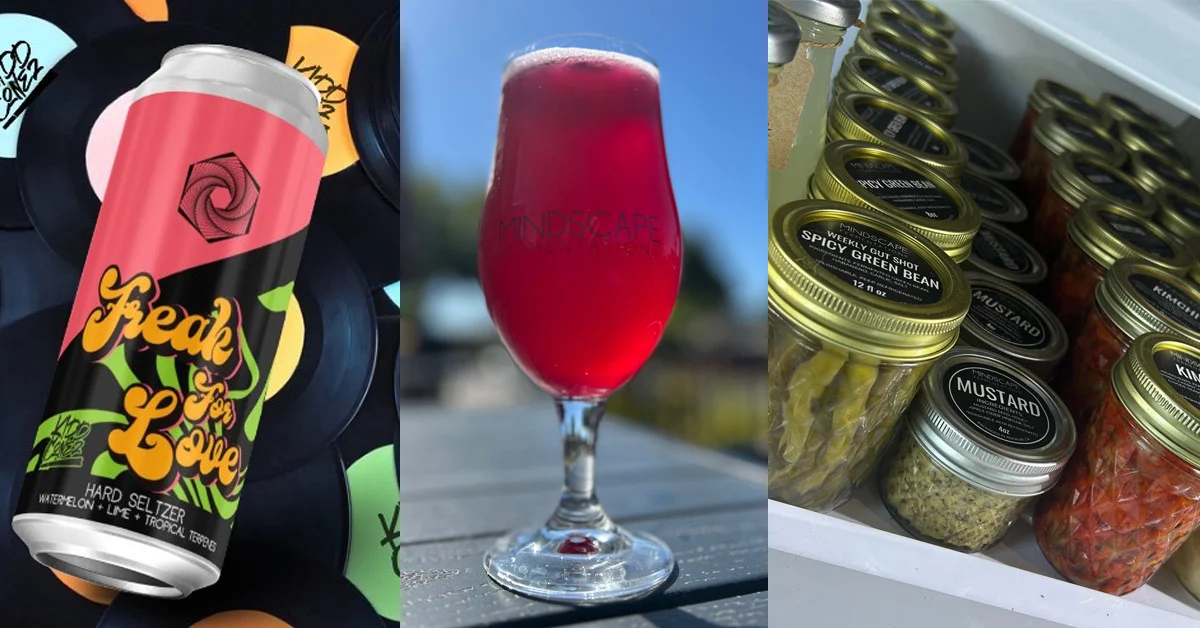
The global craft brewing industry is currently undergoing a structural transformation as owners navigate a complex landscape defined by market saturation, rising production costs, and shifting consumer demographics. For over a decade, the "taproom model" served as the gold standard for independent breweries, providing a high-margin direct-to-consumer revenue stream while fostering local community ties. However, as the novelty of the neighborhood brewery matures, a new generation of entrepreneurs is moving beyond the traditional brewpub format. These innovators are integrating their operations into broader social collectives and expanding the definition of brewing to include a diverse array of fermented products, ranging from kombucha and cider to fermented foods.
This evolution is not merely a creative choice but a strategic response to a tightening economic climate. According to industry data from the Brewers Association, while the number of operating craft breweries in the United States reached an all-time high of over 9,500 in recent years, production growth has largely plateaued. With inflation affecting the cost of raw materials—including malt, hops, and carbon dioxide—and a notable shift in consumer behavior toward health-conscious and low-alcohol options, the "brewery of the future" is increasingly defined by its ability to diversify both its physical space and its product portfolio.
The Collective Model: From Industrial Parks to Community Hubs
A significant trend in the European market, particularly in France and Belgium, is the move away from isolated industrial units toward "tiers-lieux" or "third places." This sociological concept, popularized by Ray Oldenburg, refers to social surroundings separate from the two usual social environments of home and the workplace. In the context of modern brewing, this manifests as breweries anchoring themselves within larger cultural or agricultural collectives.
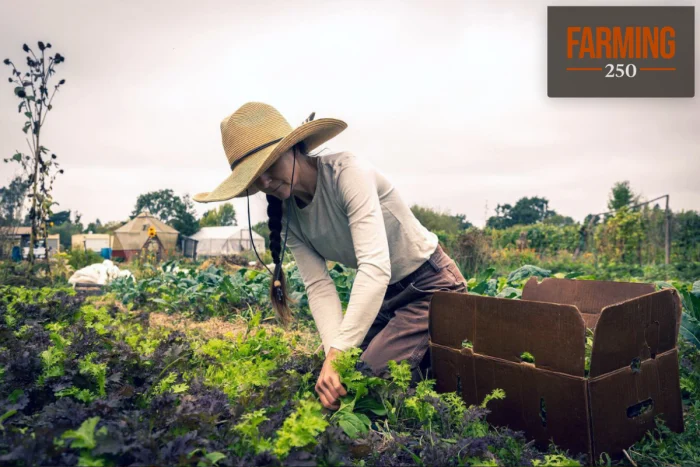
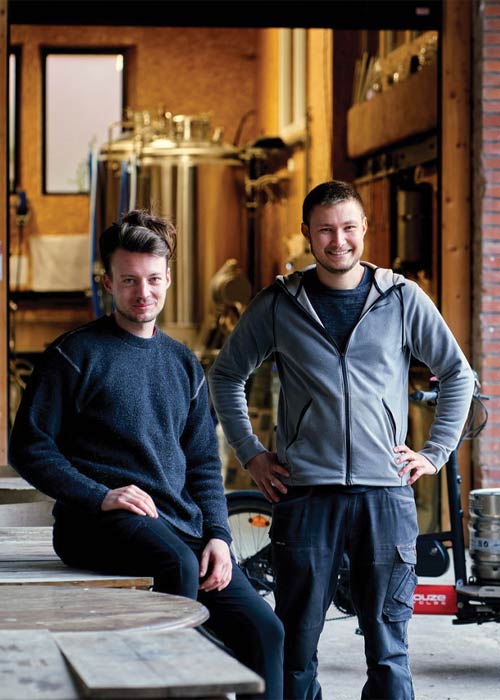
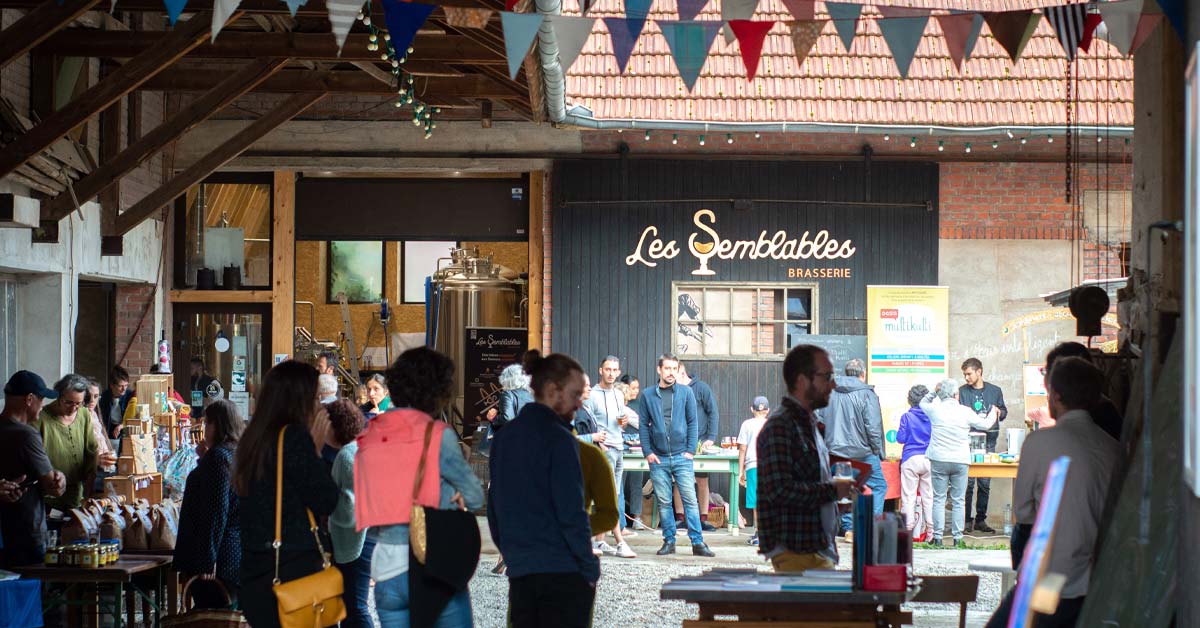
In the Alsace region of France, Brasserie Les Semblables exemplifies this shift. Founded by Eliott Pernelle and Etienne Voinson, the brewery intentionally avoided the traditional route of leasing a standalone industrial warehouse. Instead, they integrated their operations into Oasis Multikulti, a "tiers-lieu" situated on a repurposed farm in the village of Mietesheim. This location operates as a volunteer-run association offering community gardens, educational workshops, and a farmer’s market.
The strategic benefit of this model is twofold. First, it provides an immediate, built-in audience. Rather than spending significant marketing capital to draw patrons to a remote industrial park, Les Semblables benefits from the existing foot traffic generated by the association’s diverse activities. Second, it reduces the isolation often felt by small business owners. However, the model requires a commitment to social capital; Pernelle and Voinson contribute to the collective by managing social media and volunteering their time, reinforcing the brewery’s role as a civic participant rather than just a commercial tenant.
Collaborative Infrastructure: The Shared Brewhouse Strategy
While some brewers are sharing social spaces, others are sharing the very core of their business: the production equipment. This approach draws inspiration from historical precedents such as the German Zoiglbier tradition. Recognized by UNESCO as an "intangible cultural heritage," Zoiglbier involves communal brewhouses in Bavarian towns where residents share equipment to produce beer for their private use or local taverns.
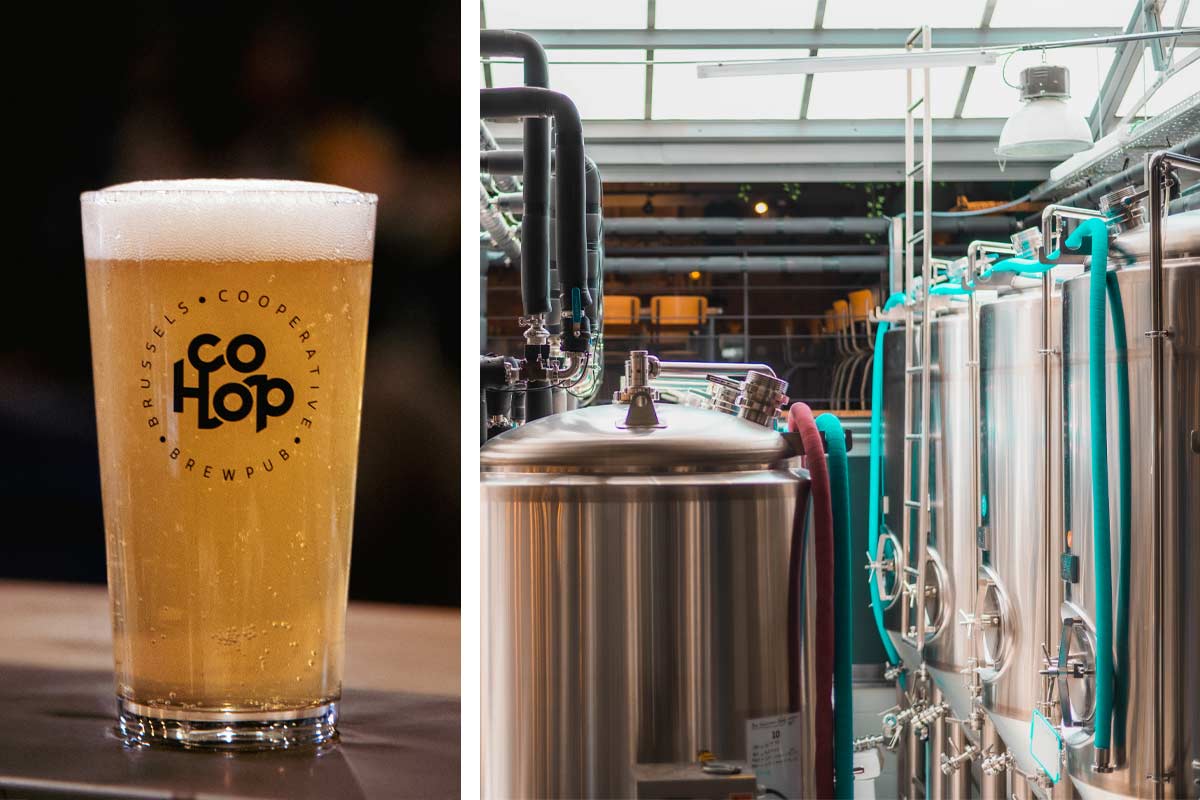
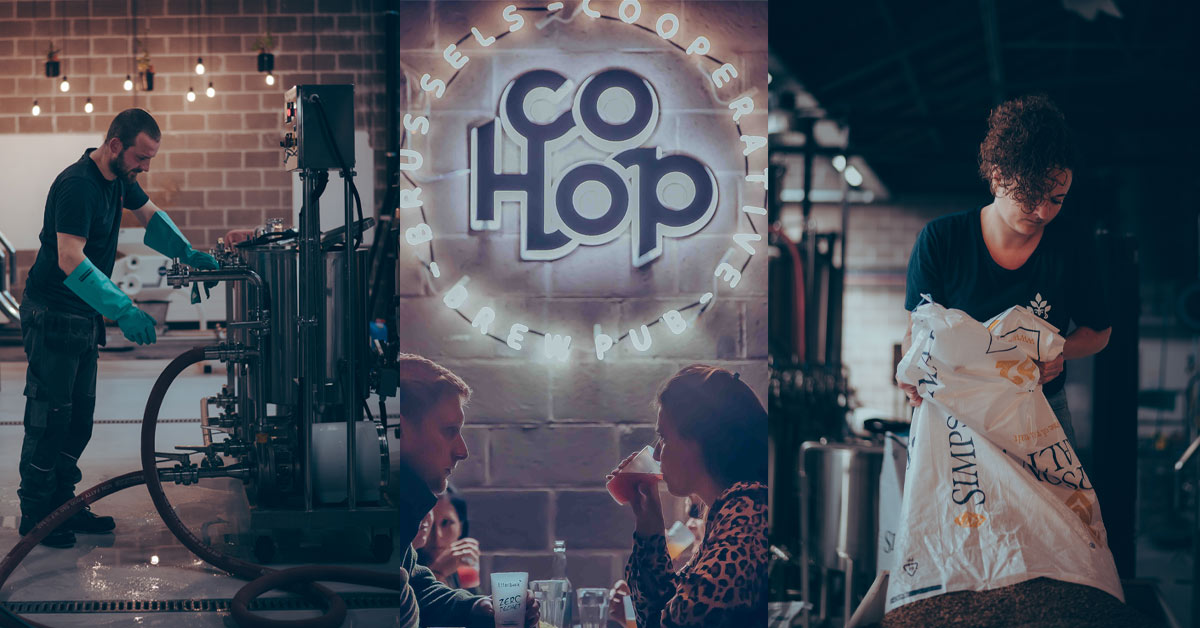
In modern-day Brussels, this communal spirit has been modernized to solve contemporary economic hurdles. Brasserie Witloof founder Thomas Detourbe recognized that the high capital expenditure required to build a brewery—often reaching hundreds of thousands of dollars for stainless steel tanks and piping—was a barrier for small-scale "contract" brewers looking to scale. This realization led to the formation of CoHop, a collaborative brewery that opened in 2021.
CoHop operates on a shared-equity model where five distinct brewing entities—La Bagarre, Janine, 1Bière 2Tartines, La Flaque, and Witloof—utilize the same brewhouse. This model significantly improves sustainability and resource efficiency. By sharing one set of equipment, the collective reduces its overall carbon footprint, energy consumption, and water usage compared to five separate facilities.
Operationally, the CoHop model requires rigorous organization. Each brewery is assigned a specific administrative or maintenance "mission," such as raw material procurement or equipment upkeep. This allows individual brands to maintain their unique identities and creative control over their recipes while benefiting from the economies of scale typically reserved for much larger regional breweries. The onsite taproom serves as a unified storefront, and the inclusion of an onsite bakery (Janine) further diversifies the revenue stream, creating a circular economy where brewing byproducts can potentially be utilized in food production.
Redefining the Product: The Rise of the Fermentarium
Parallel to the physical reimagining of the brewery is a shift in the chemical focus of the industry. As beer consumption patterns change, particularly among younger demographics who are increasingly "sober curious" or focused on wellness, some brewers are rebranding themselves as "fermenteriums" or "fermenteries."
Mindscape Fermentations in Rocklin, California, represents this new wave. Co-founders Lauren Price and Lauren Houston deliberately chose to move beyond the "brewery" label to signal a broader focus on the science of fermentation. While they continue to produce traditional beer, their portfolio includes kombucha, seltzers, and fermented foods.
The decision to adopt the "fermentarium" title is a calculated risk aimed at long-term resilience. Industry analysts note that the "No/Low" (non-alcoholic and low-alcohol) beverage market is one of the fastest-growing sectors in the drinks industry. By positioning themselves as fermentation experts rather than just beer makers, these businesses can pivot their production based on seasonal trends or health-driven market shifts.
Furthermore, this broader focus has been shown to alter the traditional "boys’ club" atmosphere of the craft beer world. Houston notes that Mindscape Fermentations attracts a significantly more diverse crowd, with a female-to-male ratio nearly double that of traditional breweries. This inclusivity is vital for the industry’s survival; as the core demographic of aging craft beer enthusiasts matures, breweries must find ways to appeal to a wider range of ages, genders, and dietary preferences.
Economic Pressures and the Necessity of Innovation
The shift toward collectives and fermentation-diverse models is occurring against a backdrop of significant economic pressure. In 2023 and 2024, the brewing industry faced a "perfect storm" of challenges:
- Supply Chain Inflation: The price of aluminum cans and cardboard packaging increased by double digits, while the war in Ukraine—a major exporter of barley—impacted global malt prices.
- Energy Costs: European breweries, in particular, have struggled with soaring electricity and gas prices, making the energy-intensive process of boiling wort increasingly expensive.
- Consumer Spending Power: As the cost of living rises, discretionary spending on premium craft beverages has faced competition from lower-priced macro-lagers and alternative spirits.
By sharing spaces and equipment, as seen in the Alsace and Brussels models, brewers can significantly lower their fixed costs and overhead. By diversifying their product lines, as seen in the California "fermentarium" model, they can capture a larger share of the consumer’s wallet, offering a product for every time of day and every health requirement.
Broader Impact and Industry Implications
The implications of these shifts extend beyond the balance sheets of individual breweries. They suggest a return to the "public house" origins of the industry, where the brewery was a central pillar of local life, rather than just a manufacturing site.
From a regulatory and urban planning perspective, the success of these models may encourage municipalities to reconsider zoning laws. Allowing breweries to operate within cultural centers or shared agricultural spaces can revitalize rural villages and urban neighborhoods alike. The "tiers-lieu" model, in particular, offers a template for how small businesses can survive by fostering deep-rooted community value that goes beyond the product in the glass.
As the craft beer industry enters its next phase, the successful breweries will likely be those that view themselves as more than just producers of liquid. Whether through shared infrastructure, community integration, or a scientific embrace of all things fermented, the industry is proving that its greatest strength lies in its ability to adapt. The transition from the "industrial brewery" to the "community fermentarium" marks a maturing of the craft movement—one that prioritizes sustainability, inclusivity, and economic cooperation over isolated expansion.
The message from the front lines of this evolution is clear: in an increasingly expensive and crowded market, the path to longevity is paved with collaboration. As CoHop’s Rémi Pequin aptly summarized the sentiment of the modern brewer: in the current climate, the most pertinent question for any new brewery owner is no longer "How do I build this?" but rather, "Why would anyone want to do this alone?"