admin
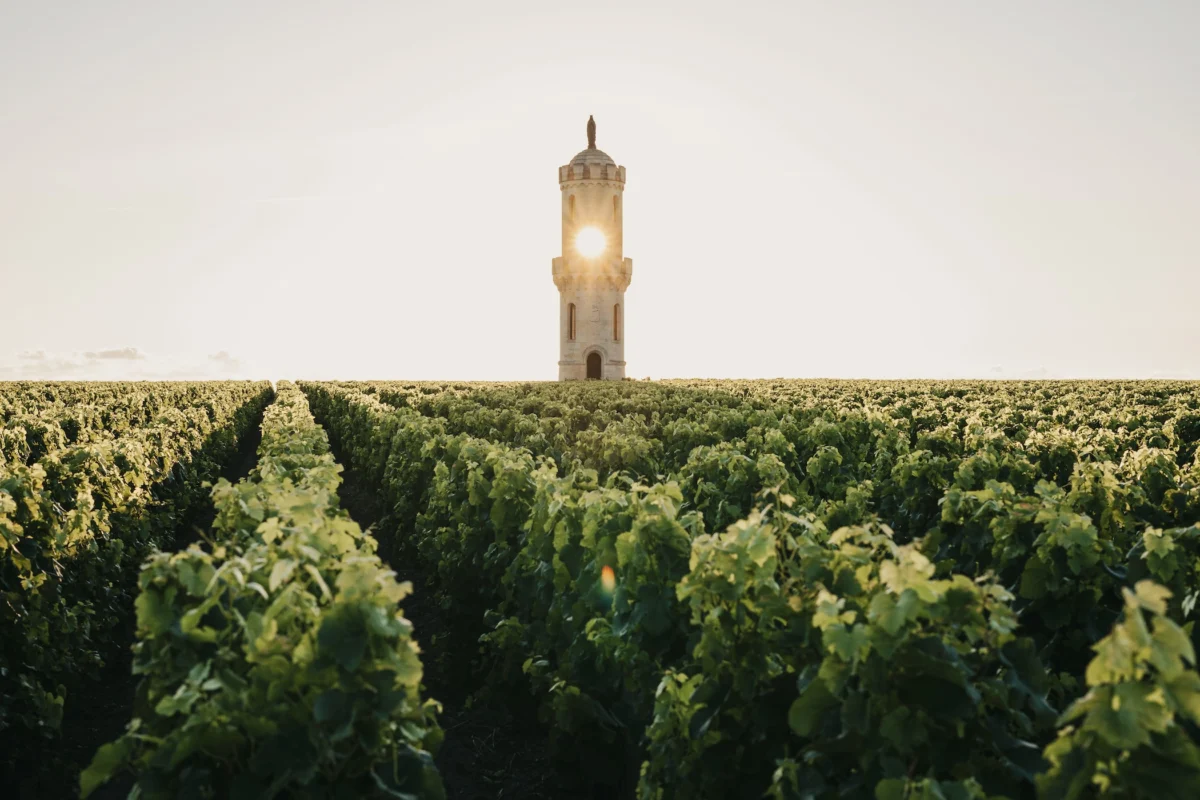
Bernard Magrez, the venerable and often audacious figure in the world of fine wine, has once again captured the attention of the global wine community with the launch of "Les Trésors de Bernard Magrez" (Bernard Magrez’s Treasures). This new collection of 22 distinct wines represents a significant departure from the deeply entrenched traditions of Bordeaux, challenging long-held conventions regarding vintage, appellation, and winemaking techniques. At 90 years old, Magrez, a multi-millionaire whose vast portfolio includes some of Bordeaux’s most iconic estates, notably the esteemed Château Pape Clément in Graves, is widely considered a pillar of the Bordeaux establishment, an embodiment of its "old guard." Yet, with this latest venture, he demonstrates a profound willingness to innovate, pushing the boundaries of what is typically expected from classified growth properties within this historically conservative region.
A Legacy Forged in Vision and Enterprise
Bernard Magrez’s journey is one defined by relentless entrepreneurship and a keen eye for opportunity. Born in Bordeaux, he built his empire from modest beginnings, venturing into various sectors, including music and real estate, before consolidating his focus on wine in the latter half of the 20th century. His acquisition strategy was bold and expansive, accumulating an impressive array of estates not only across Bordeaux but also globally, including properties in Languedoc, Provence, California, Japan, Morocco, and Argentina. This international perspective has perhaps fueled his readiness to question regional dogmas. In Bordeaux, his portfolio is particularly formidable, encompassing four Grand Cru Classé properties: Château Pape Clément (Grand Cru Classé de Graves), Château La Tour Carnet (Grand Cru Classé en 1855), Château Fombrauge (Grand Cru Classé de Saint-Émilion), and Clos Haut-Peyraguey (Premier Grand Cru Classé de Sauternes). These acquisitions were often accompanied by significant investments in vineyards, cellars, and winemaking talent, consistently elevating the quality and international standing of his properties. Magrez is renowned for his demanding standards, his hands-on approach, and his unwavering commitment to excellence, often employing cutting-edge technology and viticultural practices alongside traditional methods. His previous innovations include pioneering wine tourism in Bordeaux and embracing modern art and culture within his châteaux, further solidifying his reputation as a visionary who respects heritage while embracing progress.
Challenging Bordeaux’s Sacred Cows: The "Unwritten Rules"
Bordeaux, globally revered for its fine wines, operates under a strict hierarchy and a set of "unwritten rules" that dictate how its most prestigious wines are produced and perceived. These traditions are deeply rooted in the concept of terroir – the unique combination of soil, climate, and human factors that gives a wine its distinctive character. For centuries, the emphasis has been on:
- Single Vintage Expression: Each year’s harvest is celebrated as a unique reflection of the growing season, with wines labeled explicitly by their vintage. Multi-vintage blending, while common in regions like Champagne or for fortified wines like Port, is almost unheard of for fine Bordeaux table wines. This practice is often seen to dilute the specific character of a particular year, a core tenet of Bordeaux’s premium offerings.
- Château Identity: The wine is inextricably linked to a single château, representing the unique terroir and winemaking philosophy of that specific estate. Blending wines from different classified châteaux, especially across different appellations or banks (Left Bank vs. Right Bank), is a radical concept that goes against the very grain of the classement system, which meticulously ranks individual properties.
- Appellation Purity: Strict adherence to appellation d’origine contrôlée (AOC) rules defines geographic boundaries, permitted grape varieties, yields, and winemaking practices. While blending different grape varieties within a single AOC is a hallmark of Bordeaux, blending wines from entirely different AOCs (e.g., Graves and Médoc) for a single "prestige" label is highly unusual and, for classified growths, would typically result in declassification to a broader regional (e.g., Vin de Bordeaux) or even national (Vin de France) category, thereby relinquishing the prestigious AOC designation.
- Oak Aging: Traditional Bordeaux wines, particularly the reds, are almost universally aged in French oak barrels. This practice is central to their style, structure, and aging potential, imparting characteristic notes of vanilla, spice, and toast.
These conventions have long underpinned Bordeaux’s prestige and market appeal, fostering a sense of consistency, authenticity, and historical lineage. However, they also contribute to a perception of rigidity and, at times, a lack of adventurousness, particularly among newer generations of consumers. "Les Trésors de Bernard Magrez" directly confronts these established norms, proposing a new paradigm for how Bordeaux can express itself.
The Genesis of "Les Trésors": A Dialogue with the Modern Market
The decision to launch such an unconventional range was not impulsive but rather the culmination of a strategic assessment of evolving consumer preferences and the challenges facing the Bordeaux wine market. For decades, Bordeaux wines, particularly classified growths, have been synonymous with social status, investment potential, and a predictable trajectory of quality. However, Bernard Magrez and his son Philippe recognized a significant shift in what contemporary wine lovers seek. As Bernard Magrez articulated, "Bordeaux has long sold the idea of social status. Today, people want emotion and discovery, a taste they don’t know, a story they’d like to hear and share." This insight highlights a broader trend in luxury markets, where experiential value, unique narratives, and personal connection are increasingly prioritized over mere brand prestige.
Philippe Magrez, actively involved in the project, elaborated on this vision to Decanter, stating, "Bordeaux has a great heritage, but it only stays relevant if it remains inventive. The danger for Bordeaux is that it no longer represents pleasure. That there is nothing left to discover. [This range is meant to] renew the reasons to desire it." Their candid remarks underscore a critical concern within the region: the potential for Bordeaux to become stagnant, losing its appeal to a new generation of wine enthusiasts who crave novelty, diversity, and an emotional connection to their purchases. This initiative can be seen as a proactive response to these market dynamics, an attempt by the Magrez family to inject fresh excitement and intellectual curiosity into a category often perceived as predictable and exclusive. It also reflects a broader industry movement towards diversification and consumer-centric innovation, adapting to global trends where authenticity and unique experiences often outweigh rigid adherence to historical models.
A Collection of Daring Expressions: The Wines Unveiled
The "Les Trésors" collection comprises 22 unique wines, each crafted in limited quantities—ranging from a mere few hundred bottles to approximately 4,000—underscoring their exclusivity and artisanal nature. The price points are equally diverse, aiming for a broader appeal than a purely ultra-luxury segment. Offerings begin at around €30 for wines such as Cuvée Amphoria, extending to €190 for Château Pape Clément Cuvée 1252. An ultra-rare cuvée, PC4, commands a price of €4,000, catering to the most discerning collectors. Philippe Magrez emphasized, "Only targeting the ultra-luxury segment would have been an error. These are not ‘icon’ wines. It’s more daring." He further added that the objective was not merely to produce "better" or "technically perfect" wines, but rather more interesting ones, challenging the notion that perfection alone guarantees appeal in today’s dynamic market.
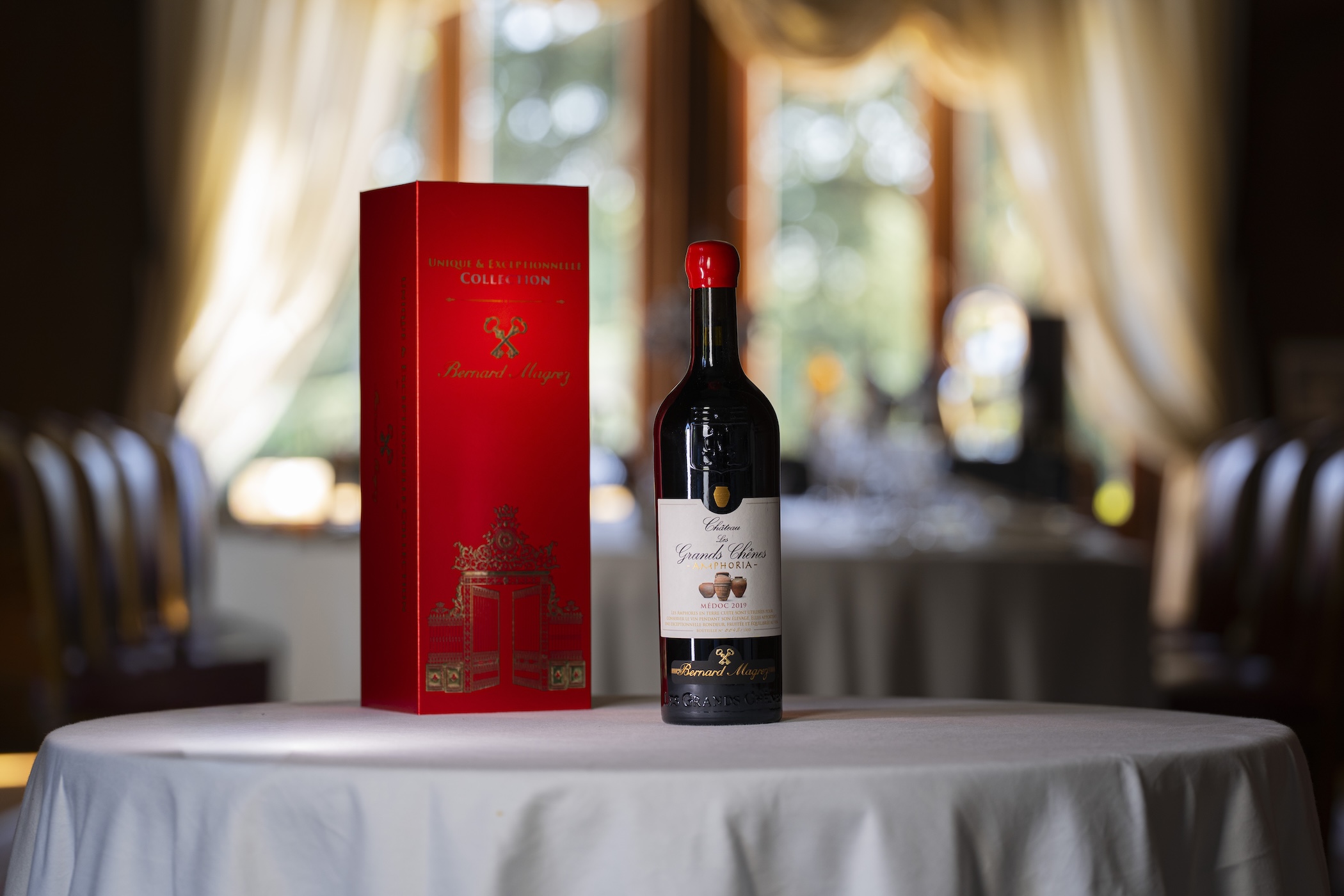
The core philosophy driving "Les Trésors" is to "interrogate" winemaking and terroir by subverting Bordeaux’s traditional "unwritten rules." This manifests in several innovative approaches:
-
Multi-Vintage Blends: Defying the single-vintage norm, several wines combine different harvest years. Examples include Cuvée 1252, a blend of the 2019 and 2022 vintages from Château Pape Clément, and Cuvée 1409, which similarly blends 2019 and 2022 from Château La Tour Carnet. More extensively, LGC6 from Château Les Grands Chênes marries six vintages (2005, 2009, 2011, 2012, 2015, 2016), while LTC5 from Château La Tour Carnet blends five (2005, 2009, 2010, 2012, 2016). This technique allows winemakers to achieve a desired style and consistency by leveraging the strengths of different years, offering a composite expression that transcends the variability of a single harvest. It also provides an opportunity to showcase the longevity and evolution of the estates’ wines over time in a novel format.
-
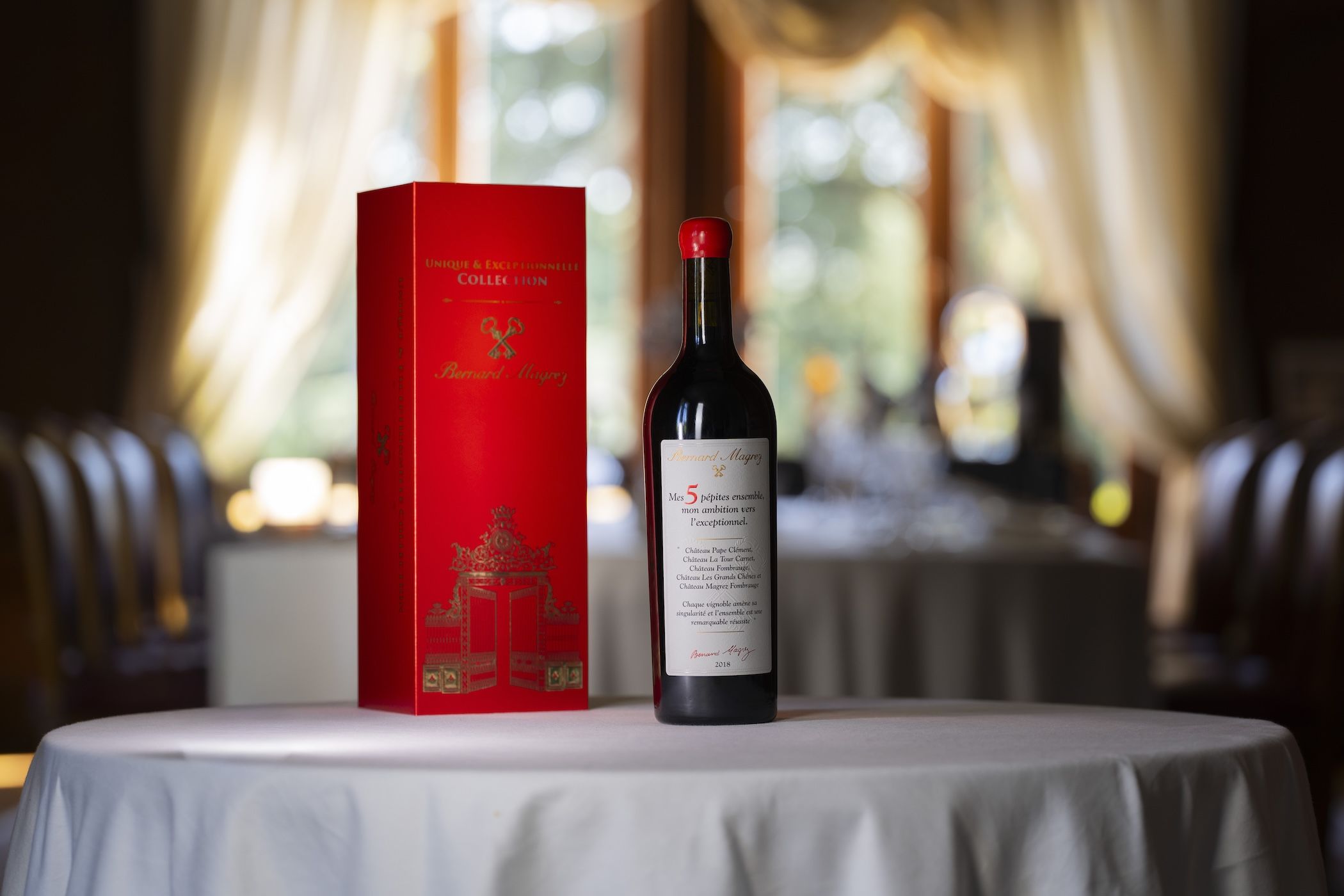
Multi-Château and Multi-Appellation Blends: Perhaps the most radical departure is the blending of wines from different classified estates and even across different appellations. "Mes 5 Pépites" (My 5 Nuggets) is a 2018 vintage blend uniting wines from five distinct Magrez properties: Château Pape Clément (Graves), Château La Tour Carnet (Haut-Médoc), Château Fombrauge (Saint-Émilion), Château Magrez Fombrauge (Saint-Émilion), and Château Les Grands Chênes (Médoc). This audacious blend, combining wines from both the Left Bank (Haut-Médoc, Médoc, Graves) and the Right Bank (Saint-Émilion), directly challenges the long-standing geographic and stylistic divisions of Bordeaux. It is important to note that such blends, particularly when crossing AOC boundaries, would necessitate labeling these specific cuvées as "Vin de Bordeaux" or "Vin de France" rather than under the more specific and prestigious Grand Cru Classé appellations of the individual châteaux. This strategic choice by Magrez underscores a prioritization of creative expression over strict adherence to traditional AOC classification for these unique bottlings, allowing for unprecedented freedom in blending.
-
Alternative Vinification and Aging: Breaking away from the ubiquitous French oak, "Cuvée Amphoria" from Château Les Grands Chênes is a parcel selection aged entirely in sandstone amphorae. The use of amphorae, an ancient winemaking vessel, has seen a resurgence globally, offering a micro-oxygenation effect similar to oak but without imparting oak flavors, allowing for a purer, unadulterated expression of fruit and terroir. This technique further diversifies the sensory profile of the range, appealing to those seeking different textural and aromatic nuances in their wines.
-
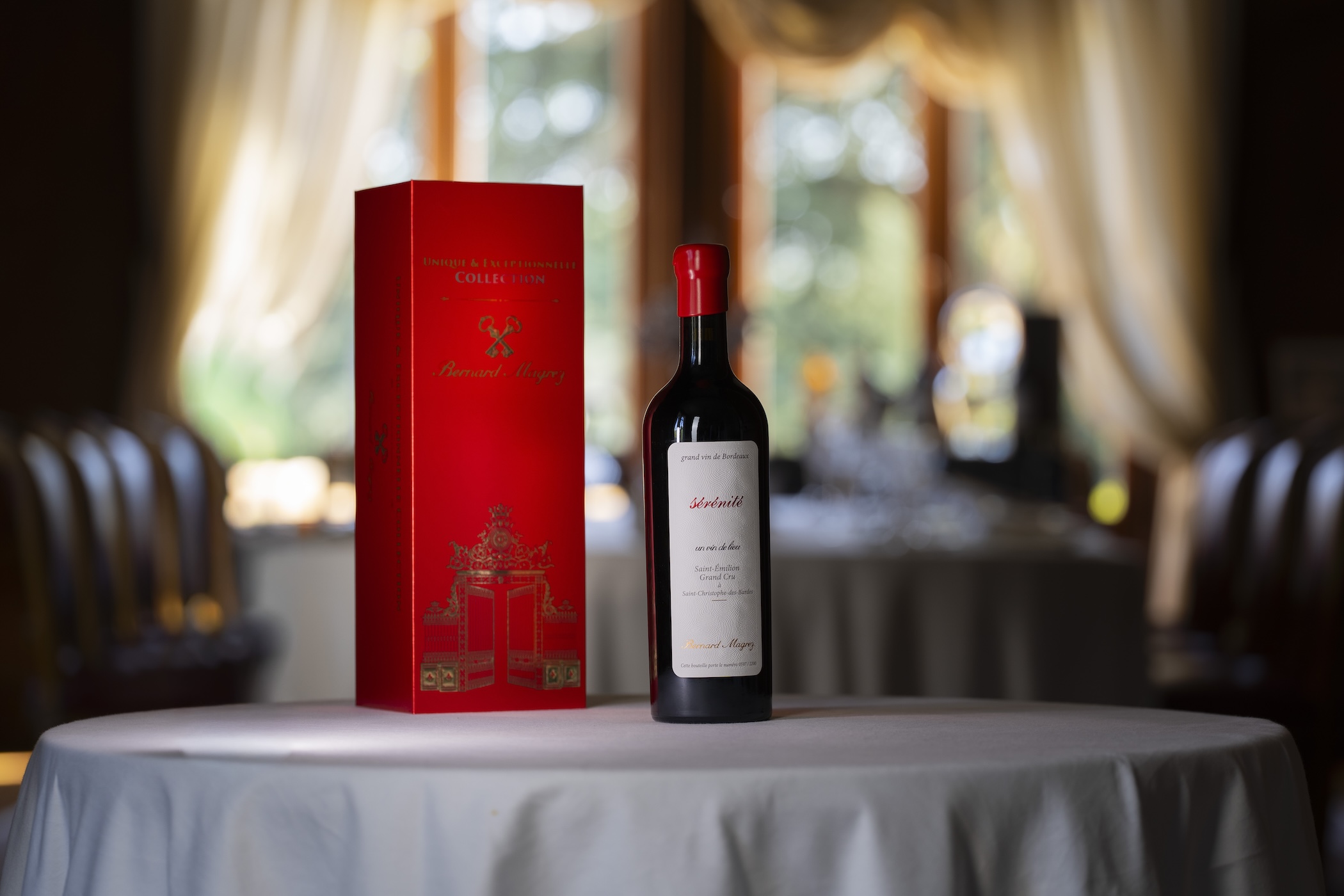
Hyper-Specific Parcel Selections: Wines like Confiance, Emotion, Sérénité, and Tempérance are meticulously selected from specific parcels by the viticultural teams at various Magrez estates across Haut-Médoc, Médoc, Saint-Émilion, and Pessac-Léognan. While parcel selection is a common practice, these wines elevate it to a distinct statement, highlighting minute variations in terroir and microclimates within larger estates, offering granular expressions rarely bottled individually.
The collection also includes special editions such as a distinctive white wine from Château Pape Clément and a select Sauternes from Clos Haut-Peyraguey. Crucially, the Magrez team intends for the range to be dynamic, with the composition and vintages used in certain blends evolving over time, ensuring continued novelty and discovery for collectors and enthusiasts.
Initial Reception and Broader Implications
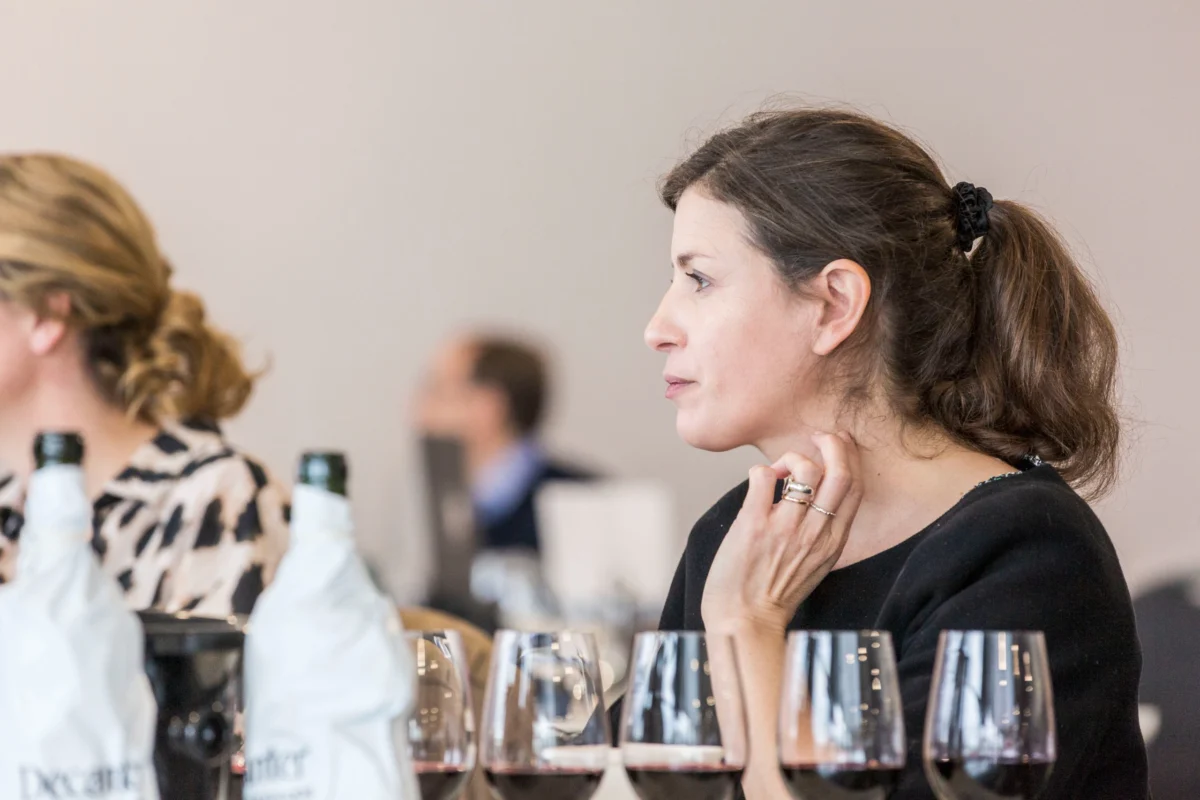
The initial unveiling of "Les Trésors" in Paris garnered considerable interest, with attendees, including industry critics and journalists, expressing surprise and enthusiasm. The eight wines sampled at the launch were described as "very solid," demonstrating that this innovative venture was not a hastily assembled experiment but a meticulously crafted collection. Particular commendation was given to Reconnaissance Blanc from Pape Clément, a selection from the estate’s finest white wine parcels, and "Mes 5 Pépites," noted for its classic pencil shavings aroma alongside a rich cluster of ripe forest fruits. Cuvée 1252 from Pape Clément and LTC5 from La Tour Carnet also impressed with their "gorgeously pure aromatics, fresh ripe fruits, wood spices, and gravelly wet stones characters."
The diverse pricing strategy, largely keeping the majority of bottles under €100 (with the notable exception of PC4), was also well-received. This approach makes the collection accessible to a wider segment of keen wine drinkers and collectors willing to explore beyond conventional offerings, rather than exclusively targeting the ultra-luxury market. It signifies a move towards democratizing premium Bordeaux experiences, albeit within a still elevated price bracket.
Philippe Magrez’s report of a "receptive audience" and his comment, "I never sold a range more easily," speak volumes about the market’s readiness for such innovation. This suggests that the Magrez family has accurately identified a latent demand for wines that offer a different narrative and sensory experience than traditional Bordeaux.
The launch of "Les Trésors de Bernard Magrez" has significant implications for the broader Bordeaux wine industry. While it may not instantly "solve all of Bordeaux’s problems," it represents a courageous step in the right direction. For a region often criticized for its conservatism and resistance to change, this initiative from one of its most established figures signals a potential shift. It provides a compelling case study for how heritage can be honored while simultaneously embracing modern consumer desires for uniqueness and experimentation. By demonstrating that "technically perfect isn’t more interesting" and that pleasure and discovery are paramount, Magrez is challenging other producers to reconsider their own approaches. The move is expected to spark debate among traditionalists, who might view it as a dilution of Bordeaux’s classic identity, and modernists, who will likely hail it as a necessary evolution.