admin
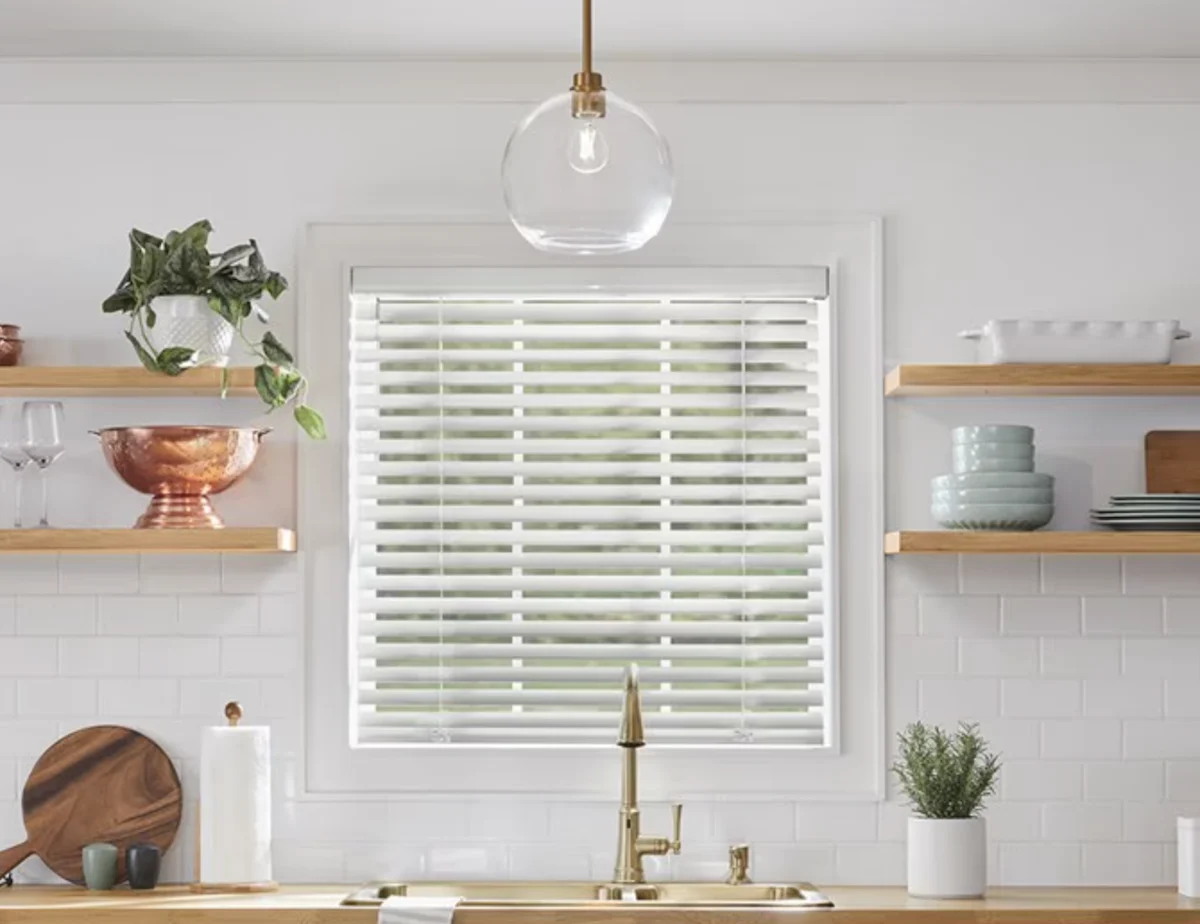
The global window covering market is currently undergoing a period of unprecedented expansion, driven by rapid urbanization, a surge in residential construction, and a growing consumer preference for energy-efficient home solutions. According to recent data from Market Research Future, the window blind sector was valued at approximately $75.48 billion in 2025. This figure is projected to reach $136.35 billion by 2035, representing a robust compound annual growth rate (CAGR). As blinds and shades continue to dominate the industry, outperforming traditional curtains and shutters in market share, understanding the diverse array of available options has become essential for homeowners and commercial developers alike.
The Anatomy of Modern Window Blinds
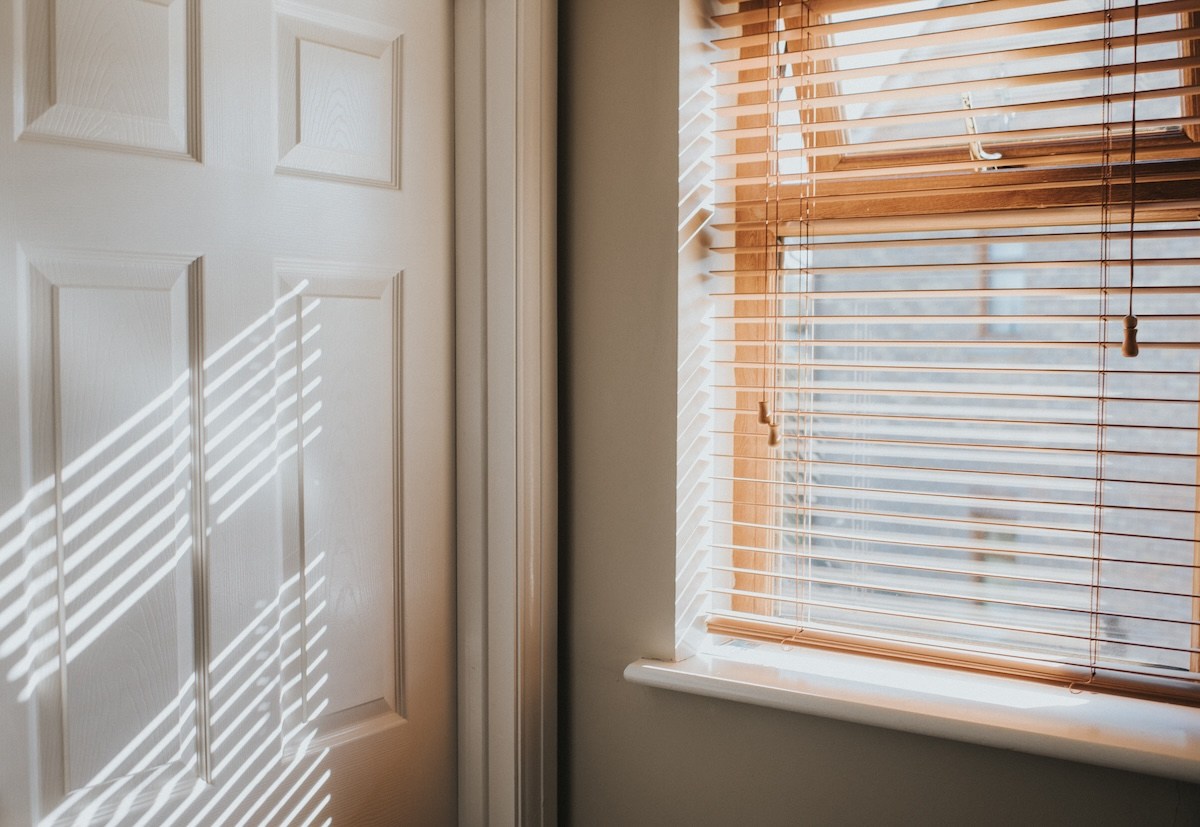
Before examining specific styles, it is necessary to understand the mechanical components that define modern window blinds. Unlike curtains, which are typically made of continuous fabric, blinds are "hard" window treatments composed of slats or vanes.
- The Headrail: This is the uppermost horizontal component that houses the operating mechanisms, including pulleys, cords, or motorized rollers. It provides the structural integrity required to support the weight of the slats.
- The Valance: A decorative attachment used to conceal the headrail and mounting brackets, ensuring a finished aesthetic.
- Slats or Louvers: These are the individual horizontal or vertical strips that make up the body of the blind. They can be tilted to adjust light levels or raised/lowered to control views.
- The Tilt Mechanism: Traditionally a wand or a set of cords, this component allows the user to rotate the slats. In modern "smart" systems, this is replaced by an internal motor.
- The Bottom Rail: A weighted bar at the base of the blind that ensures the slats hang evenly and provides a handle for cordless operation.
A Chronology of Window Treatment Evolution
The history of window blinds is a testament to human ingenuity in environmental control. While "Venetian" blinds are the most recognizable style, their origins likely trace back to ancient Persia. Traders brought these designs to Venice in the 18th century, where they were popularized across Europe.

In 1769, Edward Bevan received the first patent for a Venetian blind in London. The 19th century saw the introduction of heavy wooden slats, which were eventually replaced in the mid-20th century by lightweight aluminum, a byproduct of industrial advancements during World War II. The late 20th century introduced synthetic materials like PVC and vinyl, making window treatments accessible to a broader demographic. Today, the industry is defined by the "Smart Era," characterized by automation, cordless safety standards, and sustainable materials.
Detailed Classification of Window Blind Types
The selection of a window treatment depends on several factors: light control, privacy requirements, thermal insulation, and aesthetic compatibility.
1. Vertical Blinds
Vertical blinds feature slats that hang from a top track and slide from side to side. They are predominantly used for wide window spans and sliding glass doors. Because the slats hang vertically, they are less prone to dust accumulation compared to horizontal models. Modern iterations are available in fabric, vinyl, and faux wood, offering a balance between affordability and durability.
2. Venetian Blinds
Venetian blinds are the industry standard for horizontal window coverings. They consist of slats stacked one above the other, connected by cords or fabric "tapes." Their primary advantage is the precision of light control; by tilting the slats, a user can deflect direct sunlight while maintaining an exterior view.

3. Mini Blinds
A subset of the Venetian style, mini blinds feature slats that are typically one inch wide or less. Usually manufactured from aluminum or vinyl, they offer a low-profile look suitable for small windows or office environments. Their sleek design is often favored in contemporary minimalist architecture.
4. Natural Wood Blinds
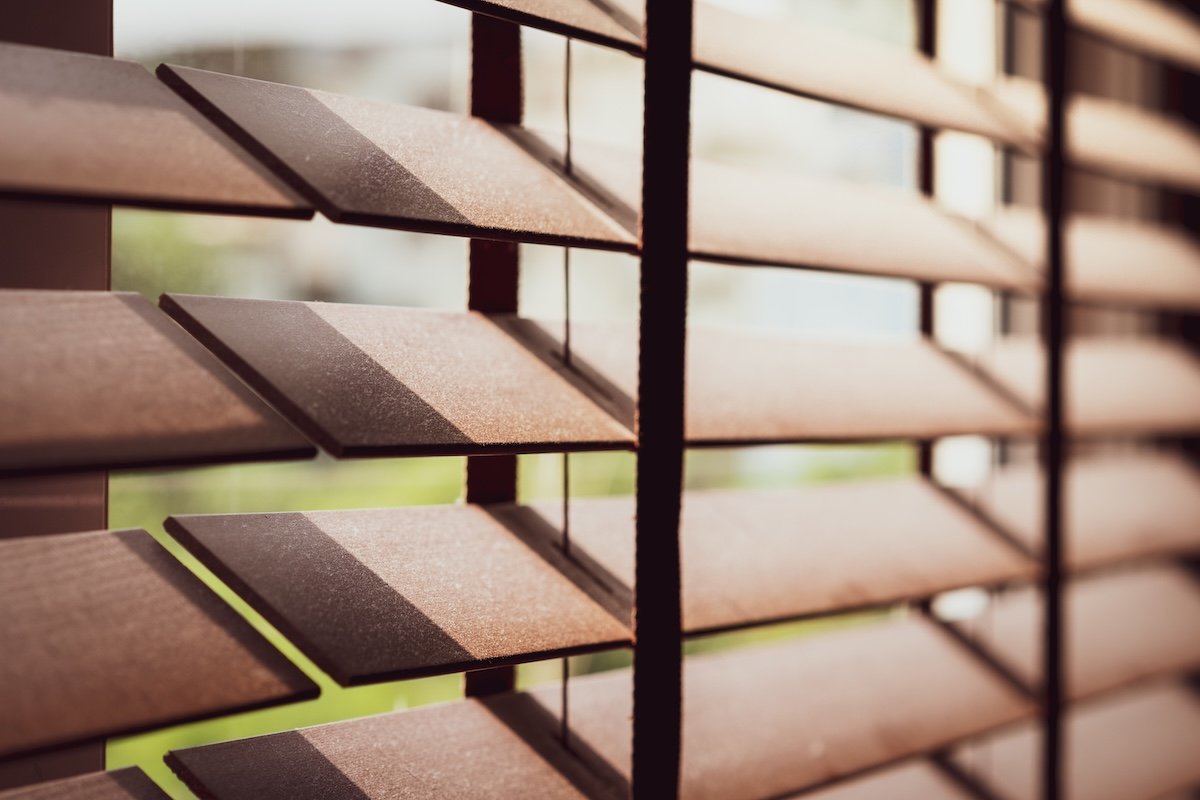
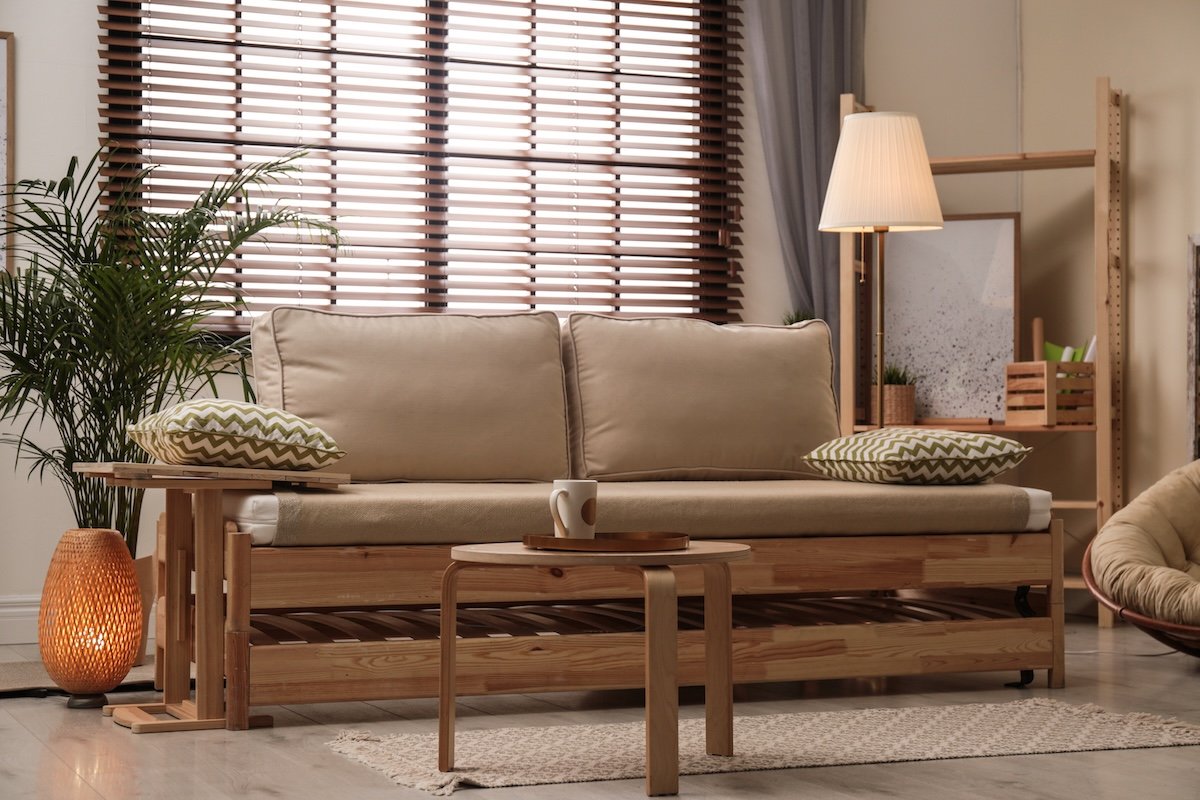
Wood blinds are considered a premium product, often crafted from sustainable hardwoods like basswood. They provide superior natural insulation and a timeless aesthetic. However, they are susceptible to warping in high-humidity environments like bathrooms or kitchens, leading many designers to recommend "faux wood" (a composite of PVC and wood flour) for those specific areas.
5. Aluminum Blinds
Known for their resilience, aluminum blinds are frequently treated with a "spring-tempered" finish that allows the slats to resist kinking or denting. They are particularly effective at reflecting solar heat, contributing to lower indoor temperatures during summer months.
6. Panel Track Blinds
Panel blinds are a modern alternative to vertical blinds. Instead of thin slats, they utilize large fabric panels that slide along a multi-track system. This design is highly favored for floor-to-ceiling windows and can also serve as a stylish room divider.

7. Roller Blinds and Shades
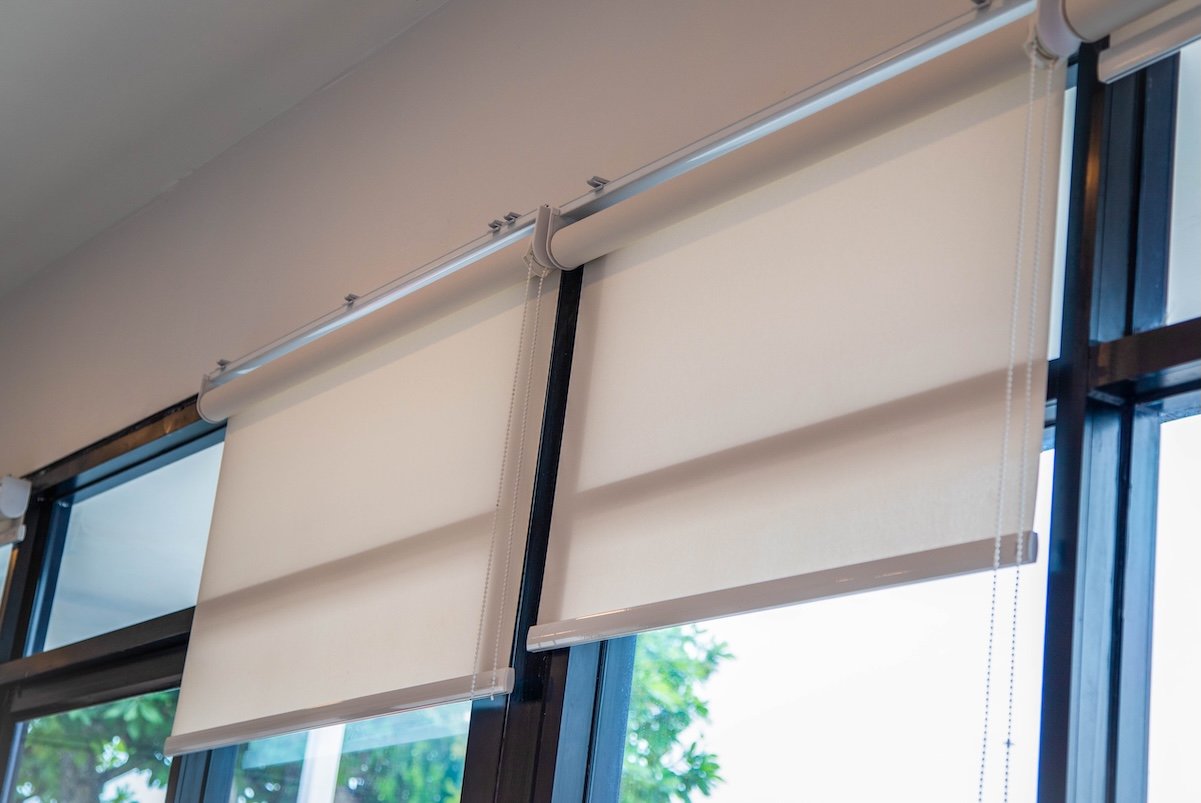
Technically classified as shades because they lack slats, roller blinds consist of a single piece of fabric that wraps around a dowel. They have seen a resurgence in popularity due to the "clean" look they provide when fully retracted. They are available in various "opacities," from sheer solar screens to total blackout fabrics.
8. Matchstick and Bamboo Blinds
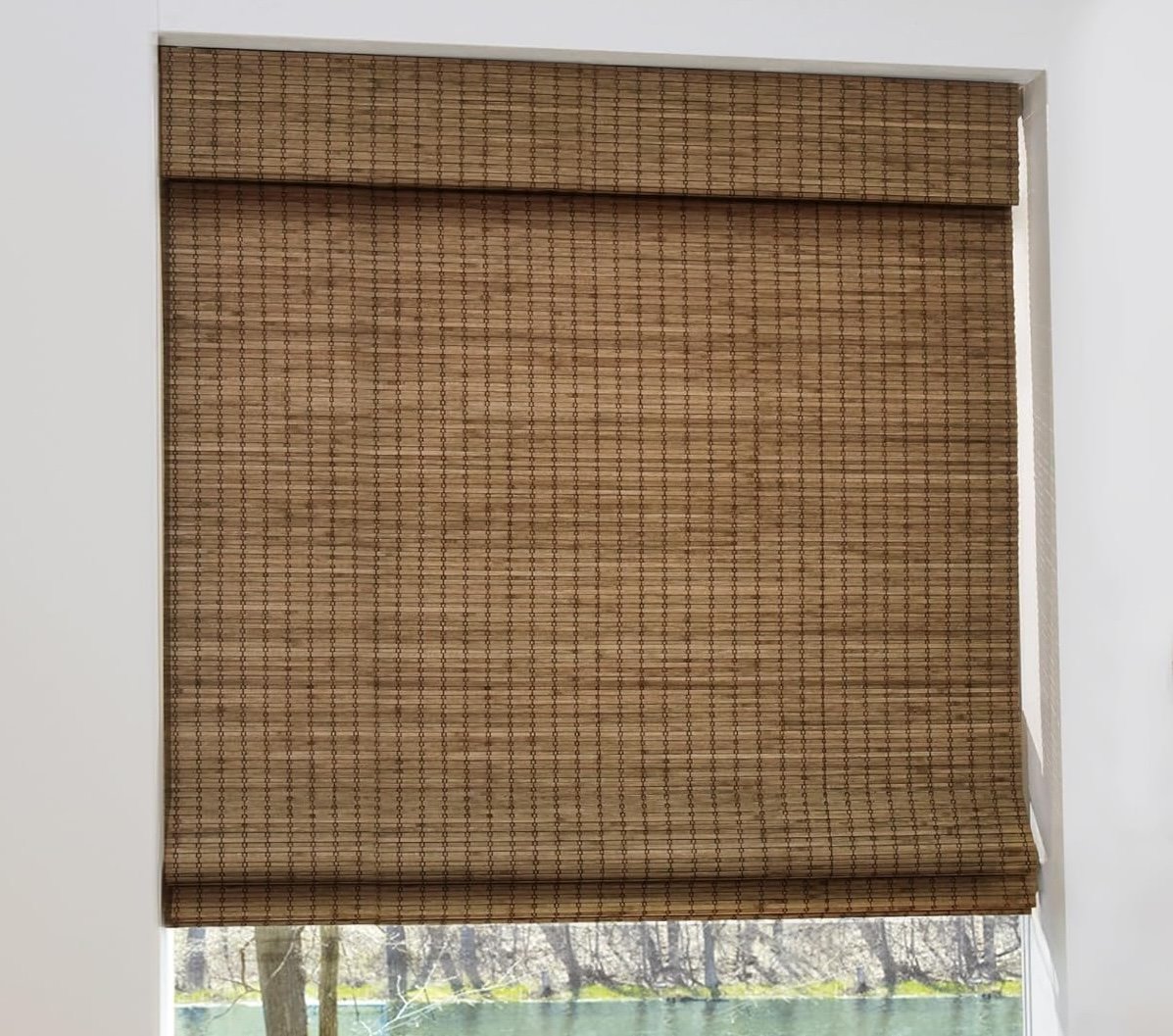
Reflecting a move toward biophilic design, matchstick blinds are woven from natural reeds, grasses, or bamboo. They offer a unique texture and a "filtered" light effect that mimics the dappled sunlight found in nature.

9. Zebra (Dual) Blinds
Zebra blinds are an innovative hybrid of roller shades and horizontal blinds. They utilize two layers of fabric with alternating sheer and opaque stripes. By adjusting the position of the layers, the user can transition from a transparent view to a private, solid screen.
10. Honeycomb (Cellular) Blinds
Honeycomb blinds are engineered for maximum energy efficiency. Their unique "cell" structure traps air, creating a thermal barrier between the window glass and the room’s interior. Data suggests that high-quality cellular shades can reduce heat loss through windows by up to 40%.
11. Pleated Blinds
Similar in appearance to honeycomb blinds but consisting of a single layer of folded fabric, pleated blinds offer a crisp, accordion-like aesthetic. While they lack the thermal properties of cellular shades, they are often more cost-effective.
Technological Integration: The Rise of Motorization
The shift toward "Smart Homes" has revolutionized the window treatment industry. Motorized blinds can now be integrated into home automation systems like Amazon Alexa, Google Home, or Apple HomeKit. These systems allow for "scene setting"—for instance, blinds can be programmed to close automatically when the sun is at its zenith to prevent UV damage to furniture and reduce cooling costs.
Industry analysts from Global Market Insights note that the motorized segment is expected to witness the highest growth rate through 2035. This is attributed not only to convenience but also to a global push for "Universal Design," which ensures that homes are accessible to individuals with limited mobility who may struggle with manual cords.
Safety Regulations and Official Responses
The window covering industry has faced significant regulatory scrutiny regarding child safety. For decades, looped pull cords were identified as a strangulation hazard for infants and toddlers.

In response, the Window Covering Manufacturers Association (WCMA) and the American National Standards Institute (ANSI) updated safety standards in 2018 and again in 2024, mandating that the vast majority of window products sold in the U.S. and Canada must be cordless or have inaccessible cords. The Consumer Product Safety Commission (CPSC) has praised these moves, noting a steady decline in cord-related accidents as older, corded models are phased out of the market.
Environmental Impact and Sustainability
As sustainability becomes a core tenant of modern construction, the materials used in blinds are under the microscope. There is a growing market for "Eco-Blinds" made from recycled ocean plastics or FSC-certified wood. Furthermore, the energy-saving potential of blinds is being factored into LEED (Leadership in Energy and Environmental Design) certifications for commercial buildings. By reducing the "solar heat gain coefficient" of a building, high-performance blinds significantly lower the carbon footprint associated with HVAC usage.

Conclusion and Future Outlook
The window blind is no longer merely a functional necessity; it is a sophisticated tool for environmental management and interior expression. From the rustic charm of matchstick shades to the high-tech efficiency of motorized cellular blinds, the options available to the modern consumer are vast and technically advanced.
As the market approaches its projected $136 billion valuation by 2035, the focus will likely shift even further toward sustainable manufacturing and seamless digital integration. For the homeowner, the primary challenge remains balancing aesthetic desires with the practical needs of light control, safety, and energy conservation. By understanding the mechanical and material differences between these fourteen types of blinds, consumers can make informed decisions that enhance both the value and the comfort of their living spaces.