admin
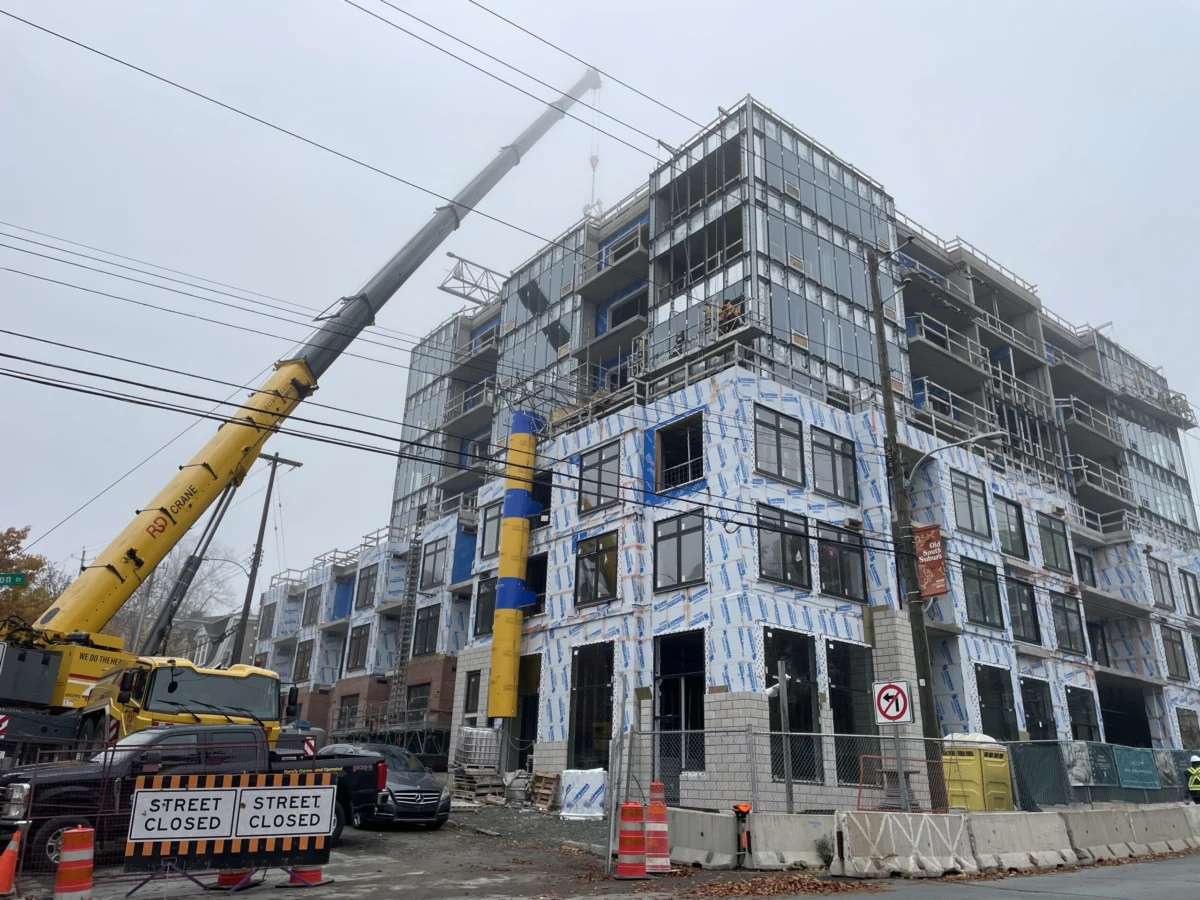
Halifax, Nova Scotia – The provincial government of Nova Scotia has announced a significant extension of its development fee freeze within the Halifax Regional Municipality (HRM) and for Halifax Water until 2029, a decision that has immediately sparked concern among municipal councillors regarding the future funding of critical infrastructure upgrades amidst rapid urban growth. The freeze, originally instituted in 2023, is being continued, according to provincial officials, to ensure housing affordability and to meet conditions tied to substantial federal funding.
The announcement, made on Thursday, November 5, 2026, by Municipal Affairs Minister John A. MacDonald, outlined that the existing freeze on all development-related fees would remain in effect for another three years. MacDonald stated that this measure was designed to provide predictability for developers, thereby influencing the affordability of housing units for prospective buyers and renters. "It’s not a full freeze, it’s not an unlock either, but this is going to allow developers to plan and know what it’s going to (be)," Minister MacDonald explained. "Which means people who are buying those houses, renting those apartments, actually have an idea of what the rents are going to be like."
A key rationale presented by the province for extending the freeze is its connection to federal funding. Minister MacDonald explicitly linked the decision to securing a substantial sum, stating, "I’m not going to give up $366 million of federal money. And the federal government has made it clear this has to be (part of the deal)." While the specific federal program was not detailed, such conditions are typically associated with initiatives like the federal Housing Accelerator Fund or other housing infrastructure programs designed to incentivize municipalities to expedite housing development and reduce costs. These programs often stipulate that recipient municipalities must demonstrate efforts to reduce barriers to construction, including potentially freezing or lowering development charges.
Understanding Development Charges and Their Role
Development charges, also known as development levies or impact fees, are financial contributions collected by municipalities from developers when new construction takes place. These fees are crucial for financing the expansion or upgrade of municipal infrastructure and services necessitated by population growth and new development. The principle behind these charges is "growth pays for growth," aiming to ensure that the costs associated with expanding public services to new communities do not disproportionately burden existing taxpayers.
The revenue generated from development charges is typically earmarked for a wide array of public infrastructure projects. This includes essential services such as water and wastewater treatment facilities, stormwater management systems, roads, public transit infrastructure, parks and recreational facilities, community centers, libraries, and even portions of emergency services like fire stations and police infrastructure. Without these fees, the financial responsibility for these expansions often falls directly onto the general property tax base, meaning existing residents and businesses would bear a larger share of the costs for new development.
HRM’s Rapid Growth and Infrastructure Strain

Halifax Regional Municipality has experienced unprecedented population growth in recent years, consistently ranking among Canada’s fastest-growing urban centers. This demographic surge, driven by both interprovincial migration and international immigration, has placed immense pressure on the municipality’s existing infrastructure. Housing starts have struggled to keep pace with demand, leading to a severe housing crisis characterized by escalating rents and home prices.
While the province’s stated goal is to enhance affordability, HRM councillors contend that the freeze severely hampers their ability to manage this growth effectively. A recent staff report from the municipality indicated that Halifax already boasts some of the lowest development fees in the country compared to other major Canadian cities. This existing low baseline means that HRM collects less revenue per new unit of development, making it more challenging to fund the corresponding infrastructure needs even without a freeze.
Municipal Concerns: A "Rock and a Hard Place"
The reaction from regional councillors has been one of deep concern and frustration. They argue that the extended freeze places HRM in a precarious financial position, forcing difficult decisions in upcoming budget deliberations. "It puts us between a rock and a hard place," stated District 10 Councillor Kathryn Morse. She elaborated on the fundamental dilemma: "You have to get revenue from somewhere. It comes from taxes or fees. So if fees aren’t going up, taxes will probably have to go up instead." This sentiment highlights the direct trade-off faced by the municipality – if developers are not contributing adequately to growth-related infrastructure, the burden inevitably shifts to the property taxpayers.

Deputy Mayor Patty Cuttell voiced an even more urgent concern, emphasizing the immediate strain on the municipality. "We need housing, we need the transit," she acknowledged, but quickly added, "We are already at a breaking point. I can feel the pressure of growth and… I’m seeing the cracks now. So this isn’t a future state that we need to address, it’s today." Cuttell’s remarks underscore that Halifax’s infrastructure challenges are not hypothetical future problems but present realities, with existing systems already struggling to cope with the burgeoning population. Anecdotal evidence of overcrowded public transit, traffic congestion, and strain on public services often accompanies such rapid growth without proportional infrastructure investment.
The implications for HRM’s upcoming budget process are profound. Councillors anticipate having to make tough choices, potentially leading to service reductions, deferral of essential infrastructure projects, or significant increases in property taxes for residents and businesses. Projects like road maintenance, upgrades to water and sewer lines in rapidly developing areas, and the construction of new recreational facilities could be delayed or scaled back, impacting the quality of life for all Halifax residents.
Stakeholder Perspectives: Developers, Environmentalists, and the Public
The extended freeze elicits varying reactions from other key stakeholders:

- Developers: While not directly quoted in the initial report, the development industry typically advocates for lower development charges, viewing them as a significant upfront cost that can impede project viability and increase the final price of homes. From their perspective, a freeze provides cost predictability and potentially makes more projects financially feasible, which could, in theory, translate to more housing units being built faster. This aligns with the province’s stated goal of accelerating housing supply and improving affordability.
- Ecology Action Centre: Jillian Ramsay, the sustainable cities program manager with the Ecology Action Centre, strongly believes the freeze will ultimately hurt taxpayers. "So things like fire stations, community centres, parks, and more are all built using the development charges," Ramsay explained. "If the developers aren’t paying for it, the taxpayers will." The organization often champions the "growth pays for growth" principle, arguing that underfunding infrastructure through development charges can lead to unsustainable sprawl, increased reliance on private vehicles, and a lack of green spaces and community amenities in new developments, thereby undermining efforts to build sustainable cities.
- Federal Government (Inferred): The federal government’s perspective, as articulated by Minister MacDonald, centers on accelerating housing supply and improving affordability across the country. Programs like the Housing Accelerator Fund typically offer significant financial incentives to municipalities that commit to specific actions, which can include streamlining permitting processes, increasing density, and, notably, addressing financial barriers like development charges. The $366 million mentioned by the province suggests a substantial federal investment aimed at these objectives.
Mayor Fillmore’s Perspective and Alternative Funding Avenues
Halifax Mayor Andy Fillmore offered a more nuanced view, acknowledging the province’s stated goal of benefiting affordability while expressing confidence in the municipality’s ability to navigate the challenge. He reiterated his commitment to finding alternative funding sources to supplement infrastructure needs. "As always, I will continue to… push our municipality to supplement our infrastructure funding through other sources, whether it’s another order of government or even if it’s in coordination and partnership with the private sector," Mayor Fillmore told Global News.
The Mayor’s comments suggest an openness to exploring avenues such as additional federal or provincial grants that are not contingent on development fee freezes, as well as innovative public-private partnerships (P3s) for specific infrastructure projects. P3s involve collaboration between a government agency and a private sector company for the financing, building, and/or operation of public assets. While these can provide alternative capital, they also come with their own complexities and potential costs. Other potential solutions might include land value capture mechanisms, where the increase in land value due to public infrastructure investment is partially recouped to fund further development, though these are often complex to implement.
Broader Implications and The Path Forward

The extended development fee freeze carries several broader implications for HRM and the province:
- Financial Sustainability of HRM: The decision could strain HRM’s financial capacity over the long term, potentially leading to increased reliance on property taxes, service cuts, or accumulated infrastructure deficits that become more costly to address in the future.
- Equity and Fairness: The debate raises questions of intergenerational equity and fairness. If new development is not adequately contributing to the infrastructure it requires, existing residents could be left to subsidize the growth, potentially facing higher taxes or reduced services.
- Urban Planning and Development Quality: Underfunded infrastructure can compromise the quality of new developments. Without sufficient investment in public transit, parks, and community facilities, growth may lead to less livable communities, increased traffic, and reduced public amenities.
- Intergovernmental Relations: The provincial intervention in municipal fee structures, even with federal funding incentives, highlights the complex power dynamics between different levels of government and can sometimes be perceived as impinging on municipal autonomy.
- Affordability vs. Responsibility: The core tension lies in balancing the immediate goal of housing affordability with the long-term responsibility of ensuring robust and sustainable municipal infrastructure. Whether the freeze truly translates into lower housing costs for consumers or primarily benefits developers remains a subject of ongoing debate.
As HRM heads into its next budget cycle, the extended freeze will undoubtedly be a central point of contention. Councillors will be tasked with the unenviable challenge of finding creative solutions to fund essential services and infrastructure while adhering to provincial directives. The decision underscores the intricate web of policies, funding mechanisms, and competing priorities that shape urban development and affordability in Canada’s rapidly evolving municipal landscape. The next few years will test HRM’s fiscal resilience and its ability to innovate in the face of significant financial constraints, all while striving to accommodate unprecedented growth.