admin
The American culinary landscape is currently witnessing a sophisticated transformation of a regional classic: beer cheese. Historically defined as a tangy, spreadable snack originating from the Bluegrass State, the category is being redefined by a new generation of farmstead cheesemakers and craft brewers. This evolution represents a shift from using beer as a flavoring agent in processed spreads to incorporating it as a fundamental component of the cheesemaking process. By blending the microbial science of fermentation with traditional dairy craftsmanship, these producers are creating a new tier of artisanal products that reflect regional identities and the growing consumer demand for traceability and collaboration.
The Historical Foundation: From Kentucky Riverbanks to Modern Revival
The origins of beer cheese are rooted in the 1940s along the banks of the Kentucky River in Clark County. Johnny Allman is widely credited with first serving the golden-orange spread at his namesake restaurant, which has since evolved into Howard’s Creek. According to Kathy Gorman Archer, president of Howard’s Creek Authentic Beer Cheese, the original recipe was born out of a mid-century necessity for sustainability. The primary ingredients were leftover sharp cheddar cheese and surplus beer, spiked with cayenne pepper and garlic to reflect a growing American interest in "southwestern flair."
For decades, this "Kentucky-style" beer cheese remained the industry standard—a cold-pack cheese food intended as a dip for crackers or vegetables. However, in 2006, Archer revived the brand to widespread acclaim, signaling a renewed interest in the product’s heritage. While the traditional spreadable model persists, the contemporary movement has moved toward "inclusion" cheeses, where beer is introduced during the vat stage of production, fundamentally altering the texture and chemical profile of the final wheel.
Technical Innovations in the Vat: The Science of Beer and Curd
The integration of beer into cheesemaking is a complex exercise in pH management and enzymatic activity. In traditional cheesemaking, milk typically maintains a pH between 6.4 and 6.8. The introduction of beer, which is significantly more acidic, can disrupt the binding of curds if not handled with precision. Rynn Caputo, co-founder of Caputo Brothers Creamery in Spring Grove, Pennsylvania, notes that if the pH levels drop too low (below 4.0), the resulting cheese becomes rubbery; conversely, if the pH remains too high (above the low 5.0s), the curds fail to bind.
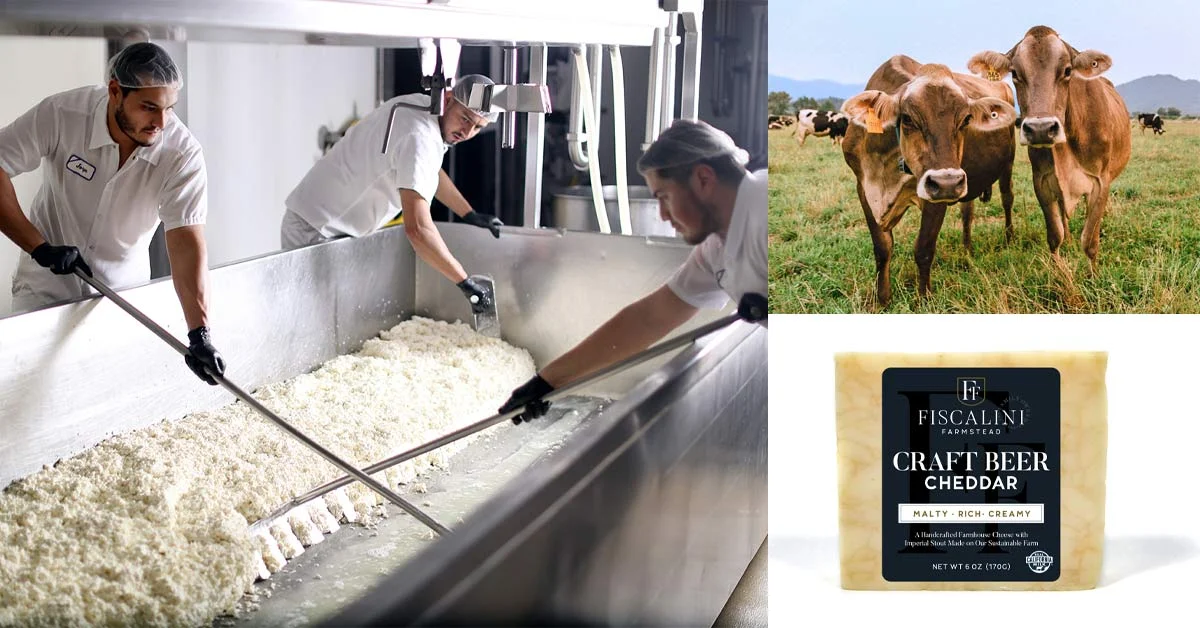
At Fiscalini Farmstead in Modesto, California, cheesemaker Alex Borgo describes the process as a "culinary collaboration where the artistic work of brewmasters and cheesemakers collide." During the brewing process, malted barley is heated to activate enzymes; similarly, in the creamery, Borgo selects specific starter cultures to activate the separation of curds from whey. When making Fiscalini’s Craft Beer Cheddar, which utilizes Dust Bowl Brewing’s Black Blizzard Imperial Stout, the beer is mixed with the curds before they are formed into 40-pound blocks. The blocks are then pressed overnight, a process that infuses the roasted notes of coffee and chocolate throughout the cheese’s mottled structure.
Regional Chronology: The Rise of Farmstead Collaborations
The timeline of modern beer cheese is marked by key regional milestones that have shifted the product from the deli counter to the artisanal cheese board.
The Pacific Northwest: Rogue Creamery’s Organic Integration
In the early 2000s, Oregon’s Rogue Creamery—famed for its world-class blue cheeses—began experimenting with beer infusions. Although Rogue Ales and Rogue Creamery are separate entities, they shared a long-standing collaborative history. For nearly a decade, the creamery has produced a Chocolate Stout Cheddar in partnership with Portland’s Hopworks Brewery. This collaboration was driven by a commitment to organic sourcing, pairing a certified organic brewery with an organic dairy.
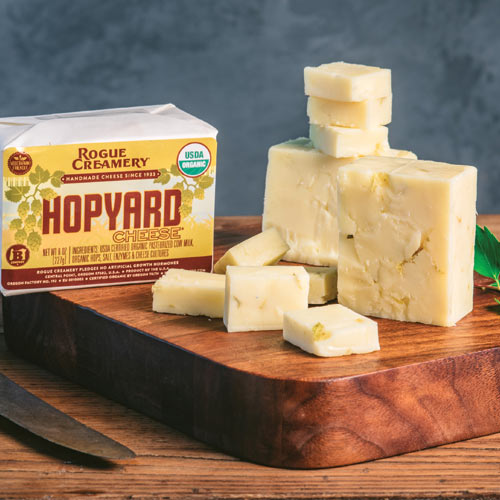
Marguerite Merritt, Rogue Creamery’s brand manager and a certified sommelier, explains that the goal is not to make the cheese taste exactly like the beer, but to achieve a "sweet, malty, and marbled effect." This experimentation led to the creation of "Hopyard," a cheddar where fresh, local Northwest-grown hops are mixed directly with the curds, bypassing the liquid beer entirely to highlight the floral bitterness and citrus notes typical of West Coast IPAs.
The Mid-Atlantic: Caputo Brothers and the Tröegs Partnership
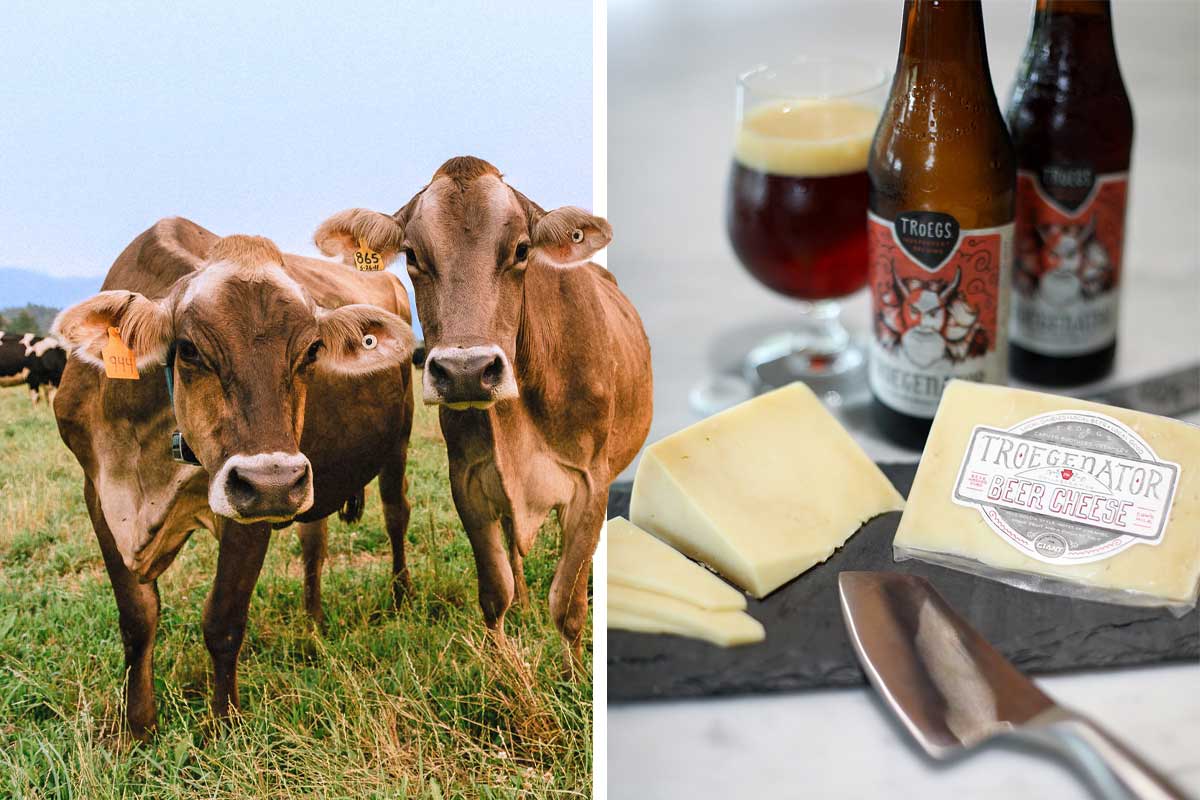
In 2011, Caputo Brothers Creamery focused exclusively on Italian-style cheeses. However, a proposition from the Pennsylvania grocery chain Giant Food Stores led to a landmark partnership with Tröegs Independent Brewing. The goal was to create a product with a direct regional impact, utilizing dairy farms located geographically between the brewery and the creamery.
The collaboration resulted in cheeses infused with Tröegs’ most iconic labels, including Troegenator (a Double Bock) and Mad Elf (a Belgian Holiday Ale). The Mad Elf variant involves marinating the curd in the 11% ABV ale before rubbing a mixture of cocoa, cinnamon, espresso, and more beer into the rind. This intensive process creates a cheese with the visual appearance of chocolate cake and a complex flavor profile that appeals to both craft beer enthusiasts and gourmet food consumers.
The Midwest: Urban Innovation and Washed-Rind Techniques
In the Midwest, the movement has taken a dual approach: fresh "Kentucky-style" spreads and European-influenced washed-rind cheeses. Indianapolis-based Tulip Tree Creamery utilizes a Dutch-inspired method of washing cheese rinds with a brine of bacteria cultures, beer, water, and salt. Co-owner Laura Davenport highlights collaborations with local breweries like Sun King and 3 Floyds, noting that lower-IBU beers, such as the JinxProof Pilsner, often yield better results for cheese than highly bitter IPAs.
In Cincinnati, Urban Stead Cheese, which opened in 2018, honors the city’s German heritage by producing a fresh, Kentucky-style beer cheese using Braxton Brewing’s Storm Golden Cream Ale. Unlike aged cheddars, this fresh cheese is ready for market within days, providing a critical cash-flow balance for the creamery while offering a versatile product that chefs use for stuffing pasta or baking.
Supporting Data and Market Implications
The growth of the beer cheese category mirrors broader trends in the U.S. food and beverage sector. According to data from the Brewers Association, there are more than 9,000 craft breweries operating in the United States as of 2024. Simultaneously, the American Cheese Society has reported a steady increase in the number of farmstead and specialty cheesemakers.
The synergy between these two industries provides several strategic advantages:
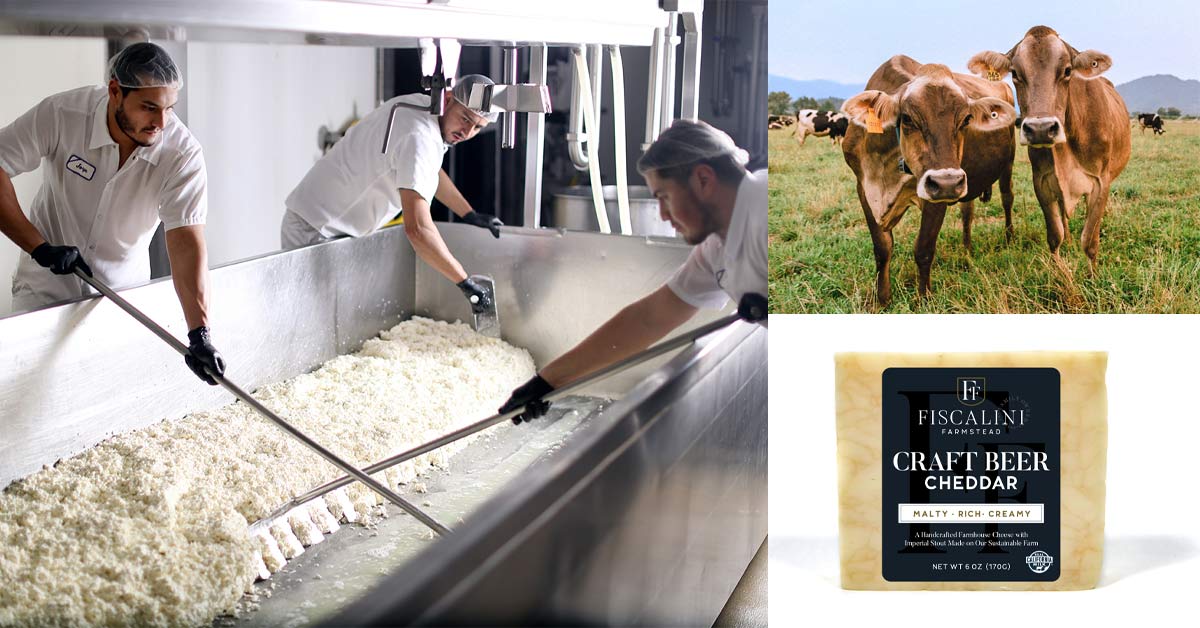
- Traceability: Consumers increasingly demand "farm-to-table" transparency. Collaborations like Fiscalini’s, which uses milk from its own 110-year-old dairy farm and beer from a brewery 20 minutes away, satisfy this demand.
- Brand Cross-Pollination: By co-branding products, creameries and breweries tap into each other’s loyal fan bases. The "Mad Elf" cheese, for instance, became one of Tröegs’ most successful social media campaigns, driving sales in both the dairy and alcohol aisles.
- Economic Sustainability: Fresh beer cheeses, like the quark-based versions from Urban Stead, allow creameries to generate revenue quickly while their long-term assets (like clothbound cheddars) age for 18 to 24 months.
Analysis of Broader Impact
The transformation of beer cheese represents more than just a culinary trend; it is a manifestation of the "circular economy" within regional agriculture. By utilizing brewery products—and in some cases, byproducts—cheesemakers are creating value-added goods that strengthen the local economic web.
Furthermore, the shift toward inclusion cheeses and washed-rind varieties marks the maturation of the American palate. No longer satisfied with the neon-orange, shelf-stable tubs of the past, consumers are seeking products that offer complexity, terroir, and a story. The move toward using specific beer styles—stouts for creaminess, IPAs for floral notes, and bocks for sweetness—demonstrates a level of intentionality that aligns beer cheese with other high-end fermented products like kombucha, sourdough, and craft chocolate.
As the industry continues to evolve, the "custom cheesemaker" model pioneered by Rynn Caputo suggests a future where every local brewery might have a dedicated cheese pairing produced by a nearby artisan. This localized approach not only preserves the heritage of beer cheese but ensures its relevance in a modern, quality-focused market.
Conclusion
From its humble beginnings as a way to use up leftover bar snacks in Kentucky to its current status as a showcase for microbial artistry, beer cheese has undergone a remarkable journey. The collaborations between dairies like Fiscalini, Rogue, and Caputo Brothers and their respective brewing partners have elevated the category into a respected discipline within the broader world of fermented foods. As these producers continue to experiment with pH levels, hop varieties, and aging techniques, the line between the brewhouse and the creamery will continue to blur, much to the benefit of the American consumer.