admin
The holiday season, a time often defined by shared joy and family reunions, unfolds with a remarkable diversity of customs and celebrations across the globe. While the core sentiment of goodwill and festivity remains universal, the ways in which different cultures mark Christmas reveal a rich tapestry of history, belief, and local adaptation. From the unexpected culinary choices in Japan to the spirited gatherings in Scotland and the sun-kissed celebrations in Australia, this exploration delves into the unique traditions that define Christmas in various corners of the world, offering a comprehensive look at the yuletide spirit as experienced by billions.

The Essence of Festive Fusion: Embracing a Multicultural Christmas
For many, the contemporary Christmas experience is increasingly shaped by globalization and personal heritage. The initial account highlights a particularly compelling example: an Italian living in France with a British husband who creatively blends traditions from each culture to forge a unique festive identity. This approach of "mixing and matching" reflects a growing trend where individuals, especially those living far from their ancestral homes, actively construct their own holiday rituals. This fusion often involves embracing elements such as French oysters and Champagne on Christmas Eve, followed by an Italian feast and the quintessential British Christmas crackers. The preference for a simple Italian pandoro over the traditional British Christmas pudding further illustrates this personalized approach to holiday gastronomy. This practice of cultural amalgamation is not merely a matter of personal preference; it speaks to the enduring human desire to connect with heritage while simultaneously forging new, shared memories, especially poignant during a time often associated with home and family.
Culinary Traditions: A Feast for the Senses Around the World
The act of sharing a meal is central to most Christmas celebrations, and the specific dishes served often carry deep cultural and historical significance.

Japan: The Unconventional Embrace of Kentucky Fried Chicken
In Japan, Christmas is not a national holiday, yet its festive spirit has been uniquely embraced through a highly successful marketing campaign that has transformed a global fast-food chain into a quintessential holiday tradition. Since its introduction in 1974, Kentucky Fried Chicken (KFC) has become the go-to Christmas meal for many Japanese families. The slogan "Kentucky for Christmas" resonated deeply, leading to a phenomenon where pre-ordering KFC weeks in advance is often necessary to secure a festive bucket of fried chicken. This tradition, born from a pragmatic marketing strategy, has evolved into a deeply ingrained cultural practice, complete with special Christmas meal packages that historically included a bottle of wine. Complementing this savory tradition, Japanese Christmas cakes, typically a strawberry shortcake featuring layers of sponge, whipped cream, and fresh strawberries, have also become a beloved festive treat. The widespread adoption of KFC for Christmas in Japan is a powerful testament to how commercial enterprises can influence and reshape cultural norms, creating entirely new, albeit unconventional, holiday rituals.
Italy: A Culinary Spectacle and the Whimsical Legend of La Befana
Food plays an indispensable role in Italian Christmas celebrations, with regional variations contributing to a rich gastronomic landscape. Christmas Eve, known as La Vigilia, is often the focal point for elaborate meals, particularly in the southern regions. The tradition of "The Feast of the Seven Fishes," though not always strictly adhered to in terms of number, emphasizes a predominantly fish-based menu, a nod to the religious observance of abstaining from meat on this holy night. In the author’s family, a remarkable twelve different dishes, primarily seafood, are prepared for Christmas Eve dinner, culminating in traditional desserts and a lively game of tombola (Italian bingo). Beyond the culinary delights, Italy holds a unique place for La Befana, a benevolent, witch-like figure who, according to folklore, rides a broomstick on the night of January 5th, delivering gifts to children on the morning of Epiphany (January 6th). Well-behaved children receive sweets and presents, while those who have been less than exemplary might find lumps of coal – though modern interpretations often involve sweet, sugary charcoal. This blend of feasting and folklore underscores the multifaceted nature of Italian Christmas traditions, celebrating both earthly pleasures and enchanting legends.

Australia: Summer Celebrations and the Joy of the Outdoors
In stark contrast to the snowy scenes often depicted in Northern Hemisphere Christmas imagery, Australia experiences the holiday season during its peak summer. This climatic difference profoundly influences the nature of celebrations, shifting the focus to outdoor activities, beaches, and al fresco dining. The traditional Australian Christmas lunch typically features a generous spread of fresh seafood, cold roast ham, an array of vibrant salads, and the iconic pavlova for dessert. As senior commerce writer Lauren Burvill notes, post-lunch activities often include backyard cricket matches or, for the fortunate, games played on the beach. The image of Santa Claus arriving via an inflatable rescue boat from a local surf club is a quintessential Australian yuletide scene. The celebratory spirit extends beyond Christmas Day, with Boxing Day often marked by the nation’s beloved pastime: watching the cricket or the thrilling Sydney to Hobart yacht race. These traditions highlight Australia’s unique embrace of its summer climate, infusing Christmas with a distinctly relaxed and sun-drenched character.
Peru: Nochebuena and the Midnight Revelry
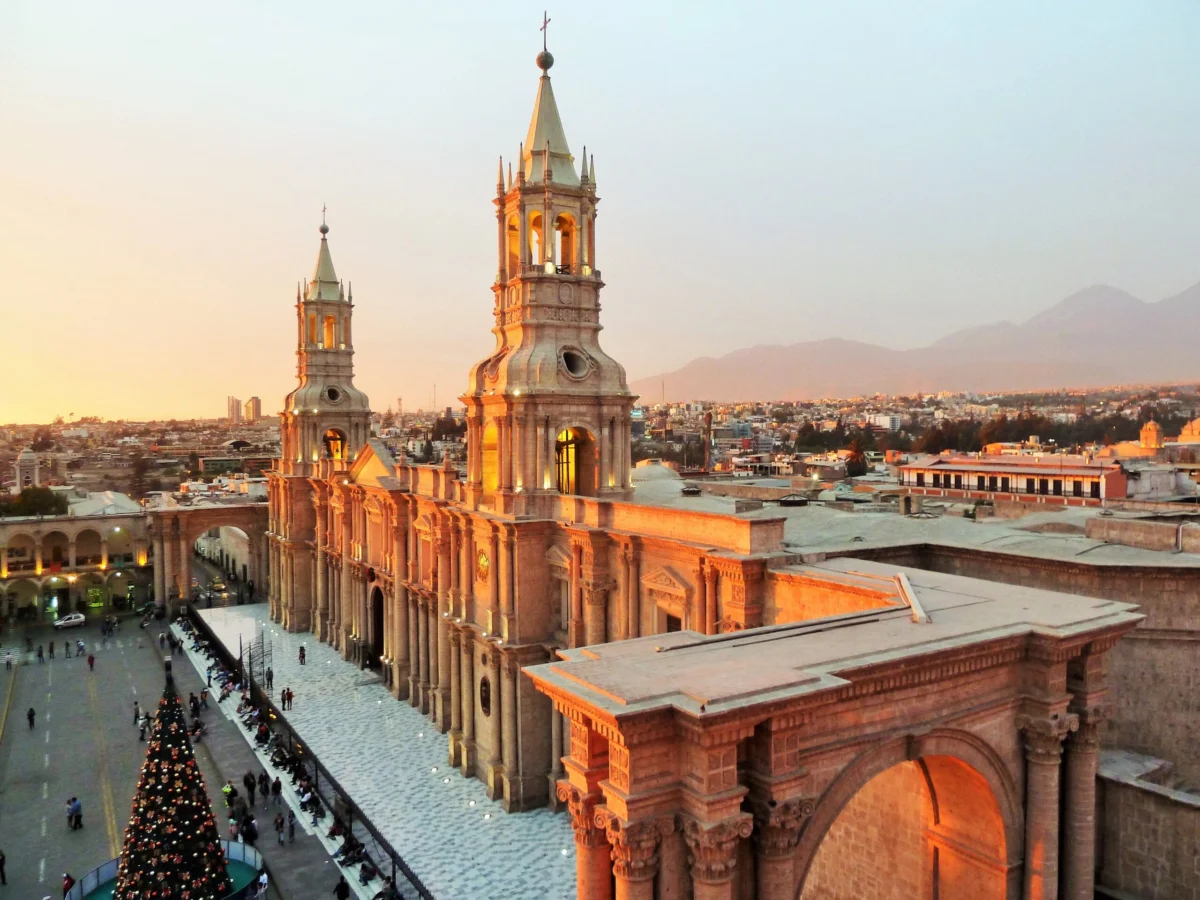
Christmas Eve, or Nochebuena, is the principal celebration in Peru, characterized by late-night family gatherings, festive dinners, and festivities that often extend well into the early hours of Christmas morning. Megan Spurrell, associate articles director at Conde Nast Traveler US, shares her experiences alternating between Southern California and Lima for Christmas. She highlights the shared tradition in many Catholic and Latin American countries of commencing celebrations at midnight on December 24th. The anticipation builds as families await midnight to indulge in traditional dishes like turkey and arroz árabe (Arab rice). The moment the clock strikes twelve is often met with an explosion of fireworks across the city, signaling the start of a vibrant party that can continue at family homes or in local bars and clubs. This midnight revelry, akin to a preview of New Year’s Eve, imbues the Peruvian Christmas with an electrifying and communal energy.

Poland: The Sacred Vigil of Wigilia and the Art of Pierogi
In Poland, Christmas Eve, known as Wigilia, holds immense cultural and religious significance, marked by a deeply symbolic supper that commences only after the appearance of the first star in the sky. This tradition emphasizes the importance of family gathering around the Christmas table for a feast that traditionally comprises twelve meatless dishes, a reflection of Lenten traditions and the spiritual nature of the vigil. Olivia Squire, Traveller’s features editor, fondly recalls her grandmother’s handmade pierogi (dumplings filled with mashed potato and cottage cheese) as a cherished element of her Polish Christmas. The preparation of these dumplings, often a collaborative and sometimes challenging endeavor, culminates in a celebratory meal that also includes a vegetarian bigos (hunter’s stew) and breaded fish. The inclusion of English traditions, such as carols from King’s College, underscores the evolving nature of family celebrations, blending ancestral customs with contemporary influences. The Polish Wigilia exemplifies a Christmas deeply rooted in spiritual observance, communal effort, and the comforting embrace of traditional cuisine.
Unique Yuletide Narratives: From Witches to Surfing Santas
Beyond the feasting and family gatherings, many Christmas traditions are distinguished by their unique folklore, historical origins, and often whimsical interpretations.

Austria: The Menacing Krampus and the Eve of Saint Nicholas
While Santa Claus is generally perceived as a benevolent gift-giver, Austrian folklore introduces a more formidable figure: the Krampus. On the eve of Saint Nicholas Day, December 5th, known as Krampusnacht, this horned, anthropomorphic creature is said to accompany Saint Nicholas. While Saint Nicholas rewards well-behaved children with sweets and small gifts, Krampus serves as a deterrent for the naughty, historically known for frightening or punishing them. This ancient tradition has been revitalized in modern times through Krampuslauf parades, particularly in Alpine towns and villages. Participants don elaborate horned masks and shaggy costumes, parading through the streets in a spectacle that blends fear and festivity. The enduring presence of the Krampus tradition speaks to a cultural acceptance of a more complex, and perhaps darker, aspect of yuletide folklore, one that acknowledges the need for both reward and consequence.
Southern California, US: The Sun-Kissed Surfing Santa
In Southern California, the quintessential image of Christmas often swaps snowy landscapes for sun-drenched beaches. Associate articles director Megan Spurrell recounts a unique local tradition: the appearance of "Surfing Santas." On Christmas morning, local enthusiasts don Santa suits and take to the waves at beaches like Manhattan and Hermosa, bringing a distinctly Californian twist to the holiday. This tradition, observed in areas including Malibu and Santa Monica, involves individuals using their surfboards as a festive vehicle, entertaining neighbors and enjoying a yuletide surf session. This practice embodies the region’s laid-back, outdoor-oriented lifestyle, demonstrating how Christmas can be celebrated with vigor and cheer even in the absence of traditional winter elements. The sight of Santa on a surfboard is a charming testament to the adaptability of holiday customs to local environments and sensibilities.

Scotland: Hogmanay and the Spirit of First-Footing
While Christmas Day is observed, the true climax of the festive season in Scotland often lies in Hogmanay, the celebration of New Year’s Eve. This extended period of revelry is marked by vibrant street parties in cities like Edinburgh, where festivities continue into the early hours. A central tradition of Hogmanay is "first-footing," the custom of being the first person to enter a home after midnight. The identity of this first visitor is believed to bring good luck for the year ahead. Traditionally, a tall, dark-haired man is considered the luckiest first-footer, often bringing symbolic gifts such as whisky, shortbread, or a lump of coal. The singing of Robert Burns’ Auld Lang Syne at the stroke of midnight is another deeply ingrained ritual, uniting Scots in a shared moment of reflection and anticipation. Hogmanay embodies Scotland’s spirited approach to the holiday season, emphasizing community, tradition, and a fervent welcome to the new year.
England: Boxing Day Dips and Cornish Shouts
Across England, Christmas celebrations often align with familiar Western traditions, including gift exchanges, mince pies, and carol singing. However, regional customs add unique flavors to the yuletide experience. In many seaside towns, the "Boxing Day dip" sees hardy individuals plunge into the freezing sea, often to raise money for charity and shake off the effects of festive indulgence. The age-old tradition of burning a Yule log, symbolizing good fortune and protection, also persists. In Cornwall, a particularly heartwarming tradition known as the "Cornish shout" takes place in local pubs. Communities gather to sing traditional folk songs and sea shanties, fostering a strong sense of local identity and camaraderie. Social media manager Lucy Bruton describes the "Lerryn shout" as a "magical" experience, where people of all ages unite in song, creating a cozy and authentic slice of Cornish Christmas spirit. These local customs highlight the deep connection between community, heritage, and the festive season in England.

Germany: The Amusing Tradition of Schrottwichteln
Germany offers a humorous and unconventional approach to gift-giving with the tradition of Schrottwichteln, or "junk Secret Santa." This custom playfully subverts the expectation of receiving thoughtful presents by encouraging participants to exchange unwanted, bizarre, or utterly useless items. Karin Mueller, Traveller’s visuals director, explains that the more pointless, tacky, or absurd the gift, the better. This tradition has become a cherished highlight for her children, evolving from a cozy dinner into a "wonderfully chaotic, joyful, very-London celebration" that continues to be hosted annually. Schrottwichteln fosters laughter and lightheartedness, transforming the often-pressured act of gift-giving into an opportunity for amusement and shared absurdity. It’s a tradition that prioritizes connection and humor over material value, embodying a unique spirit of holiday generosity.
Broader Implications: The Enduring Power of Tradition
The diverse array of Christmas traditions observed worldwide underscores the profound human need for ritual, community, and connection. These customs, whether rooted in ancient folklore, culinary heritage, or modern marketing, provide a framework for marking significant moments in time and reinforcing cultural identity. In an increasingly interconnected world, the blending of traditions, as seen in multicultural families, demonstrates the dynamic and evolving nature of cultural practices. Furthermore, the continuation of these varied celebrations, from the solemnity of Polish Wigilia to the joyous chaos of German Schrottwichteln, highlights the enduring power of shared experiences to foster joy, belonging, and a sense of continuity across generations. As individuals and communities continue to adapt and innovate, the Christmas season remains a powerful testament to the rich and varied tapestry of human celebration.