admin
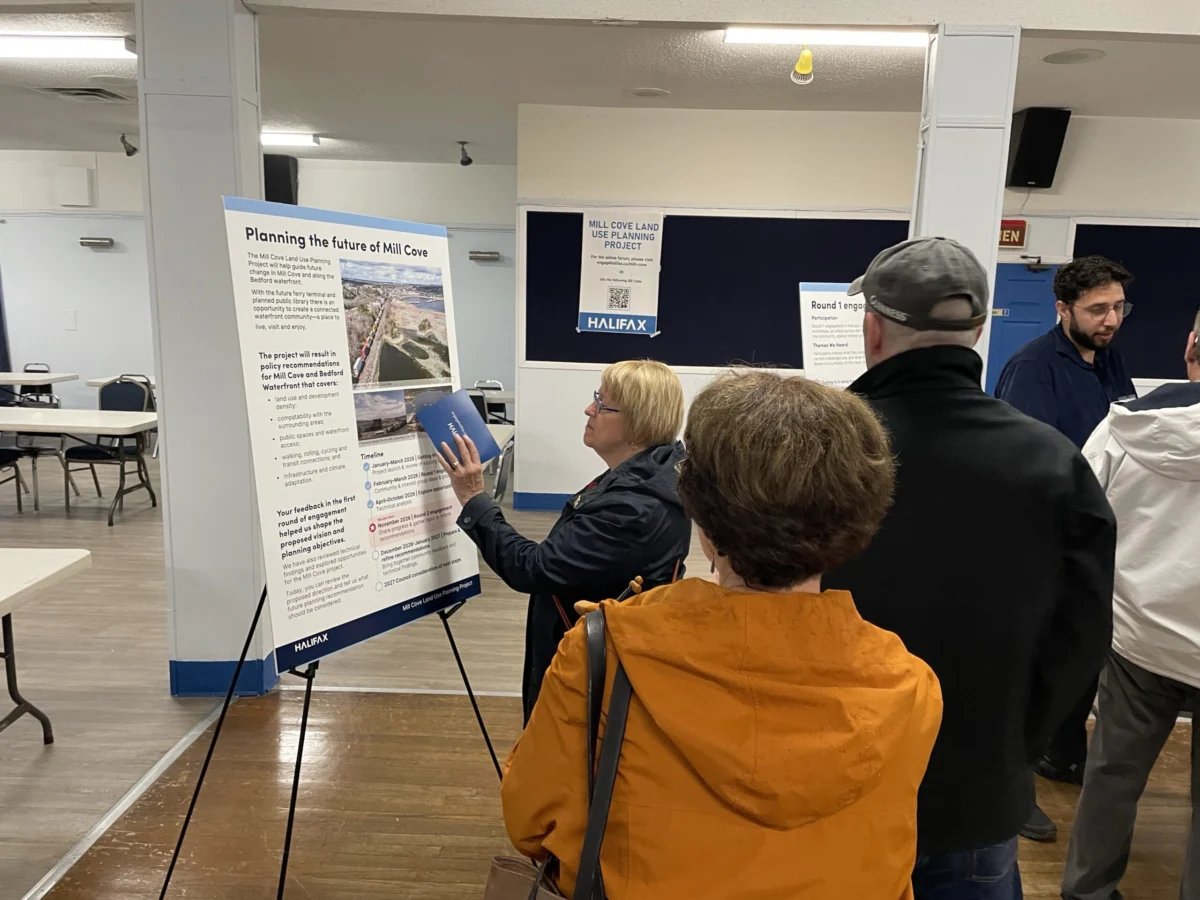
A groundbreaking initiative to revitalize the Mill Cove and Bedford Waterfront area in Halifax Regional Municipality (HRM) has officially entered its crucial community engagement phase, drawing both enthusiastic support and significant public concern. At a recent open house held at the Bedford Legion, residents gathered to review preliminary plans for a transformative project that includes an electric high-speed ferry service, a new public library, diverse housing options, and extensive park enhancements. While the prospect of enhanced connectivity and modern amenities is widely welcomed, attendees voiced considerable apprehension regarding the potential impacts of increased population density and exacerbated traffic congestion within the rapidly growing community.
A Vision for Transit-Oriented Development in Mill Cove
The ambitious Mill Cove and Bedford Waterfront revitalization project represents a cornerstone of HRM’s long-term regional growth strategy. Mill Cove has been strategically designated an Urban Local Growth Center by the municipality and a Suburban Opportunity Site by the Province of Nova Scotia, underscoring its pivotal role in accommodating future population expansion. These designations reflect a commitment to fostering sustainable urban development, particularly through the lens of Transit-Oriented Development (TOD). TOD is a planning approach that maximizes the amount of residential, business, and leisure space within walking distance of public transport, aiming to increase public transport ridership and reduce reliance on private vehicles.

Dali Salih, a senior planner with the Planned Growth and Strategic Projects division at HRM, articulated the strategic imperative behind the project. "All of those combined is essentially a strong reason for us to study the area and look at a transit-oriented development or community," Salih explained, referring to the confluence of a new ferry service, essential public infrastructure, and the need for diverse housing solutions. The vision encompasses creating a vibrant, mixed-use community where residents can live, work, and recreate with convenient access to public transit and essential services, thereby reducing sprawl and promoting a more sustainable urban form.
The proposed developments extend beyond mere functional improvements, aiming to cultivate a distinctive sense of place. Key objectives outlined by planners include the creation of pedestrian-friendly public spaces that encourage active transportation and social interaction, proactive measures to address coastal hazards exacerbated by climate change, significant enhancements to the natural beauty and accessibility of the waterfront, and comprehensive upgrades to the mobility network to seamlessly support the new ferry service. These objectives are designed to ensure the development is not only economically viable but also environmentally resilient and socially inclusive.
The Mill Cove Ferry: A Cornerstone of Regional Connectivity
Central to the revitalization is the much-anticipated electric high-speed ferry service, designed to forge a vital link between Mill Cove and downtown Halifax. The project, first announced in 2024, represents a significant joint investment from all three levels of government: the federal government committed a substantial $155.7 million, the province pledged $65 million, and the municipality allocated approximately $40 million. This multi-level commitment highlights the ferry’s perceived importance as a critical piece of regional infrastructure.

The rationale behind the ferry service is multifaceted. Halifax Regional Municipality has experienced unprecedented growth in recent years, with its population surging by over 20% in the last decade, reaching approximately 480,000 residents. This rapid expansion has placed immense pressure on existing transportation networks. Commute times along the Bedford Highway during peak hours have reportedly increased by an average of 30% over the past five years, with daily traffic volumes exceeding 40,000 vehicles. The Hammonds Plains Road corridor also suffers from chronic congestion, impacting thousands of commuters daily.
The Mill Cove ferry is slated to operate with state-of-the-art zero-emission vessels, aligning with HRM’s broader climate action goals and commitment to sustainable transportation. Feasibility studies project the service could initially transport up to 3,000 passengers daily, with the potential to scale up to 6,000 within its first five years of operation. This diversion of commuters from road-based travel is anticipated to significantly reduce annual greenhouse gas emissions by an estimated 2,500 tonnes of CO2 equivalent, contributing meaningfully to regional environmental targets.
However, the path to implementation has not been without its challenges. Initially projected to commence operations in 2027-28, the ferry service has encountered delays primarily due to complex land negotiations. These negotiations, often involving multiple private landowners and intricate environmental assessments, have pushed the anticipated operational start date to 2030. While frustrating for eager commuters, officials emphasize the necessity of these processes to ensure robust planning and secure the optimal long-term success of the project.
Community Engagement: Balancing Enthusiasm with Concerns

The recent open house at the Bedford Legion served as a critical platform for community members to engage directly with the planning team and voice their perspectives. The atmosphere was a mix of palpable excitement for the project’s potential and cautious optimism tempered by specific reservations. Many residents expressed genuine enthusiasm for the prospect of a modernized waterfront, enhanced public amenities, and a new transit option that promises to alleviate the daily grind of traffic. Comments received by planners included sentiments like, "This is exciting, build it already!" reflecting a strong desire for progress.
However, the conversation quickly turned to the significant concerns surrounding density and traffic. Kelly Bentham, president of the Fernleigh Park Homeowner Society, articulated the delicate balance required in urban planning. "You have to pick out the proper areas for the high density, and you still need people who want to buy single-home dwellings. So a lot of that has to be addressed," Bentham stated. Residents worry that an unchecked increase in housing density could fundamentally alter the character of Bedford, straining existing infrastructure and public services that may not be adequately equipped for a substantial population influx. These concerns are amplified by Halifax’s current housing crisis, where the average home price has risen by over 60% since 2020, leading to fears that new developments might exacerbate affordability challenges if not paired with robust affordable housing policies.
Traffic was another dominant theme. While the ferry is designed to reduce overall traffic on major arteries, residents are concerned about the immediate impact of increased development-related traffic on local feeder roads, particularly during the construction phase and before the ferry achieves full operational capacity. Questions were raised about adequate parking solutions, improved pedestrian and cycling infrastructure, and the capacity of existing local streets to handle additional vehicle movements. Jacqueline Levert, a local resident, underscored the importance of accessibility, stating, "We need to make it a space where everybody has access to it. So I think those things are really important before we get into housing, but I think the ferry needs to happen quick." Her comment highlights a desire for immediate transit solutions alongside thoughtful, equitable urban planning.
Dali Salih acknowledged the diverse range of feedback and reiterated the planning team’s commitment to incorporating community input. "I’m hoping that they come in with all of their passion, all of their ideas, what they value, what they love about their community, so we can reflect that in our planning policies and planning recommendations," she emphasized. This iterative approach to planning, involving ongoing dialogue with residents, is crucial for building a plan that garners broad community support and truly reflects local priorities.

Broader Implications: Shaping Halifax’s Future
The Mill Cove and Bedford Waterfront project holds significant implications for the future trajectory of Halifax, serving as a potential blueprint for other regional growth centers.
Economic Impact: Beyond the initial construction phase, which an independent economic impact assessment commissioned by the province suggests could generate over 800 direct and indirect jobs and inject an estimated $150 million into the regional economy, the long-term economic benefits are substantial. The new development is expected to attract new businesses, stimulate local commerce, and potentially increase property values, creating a dynamic economic hub. The president of the Bedford Board of Trade remarked, "Local businesses are eager to see the economic uplift this project promises, especially with increased pedestrian traffic and a new influx of residents."
Environmental Impact: The zero-emission ferry is a flagship environmental initiative, contributing directly to HRM’s climate targets. However, the project’s broader environmental footprint, from construction waste management to the integration of green infrastructure, remains a critical focus. Planners are exploring strategies for sustainable design, including permeable surfaces to manage stormwater, urban greening initiatives, and potentially even naturalized shorelines to enhance ecological resilience against rising sea levels and storm surges. A spokesperson from the Ecology Action Centre cautioned, "The zero-emission ferry is a commendable step, but the overall environmental footprint of the entire development, from construction waste to increased impervious surfaces, must be rigorously managed."

Social Impact: The creation of a new public library and enhanced park spaces promises to enrich community life, offering vital social infrastructure. However, addressing housing affordability within the new developments is paramount to ensure the community remains accessible to a diverse range of incomes. Thoughtful planning for community integration, ensuring that both new and existing residents feel a sense of belonging, will be crucial for the project’s social success. Dr. Eleanor Vance, an urban planning professor at Dalhousie University, commented, "TODs are crucial for modern cities, but their success hinges on integrating diverse housing options and ensuring robust public realm improvements that truly serve all residents, not just new ones."
Urban Planning Precedent: The Mill Cove project is a significant test case for HRM’s commitment to transit-oriented, sustainable development. Its success or challenges will undoubtedly influence future urban planning decisions across the municipality, particularly in other designated growth centers. It represents an opportunity to demonstrate how a growing city can balance economic development with environmental stewardship and social equity.
Next Steps and Public Participation
As the Mill Cove and Bedford Waterfront revitalization project moves forward, ongoing public engagement remains a cornerstone of the planning process. Residents who were unable to attend the open house or wish to submit additional feedback are encouraged to visit engagehalifax.ca/mill-cove. This online portal provides detailed information on the project and offers a convenient avenue for community members to share their insights, concerns, and suggestions. The municipality anticipates further consultation phases as specific plans and designs evolve, ensuring that the community’s voice continues to shape this pivotal development. The ambition of the project is clear: to create a thriving, connected, and sustainable community that serves the needs of current and future generations in Bedford and beyond.