admin
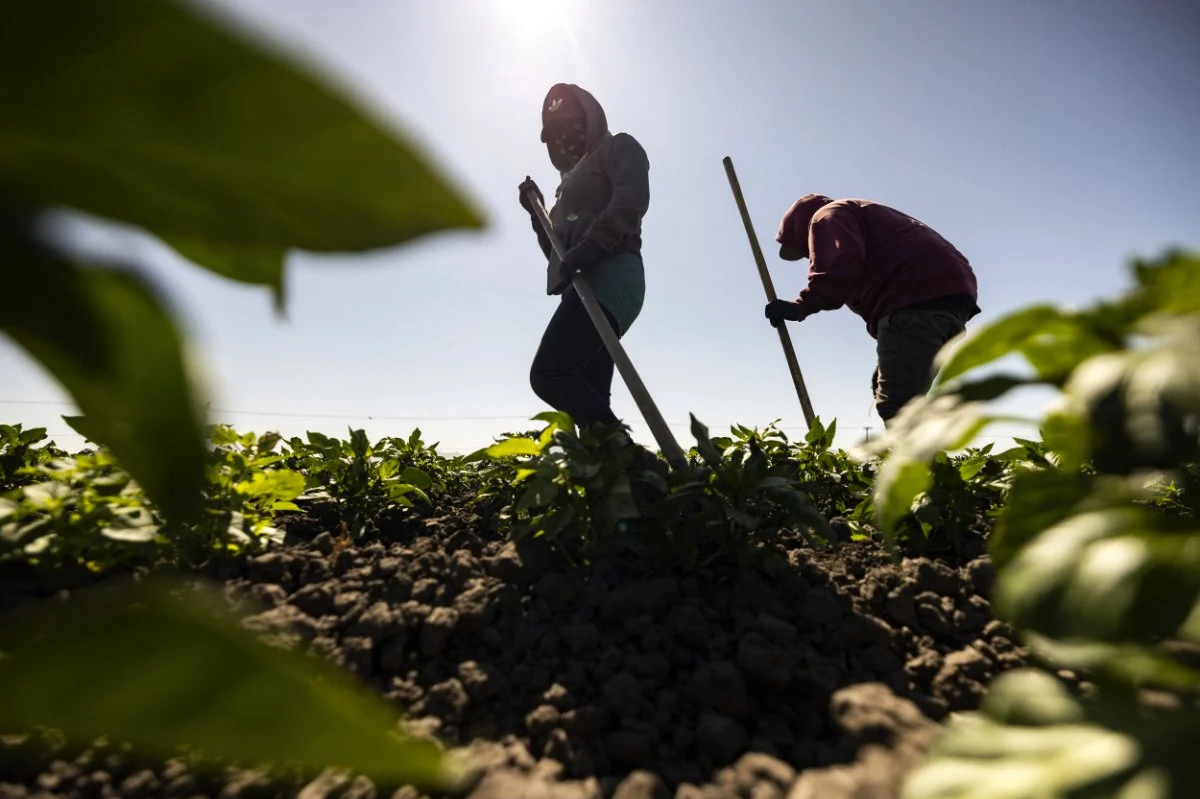
The stark reality of a changing climate has forced farmers across the nation to adapt or perish, exemplified by the harrowing experience of a former low-land vegetable farmer who abandoned his ancestral practice after repeated "hundred-year" floods decimated his operation, wiping out 70 percent of his topsoil, three tractors, and substantial equipment. "It stopped making sense," he recounted, a sentiment echoing through agricultural communities grappling with increasingly volatile weather patterns. This individual, now raising Icelandic sheep and Scottish Highland cattle on a high ridge, far from the perilous flood plain, has become a prominent voice for climate action within the farming sector, highlighting the urgent need for systemic change. His journey from conventional farming to resilient, diversified agriculture underscores a broader transformation unfolding across America’s heartland, driven by both necessity and a growing understanding of ecological principles.
The Economic and Environmental Toll of Climate Change on Agriculture
The experiences of farmers like the one mentioned are not isolated incidents but rather symptomatic of a pervasive crisis. Climate change, characterized by more frequent and intense extreme weather events, poses an existential threat to agricultural livelihoods and food security. Data from the National Oceanic and Atmospheric Administration (NOAA) indicates a significant increase in the frequency and cost of billion-dollar weather and climate disasters in the United States over recent decades. From 1980 to 2023, the U.S. experienced 376 such events, with an average of 8.5 events per year in the 1980s, rising to 20.2 events per year in the 2020s (through 2023). Flooding, specifically, has become more unpredictable and severe, leading to substantial crop losses, infrastructure damage, and irreversible soil degradation. The loss of topsoil, a vital component of agricultural productivity, is particularly alarming. Estimates suggest that conventional farming practices, exacerbated by extreme weather, can lead to topsoil erosion rates far exceeding natural regeneration, with some regions losing inches of precious soil in a single flood event. The economic impact is staggering; direct losses to crops and livestock from extreme weather events, including floods, droughts, and heatwaves, run into billions of dollars annually, straining farm budgets and jeopardizing rural economies. For many, like the farmer who lost three tractors and significant equipment, these events represent catastrophic financial setbacks that are often impossible to recover from without radical shifts in farming strategy.
NOFA-NY’s Legal Crusade for Climate Information and Regulation
In response to the escalating crisis and perceived governmental inaction, organizations like the Northeast Organic Farming Association of New York (NOFA-NY) have taken a proactive stance, engaging in direct advocacy and legal challenges. NOFA-NY, a grassroots organization dedicated to promoting organic, sustainable, and local food systems, recognized the critical need for accessible climate data and robust environmental protections for farmers. Their legal battles highlight a broader struggle over scientific integrity and regulatory responsibility in the face of climate change.
A pivotal moment occurred when NOFA-NY initiated a lawsuit against the U.S. Department of Agriculture (USDA) after the agency was found to be systematically scrubbing its website of critical climate change resources. These resources, which included scientific reports, adaptation strategies, and data on climate impacts relevant to agriculture, were deemed essential tools for farmers attempting to understand and respond to changing environmental conditions. The removal of such information was seen not merely as an administrative oversight but as a deliberate attempt to undermine the scientific consensus on climate change and deny farmers access to vital decision-making tools. NOFA-NY argued that without this information, farmers were severely disadvantaged in planning for future seasons, implementing resilience measures, and securing their livelihoods. The lawsuit ultimately resulted in a settlement, compelling the USDA to restore these crucial climate resources to its public platforms. This victory underscored the legal and practical importance of governmental transparency and the availability of scientific data for informed agricultural practice.
Following this success, NOFA-NY joined another significant lawsuit, this time targeting the Environmental Protection Agency (EPA). The suit challenged the EPA’s decision to roll back the "endangerment finding," a scientific determination that greenhouse gas emissions threaten public health and welfare. This finding is foundational, as it empowers the EPA to regulate greenhouse gas emissions under the Clean Air Act. By dismantling this finding, the EPA effectively sought to curtail its ability to implement policies aimed at reducing carbon emissions, a move that NOFA-NY and its allies argued would have profound and detrimental impacts on rural communities and agricultural systems. The organization’s participation in this lawsuit stemmed from a deep understanding, gleaned from conversations with farmers nationwide, that climate change ramifications, such as altered growing seasons, increased pest pressures, and water scarcity, directly threaten agricultural viability. They contended that farmers, being on the front lines, possess an unparalleled understanding of the immensity of change required to safeguard rural communities. These legal actions by NOFA-NY demonstrate a strategic effort to compel government agencies to acknowledge and address the climate crisis, providing farmers with both the information and regulatory framework necessary to navigate an uncertain future.
The Political Divide: A Barrier to Open Dialogue
While the physical impacts of climate change are universally felt on farms, the ability of farmers to openly discuss and advocate for solutions remains deeply polarized along political and cultural lines. In more politically liberal regions, farmers have actively participated in climate action marches and rallies, openly calling for policy changes and embracing climate-smart practices. However, in many conservative rural areas, a significant cultural and political chasm exists, making open discourse about "climate change" challenging, if not taboo.
Research conducted by experts like Petersen-Rockney in California has shed light on this nuanced dynamic. She observed that while farmers frequently discuss the impacts of extreme weather events—be it unprecedented droughts, sudden freezes, or torrential downpours—and often connect these phenomena to a changing climate in private conversations around the kitchen table, they often feel constrained from using the term "climate change" in public forums or when engaging with their communities. This linguistic self-censorship stems from a fear of being perceived as politically aligned with ideologies often viewed as antithetical to conservative values.
A 2019 Pew Research Center survey highlighted this partisan divide, revealing that when Americans were asked to assess the seriousness of various global threats, including North Korea’s nuclear program and ISIS, the greatest partisan divergence in concern was observed regarding climate change. For many in conservative rural communities, embracing the language of climate change can be interpreted as a betrayal of deeply held political beliefs, effectively becoming a "test of your conservative chops." This puts farmers in an unenviable position: they are directly experiencing and dealing with the impacts of climate change on their land and livelihoods, yet they feel unable to openly articulate the cause or advocate for specific solutions without risking social or political ostracization within their communities. This communication barrier significantly impedes collective action and the widespread adoption of climate-resilient farming practices, even when those practices offer clear practical benefits.
Regenerative Agriculture: A Bipartisan Path Forward?
In light of this challenging political landscape, a strategic shift in language and focus has emerged as a promising avenue for progress. The term "regenerative agriculture" has gained considerable traction, offering a framework that emphasizes practical, ecological farming methods without necessarily invoking the politically charged lexicon of "climate change." This approach prioritizes soil health, biodiversity, water management, and carbon sequestration, all of which are practices that naturally contribute to climate change mitigation and adaptation, but can be discussed in terms of their direct, tangible benefits to the farm operation.
The rise of movements like "Make America Healthy Again" (MAHA), while politically diverse in its origins, has unexpectedly provided a significant platform for regenerative farming. Initially perceived as a "fringe-left" concept focused on environmental idealism, regenerative agriculture has, through MAHA and similar initiatives, found a surprising degree of "center-right" support. This cultural shift has created an "interesting opening," as Petersen-Rockney notes, because the on-the-ground practices associated with regenerative agriculture, agroecology, and conservation are fundamentally the same, regardless of the political lens through which they are viewed. These practices include reduced tillage, cover cropping, diversified crop rotations, integrated livestock grazing, and enhanced biodiversity.
The appeal of regenerative agriculture extends beyond environmental benefits. Farmers are increasingly recognizing its significant economic advantages. By focusing on building healthy soil, regenerative practices can reduce the need for synthetic fertilizers and pesticides, thereby lowering input costs. Improved soil structure enhances water infiltration and retention, making farms more resilient to both droughts and floods, and potentially reducing irrigation expenses. Furthermore, healthy soils can sequester carbon, offering a potential revenue stream through carbon markets, though this remains an evolving area. These "co-benefits"—cost savings, water efficiency, and increased resilience—provide compelling incentives for adoption, allowing proponents to "meet people where they’re at" and focus on action rather than belief. The emphasis shifts from an ideological debate about climate change to a pragmatic discussion about improving farm profitability and sustainability.
Strategic Communication: Action Over Belief
Organizations working directly with farmers to transition to regenerative practices have long understood the necessity of strategic communication. The Soil & Climate Initiative, for instance, has successfully implemented programs in conservative areas by deliberately avoiding the term "climate change." Their approach centers on demonstrating the tangible benefits of regenerative practices in terms of farm resilience and economic viability.
A significant turning point for many farmers and organizations was the devastating Derecho that struck Iowa farms in 2020. This intense, widespread windstorm caused catastrophic damage, yet observations revealed that farms implementing regenerative practices often fared significantly better than their conventional neighbors. Fields with healthy soil, rich in organic matter, exhibited greater stability, reducing erosion and crop damage. This stark contrast provided a powerful, undeniable demonstration of "resiliency," a term that resonates deeply within agricultural communities. Following this event, the Soil & Climate Initiative intensified its focus on discussing farm resilience as a core benefit of regenerative practices.
Crucially, the organization also emphasizes "cost savings." In an industry with tight margins, any practice that reduces operational expenses is highly attractive. Regenerative practices, by improving soil health, can lead to reduced reliance on expensive chemical inputs, less need for heavy machinery (due to reduced tillage), and more efficient water use. These financial advantages often serve as the primary driver for adoption, allowing farmers to embrace climate-smart methods without needing to explicitly acknowledge or discuss the underlying climate crisis. This pragmatic approach, focusing on "action as opposed to belief," has proven far more effective in fostering widespread adoption of sustainable farming methods in diverse political landscapes.
The Broader Challenge: Beyond Farm-Level Action
While the widespread adoption of climate-smart, regenerative agricultural practices represents a significant step forward, it is crucial to acknowledge that farm-level changes alone cannot fully mitigate the climate crisis. Even if every farm were to convert to regenerative methods, reducing emissions in other sectors of the economy—such as energy production, transportation, and industrial processes—remains absolutely critical to avert catastrophic environmental outcomes.
Moreover, policy decisions at the federal level continue to have a profound and direct impact on the agricultural sector. The EPA’s decision to end its regulation of greenhouse gas emissions, for instance, has far-reaching implications that no amount of strategic communication or on-farm practice will alter. As the farmer Gillingham succinctly put it, such policy rollbacks "do have a direct impact on us," irrespective of how the issue is framed. A lack of comprehensive, top-down climate policy can undermine the resilience built at the farm level, leaving farmers vulnerable to continued extreme weather events and broader systemic instability.
The path forward requires a multi-faceted approach: continued advocacy for sound environmental policy, sustained research and development in climate-smart agriculture, and innovative communication strategies that bridge political divides by focusing on shared values and tangible benefits. The experiences of farmers like the former lowland vegetable grower, the legal battles waged by NOFA-NY, and the pragmatic successes of organizations like the Soil & Climate Initiative collectively paint a picture of an agricultural sector on the front lines of climate change, demonstrating remarkable adaptability and a growing commitment to sustainable practices, even as they navigate complex political and economic landscapes. Ultimately, protecting rural communities and ensuring food security in a changing climate demands not just individual action, but a concerted effort across all levels of society, from the farm field to the halls of government.