admin
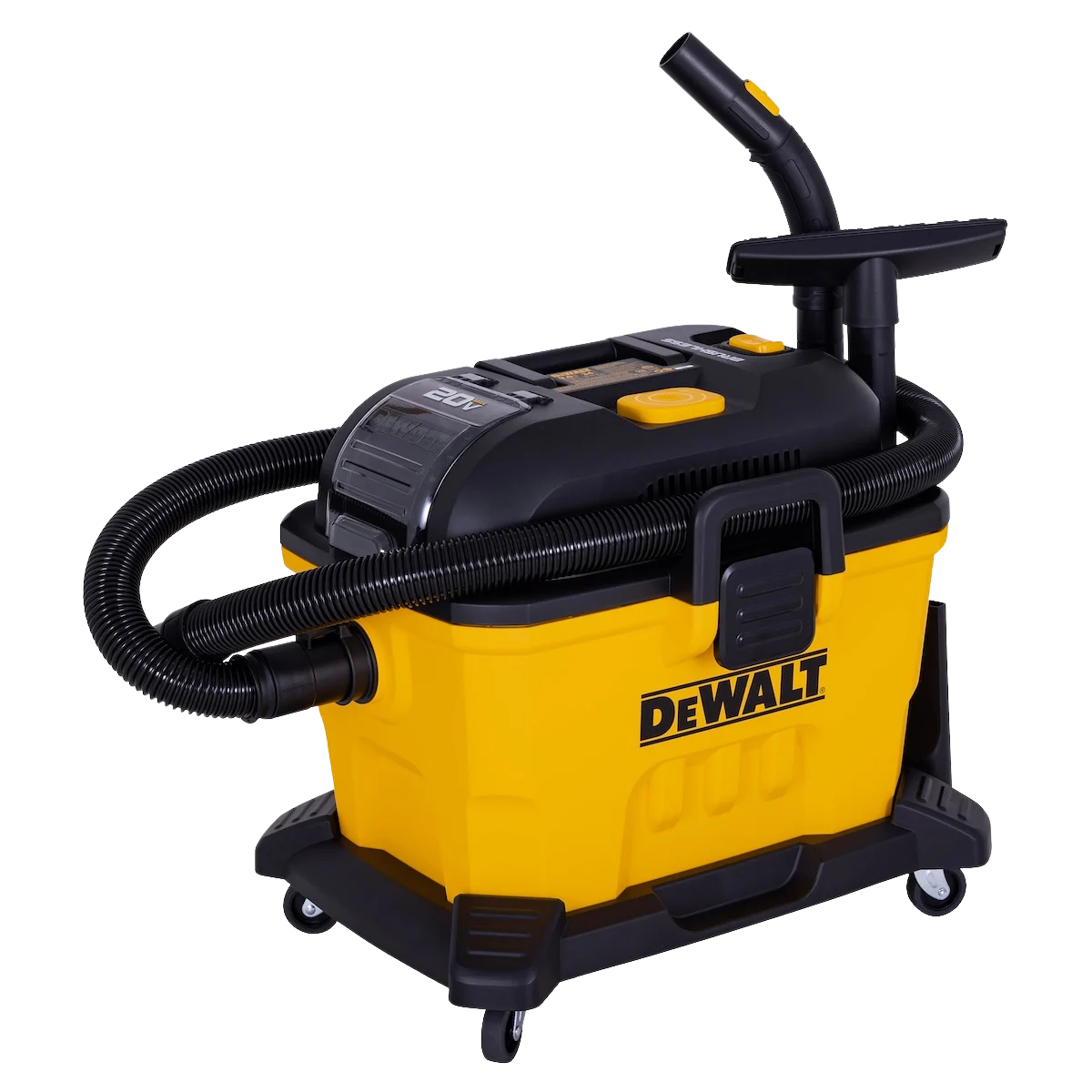
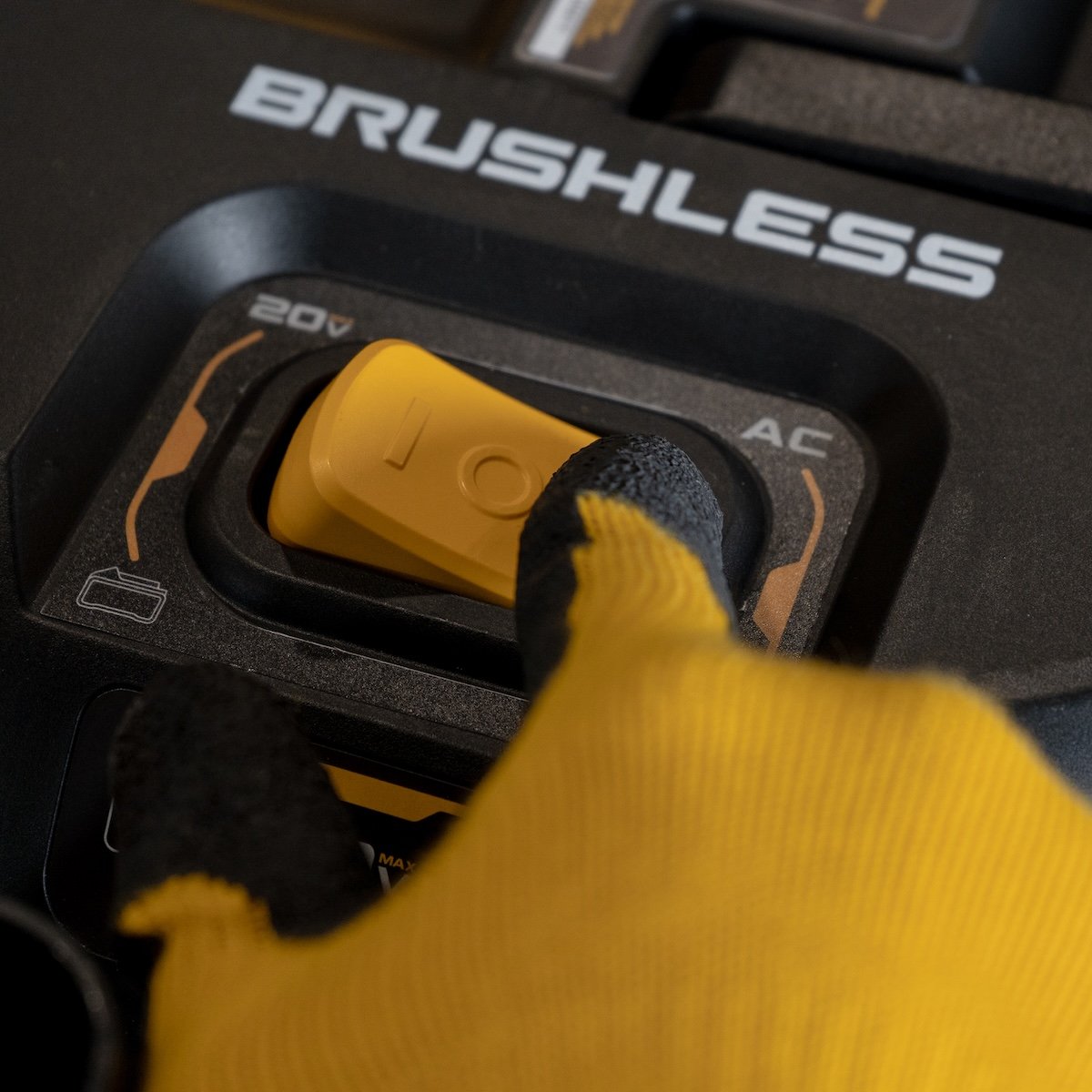
The utility of the wet-dry vacuum, colloquially known as the shop vac, extends far beyond the collection of sawdust and construction debris. In the event of a residential water emergency—ranging from minor plumbing leaks to significant basement flooding—the wet-dry vacuum serves as a primary defense mechanism for rapid moisture extraction. Unlike standard household vacuums, which are strictly engineered for dry particulates and can be catastrophically damaged by moisture, wet-dry variants feature specialized bypass motors and sealed electrical components designed to safely ingest large volumes of liquid. Industry leaders such as DeWalt have advanced this technology with hybrid power systems, such as the 9-gallon AC/DC model, which allows for high-capacity suction even in environments where electrical mains have been disconnected for safety.
Technical Fundamentals of Wet-Dry Suction Technology
To effectively utilize a shop vac for water removal, it is necessary to understand the mechanical transition required to convert the machine from a dry-debris collector to a liquid pump. The primary distinction lies in the filtration system. Standard dry operation utilizes pleated paper filters or high-efficiency particulate air (HEPA) filters to capture dust. However, when these filters encounter water, the fibers saturate, obstructing airflow and placing undue strain on the motor. In a journalistic analysis of equipment failure, it is noted that "motor burnout" is most frequently caused by operators failing to remove dry-filtration components before attempting liquid extraction.
Modern wet-dry vacuums utilize a "float valve" mechanism—a buoyant ball or puck housed within a cage beneath the motor head. As the canister fills with liquid, the float rises. Once the water reaches maximum capacity, the float seals the intake, causing a distinct change in the motor’s pitch. This serves as an audible signal to the operator that the canister must be emptied to prevent overflow into the motor housing.
Procedural Chronology for Emergency Water Extraction
Effective water remediation follows a strict chronological protocol to ensure both the safety of the operator and the longevity of the equipment.
Phase I: Pre-Operational Configuration
The initial step in any water-related cleanup is the removal of the internal collection bag and the primary paper filter. If the vacuum model is equipped with a dedicated wet-application foam sleeve, this should be installed to protect the motor from large debris suspended in the water. Failure to remove the dry bag results in the bag rupturing under the weight of the liquid, creating a secondary sludge-based mess within the canister.
Phase II: Electrical Safety and Environmental Assessment
Water is a highly efficient conductor of electricity. Before activating the vacuum, the operator must identify a Ground Fault Circuit Interrupter (GFCI) outlet. These outlets are designed to trip the circuit in milliseconds if an electrical leak is detected, providing a critical safeguard against electrocution. If the reach of the vacuum’s cord is insufficient, a "wet-rated" extension cord, identified by a "W" marking on the jacket, must be utilized. The vacuum should be placed on a level surface to ensure the float valve functions correctly and to prevent the unit from tipping as the weight of the water increases.
Phase III: The Extraction Process
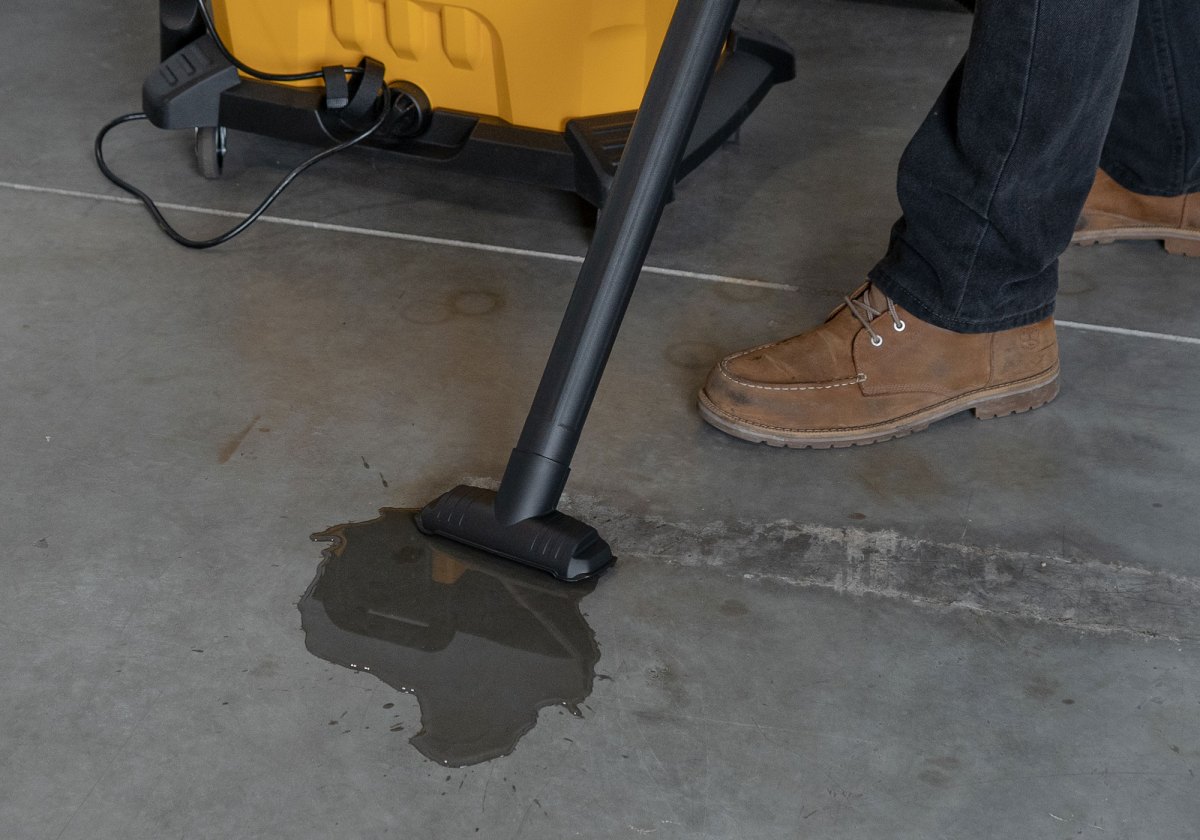
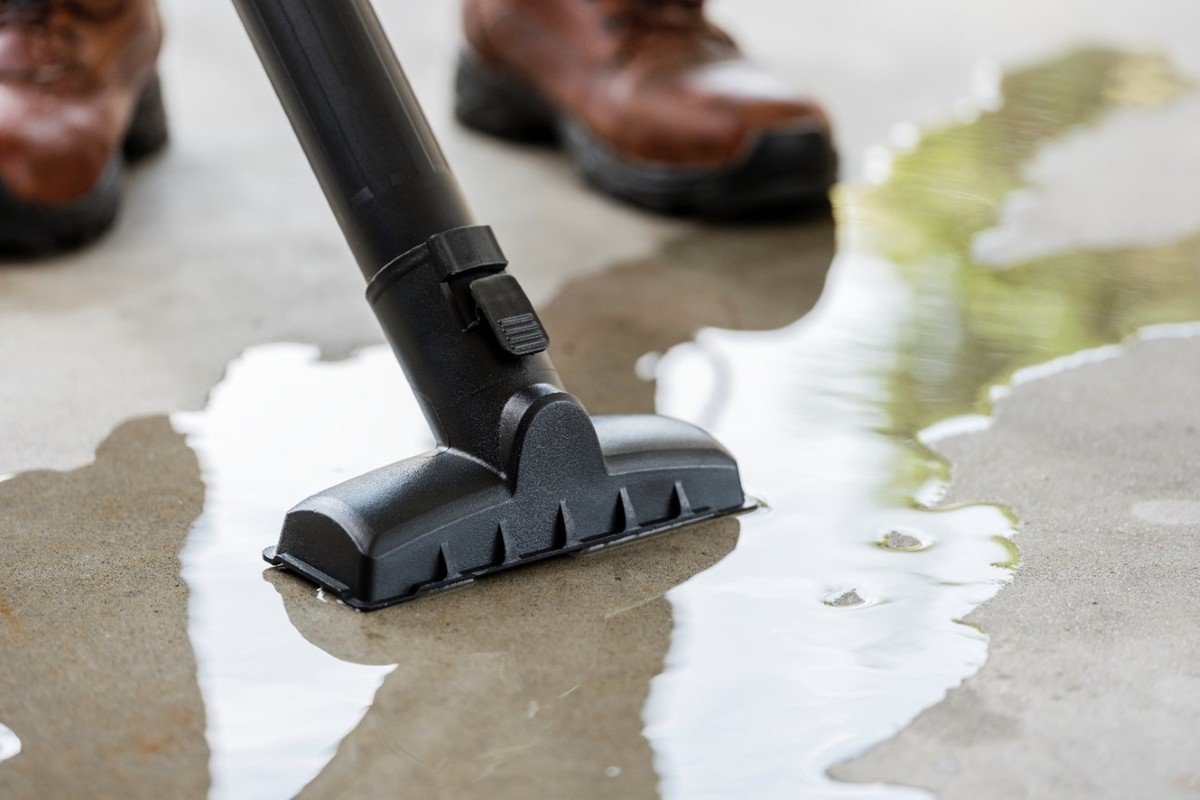
Extraction should begin at the perimeter of the spill to contain the liquid and prevent further migration into subflooring or adjacent rooms. For hard surfaces, a wide, T-shaped floor nozzle equipped with a rubber squeegee is the most efficient attachment. The squeegee creates a seal against the floor, allowing the vacuum’s static pressure to lift the water entirely. For localized depressions or tight corners, a crevice tool provides concentrated suction. In the case of saturated carpeting, the operator should apply slow, deliberate strokes, allowing the vacuum time to pull moisture from the deep fibers and the padding beneath.
Phase IV: Disposal and Canister Management
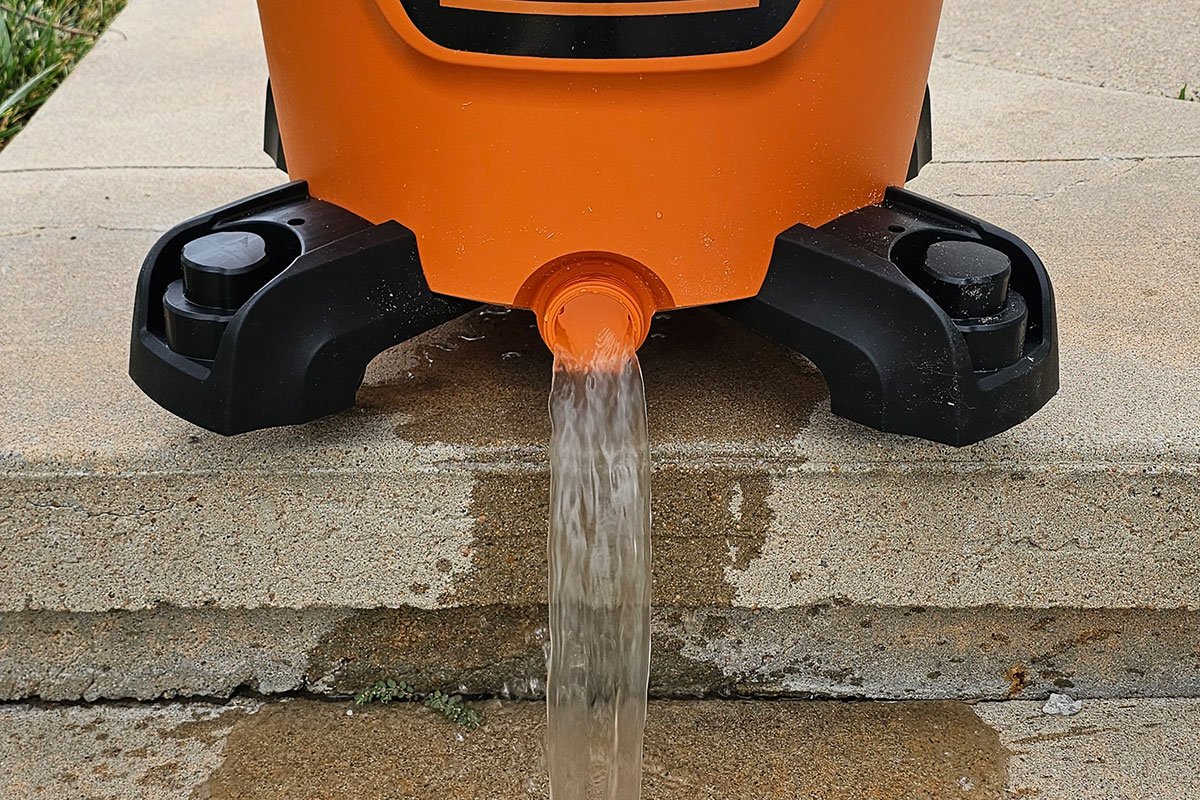
A gallon of water weighs approximately 8.34 pounds. Consequently, a 9-gallon vacuum, when nearing capacity, will weigh over 75 pounds. To avoid physical strain, operators are advised to empty the canister frequently rather than waiting for the float valve to trigger. Most high-capacity vacuums feature a drain plug at the base of the canister, allowing for easy emptying into a floor drain or exterior area without requiring the operator to lift and tilt the entire unit.
Supporting Data on Residential Water Damage and Mitigation
The economic impact of water damage in the United States is substantial. According to data from the Federal Emergency Management Agency (FEMA) and various insurance industry reports, even one inch of standing water can cause upwards of $25,000 in damage to a typical home. The primary costs are associated with the replacement of drywall, baseboards, and flooring materials.
Statistical analysis suggests that the "golden window" for water extraction is the first 24 to 48 hours. Beyond this timeframe, the risk of microbial growth, specifically mold and mildew, increases exponentially. A shop vac capable of moving 100 to 150 cubic feet of air per minute (CFM) can extract hundreds of gallons of water in a fraction of the time it would take to use manual mopping methods, potentially saving homeowners thousands of dollars in professional restoration fees.
Official Standards and Safety Regulations
The Occupational Safety and Health Administration (OSHA) and Underwriters Laboratories (UL) provide the regulatory framework for the design and use of wet-dry vacuums. UL Standard 1017 covers the safety requirements for vacuum cleaners and blower cleaners, ensuring that units labeled for "wet use" have undergone rigorous testing for moisture resistance.
From a professional standpoint, restoration experts emphasize that while a shop vac is an essential first-response tool, it has limitations. The Institute of Inspection, Cleaning and Restoration Certification (IICRC) notes that "Category 3" water (black water containing sewage or chemical contaminants) requires specialized professional-grade extractors and personal protective equipment (PPE) that exceed the capabilities of standard consumer-grade wet-dry vacuums.
Equipment Selection: Market Trends and Analysis
The market for wet-dry vacuums has shifted toward versatility and portability. Analysis of current consumer trends indicates a high demand for hybrid power options.
- Corded Models: These remain the standard for heavy-duty, prolonged extraction due to their unlimited power supply. They are ideal for flooded basements where large volumes of water must be moved over several hours.
- Cordless Models: Utilizing lithium-ion battery technology, these units provide unmatched mobility. They are particularly useful for cleaning vehicle interiors or addressing leaks in remote areas of a property where power may not be readily available.
- Hybrid Models (AC/DC): Units like the DeWalt 9-gallon model represent the current pinnacle of the market, offering the reliability of a corded connection with the emergency readiness of a battery-powered tool.
Capacity is another critical factor. Small 2.5-gallon portable units are sufficient for minor spills, while 6- to 12-gallon units are considered the "sweet spot" for general residential maintenance, balancing storage size with meaningful extraction capability.
Post-Operation Maintenance and Mold Prevention
The utility of the wet-dry vacuum does not end with the removal of the standing water. Proper post-operational care is vital to prevent the machine itself from becoming a source of contamination. Once the extraction is complete, the canister, hose, and attachments must be thoroughly cleaned with a diluted bleach solution or a specialized disinfectant to kill any bacteria or fungal spores collected during the process.
The vacuum should be allowed to run for several minutes in a dry environment after the canister has been emptied; this airflow helps dry the interior of the hose, preventing the "sour" smell often associated with neglected wet-dry vacuums. Filters should only be reinstalled once the canister and all internal components are completely dry.
Broader Implications for Homeowners
The integration of a high-quality wet-dry vacuum into a home maintenance kit is a strategic investment in risk management. Beyond emergency response, these tools facilitate preventative maintenance, such as cleaning gutters to prevent basement leaks or clearing AC condensate lines to prevent ceiling damage.
In a broader context, the ability for a homeowner to perform immediate "self-help" mitigation can significantly affect insurance outcomes. Many homeowners’ insurance policies require the insured to take "reasonable steps" to prevent further damage after a loss. Demonstrating the immediate use of a high-capacity vacuum to extract water can be a critical factor in the successful processing of a claim.
In summary, the wet-dry vacuum is more than a workshop accessory; it is a critical instrument of home preservation. By adhering to established safety protocols, understanding the mechanical requirements of liquid extraction, and performing diligent post-use maintenance, homeowners can effectively mitigate the physical and financial toll of water-related incidents. As the industry continues to innovate with more powerful and portable designs, the barrier to entry for effective residential water remediation continues to lower, empowering individuals to protect their property with professional-grade efficiency.