admin
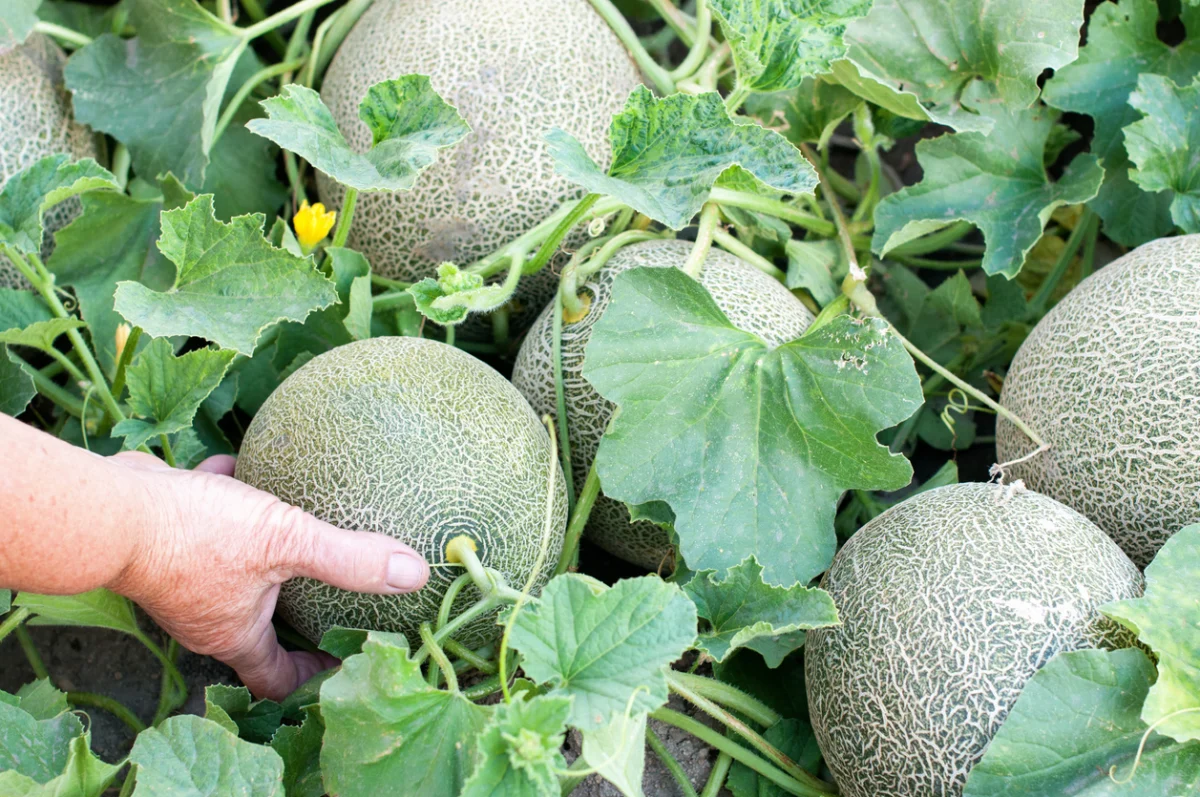
As the autumnal equinox passes and daylight hours dwindle across the Northern Hemisphere, home gardeners and commercial growers alike face the annual challenge of protecting their crops from the first seasonal frost. The transition from the peak growing season to the dormancy of winter is a critical period that requires strategic planning, meteorological monitoring, and a deep understanding of plant physiology. Agricultural experts and meteorologists warn that failing to prepare for the first "killing frost" can result in the total loss of warm-weather crops, while proper mitigation techniques can extend the harvest of certain vegetables well into the early winter months.
The Science of Frost and Plant Physiology
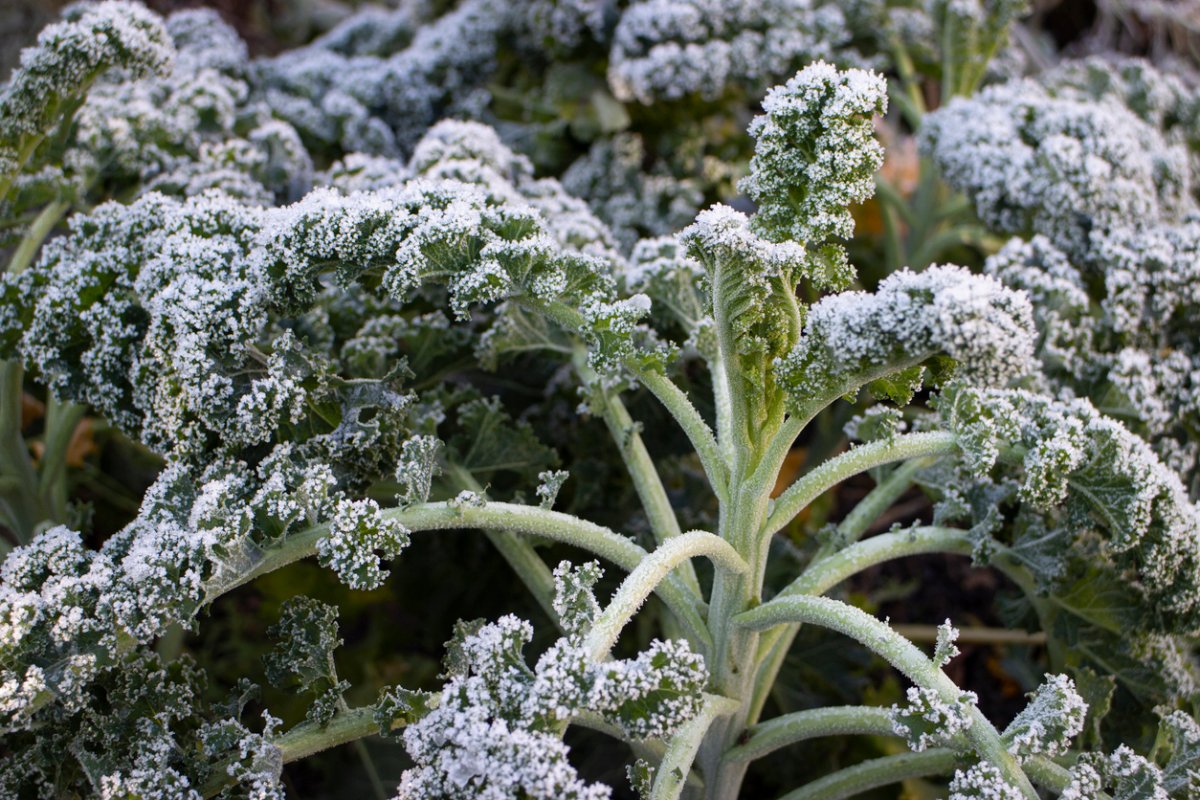
To effectively protect a garden, one must first understand the atmospheric conditions that lead to frost. Frost occurs when the temperature of a surface, such as a leaf or the soil, drops below the freezing point of water (32°F or 0°C), causing water vapor in the air to condense into ice crystals. However, gardeners must distinguish between a light frost and a "hard freeze." A light frost typically occurs when temperatures hover between 28°F and 32°F, often affecting only the most sensitive foliage. A hard freeze, defined as temperatures dropping below 28°F for several consecutive hours, is much more destructive, as it causes the water within plant cells to freeze. Because water expands when it freezes, this process ruptures cell walls, leading to the characteristic "mushy" or blackened appearance of frost-damaged vegetation.
The United States Department of Agriculture (USDA) provides Hardiness Zone maps that serve as the gold standard for determining when these temperature shifts are likely to occur. These zones are based on the average annual minimum winter temperature, divided into 10-degree Fahrenheit zones. For instance, a gardener in Zone 5 can expect a significantly earlier first frost than a gardener in Zone 9. Modern agricultural data suggests that these zones are shifting northward due to changing global climate patterns, making local weather monitoring more essential than ever before.
Categorizing Crop Resilience: Tender vs. Hardy
Not all plants react to cold in the same manner. Horticulturalists categorize garden produce into three primary groups based on their tolerance to low temperatures: tender, frost-tolerant, and hardy.
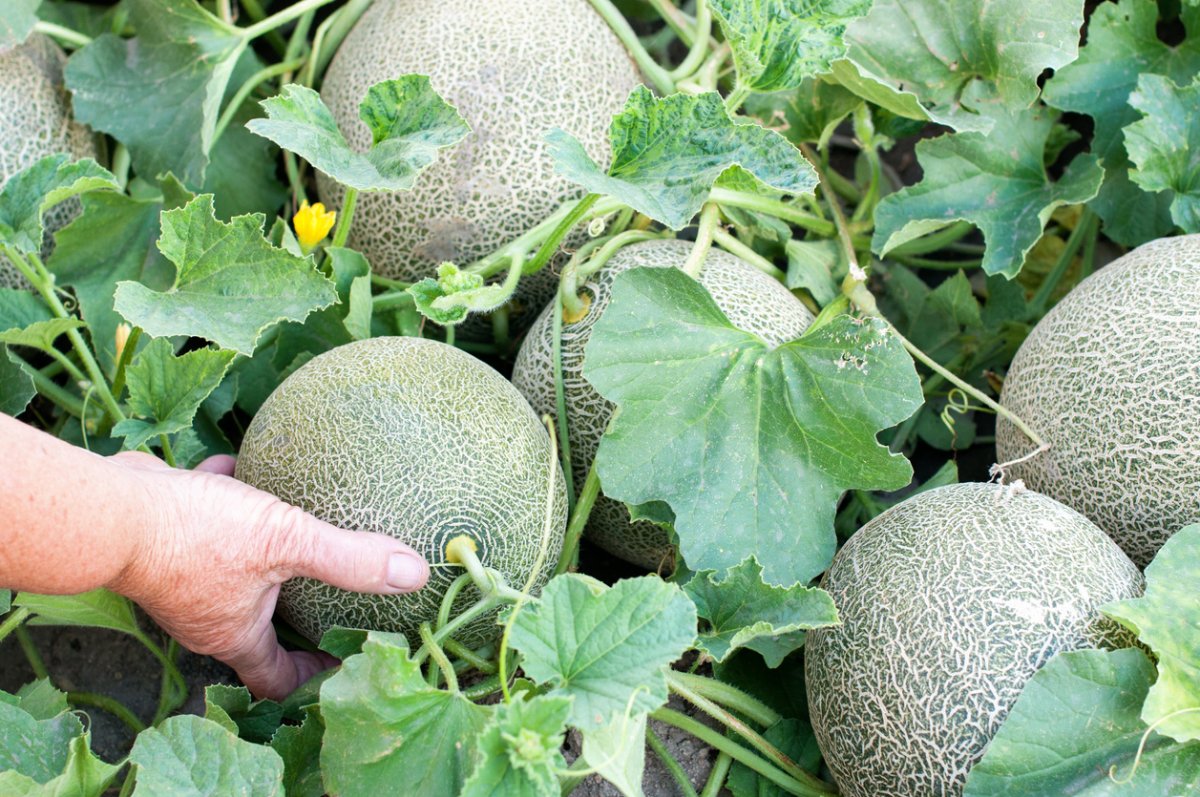
Tender plants are typically of tropical or subtropical origin and have no natural defense against freezing temperatures. This category includes summer staples such as tomatoes, peppers, eggplants, cucumbers, beans, okra, and various melons. Even a brief dip to 32°F can terminate these plants or cause "chilling injury," which stunts growth and prevents fruit from ripening.
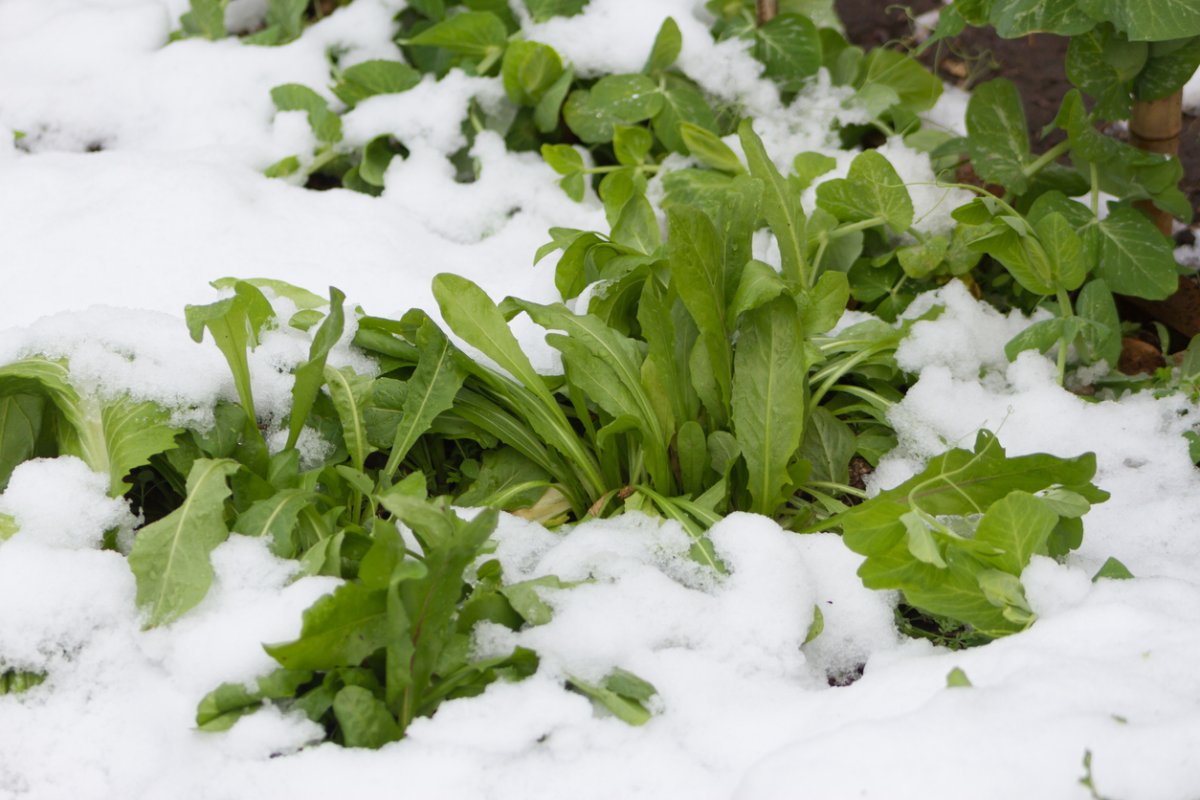
Frost-tolerant plants occupy a middle ground. Species such as lettuce, cauliflower, peas, and celery can survive light frost but will succumb if temperatures remain below freezing for an extended period. These plants often benefit from temporary protection to bridge the gap between the first frost and the sustained cold of late autumn.
Hardy plants are the stalwarts of the winter garden. Crops such as kale, spinach, broccoli, Brussels sprouts, and many root vegetables like carrots and onions actually thrive in cooler weather. These plants possess a unique biological mechanism: as temperatures drop, they convert stored starches into sugars. Because sugar water has a lower freezing point than pure water, these elevated sugar levels act as a natural antifreeze, protecting the plant’s cellular integrity. Furthermore, this process significantly improves the flavor profile of the vegetables, making them sweeter after the first few frosts of the year.
Strategic Mitigation: Techniques for Extending the Season
When a frost warning is issued by the National Weather Service, gardeners have several proven methods to mitigate potential damage. These interventions are designed to trap the heat stored in the soil during the day and prevent it from radiating into the atmosphere at night.
1. The Implementation of Protective Coverings
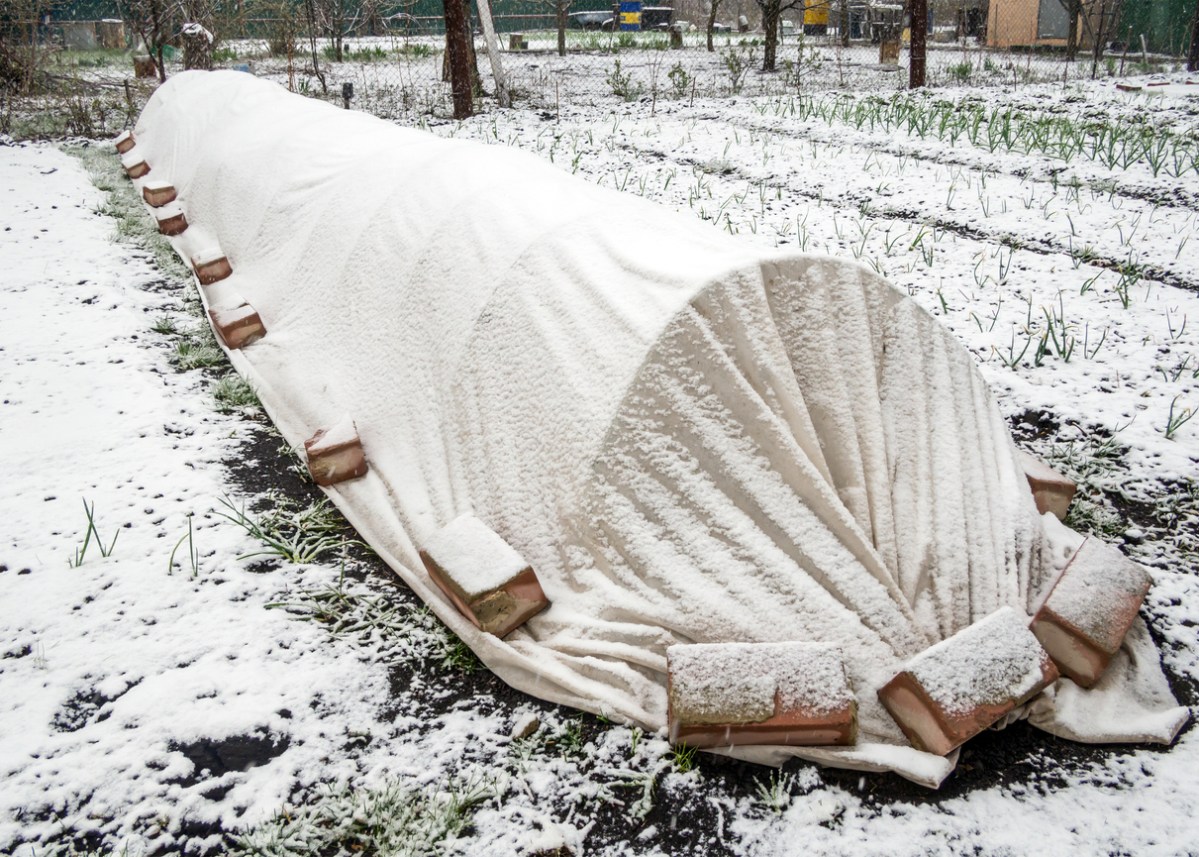
The most immediate defense against frost is the use of physical barriers. Breathable fabrics, such as old bedsheets, burlap, or specialized non-woven polyester row covers, are highly effective. These materials should be draped over plants and anchored to the ground to trap the earth’s warmth. It is crucial to use supports, such as garden hoops or stakes, to prevent the cover from touching the foliage; if the fabric is in direct contact with the plant, the cold can be conducted through the material, leading to localized frost damage.
Agricultural experts strongly advise against the use of plastic sheeting in direct contact with plants. Plastic does not breathe and can trap excessive moisture, which may freeze against the leaves. Furthermore, plastic can cause rapid overheating if not removed promptly when the sun rises, creating a "greenhouse effect" that can scald tender plants.
2. Thermal Management Through Hydration
One of the most counterintuitive yet effective methods of frost protection is deep watering. Moist soil can hold up to four times more heat than dry soil. By watering the garden late in the afternoon before a predicted frost, the water acts as a heat sink. As the air temperature drops overnight, the moisture in the soil slowly releases heat, creating a microclimate that can keep the air immediately surrounding the plants up to 5 degrees warmer than the ambient air temperature. This small margin is often the difference between a crop’s survival and its demise.
3. Insulation via Mulching
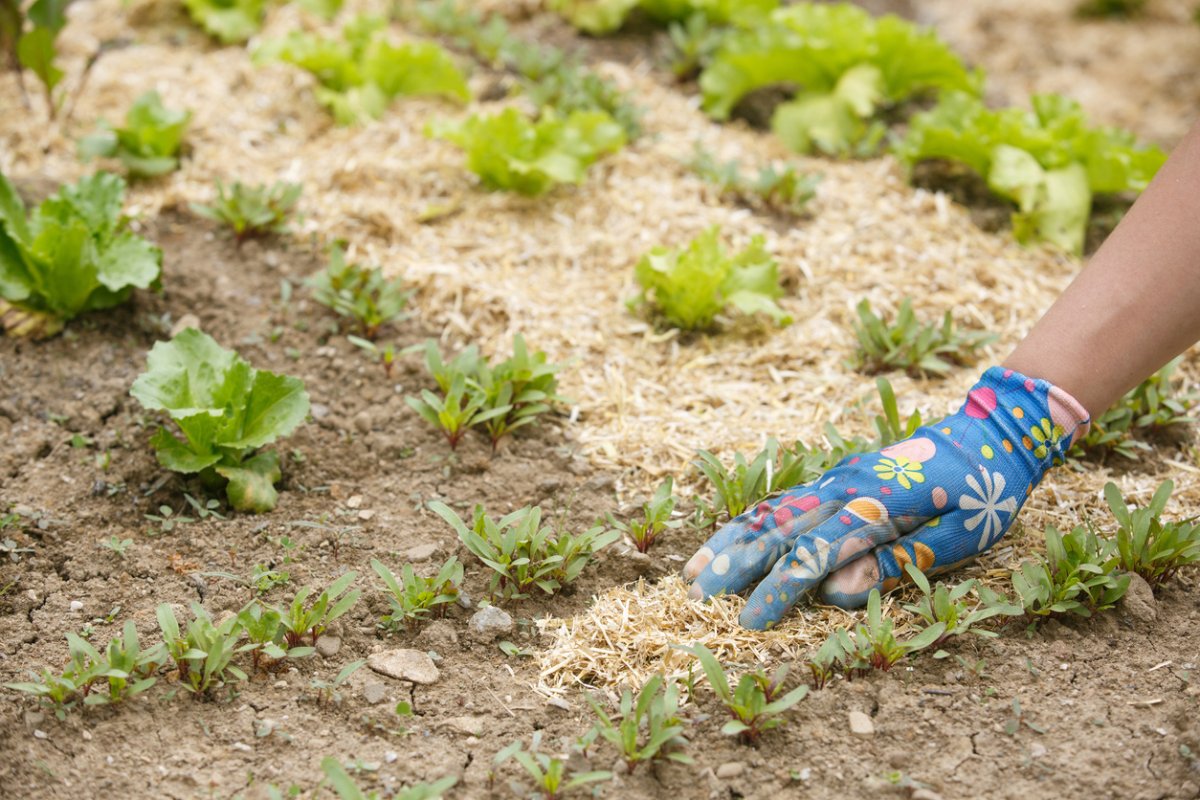
Mulching serves as a critical layer of insulation for the root systems of both annuals and perennials. A 2- to 4-inch layer of organic material—such as wood chips, straw, pine needles, or shredded leaves—protects the soil from rapid temperature fluctuations. Darker mulches are particularly effective as they absorb more solar radiation during the day. In addition to temperature regulation, mulch helps maintain consistent soil moisture, which reduces plant stress during the transition into the dormant season.
The Harvest and Indoor Ripening Strategy
When a severe freeze is imminent and physical protection is insufficient, the final strategy is a preemptive harvest. Many fruits and vegetables do not need to reach full maturity on the vine to be useful.
Tomatoes and peppers are notable for their ability to ripen indoors. If picked while they are "mature green" (showing a slight change in color or a glossy sheen), they can be placed in a cool, dark area to finish ripening. The use of paper bags can accelerate this process by trapping ethylene gas, a natural plant hormone that triggers ripening. Conversely, fruits like apples, pears, and grapes should be harvested as they reach peak flavor, as they are susceptible to texture degradation if allowed to freeze on the tree or vine.
For herbs like basil, which is notoriously sensitive to cold, the first frost warning should signal an immediate harvest. These can be preserved through drying, freezing in oil, or making pesto to ensure the garden’s bounty lasts through the winter months.
Assessing Damage and Post-Frost Recovery
Following a frost event, it is essential to assess the garden to determine what can be saved. Plants that appear wilted or dark in the early morning should be allowed to thaw naturally before being handled. In some cases, if the frost was light, the plant may recover as the day warms. However, if the vegetation becomes translucent or mushy, the cellular structure has been destroyed.
Produce that has been partially frozen may still be edible if consumed immediately, but its storage life is virtually non-existent. If the produce is clearly spoiled, it should be relegated to the compost bin. This not only disposes of the waste but also recycles the nutrients back into the soil for the following year’s planting cycle.
Broader Impact and Agricultural Implications
The management of garden frost is more than just a hobbyist’s concern; it has significant implications for local food security and the domestic economy. According to data from the National Gardening Association, millions of American households participated in home gardening in recent years, a trend that surged during the COVID-19 pandemic. Successful frost protection reduces food waste and decreases the reliance on long-distance supply chains for fresh produce during the autumn months.
Furthermore, as the global climate continues to exhibit volatility, the timing of the first and last frosts has become less predictable. Agricultural extension offices across the country are reporting that "false springs" and "lingering autumns" are challenging traditional planting schedules. This shift necessitates a more proactive approach to garden management, where the use of greenhouses, cold frames, and high-tech monitoring systems becomes standard practice rather than the exception.
In conclusion, protecting a garden from frost is a multi-faceted endeavor that combines meteorological awareness with practical horticultural techniques. By understanding the specific needs of different plant varieties and employing strategies such as covering, mulching, and strategic harvesting, gardeners can maximize their yield and enjoy the fruits of their labor long after the first chill of autumn has settled over the land. Success in the garden during this transition period requires vigilance, but the reward is a resilient and productive landscape that defies the constraints of the seasons.