admin
Across the nation, a shared anxiety grips households as fundamental economic indicators, often visualized as rising "lines," signal distress rather than prosperity. While the upward trajectory of the S&P 500 or NASDAQ might spark celebration, the escalating lines representing inflation rates, national debt, and homelessness paint a starkly different, concerning picture. Over the past five years, Americans have witnessed a relentless ascent in mortgage rates, plummeting from the pandemic’s historic low of 2.65 percent to a recent peak exceeding 7.4 percent. This dramatic shift is coalescing with other major headlines to forge a national narrative: the costs of housing, alongside essential goods like food and healthcare—the very bedrock of living—have become increasingly untenable for a significant portion of the population.
This sentiment often prompts a familiar refrain from older generations: "We’ve been here before." Indeed, the 1970s and early 1980s offer a compelling historical parallel, characterized by periods of severe economic upheaval. Yet, a closer examination reveals that while some indicators echo the past, the underlying societal and financial landscapes have shifted profoundly, making today’s challenges uniquely complex.
The Current Economic Headwinds: A Constellation of Crises
The rapid increase in mortgage rates from their pandemic-era nadir has been a primary driver of the current housing affordability crisis. In the span of just five years, the cost of borrowing for a home has nearly tripled, fundamentally altering the calculus for prospective buyers. For a median-priced home, this increase translates to hundreds, if not over a thousand, dollars added to monthly mortgage payments, effectively pricing out millions of potential homeowners. Data from housing market analysts indicates that a significant percentage of first-time buyers, already grappling with rising rents and stagnant savings, have been forced to delay or abandon their homeownership aspirations entirely.
Beyond housing, the broader inflationary environment continues to erode purchasing power. The Consumer Price Index (CPI), a key measure of inflation, has seen significant upward pressure across various sectors. Food prices have surged due to a combination of supply chain disruptions, geopolitical conflicts, and increased input costs. Healthcare expenditures, already a substantial burden for many families, continue their upward march, often outpacing wage growth. The national debt, a persistent concern, continues to grow, raising questions about future fiscal stability and potential impacts on interest rates. Concurrently, homelessness rates have seen worrying increases in many urban and suburban areas, reflecting the widening gap between incomes and the cost of living. This confluence of factors creates a profound sense of economic precarity, leading many to view rising economic indicators as harbingers of hardship rather than prosperity.
Echoes from the Past: The Stagflation Era of the 1970s
The 1970s were indelibly marked by "stagflation," an economic phenomenon characterized by the unwelcome trifecta of high inflation, stagnant economic growth, and elevated unemployment. This period, often unfamiliar to younger generations, was largely fueled by a series of global events and domestic policies. The collapse of the Bretton Woods system in the early 1970s, which had pegged the U.S. dollar to gold, removed a key restraint on monetary expansion. Concurrently, increased government spending on social programs and the Vietnam War contributed to inflationary pressures. However, the most visible and impactful trigger was a series of oil shocks. The 1973 Arab oil embargo, followed by the 1979 Iranian Revolution, sent crude oil prices skyrocketing, leading to widespread energy shortages and a sharp increase in the cost of gasoline, heating oil, and electricity.
Daily life for Americans during this era was profoundly affected. Headlines frequently depicted long queues at gas stations, often stretching for blocks, as fuel became a precious commodity. Gas station owners sometimes resorted to rationing or selectively serving regular customers, creating a palpable sense of scarcity and anxiety. This crisis spurred a significant shift in consumer behavior and automotive trends; fuel-efficient Japanese cars began to gain traction, challenging the dominance of American gas-guzzlers. On the domestic front, President Jimmy Carter, seeking to address the energy crisis, famously appeared in a cardigan for his first and only "fireside chat" in February 1977, urging Americans to conserve energy by turning thermostats down to 55 degrees at night. This symbolic gesture underscored the severity of the challenge and the call for collective sacrifice.
Despite the broader economic malaise, the housing market in the 1970s presented a nuanced picture. Thirty-year fixed mortgage rates, while rising, were not initially considered exorbitant by the standards of the decade. They began at approximately 7.3 percent in 1971—remarkably close to today’s rates—and steadily climbed, peaking at around 10 percent in 1974. Interestingly, these rates did not deter Americans from purchasing homes. In fact, homes were increasingly viewed as a safe and tangible investment, a hedge against inflation. A significant demographic force was at play: the massive baby boomer generation began aging into their prime homebuying years (typically 20 to 34) starting around 1970, a trend that continued through the late 1980s. This surge in demand was met with a robust supply response from homebuilders, who added over 20 million new homes—a remarkable 29-percent increase—between 1970 and 1980. By the close of the decade, approximately 60 percent of baby boomers proudly owned a home, reflecting a period where homeownership remained broadly accessible despite economic challenges.
The Volatile Early 1980s and the Peak of Mortgage Rates
The economic turbulence of the 1970s spilled over into the early 1980s, culminating in a "double-dip recession" in 1980 and 1981. This period was largely a consequence of aggressive monetary policy enacted by the Federal Reserve under Chairman Paul Volcker, who was determined to break the back of persistent, high inflation. Volcker’s strategy involved sharply raising the federal funds rate, which in turn sent borrowing costs soaring across the economy. The impact on mortgage rates was staggering, with 30-year fixed rates reaching an unprecedented and almost unimaginable 18 percent—the highest since the establishment of the modern secondary mortgage market in 1970.
Unsurprisingly, this stratospheric increase in borrowing costs significantly curtailed homebuying activity. The dream of homeownership became temporarily out of reach for many as monthly payments became prohibitive. However, a crucial difference between then and now lay in the alternatives available to savers and investors. At the peak of mortgage rates, one-year savings certificates offered yields approaching 12 percent, while government bonds edged toward 17 percent. These high yields provided attractive options for individuals to grow their savings, offering a sense of financial opportunity even amid the housing slowdown. In stark contrast, today’s yields on similar instruments hover around 2 to 4.9 percent, offering minimal returns that barely keep pace with, or even lag behind, inflation.

Another critical distinction was the relative abundance of housing. The building boom of the 1970s ensured that a healthy supply of homes was available. While home prices certainly increased over the decade, this ample supply prevented the kind of runaway appreciation seen in recent years. According to analyses from financial institutions, the median home sales price in 1984, even after a decade of inflation, was just under 150 percent of the median household income. This stands in stark contrast to today’s market, where the median home costs an astounding 560 percent of what a median resident earns, highlighting a dramatic erosion of affordability.
The Divergent Paths: Why "This Time It’s Different"
Despite the superficial similarities in headline mortgage rates, a deeper dive into the socioeconomic fabric reveals why the current economic downturn feels fundamentally different from its historical predecessors. A Reddit forum from earlier this year, explicitly seeking perspectives from adults who lived through the 70s and 80s, yielded illuminating, almost shocking, responses. Many recalled an era where strong labor unions and robust wage growth meant that "wages eventually caught up" with rising costs, ensuring that "prosperity was visible" and attainable. This sentiment was echoed in contemporary surveys, with the Wall Street Journal reporting that in 1985, even with 30-year fixed rates still around 15 percent, a remarkable 72 percent of surveyed Americans believed "now is a good time to buy a house." This suggests that despite inflation and high interest rates, an underlying optimism and a belief in upward mobility permeated society, buttressed by factors like pensions, rising wages, and union power.
Today’s landscape, however, is shaped by a unique constellation of interconnected issues that were largely absent or less pronounced in previous eras. The crushing burden of student loan debt, a phenomenon that barely existed for previous generations, weighs heavily on today’s burgeoning and established adults, severely impacting their ability to save for a down payment or even qualify for a mortgage. The Washington Post has highlighted that Gen X and millennials are not experiencing the same trajectory of wage growth seen by earlier generations, meaning their incomes have not kept pace with the soaring costs of living. Furthermore, the modern financial system includes generalizable credit ratings, which were not established until 1989. These scores now act as critical gatekeepers, influencing one’s ability to secure financing for a home, adding another layer of complexity and potential exclusion for many prospective buyers.
The current economic challenges are also intertwined with broader systemic crises. The utility crisis, for instance, cannot be disentangled from the escalating climate crisis. Extreme weather events, infrastructure strains, and the transition to new energy sources contribute to volatile and rising energy costs, further squeezing household budgets. Similarly, rent burden stories often connect directly to preceding tariffs and global supply chain disruptions that have significantly impacted the cost of building new homes and importing essential goods. Geopolitical events also play a critical role; the ongoing war in Iran, for example, has been cited as a major factor in driving up global fuel prices and contributing to a fertilizer shortage that, in turn, impacts U.S. food prices. This year, inflation has seen a concerning resurgence, marking the first significant rise since the immediate aftermath of the COVID-19 pandemic.
Official Responses, Broader Impact, and the Path Forward
In response to the current inflationary environment and rising rates, central banks, including the Federal Reserve, have embarked on a series of interest rate hikes aimed at cooling the economy and bringing inflation back to target levels. While these measures are designed to restore economic stability, their immediate effect is to further tighten credit conditions and increase borrowing costs, exacerbating the housing affordability crisis. Government officials, economists, and consumer advocacy groups have expressed growing concern over the sustainability of current housing costs and the widening gap between wages and living expenses. Debates around fiscal policy, affordable housing initiatives, and targeted relief programs are ongoing, reflecting the urgency of the situation.
The broader implications of these economic conditions are profound, particularly for younger generations. The inability to access affordable housing has long-term consequences, affecting wealth accumulation, family formation, and social mobility. The intergenerational wealth gap, already a significant concern, risks being further entrenched as homeownership, historically a primary means of building equity, becomes increasingly out of reach for Gen Z and Millennials. Economists warn that a prolonged period of unaffordable housing could stifle economic growth, reduce labor mobility, and exacerbate social inequalities.
In conclusion, while the headline figures for mortgage rates in 2026 might appear to echo those of the 1970s, the underlying economic, social, and technological contexts are dramatically different. The "we" experiencing these challenges today are saddled with unprecedented student debt, face stagnant real wage growth, and navigate a complex financial landscape governed by credit scores. Furthermore, today’s economic struggles are inextricably linked to broader, interconnected crises—climate change, geopolitical instability, and persistent supply chain vulnerabilities—creating a multifaceted challenge that transcends simple economic cycles. While history offers valuable lessons, the path forward requires solutions tailored to a uniquely complex present, acknowledging that the headlines may feel familiar, but the fundamental realities for many Americans have profoundly changed.
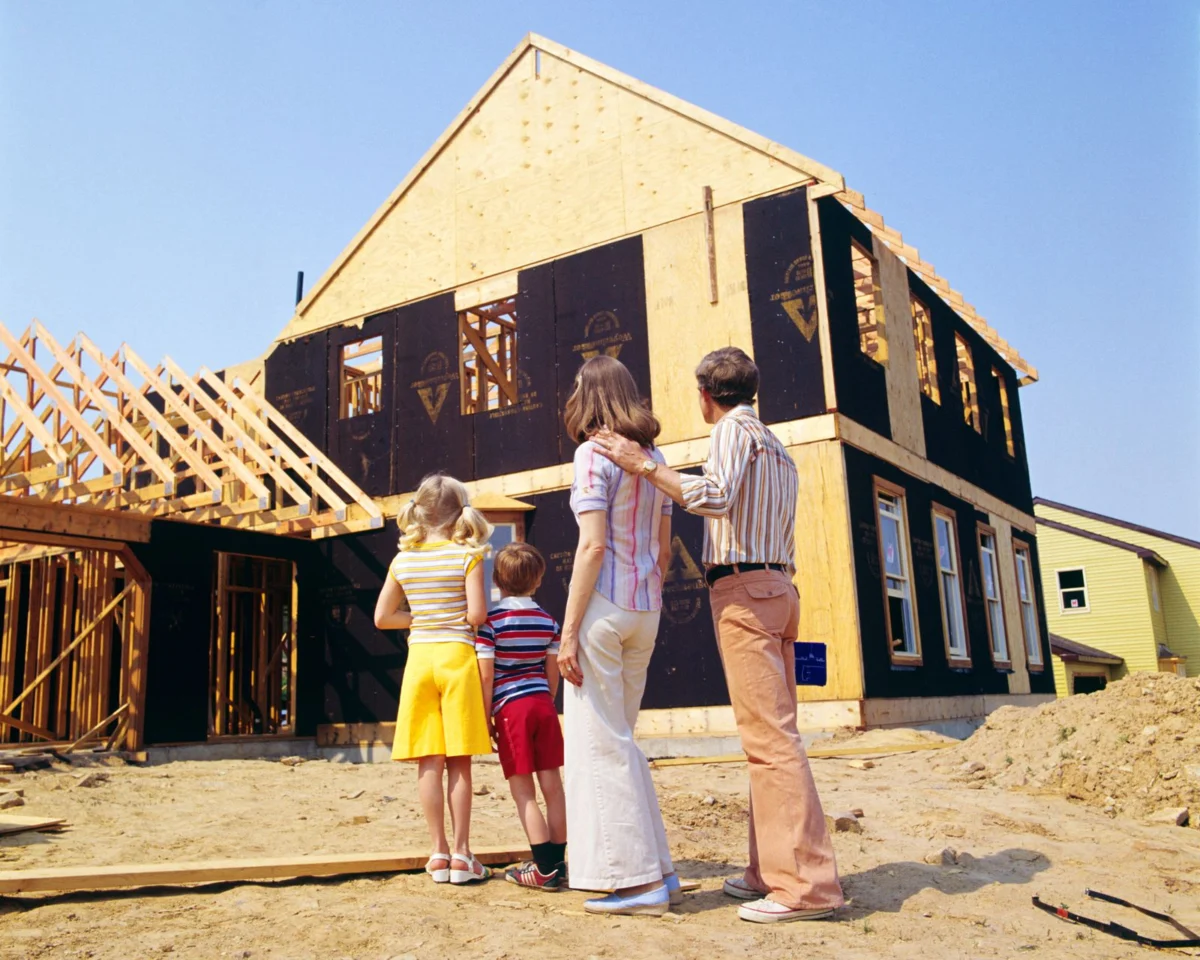
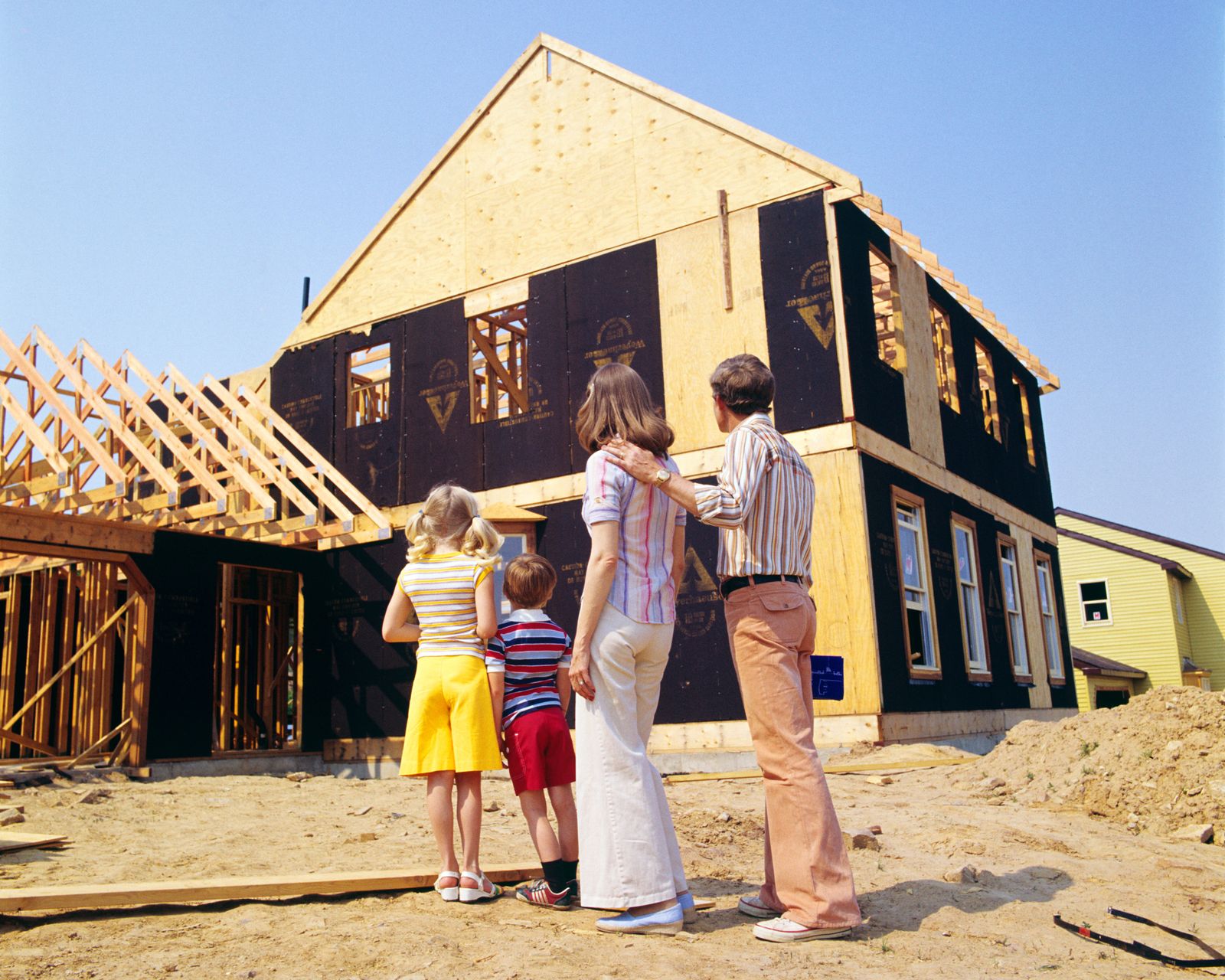
Top photo by H. Armstrong Roberts/ClassicStock/Getty Images