admin
As residential energy costs continue to fluctuate and winter weather patterns become increasingly unpredictable, the necessity of maintaining a thermally efficient home has transitioned from a matter of comfort to a significant economic imperative. According to the U.S. Department of Energy (DOE), heat loss through windows, doors, and structural gaps can account for up to 30% of a household’s heating energy use. For the average homeowner, this translates to hundreds of dollars in preventable expenses annually. To combat this "thermal hemorrhaging," a combination of traditional manual sealing methods and modern smart-home technologies has emerged as the gold standard for residential winterization.
The process of securing a home against the cold involves identifying and mitigating three primary types of heat transfer: conduction (heat moving through solid materials like glass), convection (warm air escaping through gaps), and radiation (heat loss through uninsulated surfaces). By addressing these physical phenomena with a strategic suite of 12 proven solutions, residents can significantly reduce their carbon footprint while enhancing indoor air quality and comfort.
The Evolution of Residential Thermal Detection
Before applying physical barriers, the modern approach to winterization begins with data collection. Historically, homeowners relied on "smoke stick" tests or manual feeling for drafts to find leaks. However, the democratization of thermal imaging technology has revolutionized this diagnostic phase.
The Topdon TC005 Thermal Camera represents a shift in professional-grade tools becoming accessible to the general public. Equipped with a 3.5-inch display and a temperature range of -4°F to 1022°F, this device allows users to visualize "thermal bridges"—areas where the building envelope is failing. Expert testers note that the ability to pinpoint exact coordinates of cold air infiltration allows for surgical application of insulation, preventing the waste of materials on areas that are already structurally sound. This targeted approach is essential for older homes, where insulation may have settled or shifted over decades.
Strengthening the Primary Vulnerability: Windows and Glass
Windows are notoriously the weakest link in a home’s thermal defense. Standard single-pane glass offers almost no resistance to heat flow, and even double-pane windows can become compromised over time. Industry analysis suggests that a multi-layered approach to window treatment provides the highest return on investment.
For immediate, high-impact insulation, the Duck Brand Max Strength Window Kit utilizes puncture-resistant shrink film to create an airtight seal over the entire window frame. This creates a pocket of "dead air," which acts as a powerful insulator. While highly effective, many homeowners seek more permanent or aesthetically integrated solutions.
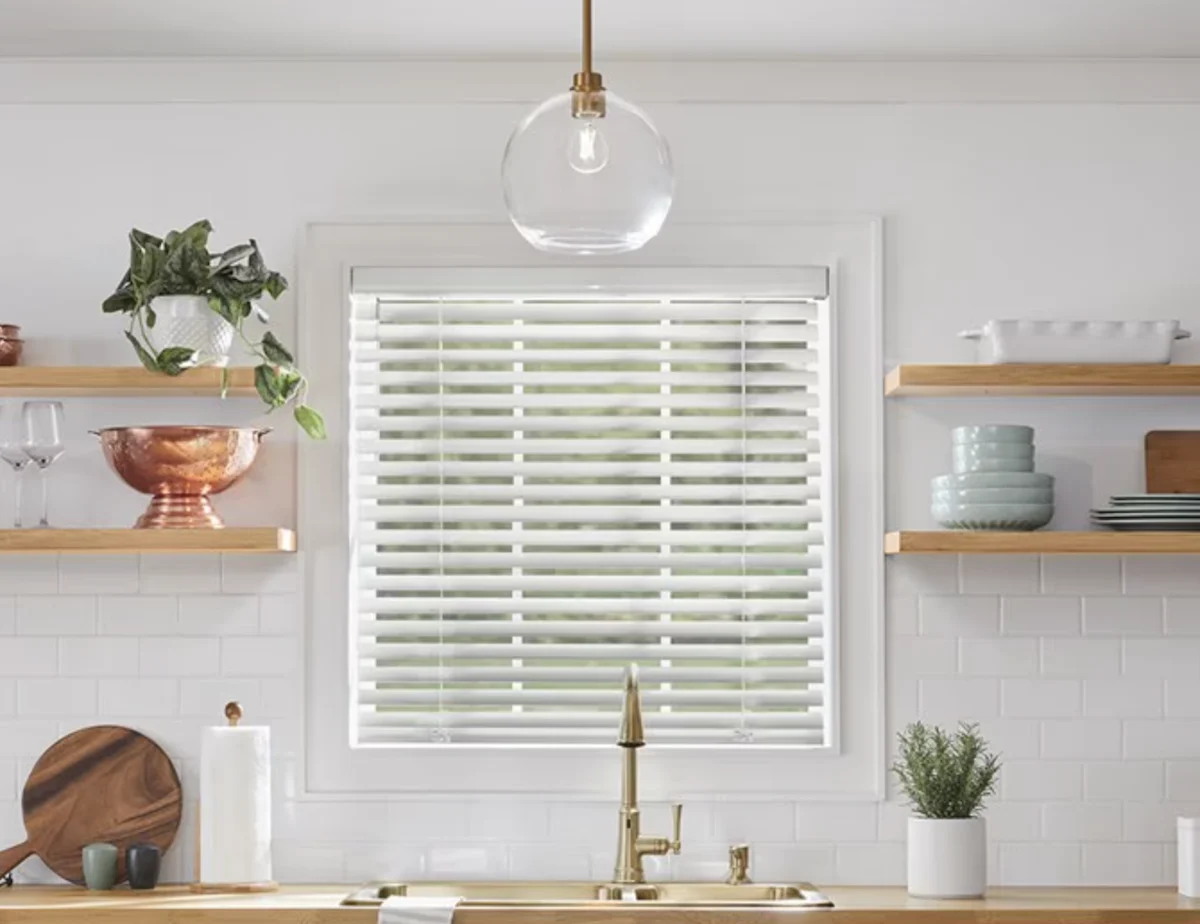
Cellular shades, such as those from the Home Decorators Collection, offer a sophisticated alternative. These shades feature a "honeycomb" design that traps air in individual horizontal cells. This structure creates a series of thermal buffers between the room and the cold glass. When paired with heavy-duty blackout curtains, such as the Best Home Fashion Wide Basic Thermal Blackout Curtain, the cumulative R-value (a measure of thermal resistance) of the window increases substantially. The triple-weave polyester used in these curtains not only blocks light but serves as a dense physical barrier against convection currents that naturally form near cold glass surfaces.
Sealing the Building Envelope: Doors, Trim, and Gaps
While windows lose heat through conduction, doors and baseboards often lose heat through air exchange. The "chimney effect" in homes occurs when warm air rises and escapes through the roof, pulling cold air in through lower-level gaps. To stop this cycle, the building envelope must be hermetically sealed.
Weatherstripping remains the most cost-effective DIY intervention available. Products like Yotache Weather Stripping Foam Seal Tape provide a compressible seal for door jambs and window sashes. However, for fixed joints and exterior transitions, chemical sealants are required. The GE Advanced Silicone 2 Window & Door Sealant is frequently cited by contractors for its durability. Unlike traditional latex caulk, silicone remains flexible in sub-zero temperatures, ensuring that the seal does not crack as the house expands and contracts during thermal cycles.
For the largest gap in most entryways—the space between the door and the threshold—specialized stoppers are necessary. The Maxtid Adjustable Door Draft Stopper provides a dual-sided barrier that moves with the door, ensuring that protection is constant without requiring manual adjustment every time someone enters or leaves the room.
Structural Interventions: Attics and Garages
In many residential architectures, the most significant thermal leaks are found in non-living spaces that connect to the interior. The attic, in particular, acts as a primary exit point for heat. While most attics are insulated, the pull-down staircase is often overlooked, serving as a massive uninsulated "hole" in the ceiling.
The Owens Corning Attic Stair Insulator Tent Cover II addresses this by providing an R-10 fiberglass barrier that fits over the stair casing. By sealing this specific point, homeowners can prevent the "stack effect" from drawing warm air out of the living quarters. Similarly, the garage often acts as a massive heat sink. The Reach Barrier 3009 Garage Door Insulation Kit uses reflective polyethylene layers to turn a standard metal garage door into a thermal shield. This is particularly vital for homes with bedrooms located above the garage, as it stabilizes the floor temperature of the rooms above.
Appliance Efficiency and Standby Heat Loss
Energy efficiency is not solely about keeping cold air out; it is also about maintaining the heat that has already been generated. Water heaters are a prime example of "standby heat loss." As the tank sits in a cold basement or utility closet, the water inside naturally loses temperature through the tank walls, forcing the heating elements to engage more frequently.
The Frost King SP60 Water Heater Insulation Blanket provides an R-10 foil-faced fiberglass wrap that can reduce standby heat loss by as much as 25% to 45%, according to data from the DOE. This simple modification can pay for itself within a single winter season by reducing the "cycling" frequency of the water heater.
The Role of Smart Technology in Climate Management
The final tier of modern winterization involves active management of air and temperature through the Internet of Things (IoT). Static insulation is a passive defense, but smart devices provide an active offense.
Smart thermostats, led by the Google Nest Gen 4, utilize machine learning to understand a household’s schedule and the thermal dynamics of the building. By integrating with remote sensors, these systems can identify which rooms are actually in use and adjust the HVAC output accordingly. Furthermore, the integration of "Adaptive Eco" modes allows the system to react to real-time outdoor weather changes, preemptively adjusting the furnace before a cold front causes a significant drop in indoor temperature.
Complementing the thermostat is the smart ceiling fan, such as the Dreo CLF712S. While fans are traditionally associated with cooling, the "reverse" or "winter" mode is a critical heating tool. Because warm air is less dense than cold air, it naturally gathers at the ceiling. By reversing the fan’s rotation, the blades create an updraft that gently pushes this trapped warmth down the walls and back into the living space, a process known as destratification. This can allow homeowners to lower their thermostat settings by several degrees without any perceptible loss in comfort.
Analysis of Economic and Environmental Impact
The shift toward comprehensive home sealing represents a broader trend in residential sustainability. As utility companies move toward time-of-use pricing models, the ability of a home to "hold" its temperature becomes a financial asset. A well-sealed home can participate in "load shedding," where heating is performed during off-peak hours and the insulation maintains that temperature during expensive peak periods.
From an environmental perspective, the cumulative effect of these 12 solutions is substantial. Residential heating is one of the largest contributors to carbon emissions in the housing sector. By reducing the load on furnaces and boilers through better insulation and smarter controls, the average household can significantly lower its environmental footprint.
Industry experts and consumer advocacy groups increasingly recommend a "whole-house" approach rather than piecemeal fixes. While a draft stopper or a roll of weatherstripping is a good start, the maximum benefit is achieved when the detection (thermal cameras), passive barriers (shades, kits, and blankets), and active controls (smart thermostats and fans) work in unison. As the winter of 2024 approaches, these 12 solutions provide a roadmap for homeowners to achieve a more resilient, efficient, and comfortable living environment.