admin
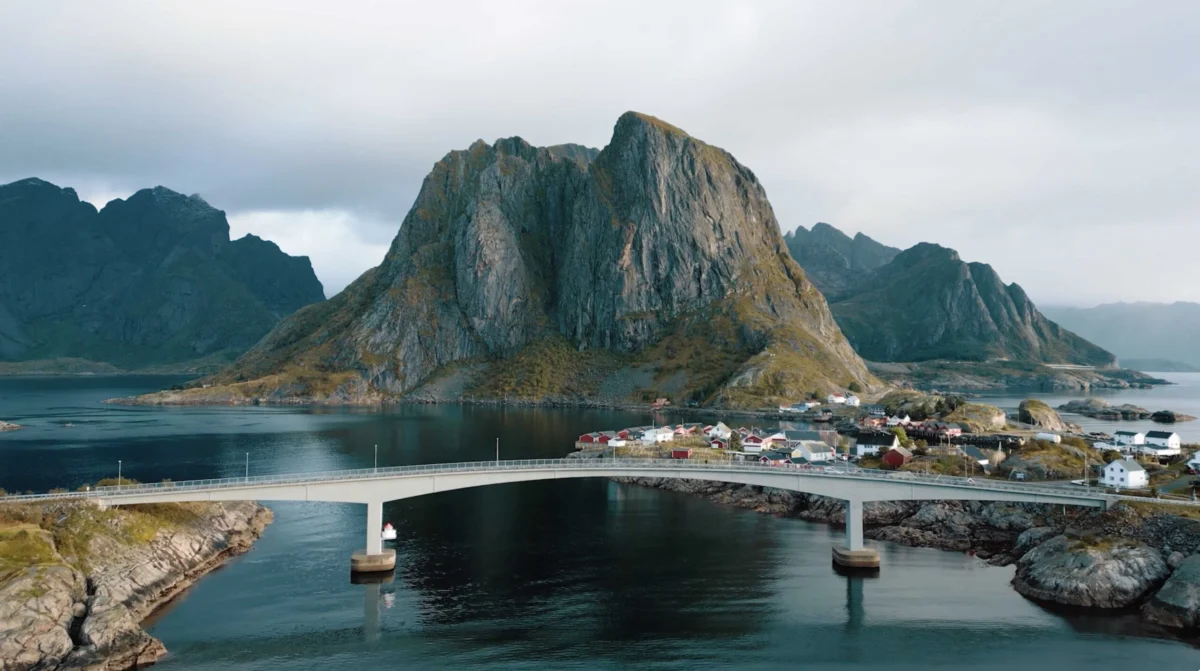
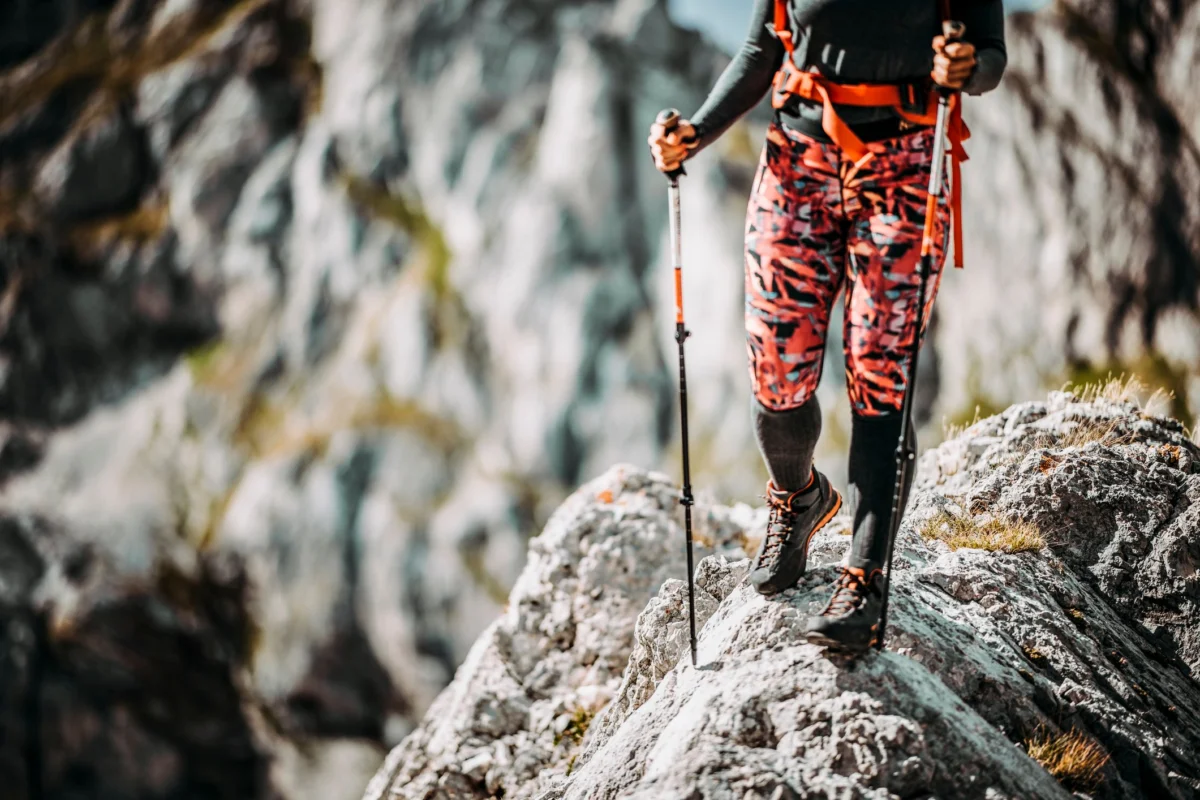
The wind whipped my hat from my head as our hiking guide, Audun Rasmussen, grinned. "Now you know what it’s like to be in the eye of a storm," he declared. Nearly 2,000 feet up a sheer mountain face, buffeted by driving rain, the promised views of picturesque towns and shimmering lakes were entirely obscured by a thick, clinging fog. Instead, the glacial giants surrounding us were swathed in an ethereal shroud. This was Lofoten, an archipelago of dramatic peaks rising from the Norwegian Sea, a place renowned for its rugged beauty and, as I was soon to discover, its profound culinary soul.

My arrival in late September marked the twilight of summer, a time when the endless daylight that draws nearly a million visitors each year begins to recede. While many come to Lofoten to camp, climb, and swim amidst its spiky mountains and sandy fjords, I had come to explore a different facet of this ancient landscape – one found not on its peaks, but on its plates. The archipelago, situated 68 degrees north of the Arctic Circle and accessible via two flights from Oslo, boasts a geology that vastly predates the Jurassic period, providing a unique foundation for its ecosystems and, consequently, its foodways.
Holmen Lofoten: A Culinary Haven Emerges from a Cod Factory
In a windswept corner of Sørvågen, a village nestled in the southwestern reaches of the archipelago, a cluster of mustard-colored cabins perched on stilts extends into the sea. These buildings, once the site of a bustling cod factory, have been meticulously transformed into Holmen Lofoten, a distinguished culinary destination and hotel that has been welcoming global food enthusiasts and adventurers since 2007. The traditional Norwegian fishing cabins, known as rorbuer, are instantly recognizable by their corrugated roofs, some of which are even topped with insulating grass. Walkways connect these structures, leading to wooden decks that offer unobstructed views of the tempestuous ocean. Inside the guest rooms, large picture windows frame the dramatic shoreline, and the simple, hand-hewn furnishings create an atmosphere that feels profoundly elemental, a direct connection to the raw beauty outside.

Ingunn Rasmussen, the warm and engaging matriarch behind Holmen Lofoten and the sister of my hiking guide, acquired the property in October 2001. Today, she co-manages the establishment with her son, Håvar Holmen. "I wanted to build a space that felt like home, where we could all log off and reconnect with our natural roots," she shared during our initial meeting, her words resonating with a deep sense of place. As a fisherman’s daughter, Ingunn grew up on this very site; one of the cabins still bears the faint scribbles of her sister’s childhood on its walls, a testament to its long history. After a period living abroad, Ingunn returned with a clear vision to revitalize this corner of Lofoten. Her approach involved a meticulous restoration, prioritizing the preservation of the original structures and historical details, later complemented by the addition of new buildings designed in the same vernacular to accommodate larger suites.
"Kitchen on the Edge of the World": A Gastronomic Gathering
During my four-day sojourn, Holmen Lofoten was hosting the 30th edition of "Kitchen on the Edge of the World," an extraordinary culinary event launched in 2018. This unique program invites acclaimed chefs to take over the Holmen kitchen four times a year, bringing guests together for an immersive dining experience. This particular iteration was helmed by Matt Orlando, a California-born chef based in Copenhagen, whose impressive resume includes stints at some of the world’s most influential kitchens, such as The Fat Duck in London and Per Se in New York. The event promised a feast for the senses, with every dish deeply connected to the rugged landscape that nurtures its ingredients.

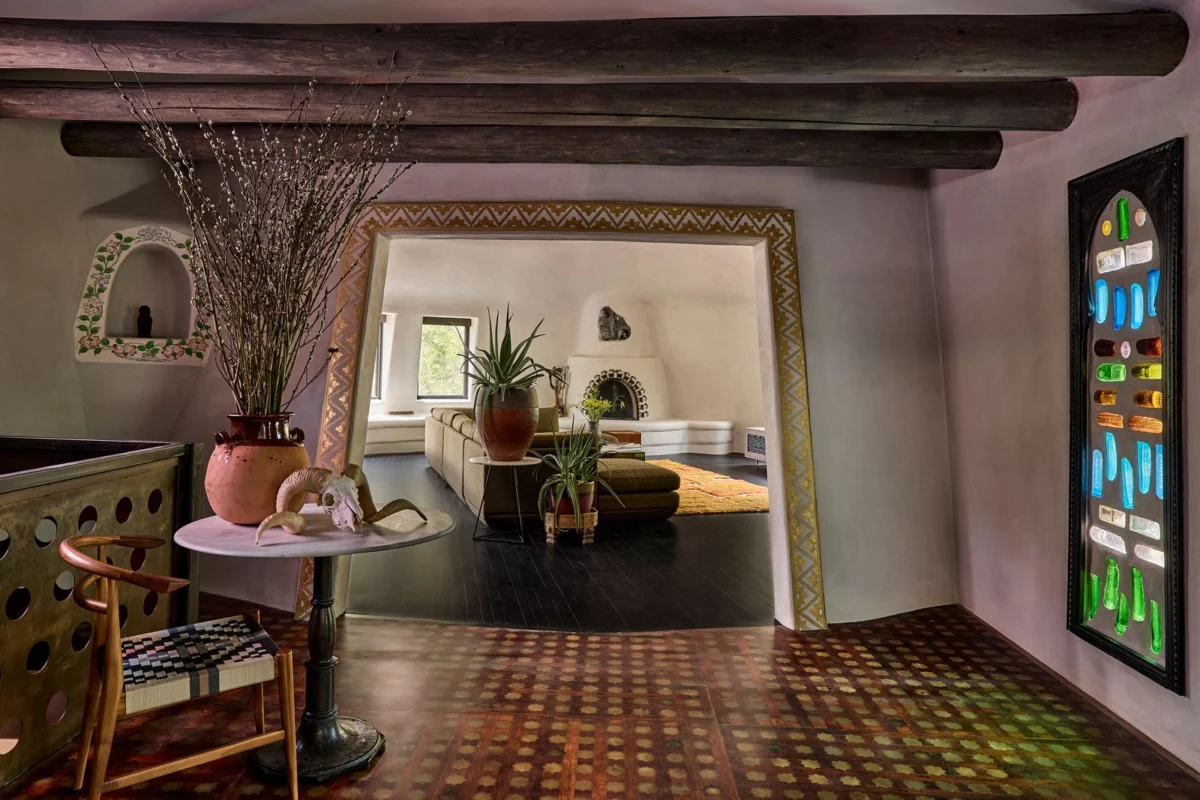
The opening evening commenced in the convivial living room above the kitchen. This shared space, like all of Holmen’s common areas, is characterized by rustic interiors, exposed beams, and an array of raw, sculptural elements – foraged flora, taxidermy, and found objects – that artfully echo the weathered environment outside. The inaugural dinner was prepared by Holmen’s own talented kitchen team, a diverse assembly of young chefs hailing from as far afield as Sicily and Piauí in northeastern Brazil.
Trays of shrimp croustades circulated, accompanied by cocktails that, while appearing as classic Negronis, told a distinctly local story. The vermouth was infused with foraged blackcurrant leaves, and the Campari steeped with dried berries and yarrow flowers. Each sip seemed to capture the rich autumnal palette I had observed blanketing the hillsides during my drive. Even the non-alcoholic option was equally captivating: an elderflower tonic featuring a syrup crafted from freshly picked wild hops. "Holmen was created because we want to show our guests the Lofoten Islands," Ingunn explained, "And food is a critical part of understanding it."

Foraging and Culinary Innovation: A Taste of Lofoten’s Bounty
The following morning, I ventured into the kitchen to observe Chef Matt Orlando and his sous chef, Tom Siebeler, as they prepared for their first official dinner. "Anything that comes out of that wood-fired oven is going to taste amazing," Orlando remarked, expertly working through a pile of reindeer ribs sourced from a sustainable farm operated by Sámi herders just north of Lofoten. Initially anticipating chops, Orlando was creatively improvising garnishes to complement the ribs. Reindeer is one of many ingredients that Holmen meticulously sources locally, alongside artisanal cheeses, Lofotlam (a local lamb product with Geographical Indication protection), and fresh vegetables.
"For us, knowing where things come from matters, even with the objects we use," Ingunn emphasized. The exquisite tableware gracing the dining tables, for instance, was crafted by local ceramicist Gunvor Tangrand. Her organic forms pay homage to the surrounding environment, and her textured surfaces often incorporate old fishing yarn, adding another layer of local heritage to the dining experience.

Orlando had arrived in Lofoten a few days prior, bringing his preferred pantry staples such as barley, Danish yellow peas, and various miso varieties. However, he expressed particular excitement about working with ingredients readily available in the immediate surroundings. He invited me to join him on a foraging expedition for his dinner menu, and we returned with an assortment of freshly gathered chickweed, corn shoots, and sheep sorrel. "I love cooking in remote places," Orlando shared, his eyes reflecting the challenge and inspiration of the environment. "Thinking on the fly and exploring the potential in things you’ve never worked with is where the coolest ideas come from."
A Commitment to Sustainability and Local Flavors
Orlando’s approach at Holmen Lofoten naturally aligns with a philosophy of environmental responsibility, a principle he championed at his acclaimed Copenhagen restaurant, Amass. Amass, which operated in the industrial Refshaleøen neighborhood, was known for its accessible, low-waste tasting menus and a harborside produce garden that guests could explore. While Amass has since closed, Orlando’s commitment to sustainability continues at his new establishment, Esse, which opened last year in a restored Nordhavn warehouse and quickly earned its first Michelin star. Signature dishes, including his celebrated fermented potato bread, have transitioned to Esse, underscoring his enduring dedication to eco-conscious gastronomy.

That evening, as we gathered around communal tables adorned with wildflowers and illuminated by candlelight, anticipation filled the air. The fermented potato bread, served with a delectable allium butter, elicited gasps of delight, followed by similar reactions to the fishbone noodles. This masterful creation, born from pressure-cooking fish bones and puréeing them until smooth, achieved a uniquely slippery texture due to its high collagen content. Orlando artfully complemented this with smoked chili, sunflower-seed miso, and fermented chili cream. The meal, served family-style, encouraged a relaxed and communal atmosphere, with utensils set aside for the main course, the succulent reindeer, which we were encouraged to savor with our hands. As a pescatarian, I thoroughly enjoyed my own dish: hedgehog mushrooms grilled with a chili-strawberry barbecue sauce and served with a vibrant Lofoten chimichurri.
The Skrei Tradition and Emerging Food Movements
The rapid weather changes in the North, described by locals as "four seasons in an hour," contribute to Lofoten’s unique ecological productivity. The confluence of the warmer Gulf Stream and colder Arctic waters supports a rich marine life, while the extended hours of sunlight stimulate plant growth. The sea spray, in turn, nourishes the pastures where lamb graze. "This land and sea have nourished us for generations," Ingunn remarked, highlighting her role in leading guests on foraging walks. These expeditions yield ingredients such as fireweed flowers for immune-boosting teas, cloudberries for jams, and lovage for a potent, savory butter.

Central to understanding Lofoten’s enduring connection to its food sources is the skrei, or Arctic cod. The landscape is dotted with tepee-style wooden drying racks, known as hjeller, which have been a visual fixture for over a thousand years. Although empty during my visit, these racks typically become laden with skrei caught at the culmination of their annual migration from the Barents Sea to Lofoten’s milder spawning waters. Transformed into tørrfisk (wind-dried stockfish), this seasonal bounty has sustained the local economy for centuries. However, like many coastal societies reliant on Atlantic cod, Lofoten has faced ecological pressures over the decades, from shifting migration patterns to the impact of offshore fishing fleets.
In response to these challenges, a more diversified agricultural movement is taking root across the islands. During a particularly rainy afternoon, I journeyed an hour north to the fishing village of Napp, home to the Lofoten Seaweed Company. This entirely women-led enterprise, co-founded by Angelita Eriksen and Tamara Singer, supplies Holmen’s kitchens and its own product lines. Donning wetsuits, the team hand-harvests seven types of local seaweed, including sugar kelp and nori, from the strong tidal currents of straits like Nappstraumen. They transform these oceanic treasures into prized seasonings and even toiletries. Singer guided me through the processing facility housed within a traditional rorbu, a space where Eriksen once prepared cod tongues – a traditional way for local children to earn pocket money. Today, this same space is used to sort, store, and age seaweed for renowned kitchens such as Noma and Geranium in Copenhagen.

A Call for Mindful Tourism and Experiential Travel
The Lofoten Seaweed Company is not an isolated initiative. Across the islands, artisanal cheesemakers and farmers cultivating root vegetables and edible flowers are actively developing the region’s rich ecosystem. Bjørg-Elin Kjærn, who specializes in food and agriculture systems at Love Food, an organization connecting small-scale producers with local restaurants, shared insights into this burgeoning movement. "Lamb, stockfish, and seaweed are all remarkably sustainable ways of producing food," she stated. "But conservation only works when the people living on the land and by the sea can make a good living. When a restaurant chooses these products, it helps keep that whole system alive."
Kjærn is also instrumental in steering tourism towards local food and agriculture, advocating for experiences that extend beyond simply "pitching tents and climbing mountains." This emphasis on local foodways offers a counterpoint to the growing pressures of mountain tourism, a sensitive issue for many residents. Audun, Holmen’s mountaineering guide, now prefers not to disclose the names or locations of specific ascents, fearing that excessive social media exposure could attract unprepared climbers who underestimate the challenges and the unpredictable weather. This concern led to Lofoten banning wild camping in recent years, restricting campers to designated sites.

Tourism has undeniably arrived in Lofoten. In 2025, inbound visitor growth in Northern Norway, and Lofoten in particular, has surpassed that of the rest of the country. This influx brings a familiar tension: the challenge of welcoming visitors while simultaneously protecting the very essence that makes the destination so appealing. "Our hope is that people come to Lofoten for the right reasons," Ingunn conveyed. "Ultimately, that will be what helps us protect the islands and our way of life." Food, increasingly a central driver of travel choices, presents a compelling avenue to bridge this gap, inviting visitors in while fostering a deeper understanding of the place they have come to experience. "Here, you can’t separate food production and landscape," Kjærn observed. "Much of what visitors come to see, whether they know it or not, is shaped by food."
Embracing the Elements: A Deeper Connection
At Holmen, encounters with nature are woven into the fabric of daily life. Guests are encouraged to forage not only for culinary ingredients but also for artistic inspiration. During my stay, I participated in gathering moss, mushrooms, and branches laden with berries for creating wild tablescapes with the guidance of Becky Hindley, a British botanical artist. In a sunlit woodworking cabin, I spent hours with Lee John Phillips, a Welsh woodcarver, fashioning spoons from local birch. This experience offered a unique form of luxury, rooted in the knowledge of how to build a life from the resources the land provides.

As in any welcoming home, the kitchen at Holmen serves as the heart of the establishment. We found ourselves consistently drawn back to witness the chefs at work, prying open Icelandic queen scallops and expertly slicing basketfuls of chanterelles and hedgehog mushrooms. Chef Orlando was always accessible, readily sharing recipes and initiating conversations about food systems. Unlike many modern culinary festivals, there was no hidden "backstage" area; the kitchen was an open invitation. "This is my dream for a restaurant," Orlando declared on the night of his final presentation, as we savored grilled pollock with chard shishito butter and sipped a remarkable oat milk drink infused with green cardamom, rose, and spiced apple. "To be able to have diners weave in and out and chat as I cook."
Despite the persistent fog that characterized my four-day visit, obscuring the clear blue skies we had hoped for, the experience left me feeling profoundly revitalized. The astonishing dishes served beside a crackling oven, the easy camaraderie that blossomed around the dinner table, and the ever-present possibility of witnessing the Northern Lights fostered a heightened sense of awareness of the world around me.

One morning, as the weather momentarily cleared, we boarded inflatable boats and navigated choppy waters to a small, uninhabited island. Once a thriving fishing village, it was abandoned in the mid-20th century with the advent of motorboats, rendering the need for communities to live in close proximity to spawning grounds obsolete. Nature has since reclaimed this idyllic spot, where Ingunn spent her childhood summers picking berries and swimming, transforming it into a landscape of cascading waterfalls and carpets of reindeer moss.
While others explored the shoreline on foot, I sat by the jetty, absorbing the panorama: mountains dissolving into the sea, white-tailed eagles soaring overhead, and the delicate subarctic flora underfoot. There is a unique phenomenon that occurs when one shifts between observing the grand, sweeping vistas and focusing on the minute details – a state known as attentional elasticity. This psychological framework, which helps anchor an individual in the present moment, might explain the profound stillness I felt, despite the lingering jet lag and the allure of the activity around me.

The hotel crew built a campfire, around which we shared fish soup and took turns making pinnebød by winding dough around birch sticks and cooking it over the flames. A flask of aquavit, affectionately referred to as "holy water" in these parts, made a welcome appearance, further cementing the sense of shared experience and local tradition.
At Holmen, the integration of nature into daily life was palpable. We foraged not only for sustenance but also for artistic expression, gathering moss, mushrooms, and branches heavy with berries to create wild tablescapes alongside botanical artist Becky Hindley. In a woodworking cabin, where sunlight optimistically pierced through the fog, we spent hours with Welsh woodcarver Lee John Phillips, fashioning spoons from local birch. This immersion in traditional crafts offered a profound connection to the land and a tangible understanding of a lifestyle deeply rooted in its offerings.

As the final days of my visit unfolded, the culinary journey at Holmen Lofoten served as a potent reminder that travel can be a powerful catalyst for understanding. By embracing the elemental forces of nature and the rich tapestry of local foodways, this remote corner of the world offers a profound invitation to connect with a landscape, its people, and its enduring spirit. The experience at Holmen Lofoten was not merely a meal; it was an immersion, a lesson in sustainability, and a testament to the power of food to illuminate the soul of a place.