admin
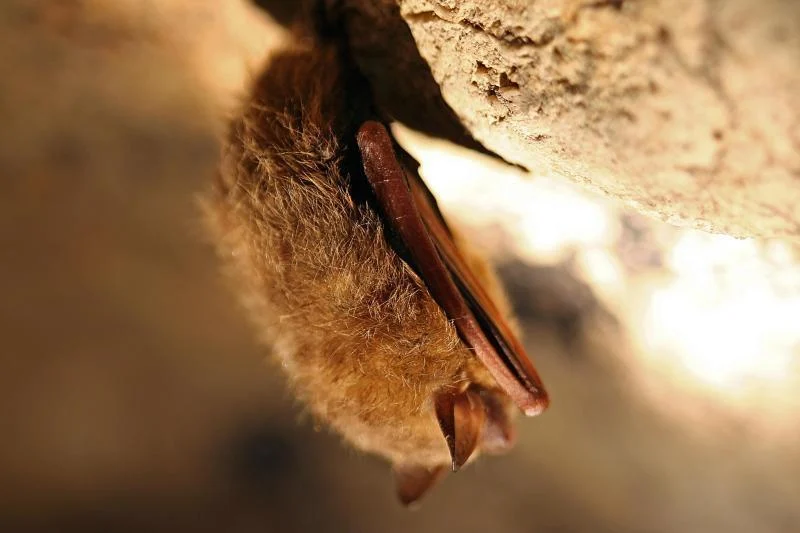
A Nova Scotia non-profit organization is spearheading an urgent call to action, asking the public to symbolically "adopt" a bat. This innovative initiative, launched by the Nature Trust of Nova Scotia, aims to significantly elevate public awareness regarding a rare and ecologically vital species, the Tri-coloured Bat, while simultaneously securing crucial financial support for its conservation across the Maritimes. The campaign comes at a critical juncture, as bat populations in the region continue to grapple with the devastating aftermath of white-nose syndrome, a fungal disease that has decimated their numbers over the past decade.
The Tri-coloured Bat: A Small Marvel Facing Immense Threats
The Nature Trust of Nova Scotia’s "Adopt a Tri-coloured Bat" initiative specifically targets one of North America’s smallest and most enigmatic bat species, formerly known as the Eastern Pipistrelle. These diminutive winged mammals are a testament to nature’s intricate design, weighing no more than a Canadian Toonie – roughly five to nine grams – yet they wield an outsized influence on the health and balance of the region’s ecosystems. Their name, "Tri-coloured," refers to the distinct banding of color on each individual hair: dark at the base, lighter in the middle, and dark at the tip, providing camouflage and a unique identifier.
Lucas Greville, a respected bat researcher and professor at Mount Allison University, underscores their indispensable role. "They’re a keystone species," Greville explains, highlighting their disproportionately large impact on their environment relative to their abundance. The Tri-coloured Bat, like other insectivorous bats, serves as a natural pest control agent of unparalleled efficiency. "They’re going to be eating and taking care of a lot of moths, beetles, general pests. So they’re something we really want to have around." A single bat can consume thousands of insects in a single night, collectively saving agricultural industries millions of dollars annually by reducing the need for chemical pesticides. This ecological service is not just economically beneficial but also vital for maintaining biodiversity and preventing insect outbreaks that could threaten forests and crops.
Beyond their dietary habits, Tri-coloured Bats possess unique habitat preferences in Nova Scotia. Jaimee Morozoff, the Nova Scotia Nature Trust’s director of conservation, points out a distinct regional characteristic: "They are unique to Nova Scotia in the way that they are roosting with the Old Man’s Beard (lichen), which is, you know, a really charismatic, typical Nova Scotia forest indicator." This specific reliance on a particular type of lichen for daytime roosting sites makes the preservation of old-growth and mature forests even more critical for their survival in the province. These lichens offer camouflage, insulation, and protection from predators, illustrating the intricate web of dependencies within a healthy ecosystem.
The White-Nose Syndrome Catastrophe: A Decade of Devastation
The impetus for such a focused conservation effort stems directly from an ecological disaster that swept across North America, profoundly impacting bat populations. The early 2010s marked the arrival of white-nose syndrome (WNS) in the Maritime provinces, unleashing unprecedented devastation. WNS is caused by the cold-loving fungus Pseudogymnoascus destructans (Pd), which thrives in the cool, humid conditions of bat hibernacula – caves and abandoned mines where bats congregate to overwinter.
The fungus colonizes the exposed skin of hibernating bats, particularly their muzzles, wings, and ears, forming a characteristic white fuzzy growth. This irritation constantly rouses bats from their torpor, causing them to expend precious fat reserves prematurely. During hibernation, bats enter a state of metabolic suppression, conserving energy to survive long periods without food. Frequent awakenings deplete these critical fat stores, leading to starvation, dehydration, and often death before spring arrives.

The timeline of WNS in North America paints a grim picture. First identified in a cave near Albany, New York, in the winter of 2006-2007, the disease rapidly spread. By 2010, it had reached Eastern Canada, including Nova Scotia, New Brunswick, and Prince Edward Island. The impact was immediate and catastrophic. Within just a few years of its detection, populations of all six native bat species in the Maritimes – including the Little Brown Bat, Northern Long-eared Bat, and the Tri-coloured Bat – plummeted by an estimated "upwards of 95 per cent."
Greville vividly recalls the scale of the tragedy: "We’re talking thousands of bats just lying dead in their hibernation sites." This dramatic collapse pushed several species to the brink of extinction, leading to their designation as endangered under both federal and provincial wildlife acts. The Northern Long-eared Bat, for instance, experienced declines exceeding 99%, making it one of the most severely affected mammals globally.
A Slow and Fragile Recovery
In the years following the initial onslaught, researchers have observed tentative signs of recovery for some species, albeit at a glacial pace. "Since then, we’ve started to see a slow incline over the last handful of years, specifically of the little brown bats," Greville notes. This glimmer of hope suggests that some individuals possess a degree of genetic resilience to the fungus. "There’s likely some genetic resilience that the individuals who are surviving white-nose now display, as all bats that are surviving today have experienced this fungus and disease in some capacity." These surviving bats represent a vital genetic reservoir, offering a chance for future generations to adapt and potentially develop greater resistance.
However, the path to repopulation is inherently slow due to bats’ unique life history. Unlike many small mammals that produce multiple large litters annually, bats have a low reproductive rate. On average, female bats give birth to only one or, occasionally, two pups per litter, per year. While bats have relatively long lifespans for their size (some species can live over 30 years), this slow reproductive cycle means that recovering from a 95% population loss is a decades-long, if not centuries-long, endeavor. For the Tri-coloured Bat, which typically produces only one pup, the challenge is even greater.
Beyond WNS, bats face a multitude of ongoing threats. Habitat loss and fragmentation due to deforestation, urbanization, and agricultural expansion continue to erode their foraging grounds and roosting sites. The pervasive use of pesticides reduces their insect prey base, further stressing recovering populations. Climate change also poses a threat, altering insect availability and potentially disrupting hibernation patterns, making bats more vulnerable. Therefore, conservation efforts must address a complex array of challenges to ensure their long-term survival.
The "Adopt a Tri-coloured Bat" Initiative: A Beacon of Hope
The Nature Trust of Nova Scotia’s "Adopt a Tri-coloured Bat" initiative forms a crucial part of its broader "Gifts of Nature" program, an annual fundraising drive designed to connect the public with tangible conservation actions. The core objective is to generate funds that will directly fuel land stewardship and habitat protection efforts.
Morozoff emphasizes the direct impact of donations: "It’s really critical that we’re able to protect the places where those remaining bats are still roosting and surviving." Funds raised through the adoption program will be channeled into acquiring and legally protecting critical bat habitats – including summer roosting sites, maternity colonies, foraging areas, and potential hibernacula. This permanent land protection ensures that essential spaces for bats remain undisturbed, providing safe havens for recovery and breeding. These efforts often involve scientific surveys to identify key bat areas, working with landowners, and implementing management plans to enhance habitat quality.

Donors to the program receive a symbolic adoption package, which serves not only as a thank-you but also as an educational tool. Each package includes exclusive artwork and a personalized "adoption certificate," fostering a personal connection to the conservation cause. Anna Weinstein, the Nature Trust’s communications manager, elaborates on the program’s design: "Last year, we redesigned the full program with the Nova Scotia lettering and mural artist named Kristen DePalma. This is a really nice way to support that collaboration, support a local artist, and also help conservation at the same time." This approach not only aids bat conservation but also supports local talent and promotes community engagement, creating a synergistic benefit.
Broader Conservation Efforts and Citizen Science
The "Adopt a Tri-coloured Bat" initiative is part of a larger, collaborative conservation framework dedicated to bat survival in the Maritimes. One of the most powerful tools in this effort is citizen science – engaging the public in data collection. The Nature Trust, along with partners like the Canadian Wildlife Health Cooperative and provincial natural resources departments, strongly encourages individuals to report bat sightings. This can be done online at batconservation.ca or by calling the Atlantic Bat Hotline at 1-833-434-2287 (BATS).
These reports are invaluable for researchers and conservation managers. They help track population trends, identify active roosting sites and hibernacula, monitor the spread or regression of WNS, and pinpoint areas requiring urgent protection. For instance, discovering new maternity colonies or winter hibernacula can directly influence land acquisition priorities and management strategies. Each sighting, no matter how small, contributes to a clearer picture of bat distribution and health across the region.
Beyond reporting, other conservation strategies are continually being explored. Research into potential treatments for WNS, development of fungicides, and understanding genetic resistance are ongoing. While building bat houses is beneficial for some species, the Tri-coloured Bat’s preference for natural roosts in tree bark and lichen means that forest protection and sustainable forestry practices are paramount for their specific needs. Public education remains a cornerstone, dispelling common myths about bats and highlighting their ecological importance to cultivate a broader appreciation and support for their conservation. Provincial wildlife authorities and environmental agencies often emphasize the critical role of non-profit organizations and public participation in addressing complex conservation challenges like WNS. Such collaborative efforts are deemed essential for the long-term recovery of endangered species.
Implications and Future Outlook
The implications of declining bat populations extend far beyond the immediate ecological sphere. The loss of these nocturnal insectivores disrupts natural pest control mechanisms, potentially leading to increased insect pest outbreaks in agriculture and forestry. This, in turn, could necessitate greater reliance on chemical pesticides, with associated environmental and health risks. The economic value of bats in pest suppression is estimated to be in the billions of dollars annually across North America, underscoring their quiet but profound contribution to human economies.
Ecologically, the disappearance of bats represents a significant blow to biodiversity. As Greville profoundly states, "as bat biologists, we often say the scariest part about a bat is a world without them." Their absence creates trophic cascades, impacting insect populations and potentially affecting other species that rely on insects or are preyed upon by bats. Maintaining a robust and diverse ecosystem requires the presence of all its components, including its often-misunderstood nocturnal guardians.
The "Adopt a Tri-coloured Bat" initiative, alongside broader conservation efforts, offers a beacon of cautious optimism. While the challenges posed by white-nose syndrome are immense and the recovery process protracted, the dedication of organizations like the Nature Trust of Nova Scotia, coupled with increasing public awareness and participation, provides a pathway forward. Protecting the remaining resilient populations and their critical habitats is the most immediate and impactful action that can be taken. The future of the Tri-coloured Bat, and indeed all bat species in the Maritimes, hinges on sustained scientific research, proactive habitat preservation, and the collective commitment of communities to safeguard these invaluable creatures.