admin
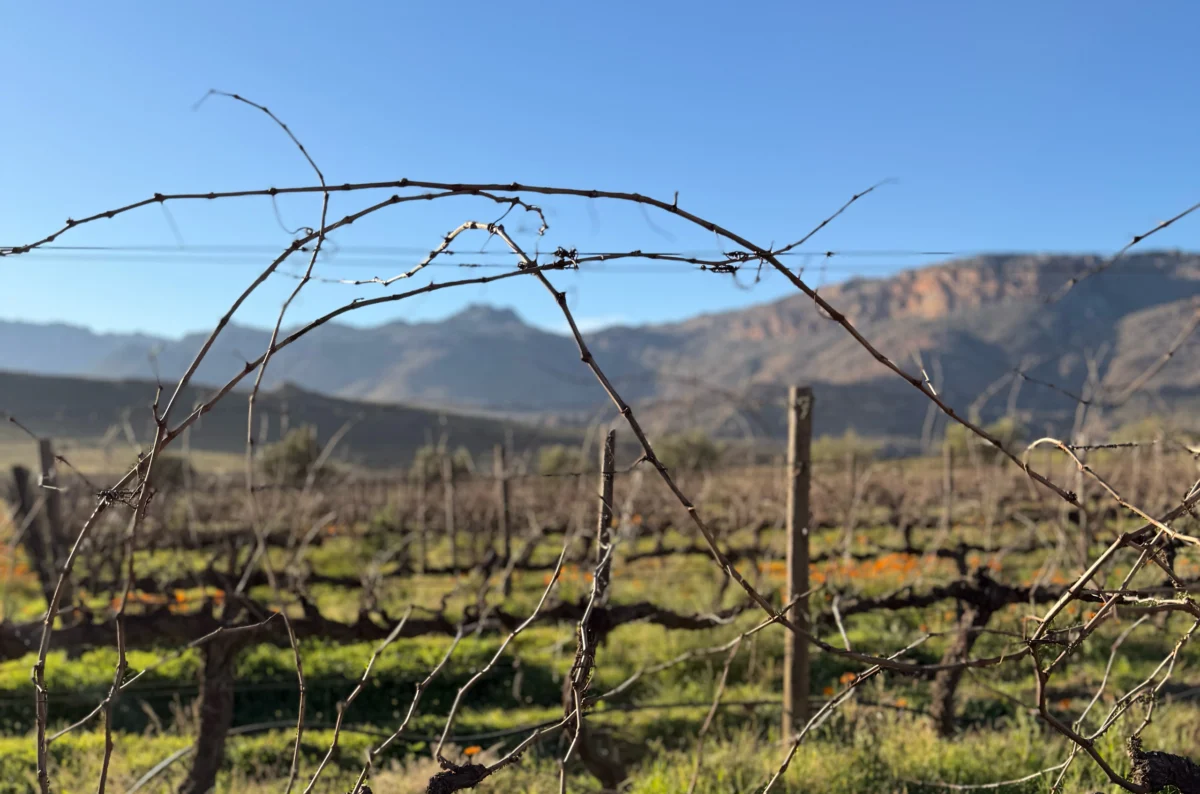
The recently unveiled ninth edition of The World Atlas of Wine, a revered global authority on wine geography for nearly six decades, highlights a transformative shift in global viticulture: the significant expansion of vineyards towards the Earth’s poles. Jancis Robinson OBE MW, co-editor of the seminal work, underscored this geographical repositioning as the most remarkable development in the contemporary wine landscape. While a warming climate undeniably acts as a primary catalyst, rendering regions like Scandinavia and Patagonia increasingly amenable to viticulture, the atlas also points to the emergence of new winegrowing clusters in diverse, often challenging, environments across Southeast Asia, China, and parts of Africa, where climatic shifts have been less favorable, if not outright detrimental, to traditional grapevines. These new frontiers are characterized by a relentless, experimental drive from pioneers determined to push the established boundaries of wine production.
The Shifting Wine Map: Insights from The World Atlas of Wine
First published in 1971 by Hugh Johnson and later joined by Jancis Robinson, The World Atlas of Wine has consistently served as the definitive reference for understanding the intricate relationship between geography, climate, and viticulture. Its ninth edition, released in 2023, offers an updated perspective on a rapidly evolving industry. Robinson’s observation about polar expansion directly correlates with global climate data indicating a rise in average temperatures. Over the past century, global average temperatures have increased by approximately 1.1 degrees Celsius, a trend that has demonstrably extended the growing season and altered Growing Degree Day (GDD) accumulations in traditionally cooler regions. This phenomenon has made previously marginal areas in the northern hemisphere, such as southern Sweden, Denmark, and parts of the UK, viable for grape cultivation. Similarly, in the southern hemisphere, regions in Patagonia, New Zealand’s South Island, and even Tasmania are seeing increased potential for quality wine production, challenging the long-held perception of wine’s optimal climatic zones.
However, the narrative is not solely dictated by climate change. Many emerging wine regions, particularly those closer to the equator, face entirely different challenges. In these areas, such as high-altitude zones of Colombia or tropical islands like Bali, the impact of climate change on viticulture is often negative, characterized by excessive heat, humidity, or lack of crucial dormancy periods for vines. Here, human ingenuity, adaptation, and an unwavering commitment to experimentation are the primary drivers. These pioneers are not merely reacting to environmental shifts but actively seeking to redefine where and how wine can be made, driven by an entrepreneurial spirit and a deep passion for the craft. The total global vineyard area has remained relatively stable over the last decade, hovering around 7.4 million hectares, but the distribution within this total is visibly shifting, with notable, albeit small in overall terms, increases in these non-traditional zones.
Pioneers and Their Terroir: Beyond Traditional Climates
The establishment of vineyards in these nascent regions requires a profound departure from conventional wisdom, often necessitating years of trial and error in the absence of established knowledge or historical precedent. These trailblazers are not just cultivating grapes; they are cultivating entirely new agricultural ecosystems and local expertise, often investing significant personal capital and years of effort before seeing any return.
Colombia’s High-Altitude Viticulture: The Abarán Vineyard
One such visionary is Pepe Saura, a native of Murcia, Spain, whose family boasts a long viticultural heritage. Saura embarked on an audacious venture: establishing Viñedo Abarán on a high-altitude plateau in the Colombian Andes. "My family has a winery in Spain, so I have a viticultural background, but when I arrived here I had no idea what sort of variety could work on this soil and in this climate," Saura recounts, highlighting the profound knowledge gap he faced when he began his project in the mid-2010s. The Andes region presents a unique microclimate characterized by a perpetual spring, cool night-time temperatures due to altitude (the vineyard is situated at over 2,500 meters above sea level), and intense daytime UV radiation.
Viñedo Abarán, now spanning approximately 2.5 hectares, is primarily planted with Merlot and Vitis labrusca, a North American native grape widely cultivated across South America for its resilience in tropical and subtropical conditions. Saura’s approach has been one of continuous innovation. Recognizing the vines’ propensity for continuous vegetative growth in the region’s "never-ending spring," where dormancy is virtually absent, he meticulously trialed various trellising systems before settling on a pergola system. This method not only helps manage the vines’ vigor but also crucially shades the delicate fruit from the harsh Andean UV light, preventing sunburn and preserving aromatic compounds. The cool night temperatures, a benefit of the vineyard’s altitude, allow for slower ripening. This combination enables Saura to achieve a harvest every seven months, significantly less frequent than the almost three potential crops a year the vines could yield. This extended ripening period is critical for developing phenolic maturity and ultimately enhancing fruit quality and complexity in the resulting wines. The experimental spirit here is palpable, with every decision from varietal selection to canopy management being a learned adaptation to a truly unique terroir.
Sweden’s Northern Exposure: Vingården i Klagshamn
In stark contrast to the tropical Andes, Murat ‘Murre’ Sofrakis of Vingården i Klagshamn exemplifies pioneering in a cold-climate frontier. He is a pivotal figure in Sweden’s burgeoning wine industry, which has seen remarkable growth over the last decade, with vineyard hectares increasing from negligible amounts to several hundred across the country since the early 2000s. "Obviously, there was no textbook for what we were doing at the time," Sofrakis states, succinctly capturing the essence of early-stage viticultural development in unproven regions. His journey, beginning in the late 1990s, involved extensive research and mentorship, drawing inspiration from nearby Denmark, where the wine industry had a slight head start, and from established producers across Europe. However, he emphasizes that such guidance could only be an inspiration, not a blueprint. "Every location is very different when it comes to winemaking," he asserts, highlighting the specificity of terroir and the need for localized solutions, even within the broader cold-climate category. Swedish viticulture often relies on hybrid grapes developed for cold hardiness and disease resistance, such as Solaris and Rondo, alongside meticulous site selection to maximize sunlight exposure and mitigate frost risk. The focus is on early-ripening varieties that can thrive in shorter, cooler growing seasons, often producing wines with vibrant acidity and distinct mineral notes that are increasingly gaining international recognition.
Navigating the Logistical Labyrinth: Supply Chains and Isolation
Beyond the vineyard, pioneers in remote wine regions face immense logistical hurdles, particularly concerning supply chains and infrastructure. These challenges can profoundly impact both vineyard operations and winemaking processes, often inflating costs and increasing the risk of production delays or failures.
Bali’s Winemaking Frontier: Cantine Balita’s Isola Wine
Giotto Castiglioni, the founder of Cantine Balita’s Isola Wine on the north coast of Bali, Indonesia, vividly illustrates these difficulties. Operating in a dreamy mountain-jungle setting, the winery’s isolation dictates that all essential supplies – from barrels and yeasts to analytical reagents – must arrive in a single annual shipment. "It’s a significant technical problem because if Giacomo [Anselmi, the oenologist] makes a mistake and the container has already left, we have to wait until the following year," Castiglioni explains. "It’s not like we can go and buy the product down the road, that stuff simply doesn’t exist here." This creates an environment where planning, precision, and redundancy are paramount, as even minor miscalculations can have catastrophic, year-long consequences for production. The lead time for securing specialized winemaking equipment or ingredients can stretch to months, requiring meticulous foresight and a significant financial buffer.
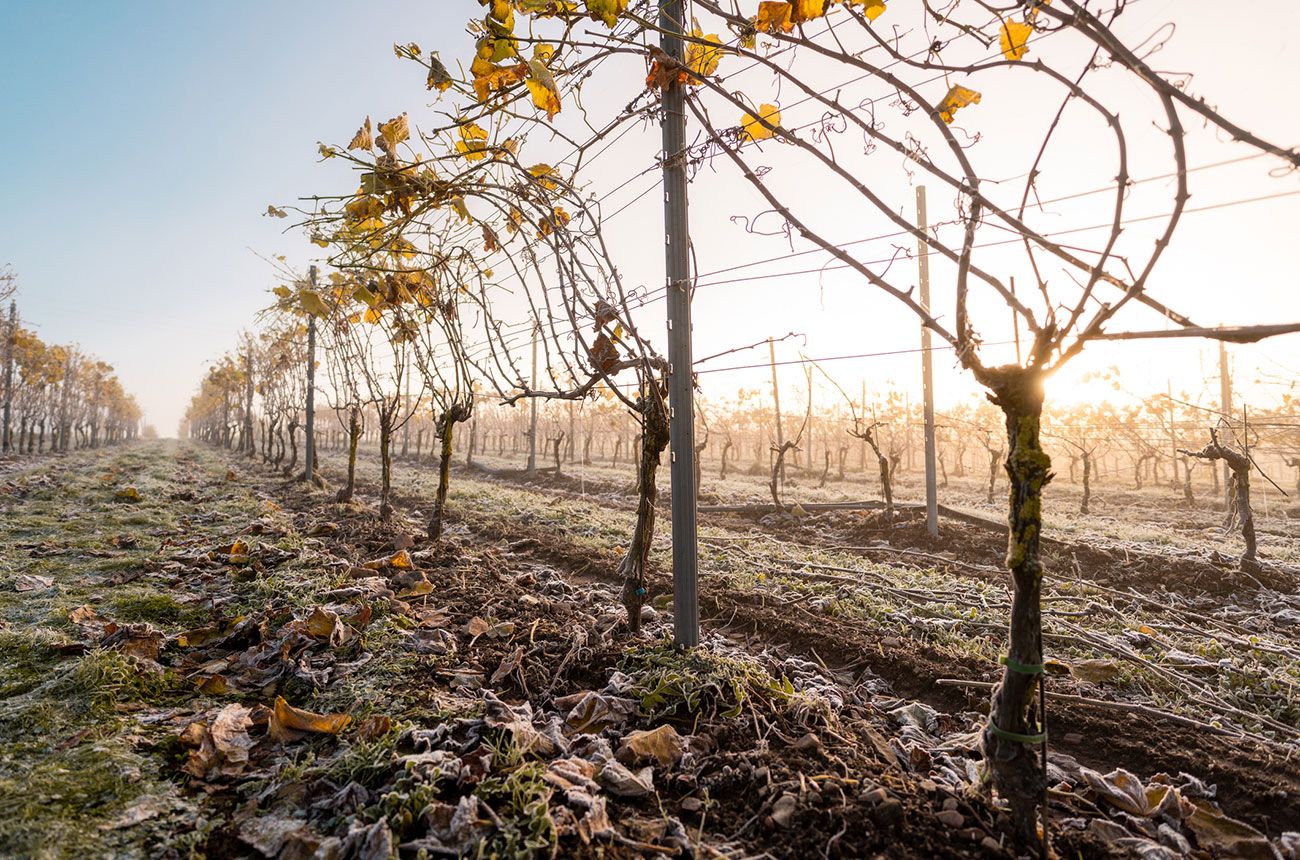
The challenges extend to the very core of winemaking quality control. In most established wine regions, small to medium-sized wineries outsource specialized analyses (e.g., pH, total acidity, volatile acidity, sugar levels) to commercial laboratories, a cost-effective solution given the exorbitant price of advanced machinery. However, for Isola Wine, this is not an option. "But we simply can’t send anything anywhere, because by the time it gets to Australia, goodbye, the wine could have become anything, so we have to do everything ourselves," Castiglioni laments. This necessitates significant upfront investment in laboratory equipment and the training of personnel, adding layers of complexity and cost that would be atypical for a winery of their scale in a more developed wine region. It underscores the profound self-reliance required when operating on the true periphery of the global wine industry, where every aspect of production, from grape to bottle, must be managed internally.
Ingenuity and Adaptation: Overcoming Resource Scarcity
The absence of an established local supply chain forces these pioneering winemakers to become incredibly resourceful and innovative in their search for equipment and materials. Standard winery supplies, readily available in traditional regions, become luxury items in these new frontiers, often at prohibitive costs. This drives a powerful impetus towards local sourcing and creative adaptation.
Consider the example of oak barrels, a cornerstone of winemaking for imparting complexity and texture. Imported European oak can cost up to three times more in Colombia than in well-established wine markets due to shipping, tariffs, and limited demand. To circumvent this significant financial and logistical obstacle, Pepe Saura of Viñedo Abarán has turned to indigenous Colombian oak. This wood, historically utilized by local industries, notably by Industria Licorera de Caldas, a leading rum producer in the heart of Colombia’s coffee region, offers a locally sourced, sustainable, and more affordable alternative. This creative adaptation not only addresses a practical need but also imbues the wines with a unique regional character, potentially differentiating them in a crowded global market. Such local sourcing often involves extensive experimentation to understand how indigenous woods interact with wine, requiring additional layers of research and development that traditional winemakers might never encounter. Initial trials with local woods might involve testing different toast levels and aging durations to understand their aromatic and structural contributions to the wine.
Beyond barrels, pioneers often need to adapt existing agricultural machinery, develop bespoke vineyard tools, or even invent solutions for climate control, irrigation, and pest management that are tailored to their specific, often extreme, environmental conditions. This demands a deep understanding of engineering, ecology, and viticulture, pushing the boundaries of what is considered standard practice and fostering a culture of constant problem-solving. For instance, in regions with high humidity, managing fungal diseases requires innovative canopy management or organic solutions, as conventional chemical treatments might be cost-prohibitive or environmentally undesirable.
Cultivating a Market: From Grapes to Global Palates
Producing quality wine in challenging conditions is only half the battle; the other, equally formidable, challenge is cultivating an audience for it. In regions where wine consumption is not deeply ingrained in the local culture, winemakers must effectively create "wine people" from scratch, often against a backdrop of established local beverage preferences.
Giacomo Anselmi, the oenologist at Isola Wine in Bali, highlights the "human factor" as one of their biggest difficulties. "We had to make the locals who harvested the grapes understand that we wouldn’t simply pay them by the kilo, but according to quality (and that they could actually earn more this way). That was really, really difficult," Anselmi explains. This illustrates the need for fundamental education, not just for consumers but also for the agricultural workforce, to instil an understanding of quality metrics and their impact on the final product and potential earnings. Traditional agricultural practices might prioritize volume over quality, a mindset that requires careful and patient re-education and a shift in economic incentives.
To get projects off the ground, many emerging wineries strategically locate themselves near tourist destinations. European, American, and other Western visitors often represent an existing audience familiar with wine, providing an initial market base while efforts are made to build a local following. However, establishing a sustainable local market remains a long-term goal. Pepe Saura’s experience in Colombia underscores this, as he "still now [sells] a lot more grape juice than wine." In response, Saura is proactively building a small museum at his finca (farm) to educate visitors about the history of wine. "That’ll help me gradually build my own local audience of wine lovers," he states, demonstrating a holistic approach to market development that combines production with education and cultural promotion. This strategy acknowledges that taste preferences are often culturally constructed and require consistent exposure and engagement to evolve.
Regulatory Evolution: The Swedish Example
Regulatory frameworks, often designed for mature wine industries, can pose additional hurdles for nascent regions. However, as these new industries gain traction, governments sometimes recognize their potential and adapt policies. In Sweden, for instance, strict restrictions on the sale and promotion of alcohol have historically presented a significant obstacle for local wineries. Yet, in a landmark decision in 2023, regulators permitted wineries to sell directly to visiting tourists. "It’s good that they recognized our industry’s potential with this," Murat Sofrakis remarks, emphasizing the transformative impact of this policy shift. "When it started last year, it became a game changer, because a lot of Swedish wine producers are located where the tourists are, so it’s not uncommon for them to sell out all their wines in three months." This move not only provides a vital revenue stream but also fosters direct consumer engagement and supports wine tourism, contributing to rural economic development. Such regulatory support, while invaluable, typically arrives only after a new industry has demonstrated its viability and begun to establish a presence, highlighting the initial heavy lifting undertaken by pioneers without such frameworks. This shift in policy reflects a broader recognition by governments that local craft industries, including wine, can contribute significantly to regional economies and cultural identity.
The Broader Implications: A New Era for Wine
The expansion of viticulture into unconventional territories signals a new era for the global wine industry, characterized by both unprecedented challenges and exciting opportunities. This phenomenon is reshaping traditional notions of "terroir" – the unique combination of soil, climate, and topography that defines a wine region – by demonstrating that human ingenuity can, to some extent, overcome natural limitations and contribute significantly to a region’s viticultural identity.
Economic and Social Impact: The emergence of new wine regions can have profound economic and social benefits for local communities. It creates jobs, stimulates rural development, diversifies agricultural output, and boosts tourism. In areas like the Colombian Andes or rural Sweden, where traditional industries might be declining, viticulture can offer a new source of livelihood and pride, encouraging investment in infrastructure and education. The global wine tourism market, valued at over $20 billion annually, represents a significant opportunity for these emerging regions to attract visitors and generate revenue.
Environmental Considerations: As viticulture expands into new climates, sustainable practices become even more critical. In warmer regions, efficient water management, shade provision, and heat-resistant varietals are paramount. In cooler regions, optimizing site selection to minimize energy use for frost protection and embracing early-ripening, disease-resistant varieties are key. The long-term environmental footprint of these new regions, including carbon emissions from logistics and land use changes, will require careful monitoring and proactive management. The shift towards indigenous grape varieties or local oak, as seen in Colombia, can contribute to greater biodiversity and reduced reliance on imported resources, aligning with broader sustainability goals.
Defining "Terroir" Anew: The success of these pioneering ventures forces a re-evaluation of what constitutes an ideal winegrowing region. It suggests that "terroir" is not merely a static geographical attribute