admin
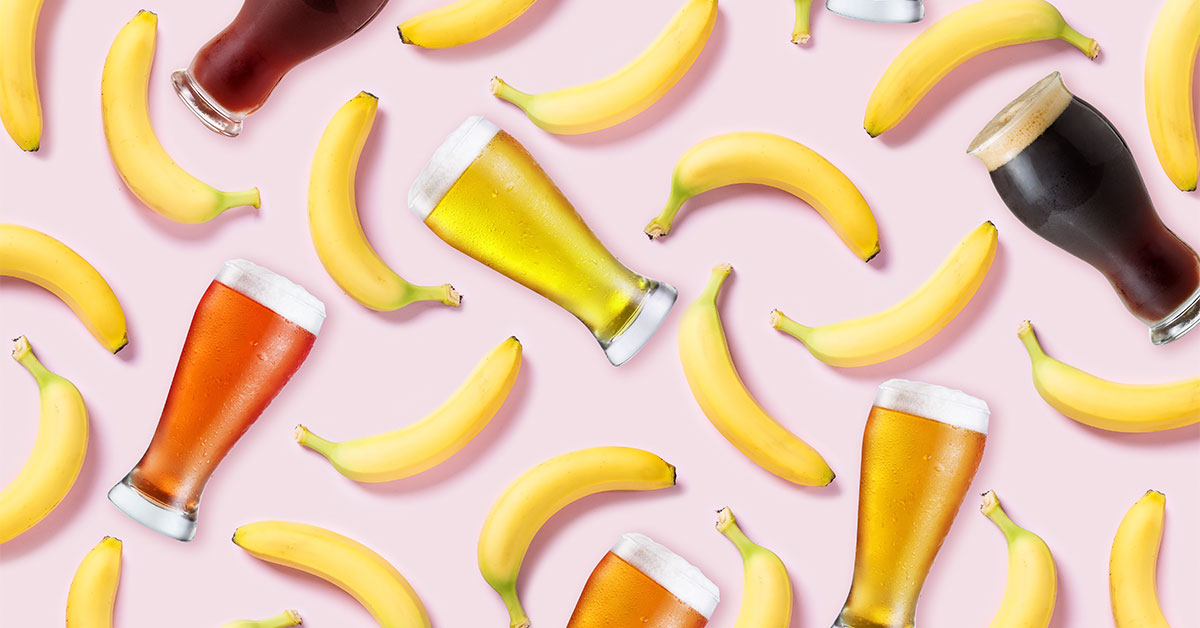
The intersection of horticulture and zymurgy has rarely been as pronounced as it is in the current American craft beer landscape, where the banana has transitioned from a byproduct of fermentation to a centerpiece of complex recipe formulation. When Josh and Heather Lange, co-founders of DankHouse Brewing in Newark, Ohio, prepared to showcase their "Banana Peel’d" hazy IPA at the 2020 Juicy Brews IPA festival in Pittsburgh, they encountered a challenge that has long plagued the industry: the pursuit of the perfect banana profile. Finding their initial batch lacking in fruit intensity, and facing a logistics window too narrow for aseptic purée delivery, the Langes resorted to a grassroots solution. They cleared the shelves of local grocery stores of Gerber banana baby food to provide the necessary flavor boost, eventually serving the beer alongside industry titans like The Alchemist. This anecdote highlights a broader shift in the brewing world, where the quest for specific fruit esters has led brewers to explore everything from yeast stress techniques to the importation of rare Thai cultivars.
The Chemical and Historical Context of the Banana Flavor
To understand why brewers struggle with banana profiles, one must first understand the history of the fruit itself. For much of the early 20th century, the global banana market was dominated by the Gros Michel variety, colloquially known as "Big Mike." This cultivar was characterized by a high concentration of isoamyl acetate, a fruity ester that defines the "classic" banana scent. However, by the 1950s, the Gros Michel was largely decimated by Panama disease, a fungal outbreak that forced the industry to pivot to the Cavendish banana.
The Cavendish, while resistant to certain diseases, contains significantly lower levels of isoamyl acetate. This biological shift created a sensory disconnect for modern consumers. Artificial banana flavorings, such as those found in Runts or Laffy Taffy candies, were modeled after the Gros Michel profile. Consequently, many beer drinkers associate "real" banana flavor with a chemical profile that no longer exists in the produce aisle. In the brewing process, isoamyl acetate is a natural byproduct of fermentation. While it is considered an "off-flavor" in most American lagers and pilsners, it is the defining characteristic of the German hefeweizen.
The Art of the Hefeweizen: Coaxing Esters from Yeast
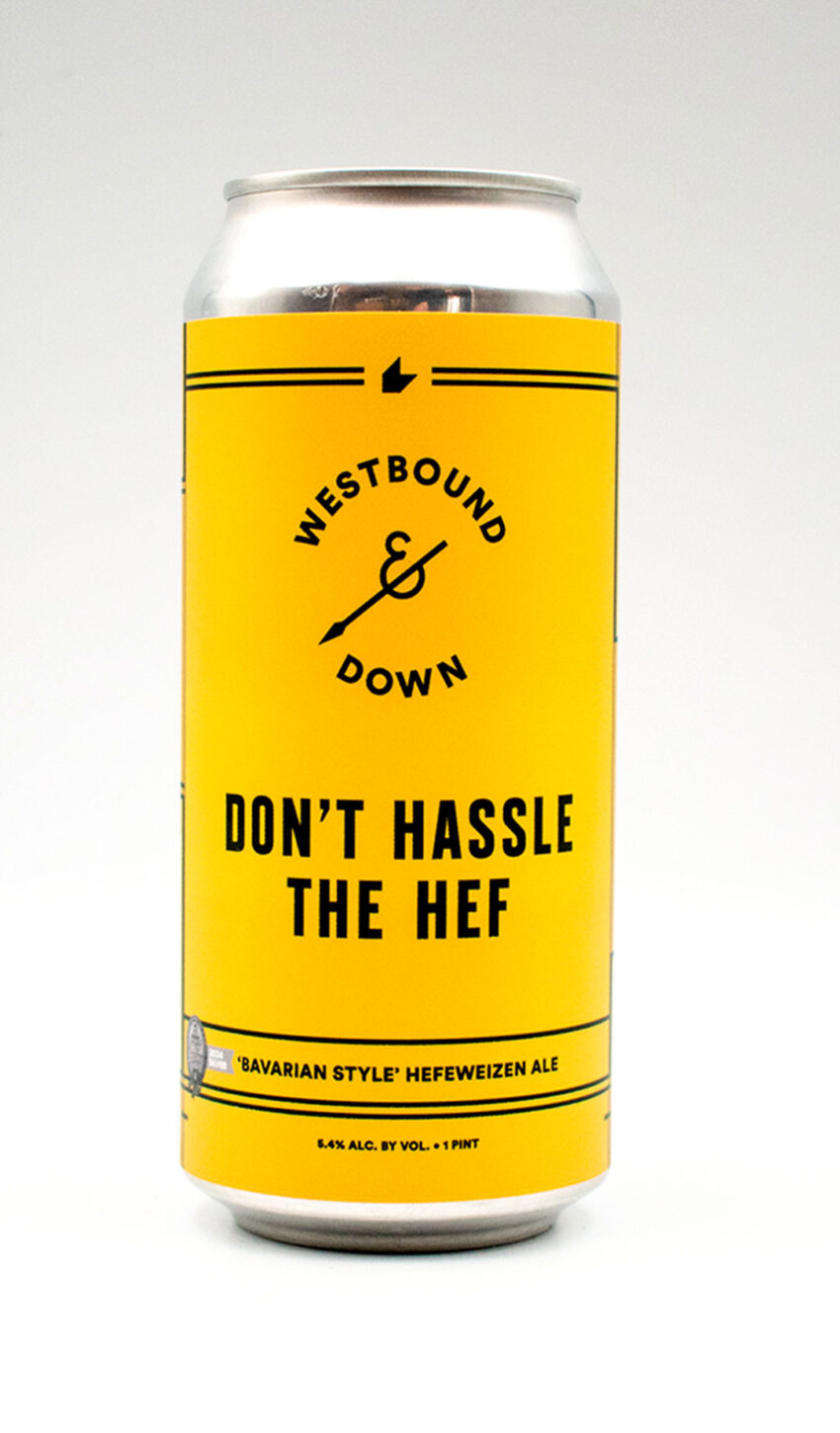
For traditionalists, the banana profile is not something added to the beer, but something earned through the management of yeast. Derek Goodman, head brewer at Westbound & Down Brewing in Colorado, notes that a high-quality hefeweizen should smell more like a banana candy than a fresh piece of fruit. Achieving this requires a delicate and counterintuitive approach to fermentation.
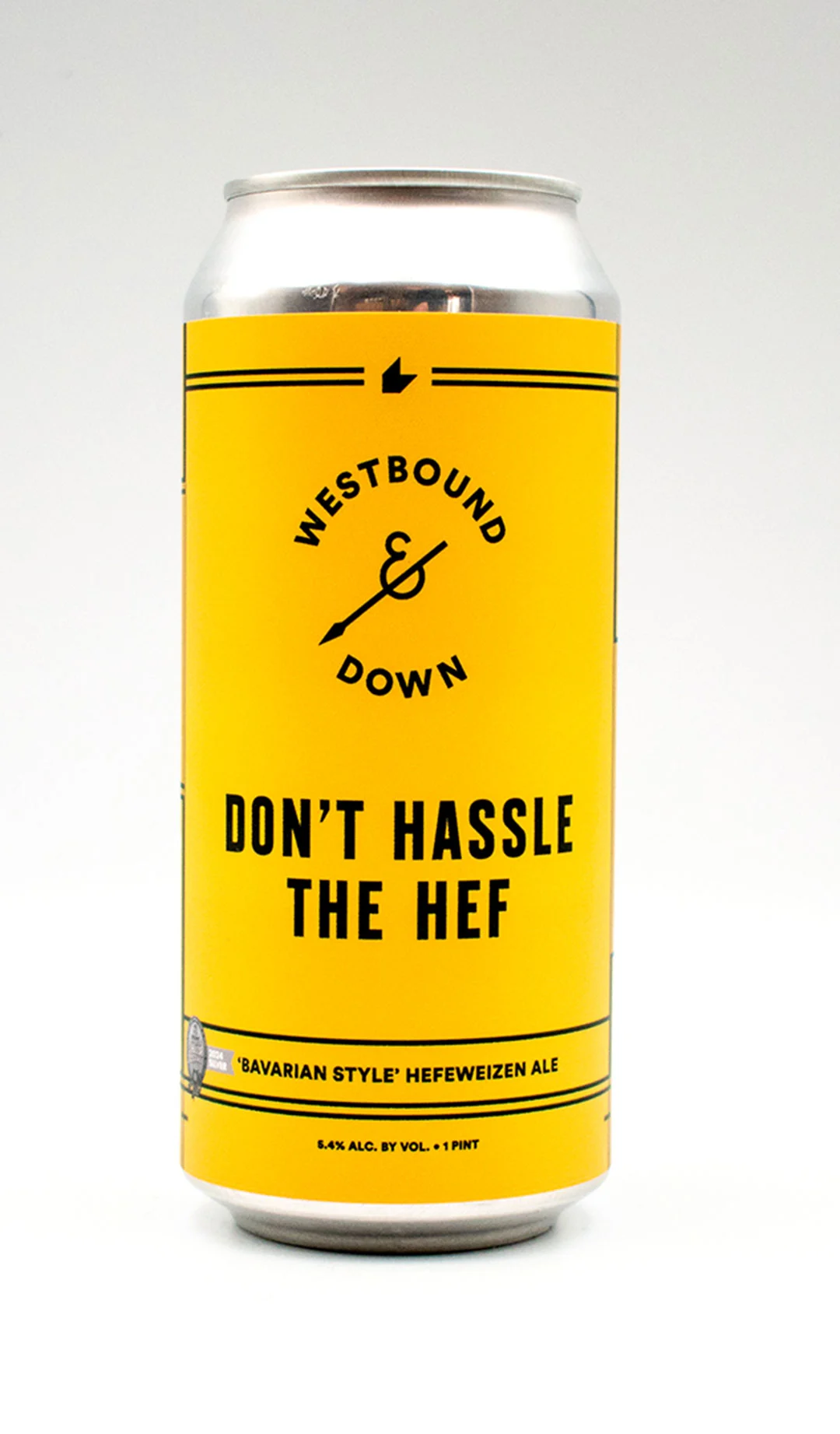
To produce the award-winning "Don’t Hassle the Hef," Goodman employs a technique known as underpitching. By pitching only about one-third of the recommended amount of yeast and limiting the available oxygen in the wort, the brewer intentionally stresses the yeast cells. As the yeast struggles to reproduce and keep up with the sugar density of the wort, it produces a surge of fruity esters, primarily isoamyl acetate. This method requires precise control; if the yeast is stressed too much, it can produce unwanted sulfur compounds or phenolic "clove" notes that overwhelm the fruitiness.
Data from yeast suppliers suggests a resurgence in these traditional styles. Jeff Mello, founder of Bootleg Biology and Spot Yeast, reports that hefeweizen strains have climbed to become the second best-selling product in his catalog, trailing only the ubiquitous hazy IPA strains. This trend indicates a growing consumer appetite for "banana-forward" profiles that rely on biological processes rather than fruit additions.
The Regulatory Shift: TTB Formula Exemptions
Until recently, the use of bananas in commercial brewing was subject to significant federal oversight. The Alcohol and Tobacco Tax and Trade Bureau (TTB) historically categorized bananas as a non-traditional ingredient. Consequently, breweries were required to submit formula exemptions and receive specific approval before they could legally sell banana-infused beers. This administrative hurdle often discouraged smaller breweries from experimenting with the fruit.
However, a pivotal shift occurred in late 2023 when the TTB expanded its list of ingredients exempt from formula requirements. By recognizing bananas as a traditional brewing adjunct, the bureau effectively lowered the barrier to entry for flavor experimentation. This regulatory easing has coincided with the rise of the "pastry stout" and "smoothie sour" movements, where high-gravity beers are conditioned on massive amounts of fruit purée to mimic desserts like banana pudding or banana splits.
Technical Hurdles in Fruit Addition: Purees vs. Whole Fruit
When brewers move beyond yeast-derived esters and begin adding physical fruit, they encounter a new set of technical challenges. Oxidation is the primary enemy; when fresh bananas are mashed or blended, they quickly turn an unappealing brown color, which can tint the beer. Furthermore, the high starch content of bananas can lead to "haze" issues or even "stuck" lines in the draft system.
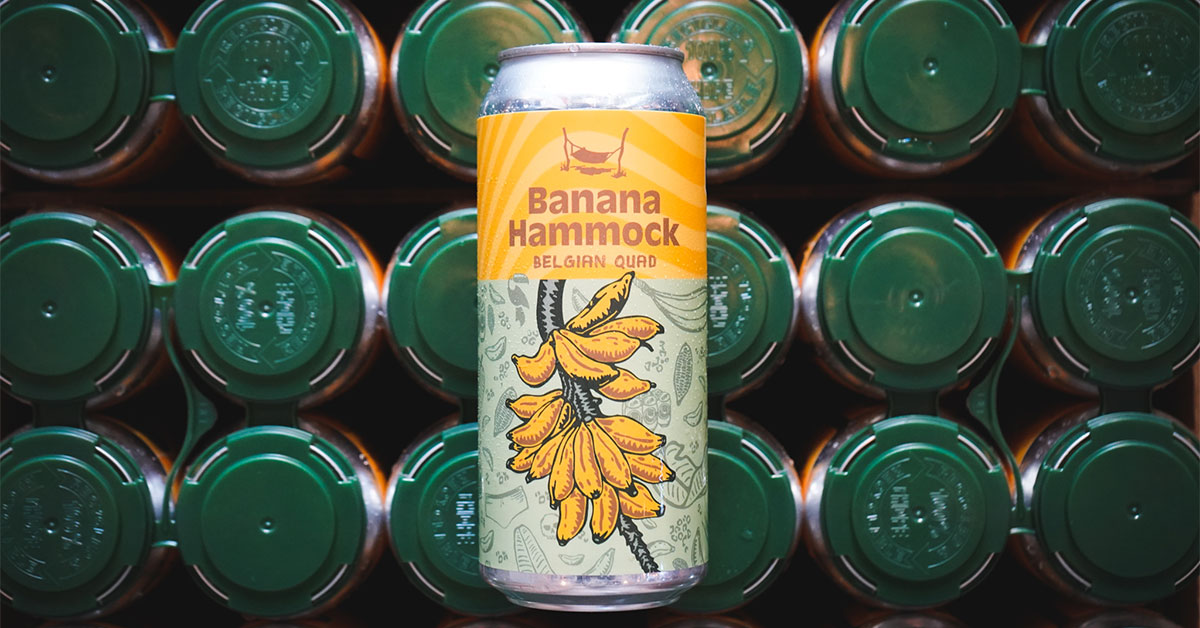
Larry Horwitz, director of brewing operations at Crooked Hammock Brewery, highlights the "Cheetos dilemma" of yeast management. When brewers add sugary banana purée after primary fermentation, the yeast may become "lazy," opting to consume the simple sugars of the fruit rather than finishing the more complex sugars of the malt. This can lead to stalled fermentation or unstable products. To mitigate this, many brewers, including those at HOMES Brewery in Michigan, add purées post-fermentation or in "hard smoothies" where residual sweetness and body are desired. This creates a thicker, more viscous mouthfeel that has become a hallmark of the modern "smoothie" beer style, though it remains a polarizing texture among traditional craft enthusiasts.
The Emergence of the Wild Thai Banana
For elite-tier imperial stouts and barleywines, many brewers have turned away from purées in favor of a more concentrated source: the wild Thai banana. Rodrick Markus, CEO of Rare Tea Cellar, identifies these as the "Grand Cru" of the banana world. These small, fructose-rich dried bananas provide a deep, caramelized flavor without the water content or oxidative risks of fresh fruit.
During the COVID-19 pandemic, while restaurant orders plummeted, Markus noted that his sales of Thai bananas remained robust, largely driven by the craft brewing sector. Breweries like Other Half and Evil Twin began using these bananas to infuse "pastry stouts" with a flavor profile that evokes bananas Foster or dried fruit.
However, this quality comes at a significant premium. Matt Tarpey, co-founder of The Veil Brewing in Richmond, Virginia, notes that achieving a "crazy" banana character requires upwards of 10 pounds of these bananas per barrel. With market prices hovering around $50 per pound—compounded by a 35% tariff on Thai imports—the cost of ingredients alone can exceed the entire production budget of a standard ale. For many breweries, these beers are "labors of love" with razor-thin profit margins, served more as brand-building "whales" than as consistent revenue generators.
Market Analysis and Future Implications
The "banana moment" in craft beer reflects a broader trend toward culinary-inspired beverages. As consumers increasingly seek out "dynamic" and "nostalgic" flavors, the demand for banana-infused products is expected to grow. The success of events like the "Banana Brunch" at Fait La Force Brewing in Nashville, where hefeweizens are paired with banana ice cream, suggests that the fruit’s appeal spans both traditional and experimental demographics.
From an economic perspective, the shift toward banana-inclusive recipes represents a maturation of the adjunct market. Brewers are no longer satisfied with "extracts" that taste artificial; they are willing to navigate international trade tariffs and complex fermentation schedules to achieve authenticity. The recent TTB deregulation will likely accelerate this trend, allowing for more spontaneous and seasonal releases.
In conclusion, the banana’s role in brewing has evolved from a happy accident of yeast stress to a meticulously sourced luxury ingredient. Whether it is a Newark brewery buying up baby food or a Richmond powerhouse importing thousands of pounds of dried fruit from Southeast Asia, the goal remains the same: capturing a flavor profile that is as elusive as it is beloved. As the industry continues to move away from the "off-flavor" stigmas of the past, the banana stands as a testament to the versatility and creativity of modern craft brewing. The unpeeling of this particular fruit’s appeal is likely just beginning, as brewers find new ways to balance the high-ester heritage of the hefeweizen with the decadent possibilities of the modern stout.